




UK Agricultural Supply Chain Vulnerability | FMD Crisis Lessons for Cross-Border Food Sellers
- 25-year retrospective reveals £8B economic impact, 6M livestock culled, and regulatory frameworks now governing £2.3B UK food exports annually








概览
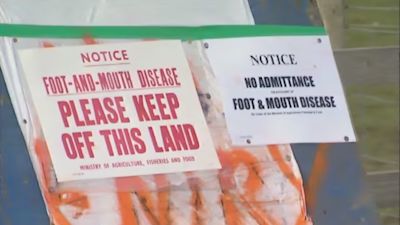
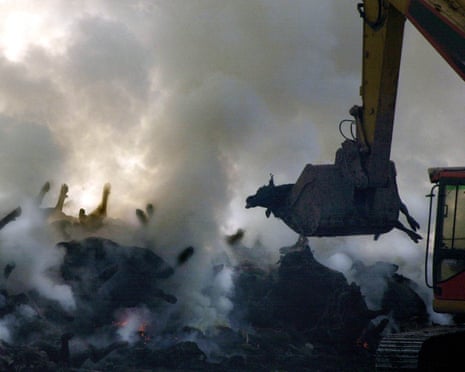
The 2001 foot-and-mouth disease (FMD) outbreak represents a critical historical case study for cross-border e-commerce sellers in agricultural products, food exports, and livestock sectors. Beginning February 22, 2001, at an Essex farm and abattoir, the PanAsia Type-O FMD strain spread rapidly through livestock auctions, devastating the UK farming industry with approximately 6 million animals culled despite only 2,000 confirmed disease cases. The economic toll reached £8 billion nationally, with £1 million daily losses in live animal and food product exports. Cumbria suffered disproportionately—approximately 670 farms had livestock culled—while the human toll included over 60 farmer suicides in 2001 alone, with suicide rates exceeding one per week by 2002.
The government's response, led by Agriculture Minister Nick Brown, relied on computer models from Imperial College that miscalculated disease spread due to unreliable Ministry of Agriculture data. This led to aggressive contiguous culling policies that pre-emptively slaughtered livestock on neighboring farms, despite objections from Pirbright Animal Health Institute experts. Implementation was chaotic: outdated maps, lost disposal trucks, and administrative errors resulted in farms 100 miles away being targeted. The EU and UK imposed a worldwide ban on all UK animal exports, forcing the government to postpone the 2001 general election.
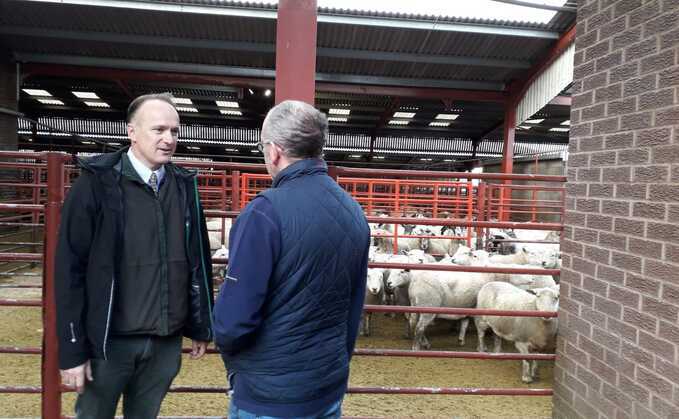
For modern cross-border sellers, this crisis established regulatory precedents that remain embedded in current UK, EU, and international agricultural trade frameworks. The outbreak triggered the development of mandatory health certificates, movement documentation, disease surveillance protocols, and biosecurity compliance requirements that now govern agricultural commodity exports, meat products, dairy goods, and animal-derived merchandise. Sellers trading in these categories must navigate certification requirements, traceability systems, and export compliance standards that directly trace their origins to post-2001 regulatory reforms. The 25-year retrospective, featuring interviews with affected Cumbrian farmers and community leaders, underscores how regional agricultural crises create lasting impacts on supply chains, inventory management, and market access for sellers dependent on UK farming sectors.
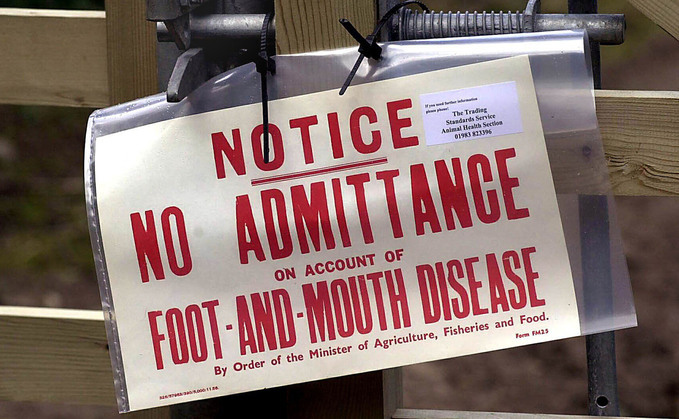
Current regulatory evolution demonstrates how biosecurity incidents reshape market access, certification requirements, and operational costs for years following an outbreak. Sellers must understand that disease outbreaks can trigger sudden trade restrictions, export bans, and certification requirements that directly impact international commerce. The FMD crisis established a pattern of institutional responses—including government-mandated culling protocols, export bans, and movement restrictions—that inform modern emergency response procedures. Understanding this regulatory evolution helps sellers anticipate compliance demands, maintain market access across regions with strict agricultural import standards, and build supply chain resilience against future biosecurity incidents.
问题 8
What supply chain vulnerabilities did the FMD crisis reveal for agricultural sellers?
The 2001 FMD outbreak exposed critical supply chain vulnerabilities in agricultural sectors that remain relevant today. The crisis resulted in 6 million livestock culled despite only 2,000 confirmed disease cases, costing the British economy £8 billion and £1 million daily in lost exports. The outbreak forced severe restrictions on rural movement, shut down farming communities, and devastated tourism across affected regions. For modern sellers, this demonstrates how regional agricultural crises can create lasting impacts on inventory management, market access, and operational costs. Sellers dependent on UK farming sectors must build supply chain resilience and maintain alternative sourcing strategies to mitigate similar disruptions.
How does the 2001 FMD crisis affect current agricultural export requirements for cross-border sellers?
The 2001 FMD outbreak directly shaped modern UK, EU, and international agricultural trade frameworks that sellers must navigate today. Post-2001 regulatory reforms established mandatory health certificates, movement documentation, disease surveillance protocols, and biosecurity compliance requirements for all agricultural commodity exports, meat products, dairy goods, and animal-derived merchandise. Sellers trading in these categories must obtain proper certifications before exporting to EU markets or other regions with strict agricultural import standards. The crisis demonstrated how disease outbreaks trigger sudden trade restrictions and export bans, making compliance non-negotiable for market access.