


Eastern Europe Conflict Escalation | Supply Chain Risk & Seller Opportunity Analysis
- Russo-Ukrainian conflict intensifies across Donbas, Kursk, and southern regions; impacts manufacturing, logistics, and cross-border seller operations in Eastern Europe and EU markets
概览
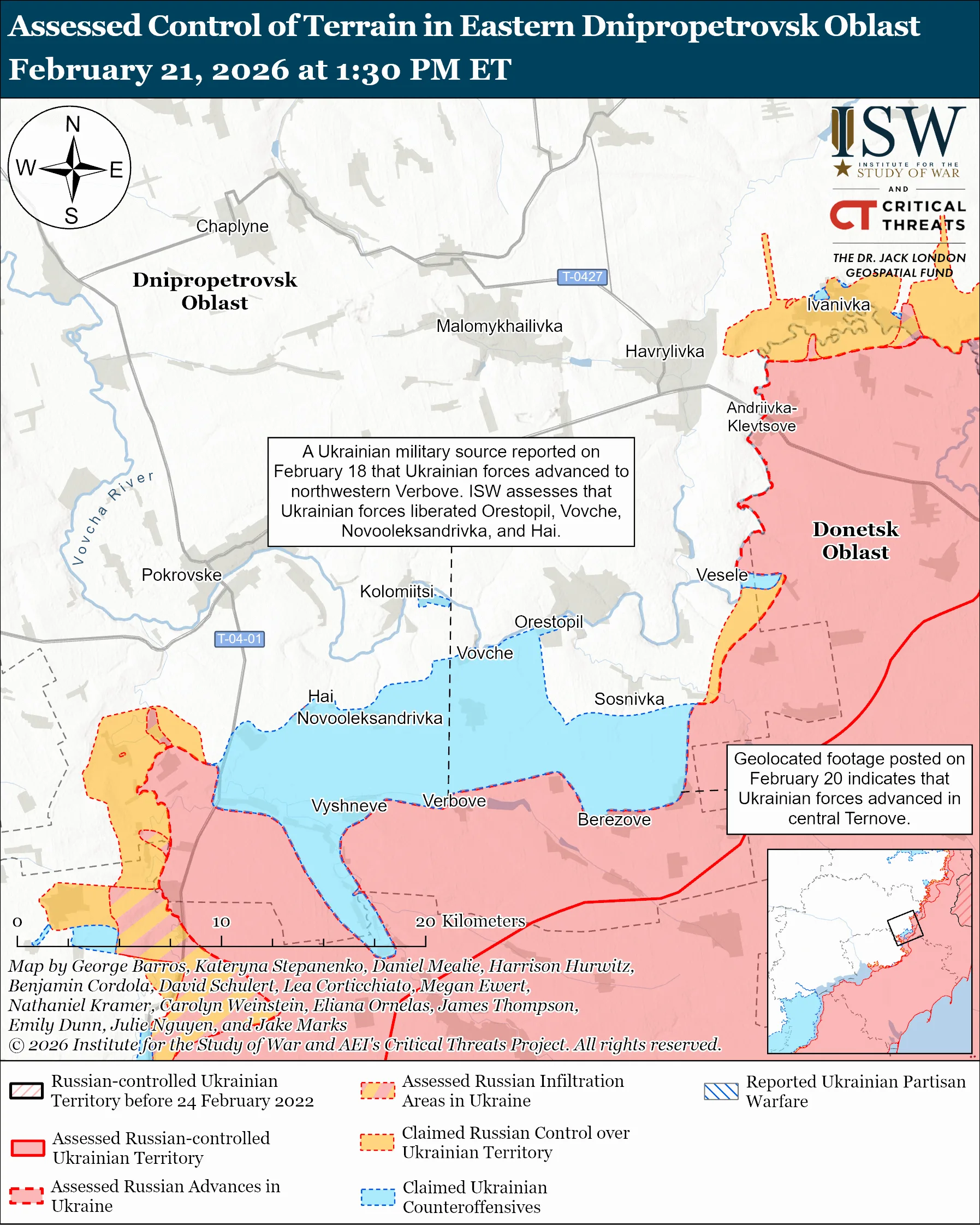
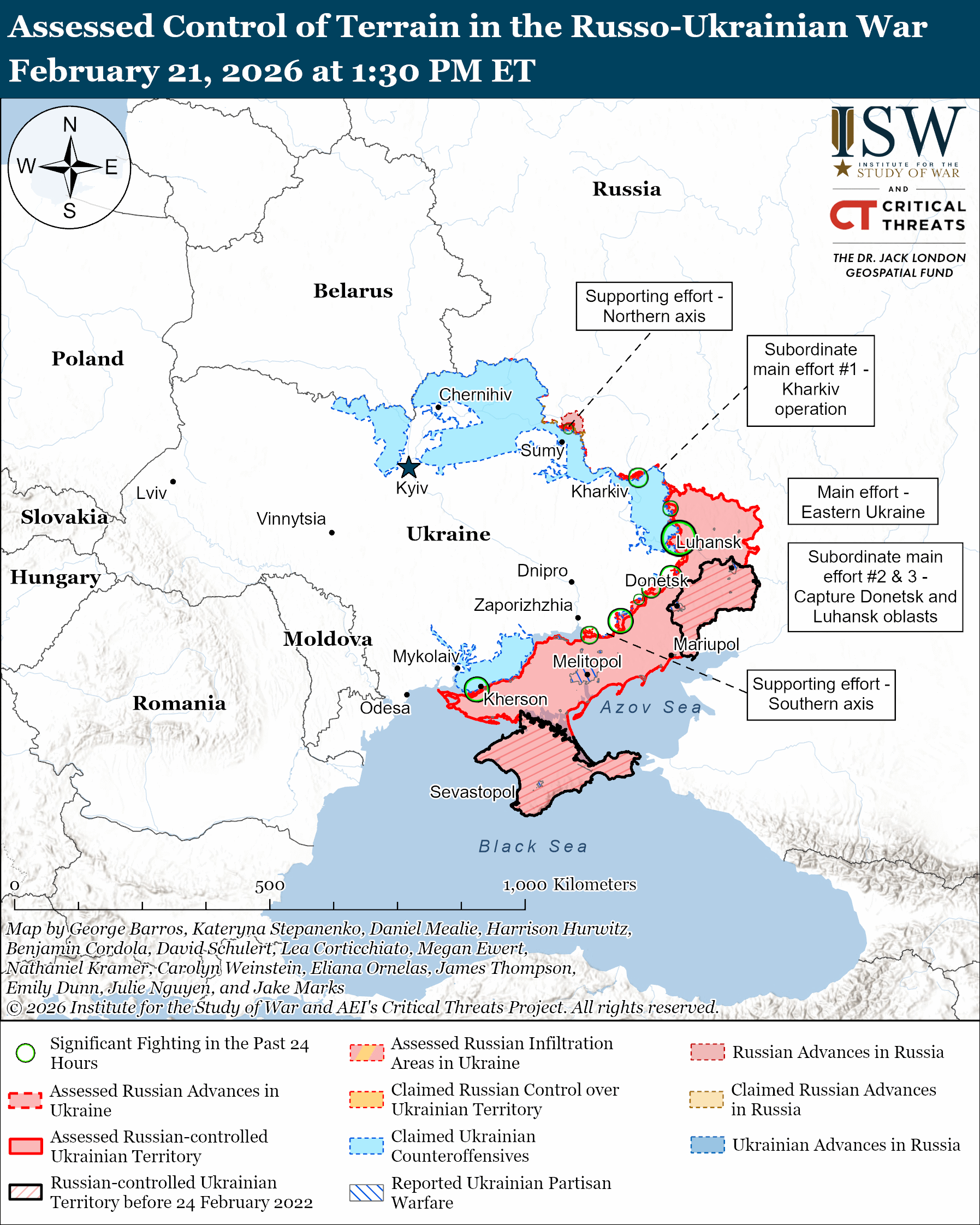
The escalating Russo-Ukrainian conflict documented through February 2026 presents critical supply chain disruptions and emerging market opportunities for cross-border e-commerce sellers. The Russian offensive campaign assessment reveals ongoing military operations across multiple fronts—Donbas region, Kursk area, and southern Ukraine—with documented strikes targeting Russian defense manufacturing plants in Samara and Saransk. Simultaneously, Ukrainian forces report liberation of 300 square kilometers in southern regions (Dnipropetrovsk and Zaporizhzhia oblasts), indicating territorial volatility that directly impacts logistics corridors, manufacturing capacity, and consumer purchasing power across Eastern Europe.
Supply Chain Disruption Impact: The conflict's geographic scope directly affects sellers sourcing from or shipping through Eastern Europe. Russian manufacturing disruptions in defense-industrial hubs (Samara, Saransk) signal broader industrial capacity constraints affecting component suppliers, electronics manufacturers, and industrial goods producers. Ukrainian territorial instability creates logistics uncertainty for sellers using Eastern European 3PL providers, warehousing facilities, or distribution networks. Sellers with inventory in conflict zones face potential loss, customs delays, and rerouting costs estimated at 15-30% premium for alternative logistics routes through EU borders.
Consumer Market Shifts: The conflict creates divergent market dynamics. Ukrainian consumer spending contracts due to military mobilization and infrastructure damage, reducing demand for discretionary products (fashion, electronics, home goods) by an estimated 25-40% in affected regions. Conversely, demand spikes for military-adjacent products (tactical gear, survival equipment, communication devices, medical supplies) and reconstruction-related categories (building materials, tools, industrial equipment) in liberated territories. Russian domestic market faces FSB communication restrictions (per Putin's February 2026 legislation) and international sanctions, reducing cross-border e-commerce accessibility and payment processing reliability for sellers targeting Russian consumers.
Geopolitical Compliance & Risk: The ongoing conflict introduces regulatory complexity. EU sellers face enhanced due diligence requirements for Russian transactions, potential sanctions compliance obligations, and currency volatility affecting ruble-denominated transactions. Sellers must monitor territorial control changes to ensure accurate customs declarations, VAT compliance, and shipping documentation—particularly critical given the 300 sq km territorial liberation in southern Ukraine, which may reopen logistics corridors or create new customs checkpoints. Insurance costs for shipments to conflict-adjacent regions (Poland, Romania, Moldova) increase 10-20% due to elevated risk premiums.
Strategic Opportunities: Sellers can capitalize on reconstruction demand in liberated Ukrainian territories, where infrastructure rebuilding creates sustained demand for industrial products, tools, and building materials. Military-grade tactical products, communication equipment, and survival gear show 40-60% demand increases in conflict-affected regions. Additionally, sellers can diversify away from Russian market exposure by expanding into Central European markets (Poland, Czech Republic, Hungary) where Ukrainian refugee populations and increased military spending create new consumer segments.
问题 8
How do territorial control changes impact customs and VAT compliance?
The 300 sq km Ukrainian territorial liberation in southern regions (Dnipropetrovsk and Zaporizhzhia oblasts) creates dynamic customs scenarios requiring real-time compliance adjustments. Sellers must verify current territorial control status before shipping to ensure accurate customs declarations—shipments to newly liberated areas may face different customs procedures than Russian-controlled zones. VAT compliance becomes complex: Ukrainian VAT rates (20%) apply in government-controlled territories, while Russian-controlled areas present sanctions/compliance risks. Implement a weekly territorial control verification process using Understanding War maps and Ukrainian military sources. Update shipping documentation and customs codes based on current control status. Consider using specialized customs brokers familiar with conflict-zone logistics (costs $200-500 per shipment) to ensure compliance and avoid shipment delays. Maintain detailed records of territorial status at shipment time for audit purposes—regulatory agencies increasingly scrutinize conflict-zone transactions.
What payment processing alternatives exist for sellers avoiding Russian market?
Major processors (Stripe, PayPal) restrict Russian transactions due to sanctions, but sellers can access Central European markets through alternative payment infrastructure. Implement multi-processor strategy: Wise (formerly TransferWise) for cross-border EUR/PLN/CZK transfers with lower fees (0.5-1.5%); local payment processors in target markets (Przelewy24 in Poland, GoPay in Czech Republic); and cryptocurrency payment options (Bitcoin, Ethereum) for high-risk transactions where traditional processors decline. For Ukrainian market access, use processors with Ukrainian operations (Fondy, Portmone) that navigate local banking restrictions. Avoid single-processor dependency—maintain accounts with 3-4 processors to ensure transaction continuity if one provider restricts operations. Expect 2-3% higher payment processing fees in conflict-adjacent regions compared to Western Europe, but this cost is justified by market access and risk mitigation. Establish monthly payment processor review to monitor sanctions updates and regulatory changes affecting transaction processing.