




Venezuela Political Stabilization Signals Emerging Market Opportunity for Cross-Border Sellers
- Post-Maduro amnesty laws release 400+ political prisoners, signaling potential market opening for e-commerce sellers targeting Latin American expansion and payment processing infrastructure recovery
















概览
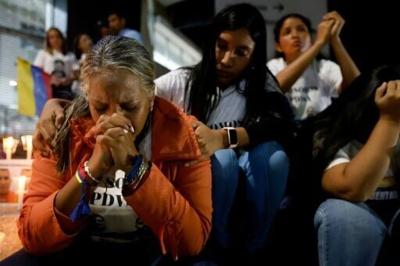
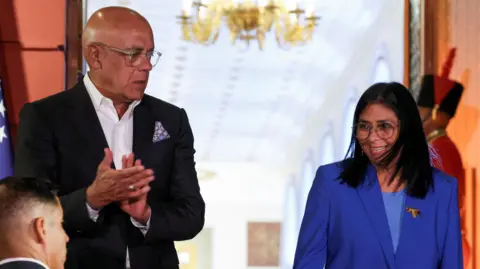
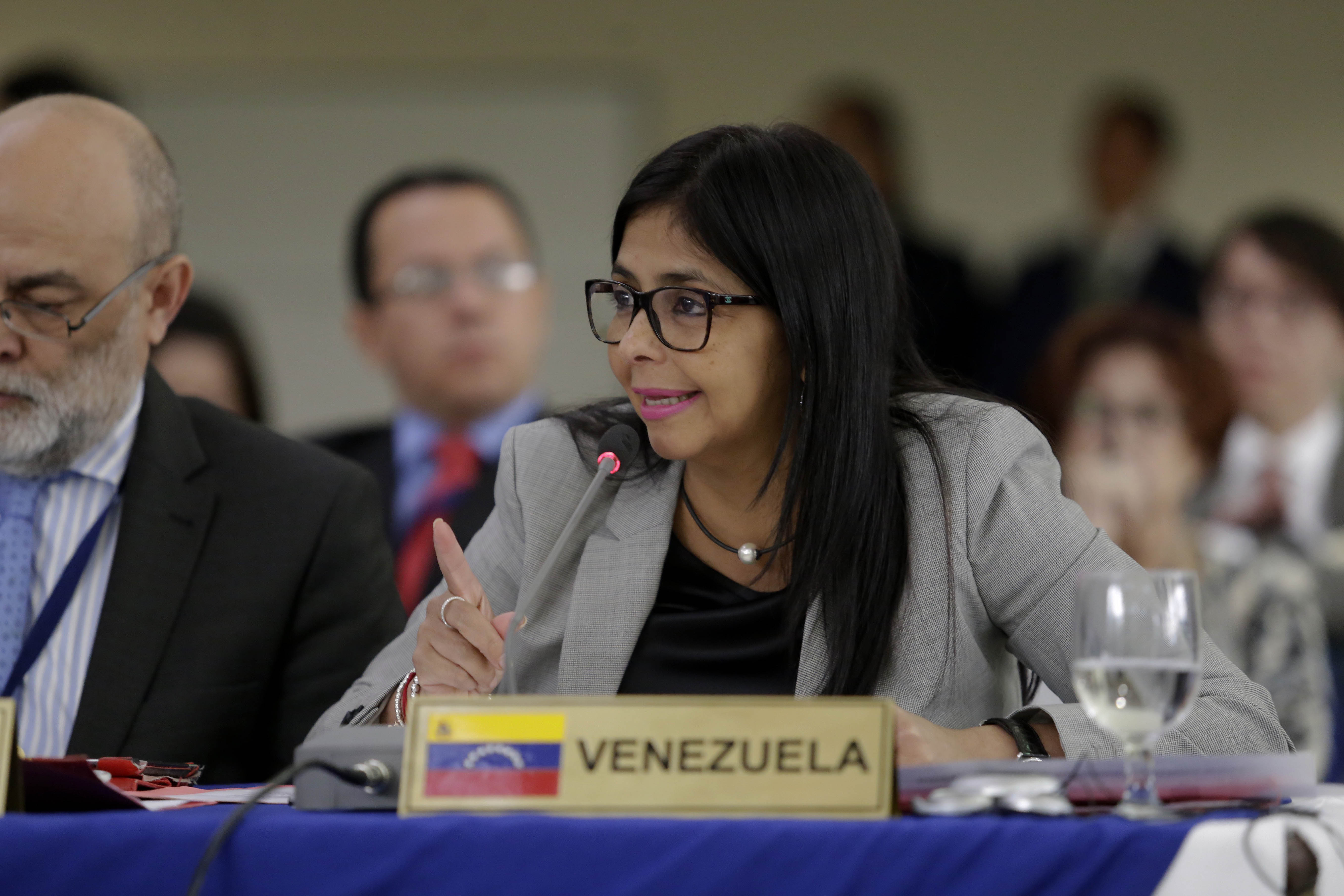
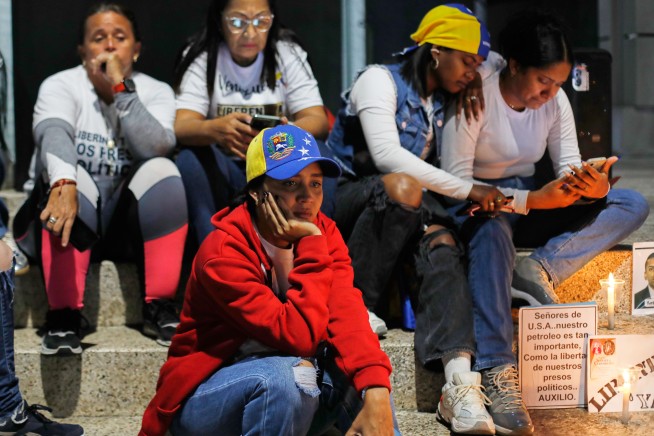
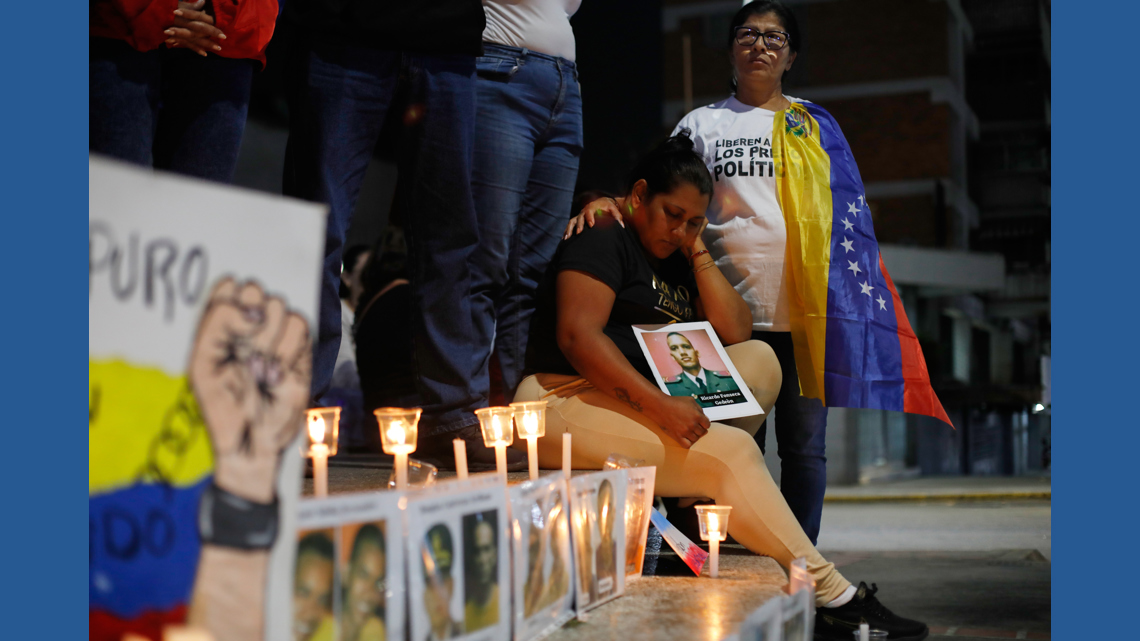
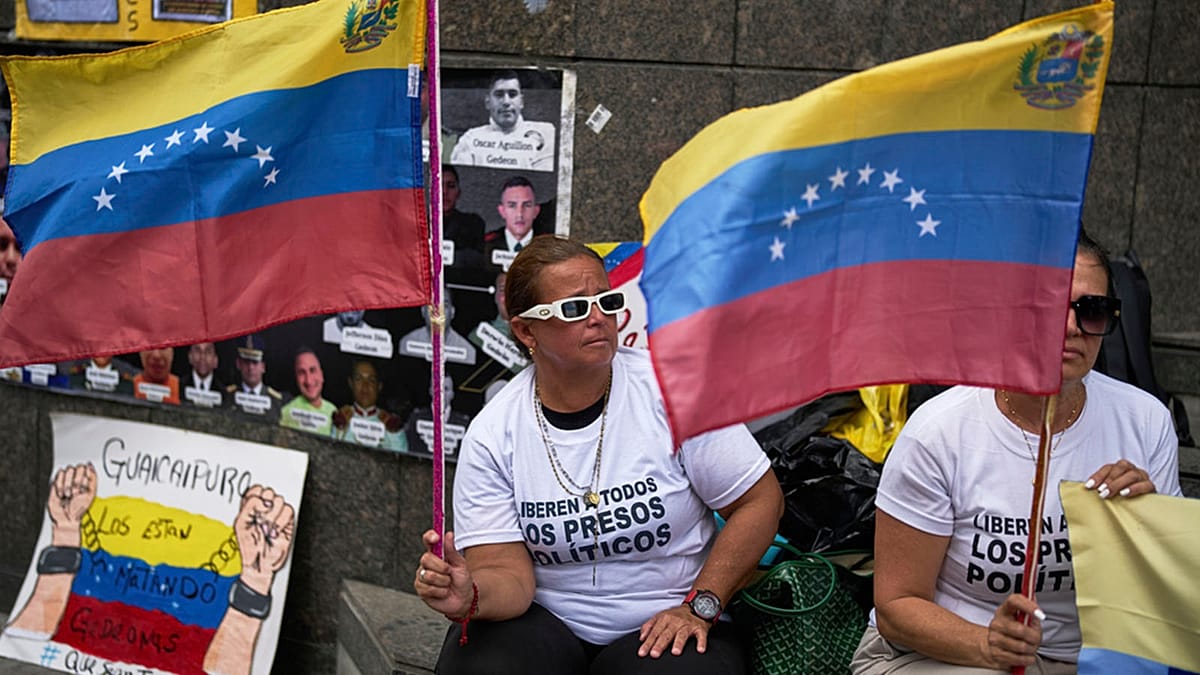
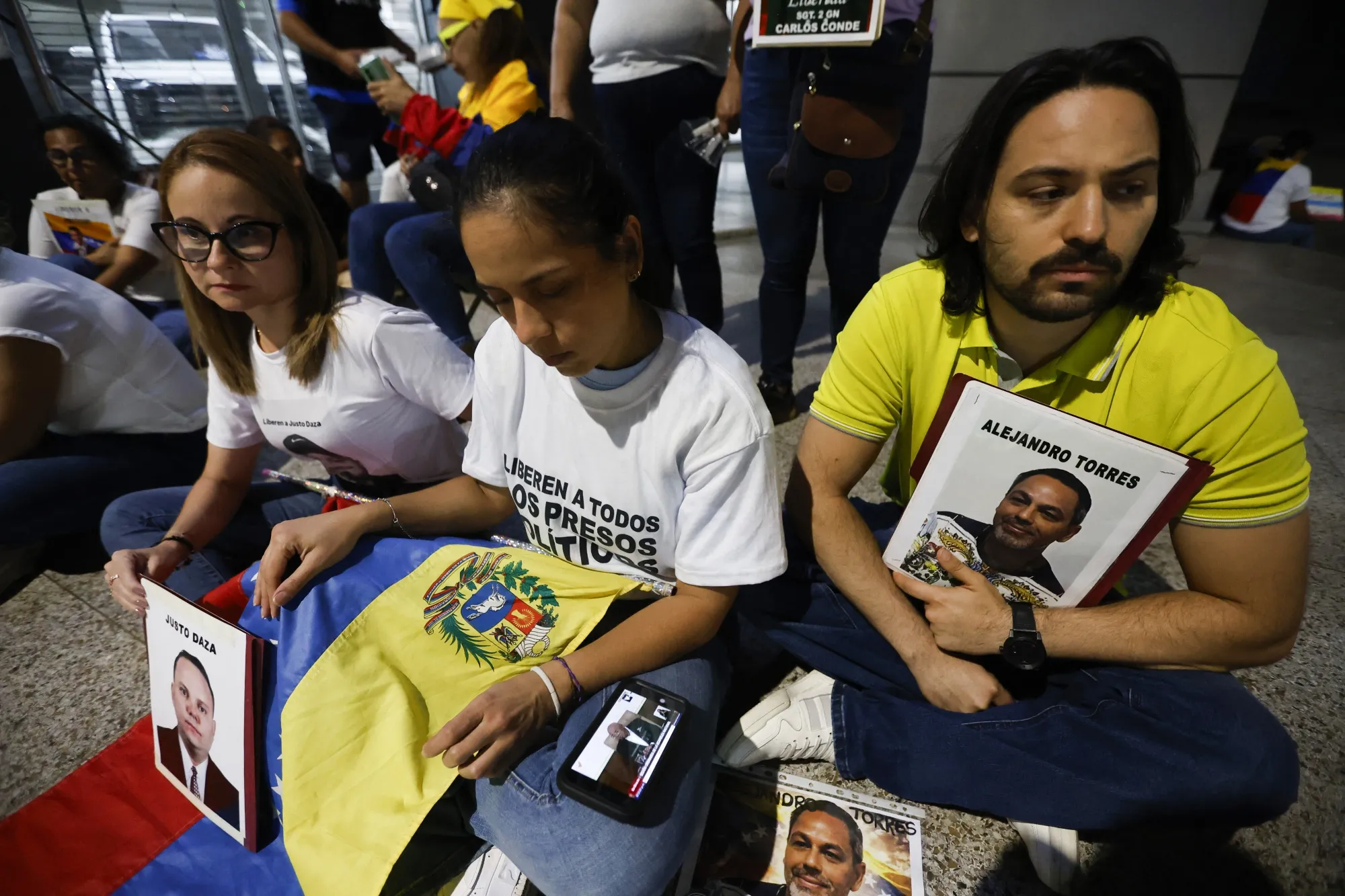
Venezuela's political transition following Nicolás Maduro's January 3, 2025 capture represents a critical inflection point for cross-border e-commerce sellers monitoring Latin American market development. The interim government under President Delcy Rodríguez has passed amnesty legislation (February 19-20, 2026) releasing 400+ political prisoners, with 1,557 additional amnesty applications pending and potential coverage extending to 11,000 detainees. While the amnesty law contains significant exclusions—notably excluding prisoners who advocated foreign intervention and those facing serious charges—the legislative action signals pragmatic governance shifts that could reshape Venezuela's international business relationships and payment processing capabilities.
Market Stabilization Indicators for Sellers: The closure of El Helicoide detention facility and release of journalists, opposition politicians, and activists demonstrates the interim government's willingness to demonstrate international credibility under Trump administration pressure. This credibility-building directly impacts Venezuela's ability to negotiate trade partnerships, establish payment processing agreements with international financial institutions, and attract foreign investment in logistics infrastructure. For cross-border sellers, these developments create a 12-24 month window to position for potential Venezuelan market entry as currency stability improves and payment systems normalize.
Regional Trade Corridor Implications: Venezuela's political stabilization affects broader Latin American logistics networks. The country's geographic position as a Caribbean gateway influences shipping routes, customs processing efficiency, and regional 3PL provider operations serving Colombia, Brazil, and Central America. Sellers currently routing inventory through alternative Latin American hubs (Mexico, Colombia, Brazil) should monitor Venezuelan port reopening timelines and potential cost reductions in regional fulfillment networks. The amnesty law's passage indicates the interim government prioritizes demonstrating governance competence to international observers, suggesting accelerated infrastructure modernization and regulatory predictability improvements over the next 18-24 months.
Currency and Payment Processing Recovery: Venezuela's hyperinflation and payment system collapse created barriers for cross-border commerce. Political stabilization enables the interim government to negotiate with international payment processors (Stripe, PayPal, 2Checkout) and establish banking relationships necessary for seller operations. The release of economists and business-oriented political prisoners—including those detained for criticizing government economic policies—signals potential policy shifts toward market-friendly reforms. Sellers should monitor Central Bank of Venezuela announcements regarding currency controls and international payment system integration, as these developments could unlock a market of 28+ million consumers currently underserved by formal e-commerce channels.
Risk Factors and Implementation Uncertainty: The amnesty law's limited scope—excluding homicide, drug trafficking, and corruption charges—reflects ongoing tensions between pragmatic and hard-line government factions. The re-arrest of opposition figure Juan Pablo Guanipa hours after release demonstrates implementation risks. Sellers should maintain cautious positioning, avoiding significant inventory commitments to Venezuelan operations until payment processing systems demonstrate 90+ days of stable operation and currency controls show measurable relaxation. The UN's criticism of the amnesty's insufficient scope and calls for international oversight suggest continued international scrutiny that could trigger policy reversals if political instability resurfaces.
问题 7
Which seller categories should prioritize Venezuelan market entry opportunities?
High-priority categories include: (1) essential goods (food, medicine, hygiene products) addressing severe shortages from 25 years of economic collapse, (2) electronics and technology products serving pent-up consumer demand, and (3) business-to-business supplies for companies rebuilding operations post-Maduro. Low-priority categories include luxury goods and discretionary items, as consumer purchasing power remains severely constrained despite political stabilization. Sellers with existing Latin American fulfillment networks (Mexico, Colombia, Brazil) can enter Venezuelan markets with minimal additional infrastructure investment. Start with small inventory allocations (5-10% of regional budgets) and scale only after demonstrating 90+ days of successful payment processing and positive customer feedback.
How should sellers monitor Venezuelan political and economic developments?
Establish quarterly monitoring of three key indicators: (1) Central Bank of Venezuela currency control announcements and official exchange rates, (2) international payment processor availability and transaction success rates in Venezuela, and (3) political stability metrics including re-arrest rates and international criticism levels. Subscribe to Trump administration Venezuela policy updates and UN human rights reports, as these influence government behavior and reform timelines. Track regional 3PL provider announcements regarding Venezuelan port operations and shipping cost changes. Set internal decision triggers: if currency controls tighten, payment processing fails, or major re-arrests occur, delay market entry by 6-12 months. This disciplined monitoring approach balances opportunity capture with risk mitigation.