






Pixel 10a & Galaxy S26 Launch Strategy | Mid-Range Smartphone Market Shift Signals E-Commerce Opportunity
- February 2026 releases target upgrade-ready consumers; $499-$849 price points reshape electronics retail; trade-in programs drive inventory turnover for cross-border sellers




























概览
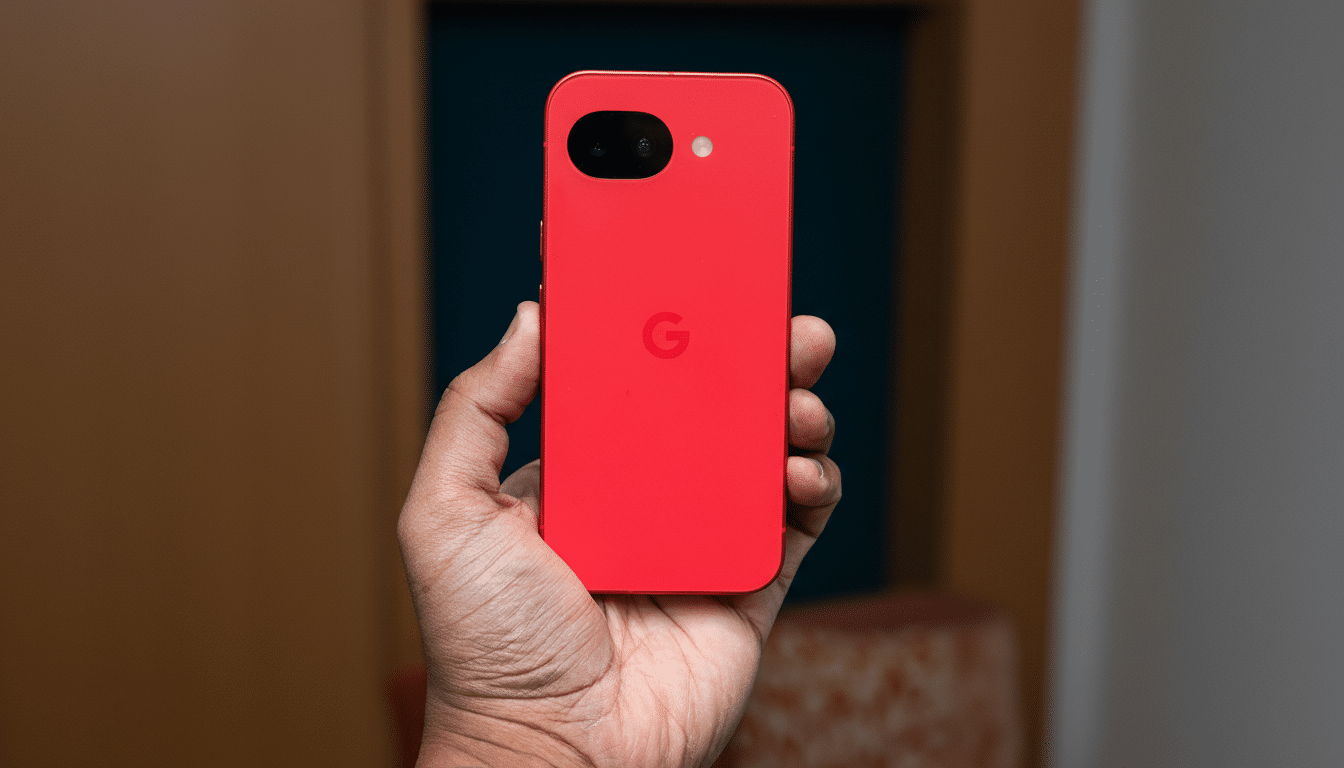
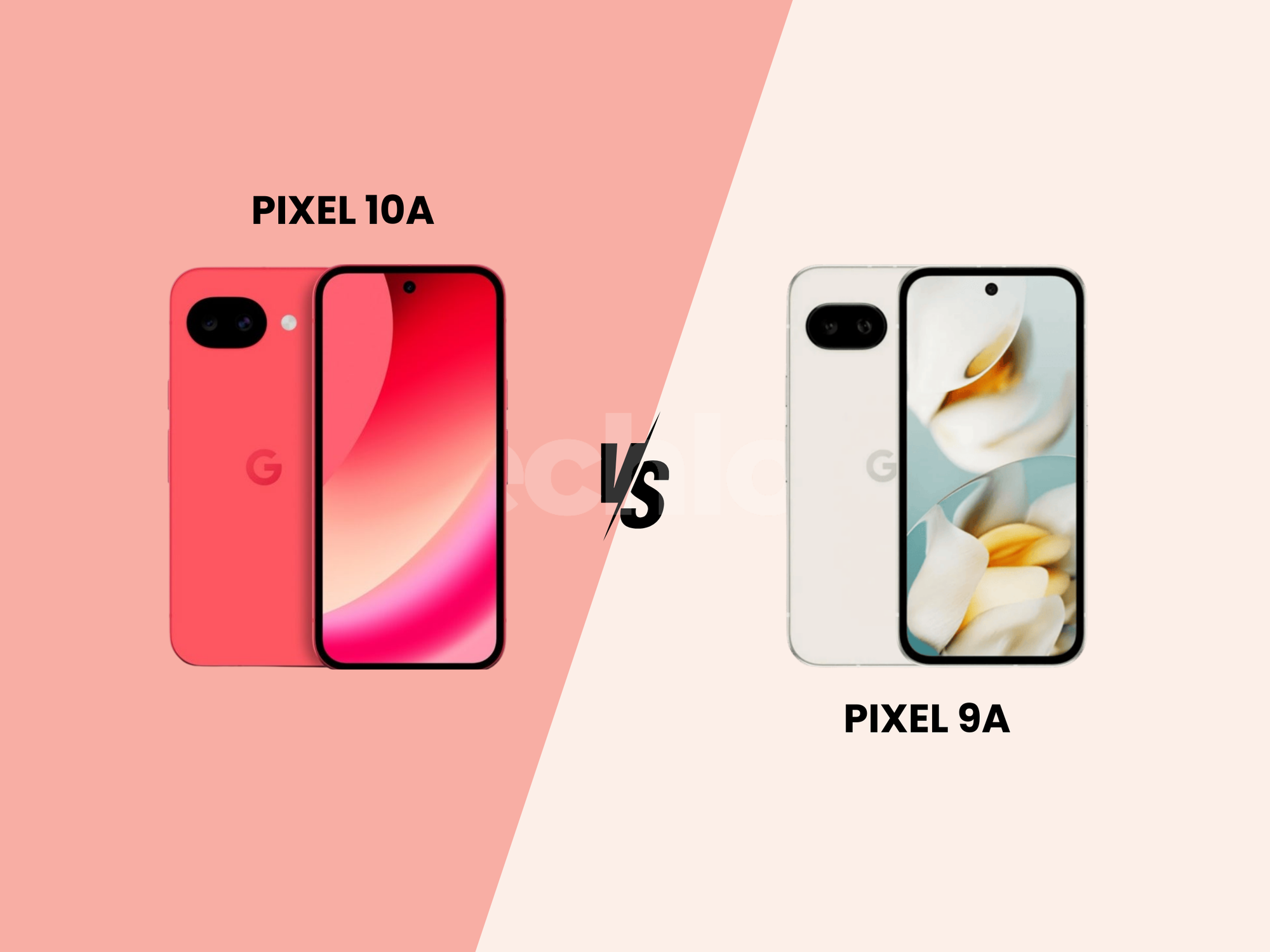
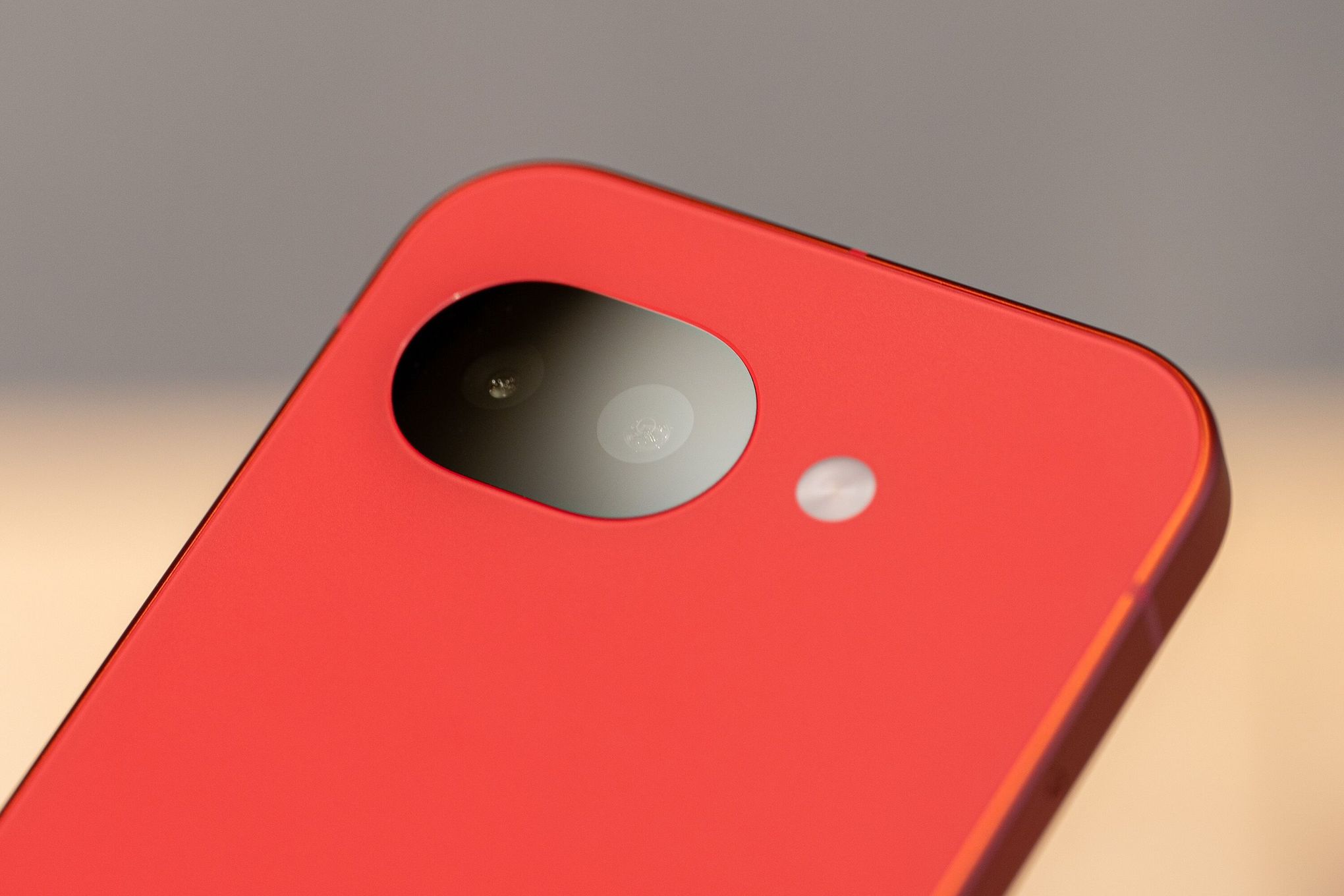
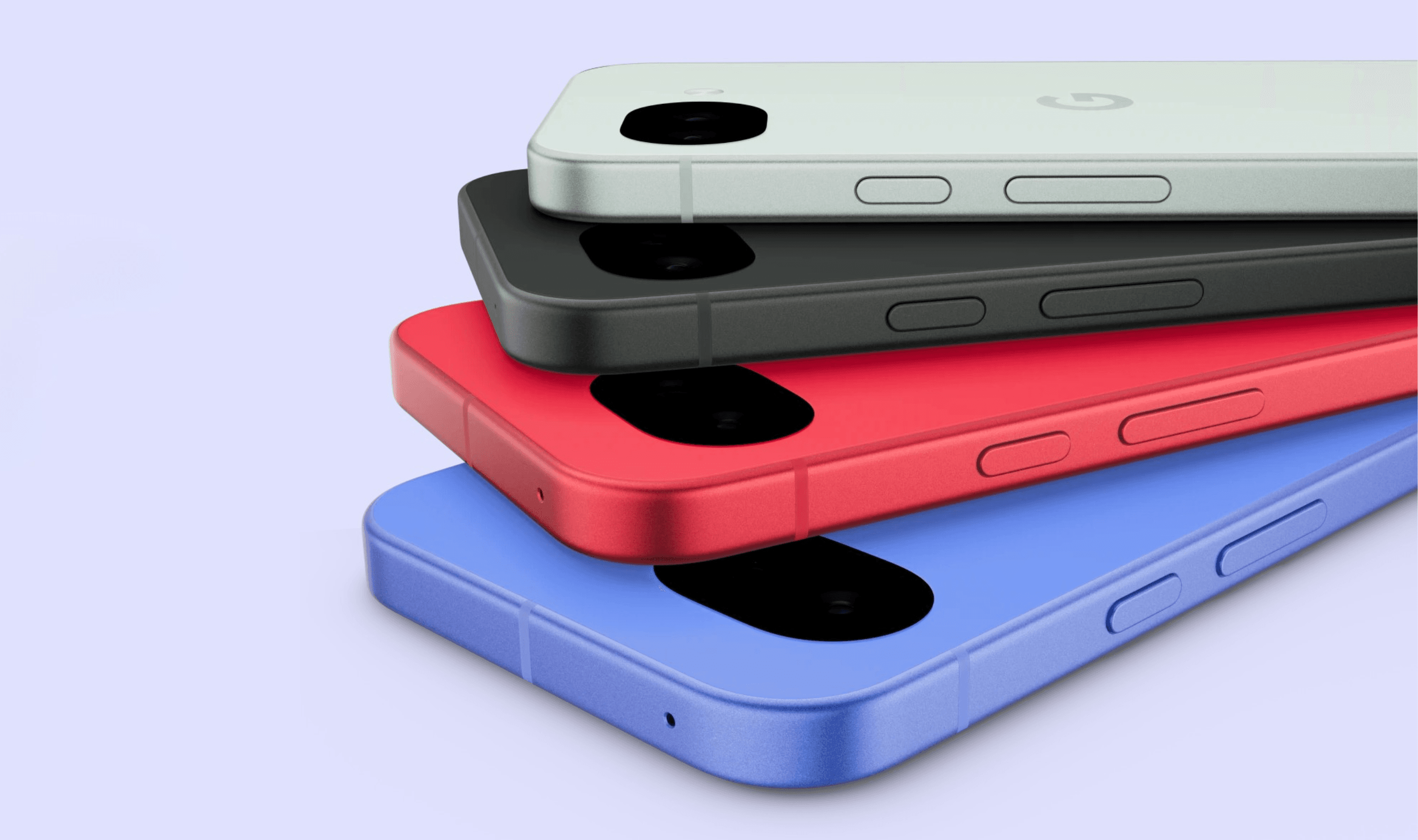
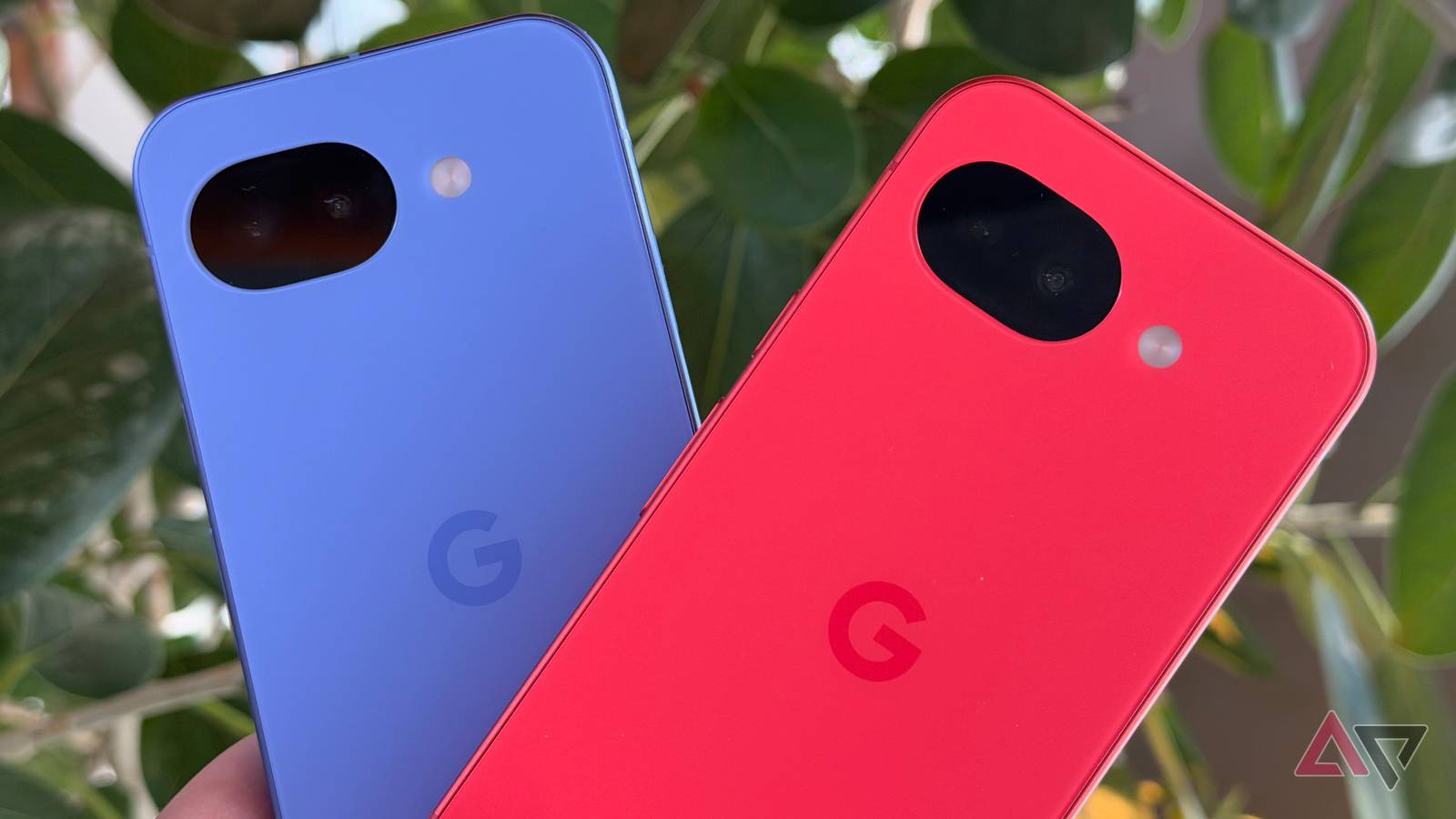
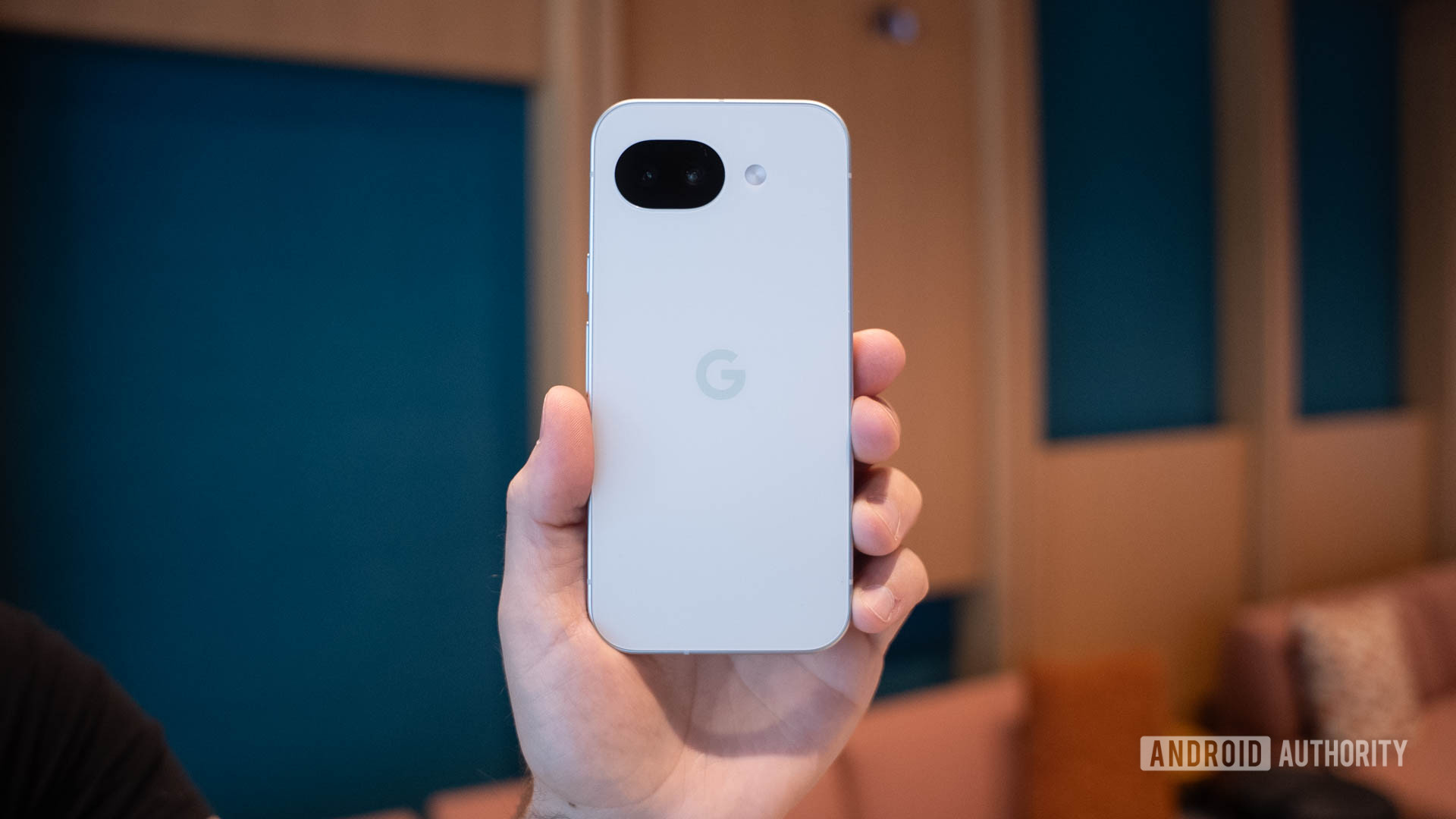
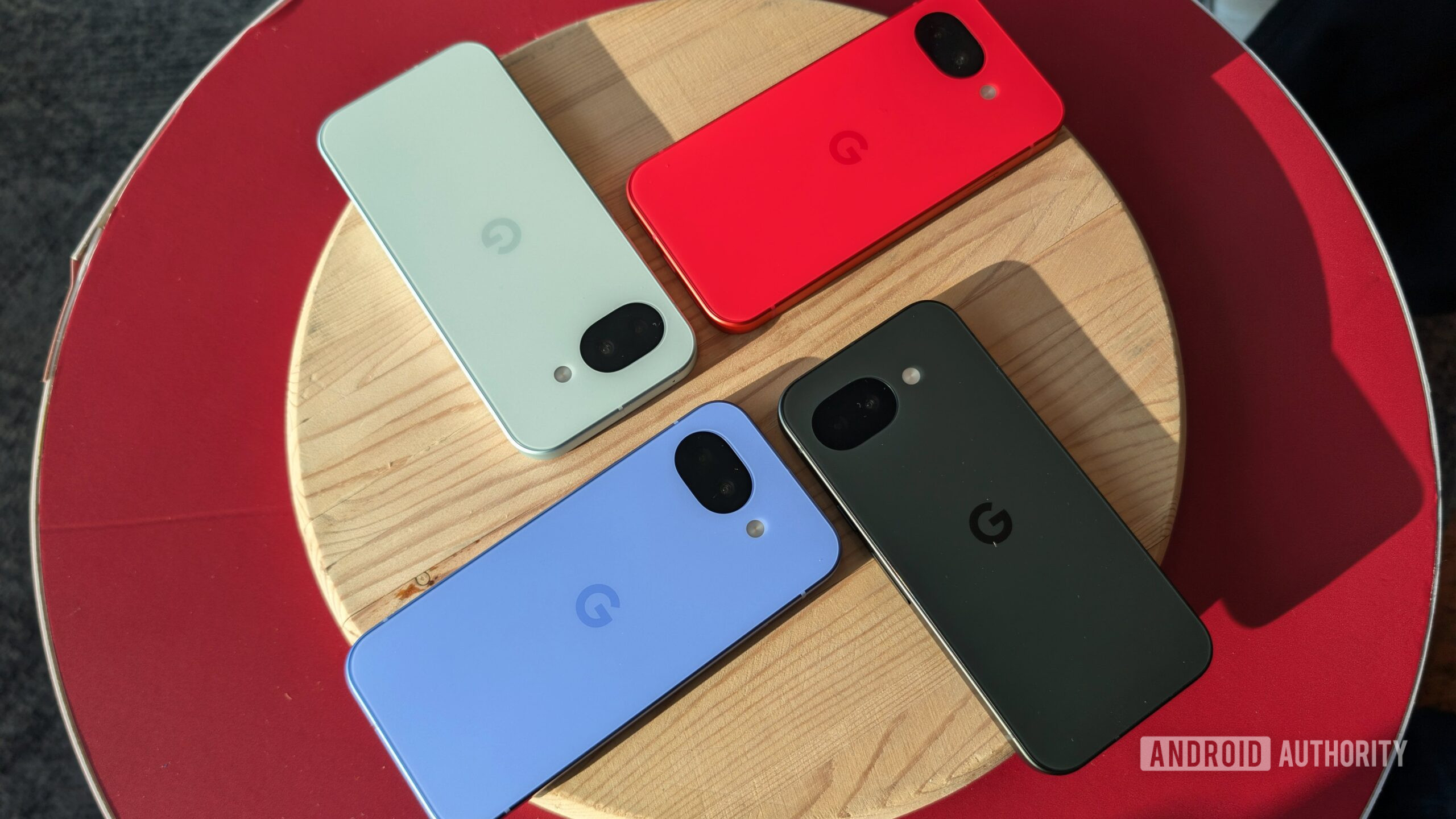
Google and Samsung's February 2026 smartphone launches represent a fundamental shift in consumer electronics retail strategy with direct implications for cross-border e-commerce sellers. The Pixel 10a ($499 USD / AUD $849 RRP) and Galaxy S26 series feature minimal hardware innovations—redesigned camera modules, new color options, and processor upgrades—yet both manufacturers are aggressively targeting users upgrading from 3-5 year old devices through boosted trade-in programs and carrier partnerships. This conservative refresh cycle reflects broader industry patterns where annual releases persist primarily for business ecosystem reasons (carrier promotional timelines, retail shelf management) rather than technological necessity.
Market Segmentation Opportunity: The news reveals a deliberate two-tier strategy. The Pixel 10a targets Galaxy S21/S22 and Pixel 4a-7a owners seeking extended software support (7-year commitment from Google) and AI features (Gemini integration, Circle to Search), while the Galaxy S26 appeals to users prioritizing processor speed and design familiarity. This segmentation directly impacts e-commerce sellers: budget-conscious buyers ($499 price point) represent a distinct purchasing behavior from premium seekers ($799+ for Pixel 10), requiring different marketing angles, inventory positioning, and fulfillment strategies across Amazon, eBay, and regional retailers.
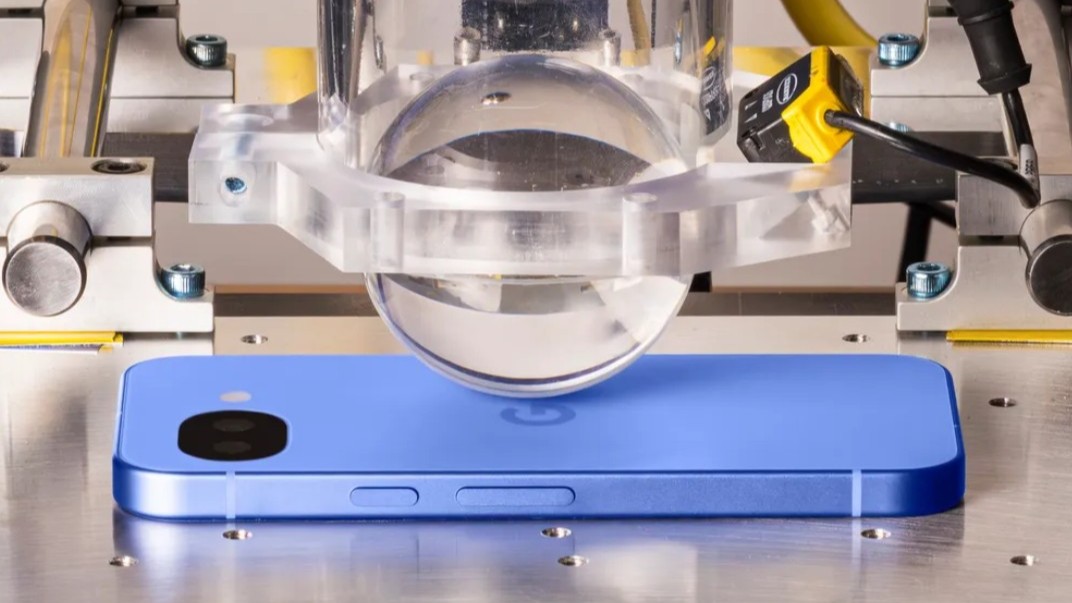
Sustainability as Competitive Differentiator: The Pixel 10a incorporates 100% recycled aluminum frames and 81% recycled plastic—the highest recycled content in any A-series phone—signaling growing consumer demand for eco-conscious electronics. This trend affects sellers' product sourcing, packaging decisions, and marketing claims. Retailers emphasizing sustainability credentials can capture environmentally-conscious demographics, particularly in EU markets where circular economy regulations increasingly influence purchasing decisions.
Trade-In Program Economics: Both manufacturers acknowledge the upgrade-ready segment through aggressive trade-in incentives rather than revolutionary features. Google Store's boosted trade-in values for Pixel 4a-7a devices create secondary market opportunities for refurbished electronics sellers. The strategy indicates manufacturers recognize that 60-70% of upgrade candidates value trade-in convenience over cutting-edge specs—a behavioral insight sellers can leverage through financing options, bundle deals, and trade-in partnerships on their platforms.
Carrier Partnership Dynamics: Samsung's reported last-minute development challenges necessitated a market launch despite incomplete features, highlighting how carrier ecosystem demands (annual release cycles, promotional calendars) override product development timelines. This creates inventory management risks for sellers: devices may receive delayed feature updates post-launch, affecting customer satisfaction and return rates. Sellers should monitor software update schedules and communicate realistic feature timelines to manage expectations.
AI Feature Democratization: The Pixel 10a brings AI capabilities (Auto Best Take, Camera Coach, voice-commanded photo editing) previously exclusive to flagship models, democratizing premium features across price tiers. This trend signals growing consumer expectations for AI integration in mid-range devices, creating opportunities for sellers to emphasize AI-powered features in product listings and marketing content to justify price premiums over older generation devices.
问题 8
What inventory management risks should sellers consider with these launches?
Samsung's reported last-minute development challenges necessitated market launch despite incomplete features, indicating devices may receive delayed feature updates post-launch. This creates customer satisfaction and return rate risks if features don't arrive as expected. Sellers should monitor software update schedules, communicate realistic feature timelines in product descriptions, and prepare for potential return spikes if promised features arrive late. Consider staggered inventory rollout aligned with confirmed feature release dates rather than launch day. Track customer reviews mentioning missing features to identify communication gaps and adjust marketing claims accordingly.
How should cross-border sellers price the Pixel 10a across different regions?
The Pixel 10a launches at $499 USD and AUD $849 RRP, representing a $350 price variance across markets. Cross-border sellers must account for currency fluctuations, import duties, and regional VAT/GST when pricing across Amazon US, Amazon AU, and other regional marketplaces. The $300 price gap between Pixel 10a ($499) and Pixel 10 ($799) represents a critical decision point for budget-conscious versus premium buyers. Consider regional purchasing power: Australian consumers pay 70% premium over US pricing, suggesting price sensitivity varies by market. Monitor competitor pricing across regions and adjust inventory allocation to highest-margin markets while maintaining competitive positioning.