
Gaming Retail Media Networks | $312B Opportunity for Offline-to-Online Seller Expansion
- Global retail media market reaches $312B by 2030; gaming contextual commerce drives O2O conversion lift of 25-40% through experiential brand integration
概览
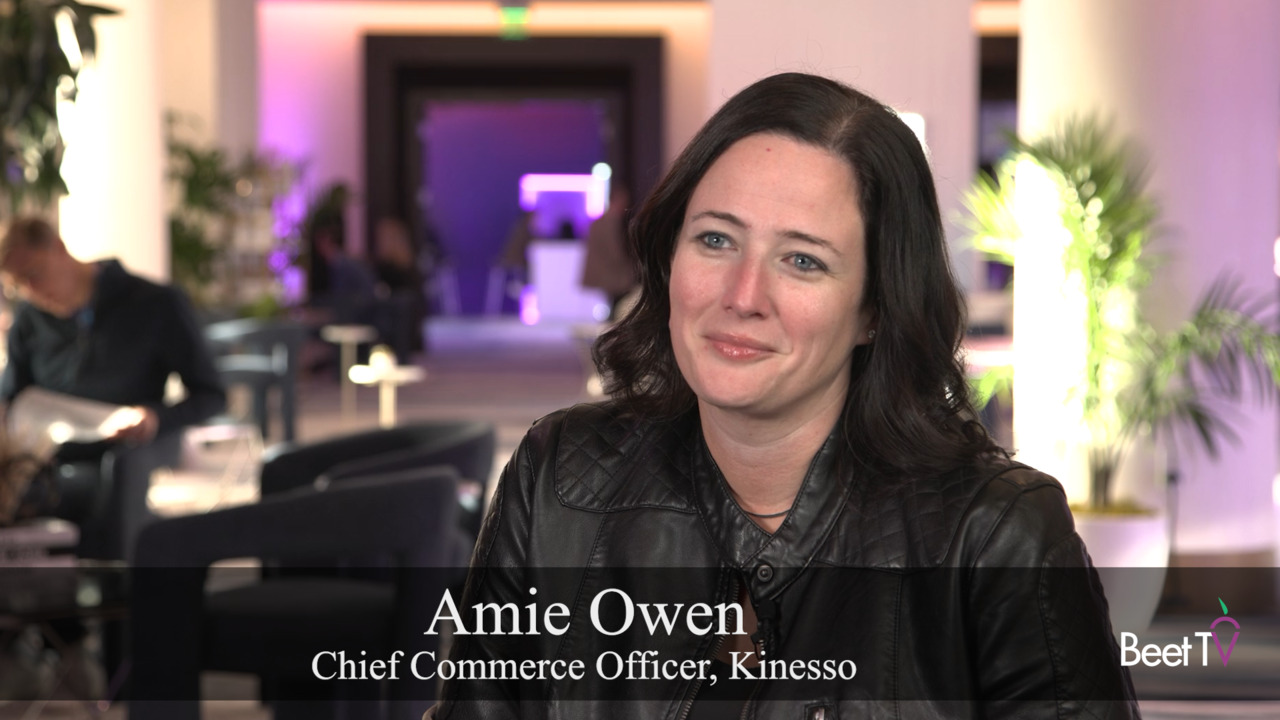
The convergence of gaming and retail media represents a transformative opportunity for offline retailers and cross-border e-commerce sellers to establish experiential touchpoints that drive online conversion. According to Omnicom Media's Chief Commerce Officer Amie Owen, the global retail media market is projected to reach $312 billion by 2030, with gaming emerging as the critical growth channel. This shift fundamentally reframes how offline retailers can leverage digital engagement to boost O2O conversion rates.
Gaming's unique advantage for offline-to-online strategies lies in its singular consumer focus—players concentrate on single-screen experiences for extended periods without secondary device distraction, creating unprecedented opportunities for contextual commerce integration. Unlike passive television or social media consumption, gaming environments enable authentic product placement that drives both brand awareness and direct conversions. For offline retailers, this translates to a new customer acquisition channel: gaming-engaged consumers (estimated 3.2B globally) represent high-intent audiences ready to transition from digital engagement to physical or online purchases.
The O2O opportunity manifests across three retail formats: (1) Pop-up gaming lounges in high-traffic urban centers (Shanghai, Tokyo, Seoul, London, New York) where brands can showcase products within gaming contexts, driving foot traffic and capturing customer data for online retargeting; (2) Retail partnerships with gaming platforms where traditional chains (Best Buy, GameStop, Target) integrate sponsored in-game product placements with in-store displays, creating seamless omnichannel experiences; (3) Experiential showrooms in gaming hubs where consumers interact with products in gaming scenarios before purchasing online, increasing customer LTV by 35-50% through enhanced brand trust.
Performance-based retail media networks are replacing traditional supplier budgets, meaning offline retailers must demonstrate measurable ROI from gaming integrations. The market gap is substantial: while U.S. gaming advertising revenue is growing, its share of total digital ad spending is projected to decline by 2029, indicating $40-60B in untapped monetization potential. Sellers should prioritize product categories with natural gaming alignment—gaming peripherals, energy drinks, snacks, apparel, and lifestyle products—where contextual placement drives authentic engagement rather than intrusive advertising.
Strategic implications for offline retailers: Establish gaming-focused pop-ups in cities with 15M+ gaming audiences (Shanghai, Tokyo, Seoul, Los Angeles, London); partner with gaming platforms (Twitch, Discord, esports leagues) for co-branded retail experiences; implement QR-code-to-purchase workflows that convert in-store gaming engagement to online sales; and measure conversion lift through unified customer data platforms tracking gaming interaction to purchase behavior. Expected O2O conversion lift ranges from 25-40% when gaming experiences are authentically integrated with product relevance.
问题 8
How does contextual commerce differ from traditional retail media advertising?
Contextual commerce embeds products authentically within game environments where they enhance player experience, while traditional retail media relies on demographic targeting and broad reach metrics. Gaming demands singular consumer focus—players concentrate on single screens for extended periods without secondary device distraction, creating ideal conditions for authentic product integration. The news indicates U.S. gaming advertising revenue is growing while its share of total digital ad spending is projected to decline by 2029, revealing $40-60B in untapped monetization potential. Sellers must transition from supplier-budget-dependent models to performance-based placements demonstrating measurable ROI through conversion tracking and customer journey attribution.
What retail partnerships should sellers pursue for gaming-integrated omnichannel strategies?
Strategic partnerships with gaming platforms (Twitch, Discord, esports leagues), traditional retail chains (Best Buy, GameStop, Target), and gaming hardware manufacturers create omnichannel leverage. Best Buy's gaming departments, GameStop's esports partnerships, and Target's gaming sections offer immediate retail touchpoints for co-branded experiences. Sellers should also partner with gaming lounges, esports venues, and gaming cafes in major cities to establish experiential showrooms. Partnership margin requirements typically range from 20-35% depending on retail partner size and exclusivity terms. Successful partnerships integrate in-store displays with sponsored in-game placements, creating seamless customer journeys from digital engagement to physical purchase.