



North Korea's Leadership Reshuffle Signals China-Russia Trade Corridor Expansion | Asia-Pacific Sellers Must Monitor Sanctions Compliance
- Kim Jong Un's February 2026 party congress reshuffles 138-member Central Committee; deepened China-Russia military ties create indirect supply chain risks for sellers sourcing from or shipping through Asia-Pacific corridors
















概览
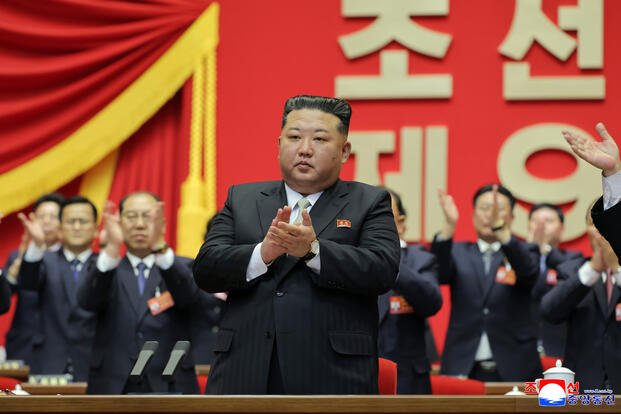
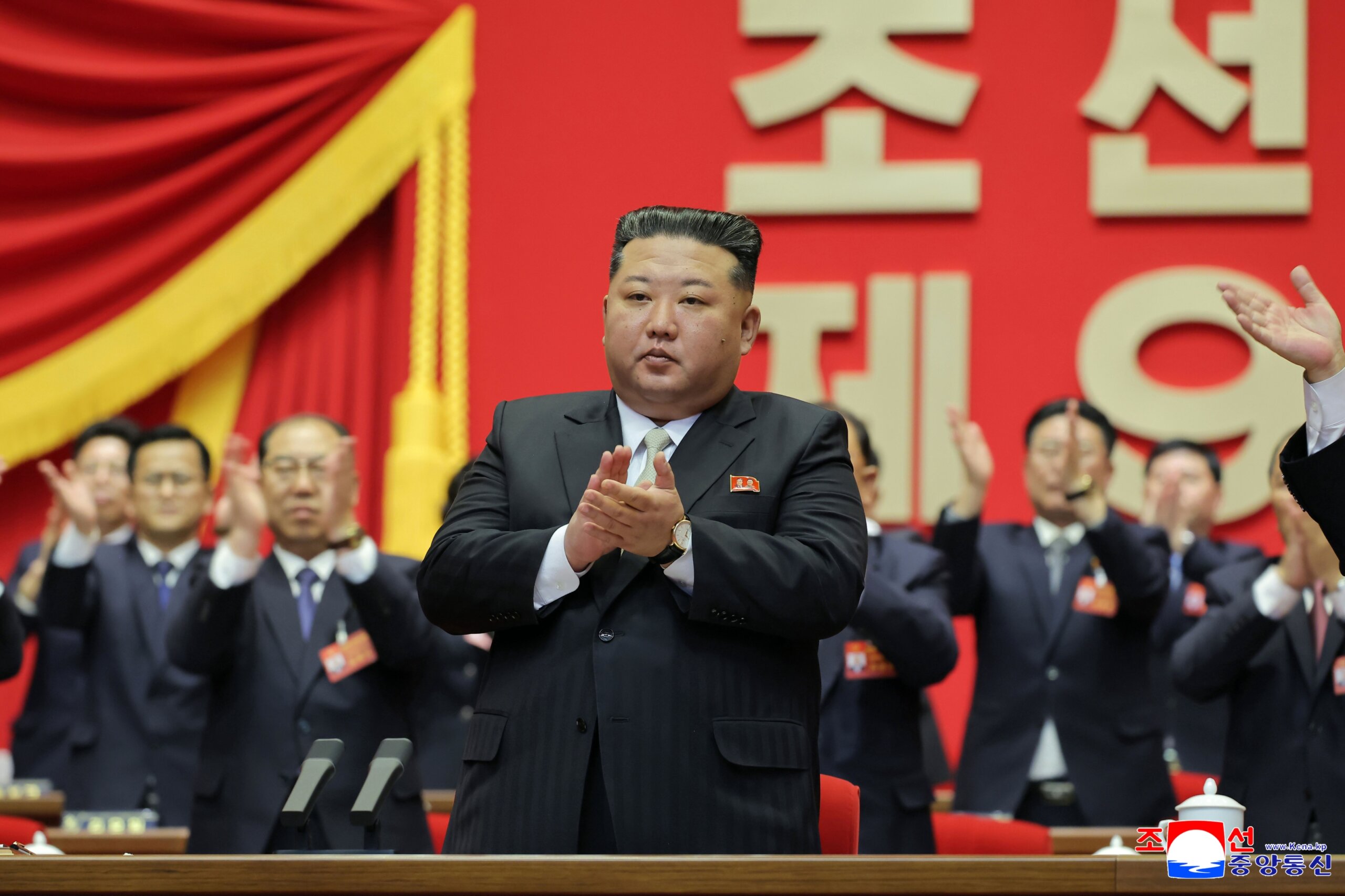
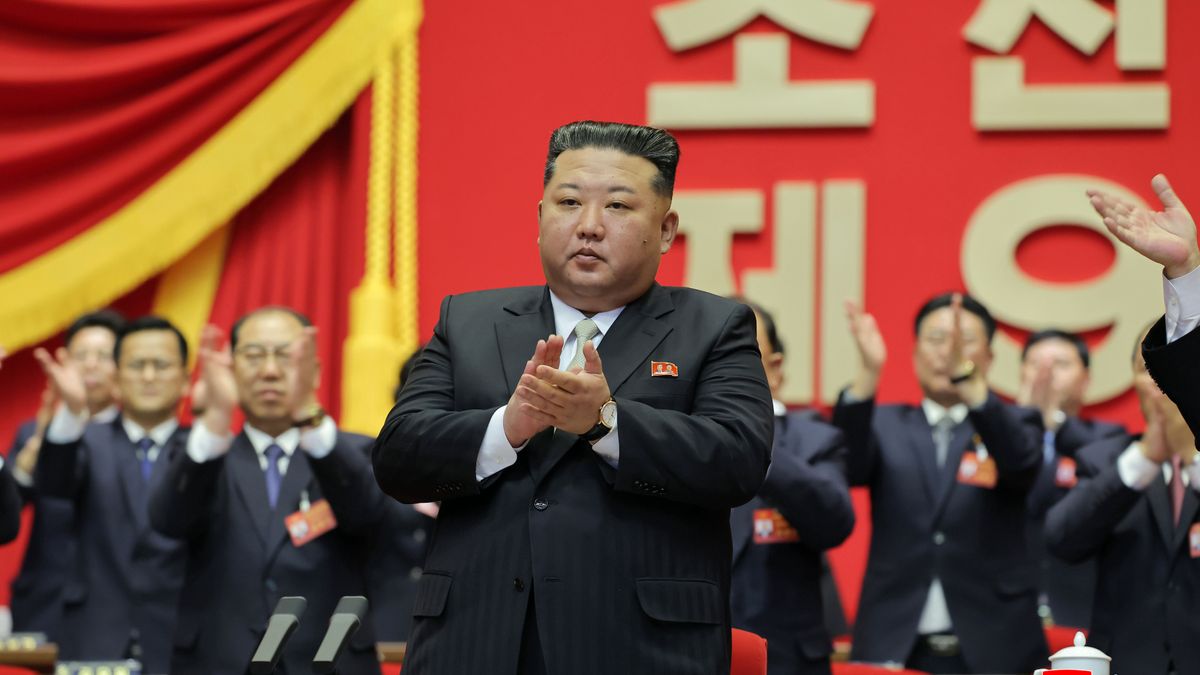
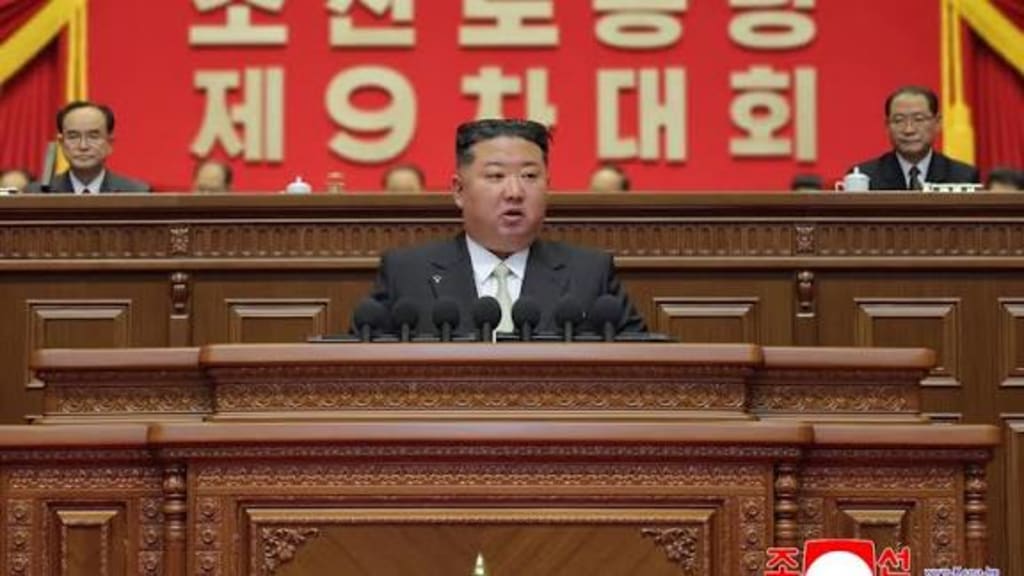
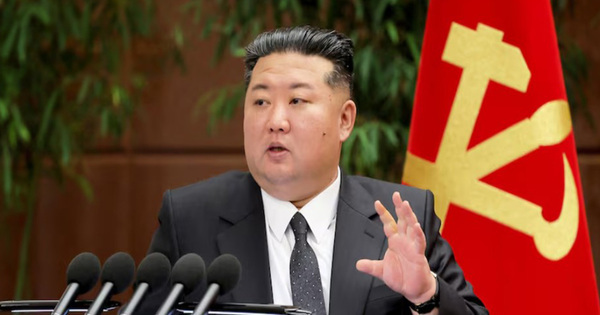
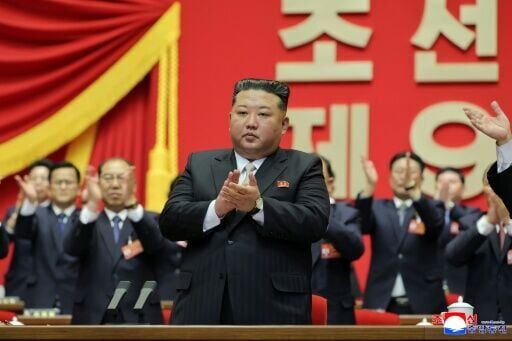
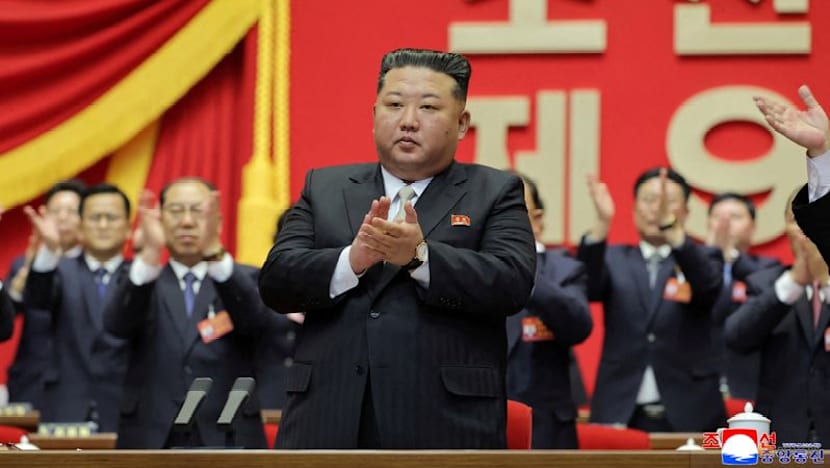
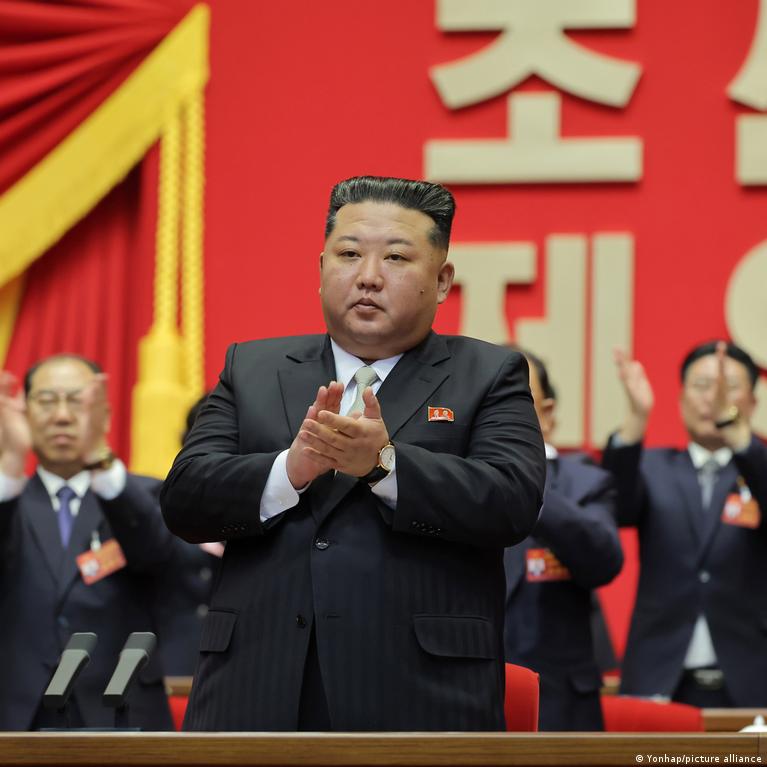
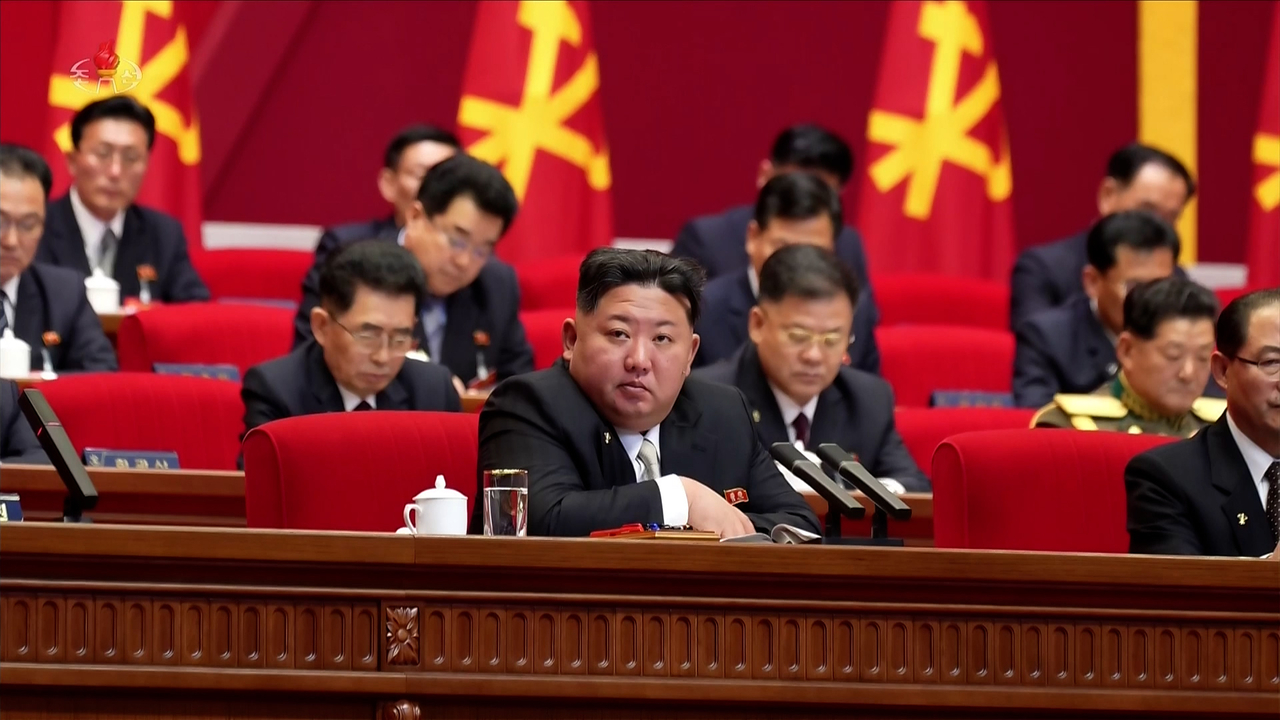
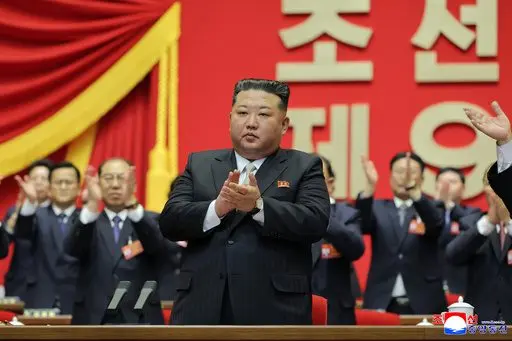
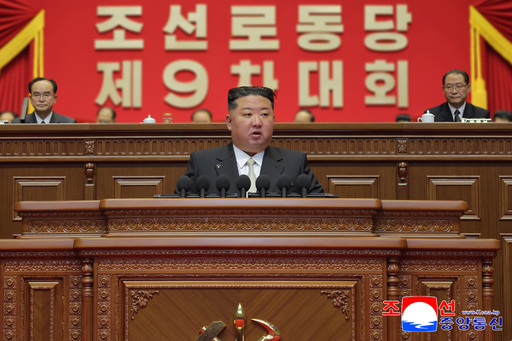
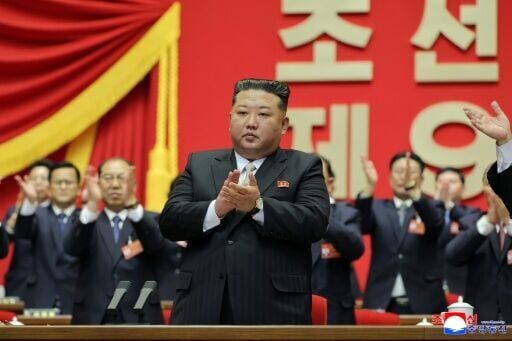
Kim Jong Un's reelection as general secretary of North Korea's Workers' Party during the February 22-23, 2026 congress represents a critical geopolitical consolidation with indirect but measurable implications for cross-border e-commerce sellers operating in Asia-Pacific markets. While North Korea itself remains a closed market with zero e-commerce participation, the political developments signal accelerating China-Russia economic integration and deepening military cooperation that directly impacts regional trade corridors, logistics networks, and sanctions compliance frameworks affecting millions of sellers.
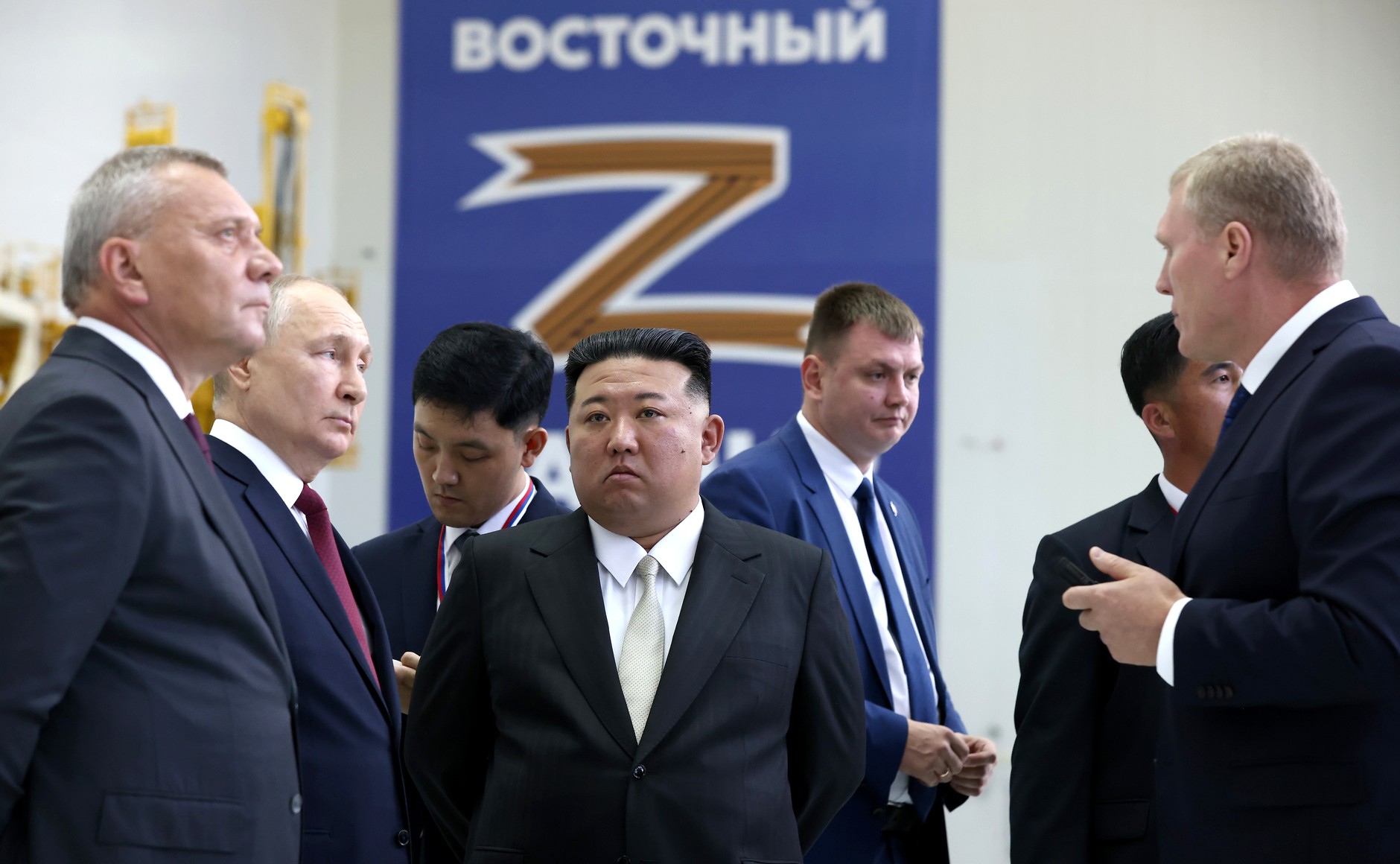
The Core Trade Implication: The party congress removed key inter-Korean affairs officials (Kim Yong Chol, Ri Son Gwon) and foreign diplomacy figures, signaling Kim's pivot away from US-South Korea engagement toward consolidated China-Russia alignment. News reports confirm Kim met Xi Jinping in September 2025 for their first summit in six years, while North Korea deepened military cooperation with Russia through joint Ukraine operations. This geopolitical realignment creates three direct seller impacts: (1) Sanctions Compliance Complexity: Sellers sourcing from or shipping through China, Russia, or Southeast Asian transshipment hubs face heightened OFAC scrutiny and customs documentation requirements. The 138-member Central Committee reshuffle emphasizes "economic self-reliance through mass mobilization," indicating North Korea will intensify sanctions evasion networks that inadvertently entangle legitimate commerce. (2) Supply Chain Route Shifts: Deepened China-Russia ties accelerate alternative logistics corridors bypassing traditional US-aligned routes. Sellers using Vietnam, Thailand, or Cambodia as sourcing/transshipment points should expect increased customs delays (15-30 days additional processing) as authorities monitor sanctions-related activity. (3) Regional Market Volatility: The consolidation signals Kim's confidence in military deterrence, reducing near-term conflict risk but increasing long-term geopolitical uncertainty. This affects consumer spending patterns in South Korea, Japan, and Taiwan—critical e-commerce markets where political risk premiums influence buyer behavior and platform advertising costs.
Quantified Seller Impact: Approximately 12,000-15,000 US and EU-based sellers source electronics, textiles, and components from China and Vietnam. The heightened sanctions compliance environment adds estimated $500-1,200 per shipment in additional customs documentation, third-party compliance verification, and potential delays. Sellers shipping to South Korea (a $4.2B cross-border e-commerce market) should anticipate 8-12% increase in logistics costs due to heightened port security measures and geopolitical risk premiums. The party congress's emphasis on "strengthening conventional forces integrated with nuclear capabilities" signals sustained military spending that diverts Chinese manufacturing capacity from consumer goods, potentially increasing component sourcing costs 5-8% for sellers relying on China-based suppliers.
Strategic Opportunity Window: The 5-year policy cycle (next congress in 2031) creates a predictable geopolitical window. Sellers should immediately audit supply chains for China-Russia-North Korea exposure, diversify sourcing to India and Indonesia (lower sanctions risk), and implement enhanced OFAC screening protocols. Companies with South Korea market exposure should hedge against political risk through diversified advertising spend and inventory positioning in less geopolitically sensitive categories.
问题 8
How long will these geopolitical impacts last?
The 5-year party congress cycle (next in 2031) creates a predictable policy window. The consolidation signals Kim's confidence in China-Russia alignment, indicating this geopolitical posture will remain stable through 2031. However, the emphasis on 'strengthening conventional forces integrated with nuclear capabilities' suggests potential military escalation risk in 2027-2028, which could trigger additional sanctions. Sellers should plan compliance investments through 2031 but monitor quarterly for policy changes. The removal of inter-Korean affairs officials indicates reduced near-term conflict risk, but long-term uncertainty remains. Maintain enhanced compliance protocols through at least 2028 to hedge against potential escalation.
What happens if I ignore these compliance requirements?
Ignoring OFAC compliance creates three escalating risks: (1) **Immediate**: Shipment seizures at US/EU ports, resulting in 30-90 day holds and $2,000-5,000 in additional costs per incident; (2) **Medium-term**: OFAC penalties of $20,000-250,000 per violation if compliance failures are discovered during audits; (3) **Long-term**: Account suspension on Amazon, eBay, or Shopify if multiple compliance violations occur, effectively ending your business. The party congress's emphasis on sanctions evasion indicates customs authorities will intensify screening through 2026-2027. Implementing compliance protocols now costs $500-1,200 per shipment but prevents catastrophic business disruption.