



Global Tariff Escalation to 15% | Margin Compression for Cross-Border Sellers
- 150-day implementation window creates 5-15% profit margin pressure on China-sourced products; sellers must act immediately on pricing and supply chain diversification


































概览
Trump's 15% Global Tariff Escalation Reshapes Cross-Border E-Commerce Economics
On February 22, 2026, President Trump raised global tariff rates from 10% to 15% despite Supreme Court constraints, creating an immediate operational crisis for cross-border sellers. This uniform tariff applies across U.S. allies and adversaries within a 150-day implementation window (through mid-July 2026), fundamentally altering the cost structure for sellers importing from China and other manufacturing hubs. The policy escalation directly impacts the $2.1 trillion global cross-border e-commerce market, with sellers sourcing from Asia facing 5-15% profit margin compression depending on product category and current tariff classifications.
Immediate Financial Impact on Seller Margins and Pricing Strategy
For sellers importing finished goods from China—the dominant sourcing region for electronics, apparel, home goods, and consumer products—the tariff increase translates to concrete cost increases. A seller importing $100,000 in monthly inventory from China now faces an additional $5,000-15,000 in tariff costs, depending on product HS codes and current duty rates. Electronics sellers (HS codes 8471-8517) typically operate on 25-35% gross margins; a 5% tariff increase reduces margins to 20-30%, forcing immediate price increases that risk Buy Box loss on Amazon and eBay. Apparel sellers (HS codes 6204-6209) with 40-50% gross margins face 35-45% margins post-tariff, still manageable but requiring 3-8% retail price increases to maintain profitability. Home goods and furniture sellers (HS codes 9401-9406) with 30-40% margins compress to 25-35%, necessitating aggressive repricing or inventory liquidation.
Strategic Sourcing Diversification Creates Competitive Advantages
The tariff escalation accelerates a critical shift in global sourcing patterns. Sellers with diversified supply chains—sourcing 40-60% from Vietnam, India, Indonesia, and Mexico—face significantly lower tariff exposure than China-dependent competitors. Vietnam benefits from preferential trade agreements and lower baseline tariffs on textiles and electronics; India offers cost advantages in apparel and home goods; Mexico provides proximity advantages for North American sellers. Sellers who can shift 20-30% of China sourcing to these regions within the 150-day window gain 2-4% margin advantages over competitors locked into China sourcing. This creates a 6-12 month window where agile sellers can establish alternative supply chains before competitors catch up, potentially capturing market share through competitive pricing.
Cryptocurrency Volatility and Payment Processing Costs
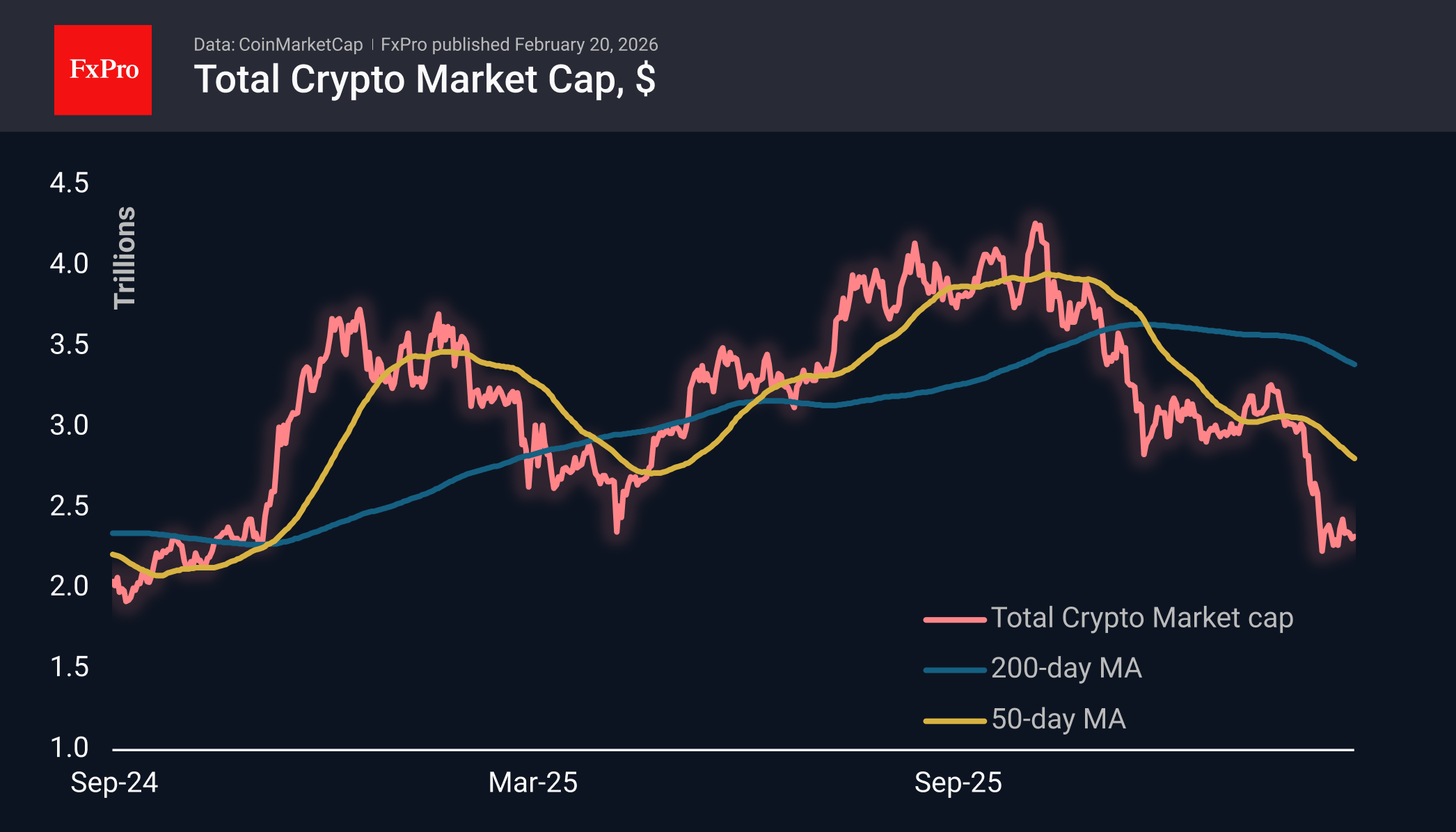
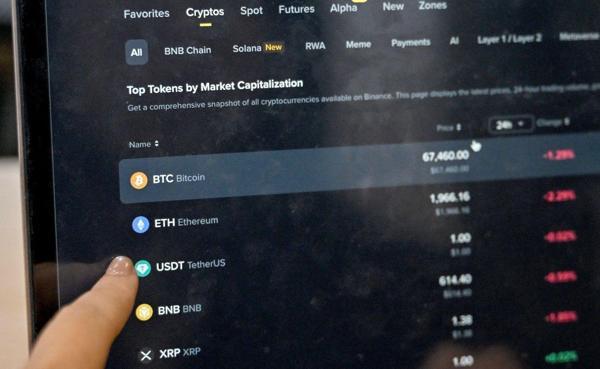
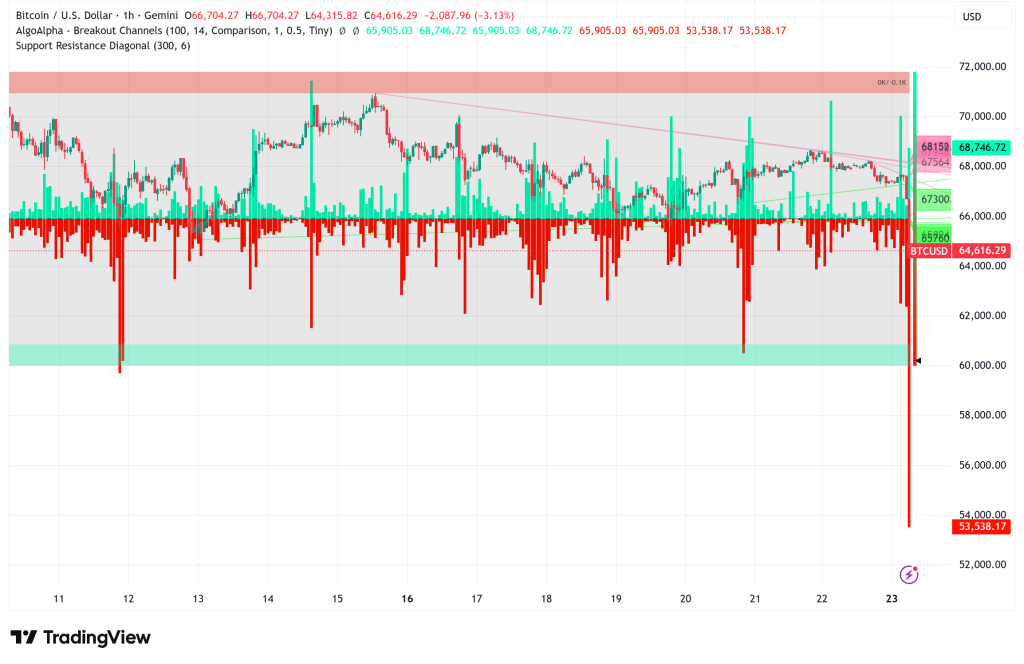
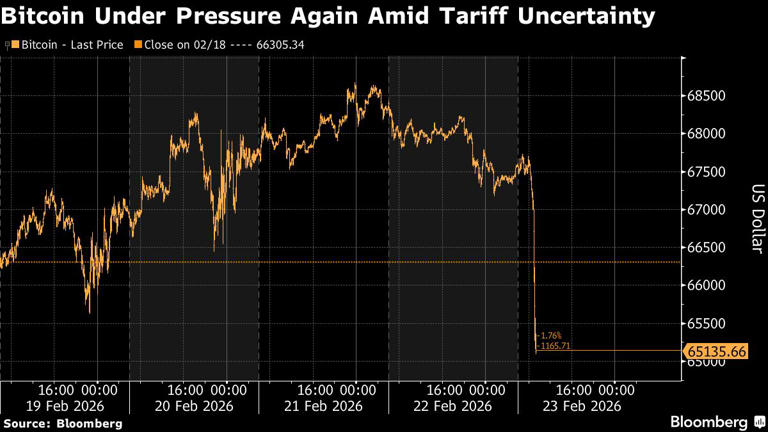
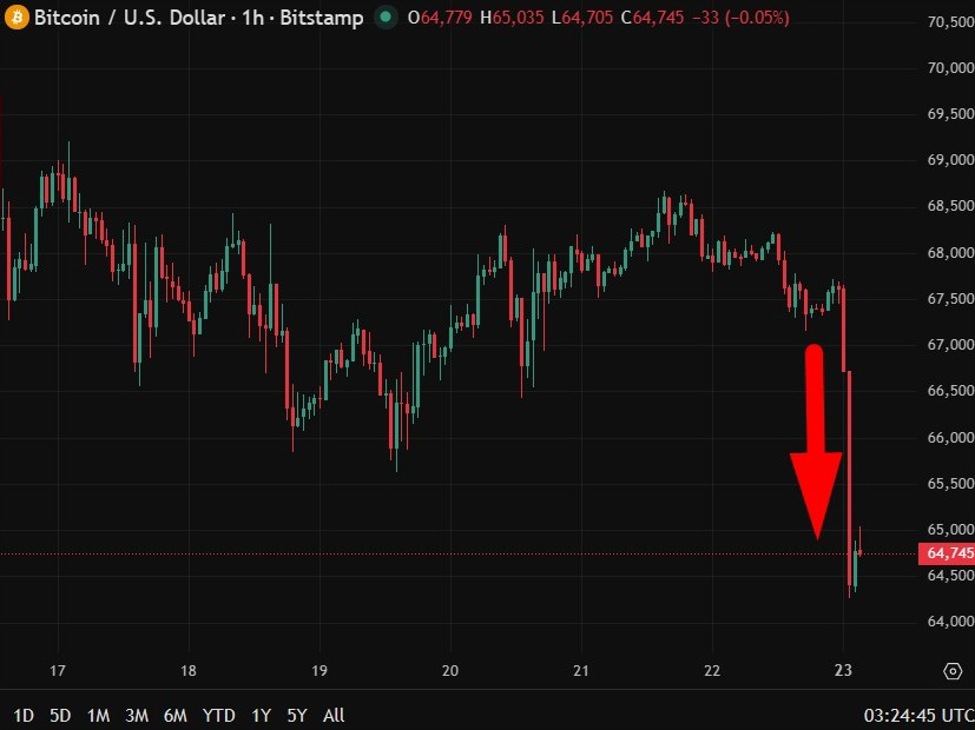
The tariff uncertainty driving Bitcoin's 26% year-to-date decline (from $125,000 in October 2025 to $64,300 in February 2026) creates secondary impacts on cross-border sellers using cryptocurrency for payments and hedging. Sellers accepting Bitcoin or stablecoins for international transactions face 4-8% conversion volatility, increasing payment processing costs by $200-500 monthly for sellers with $50,000+ monthly transaction volumes. The broader market uncertainty—reflected in Ether's 5.2% decline and Dogecoin's 11% weekly drop—indicates investor flight to safety, reducing liquidity in crypto payment channels. Sellers relying on crypto for cross-border payments should immediately diversify to traditional payment processors (Wise, PayPal, Stripe) to lock in exchange rates and avoid volatility-driven cost increases.
问题 8
How should I adjust my Amazon FBA and eBay seller strategies for tariff increases?
On Amazon Seller Central, update your cost of goods sold (COGS) immediately to reflect tariff increases, which automatically adjusts profitability metrics and Buy Box eligibility calculations. Increase prices 3-8% on products with tariff exposure, starting with high-margin ASINs. Monitor your IPI (Inventory Performance Index) closely—tariff-driven price increases may reduce sales velocity, risking IPI penalties. On eBay, use the Seller Central pricing tools to implement category-wide price increases of 3-5%. Both platforms reward sellers with consistent pricing and low return rates; implement tariff increases gradually over 2-3 weeks rather than sudden jumps to minimize return rate increases.
What compliance and legal risks should I monitor regarding tariff policy changes?
The Supreme Court recently invalidated Trump's earlier emergency tariff measures, creating legal ambiguity around the 15% global tariff. Monitor trade.gov and USTR.gov for policy updates—tariff rates could change if courts challenge the new policy. Maintain detailed records of tariff payments and supplier invoices for potential refund claims if rates are reduced. European lawmakers are signaling hesitation over the Turnberry Agreement, potentially creating alternative trade corridors. Consider consulting a customs broker or trade attorney if your business imports over $500,000 annually to ensure compliance and identify tariff reduction opportunities through duty drawback programs or tariff classification appeals.