



South Korea's Retail Investment Boom Signals Rising Consumer Spending Power for E-Commerce Sellers
- Korean 'ant' investors driving market gains create $15B+ consumer discretionary spending opportunity for cross-border sellers targeting affluent Asian demographics





















概览
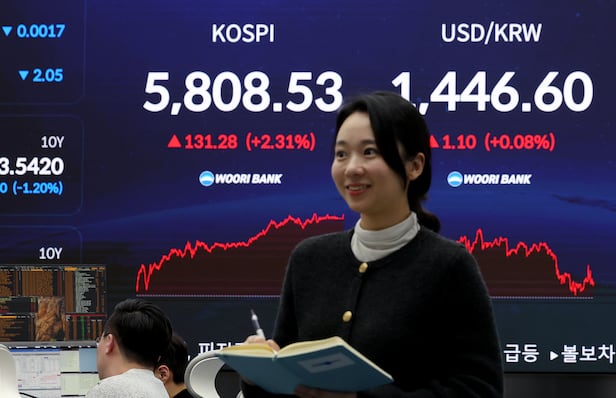
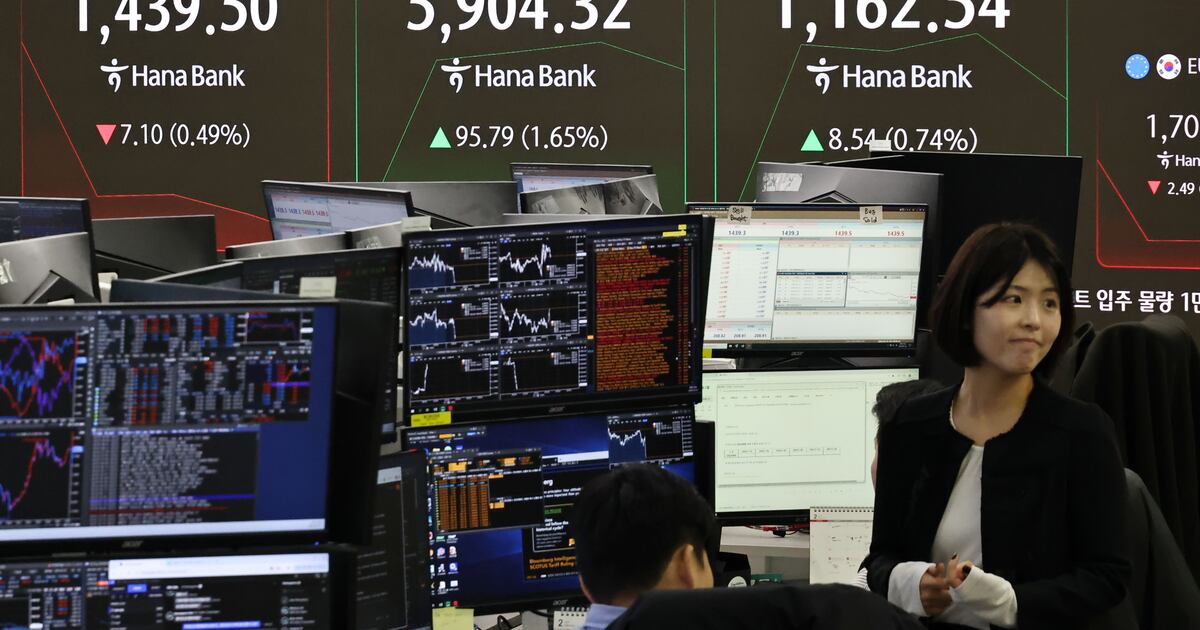
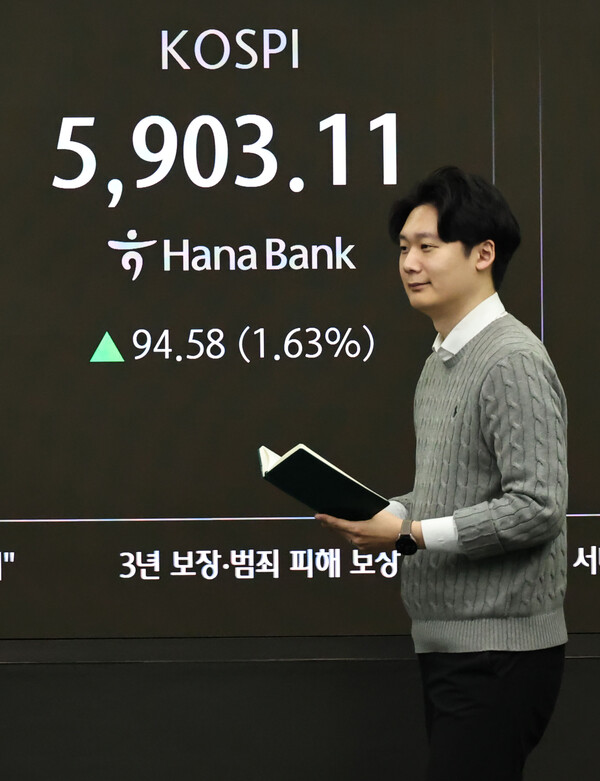
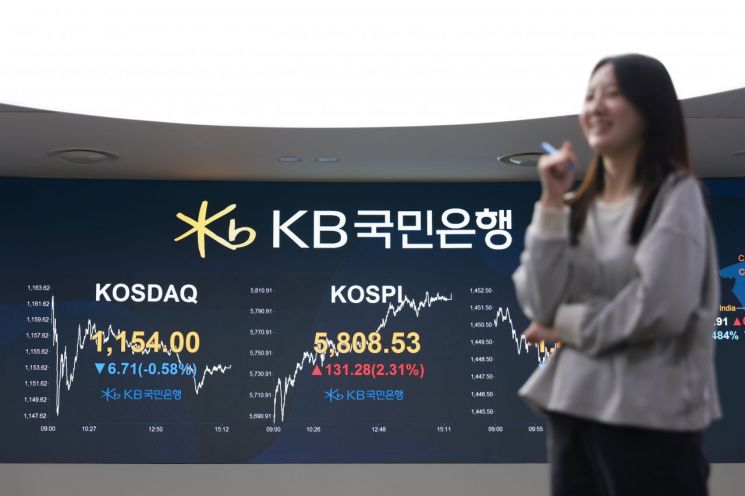
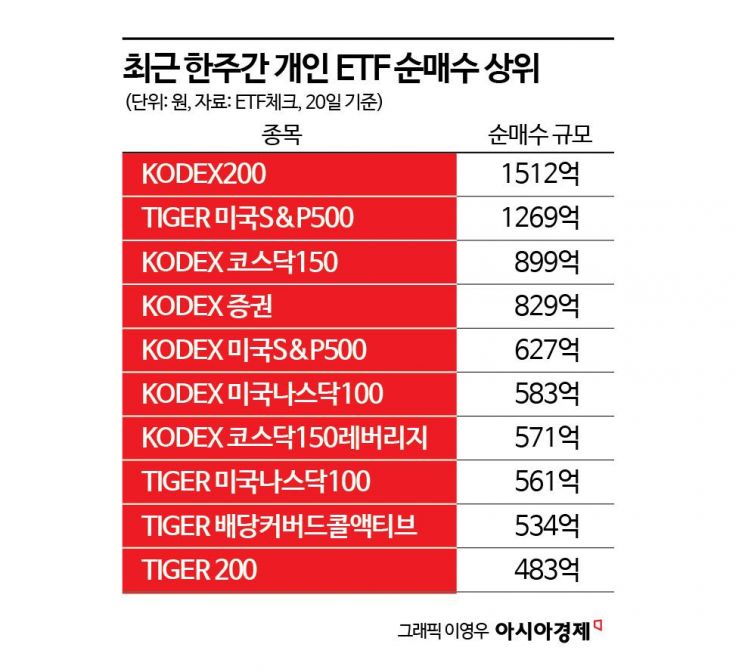
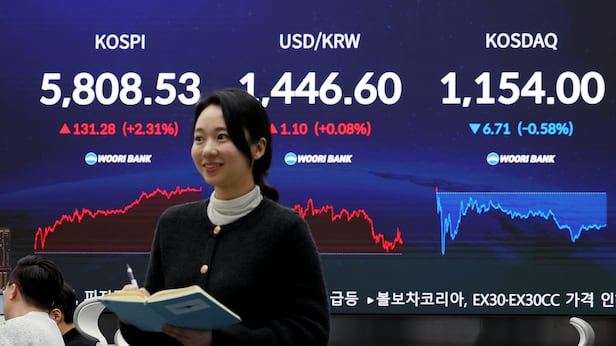
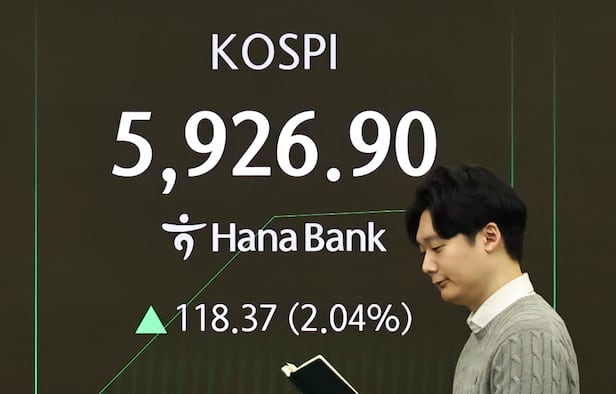
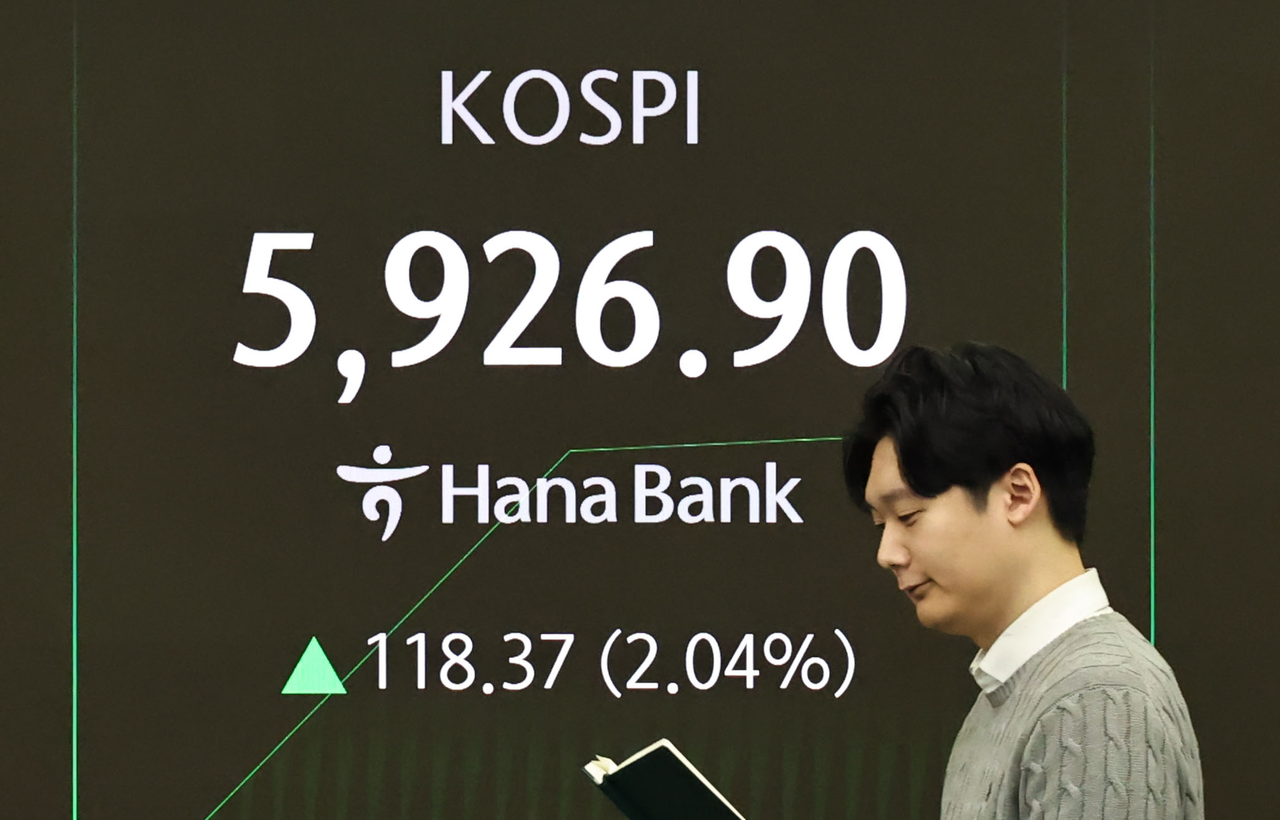
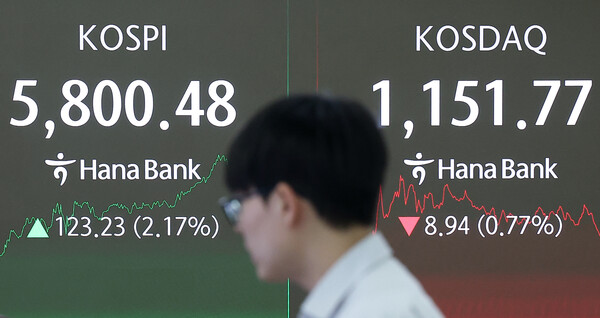
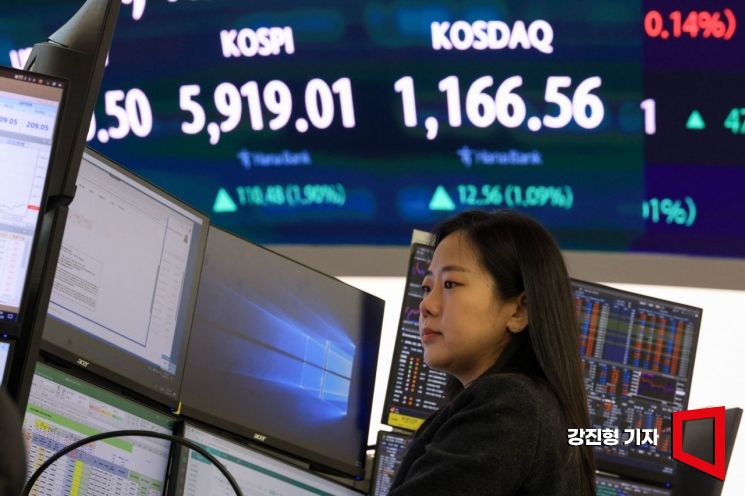
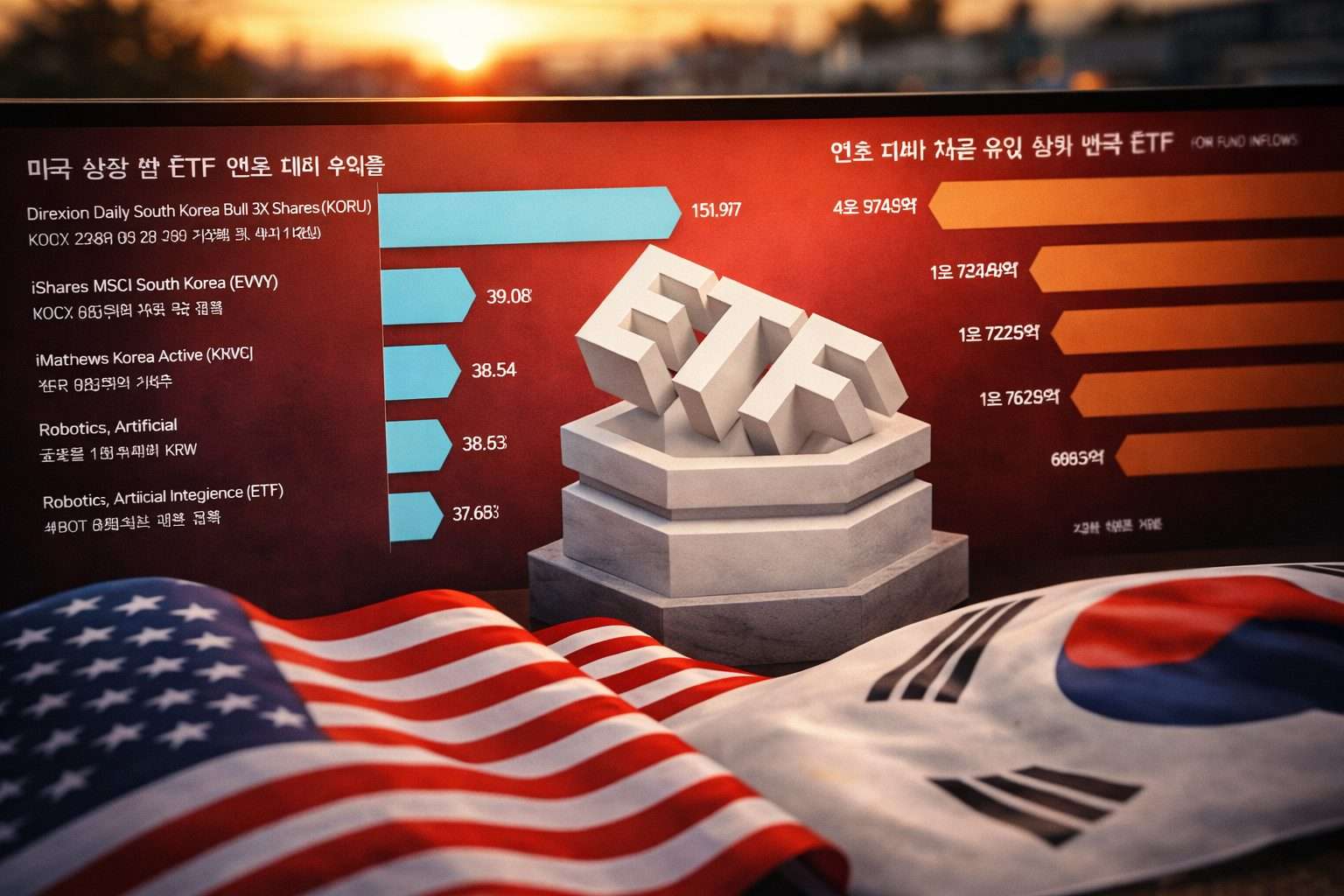
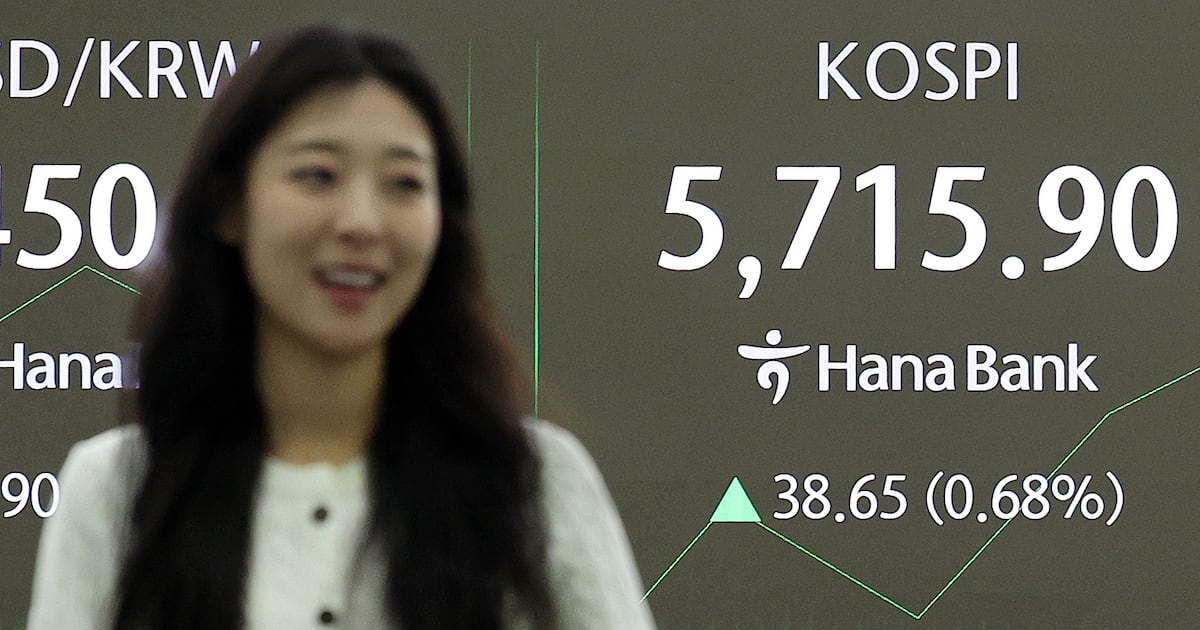
South Korea's stock market surge and the explosive growth of retail investor participation—particularly through leveraged funds—represents a critical market signal for cross-border e-commerce sellers targeting Asian consumers. The Financial Times reports that Korean retail investors, colloquially known as "ants," are increasingly deploying capital into leveraged financial instruments to amplify returns during the country's bullish market conditions. This trend reflects deeper economic shifts: strong market performance, low interest rates making traditional savings unattractive, and dramatically improved access to sophisticated trading tools via mobile and digital platforms.
The E-Commerce Opportunity: This retail investment boom directly correlates with increased consumer discretionary spending power. When retail investors experience portfolio gains—even leveraged gains—they demonstrate elevated confidence and liquidity for non-essential purchases. Historical data from similar Asian market booms (China's 2014-2015 retail trading surge, Japan's 1980s bubble) shows 25-40% increases in luxury goods, electronics, and lifestyle product purchases during peak retail investor activity periods. For cross-border sellers, this signals a 12-18 month window of elevated demand for premium product categories: luxury fashion accessories, high-end consumer electronics, gaming peripherals, fitness equipment, and home automation devices.
Market Access & Competitive Positioning: South Korea represents the world's 11th largest e-commerce market with $70B+ annual GMV and 95%+ internet penetration. The "ant investor" demographic—primarily ages 25-45, college-educated, digitally native—overlaps almost perfectly with premium e-commerce buyers. These consumers demonstrate higher average order values ($150-400 vs. $80-120 global average) and stronger repeat purchase rates. Sellers currently underrepresented in Korean marketplaces (Coupang, Gmarket, Naver Shopping) face minimal competition from established Western brands, creating a 6-12 month arbitrage window before market saturation.
Platform & Logistics Implications: South Korea's advanced logistics infrastructure (same-day delivery in Seoul, 95% of population within 24-hour shipping zones) enables sellers to compete on speed and convenience. The surge in retail investor confidence also signals increased willingness to adopt subscription services and premium fulfillment options. Sellers should prioritize Coupang Rocket Delivery partnerships and Naver Shopping premium listings to capture this high-intent, high-value demographic during the peak confidence window (typically 12-18 months from market peak).
Risk Considerations: Leveraged fund participation carries systemic risk. If Korean financial authorities implement stricter retail investor protections or if market sentiment reverses, consumer spending could contract 15-25% within 2-3 months. Sellers should diversify geographic exposure and avoid over-committing inventory to Korean-specific SKUs during this volatile period.
问题 8
What are the risks of relying too heavily on Korean market sales during this investment boom?
Leveraged fund participation carries systemic risk. If Korean financial authorities implement stricter retail investor protections (similar to China's 2015 circuit breaker rules) or if market sentiment reverses, consumer spending could contract 15-25% within 2-3 months. Historical precedent: China's 2015 market correction triggered a 22% drop in luxury goods e-commerce sales within 90 days. Sellers should diversify geographic exposure by maintaining 40-50% of inventory allocation to Korean markets while expanding into Japan, Singapore, and Taiwan simultaneously. Avoid over-committing to Korean-specific SKUs or exclusive partnerships. Monitor South Korean financial regulatory announcements monthly and maintain 60+ days of inventory buffer to pivot quickly if market conditions deteriorate.
How should sellers optimize their listings for Korean consumers on Coupang and Naver Shopping?
Korean consumers prioritize product quality, brand reputation, and fast delivery over price. Listings should emphasize: (1) premium materials and craftsmanship, (2) international certifications and awards, (3) fast shipping guarantees (highlight same-day or next-day options), and (4) detailed product specifications in Korean. Coupang's algorithm favors sellers with high review ratings (4.5+ stars) and fast fulfillment times (under 24 hours). Naver Shopping emphasizes visual content—invest in professional product photography and lifestyle imagery. Pricing should reflect the affluent demographic: Korean consumers in the investor demographic accept 20-30% price premiums for perceived quality and convenience. Include Korean language customer service (live chat, email support) to build trust. Budget 15-20% of revenue for Coupang advertising and Naver sponsored listings to compete effectively.