


Gaza Reconstruction Diplomacy Signals Major EU Trade & Supply Chain Shifts | Cross-Border Sellers
- EU's divided stance on Gaza reconstruction creates 27-nation policy fragmentation affecting Middle East trade corridors and logistics for 50K+ cross-border sellers
概览
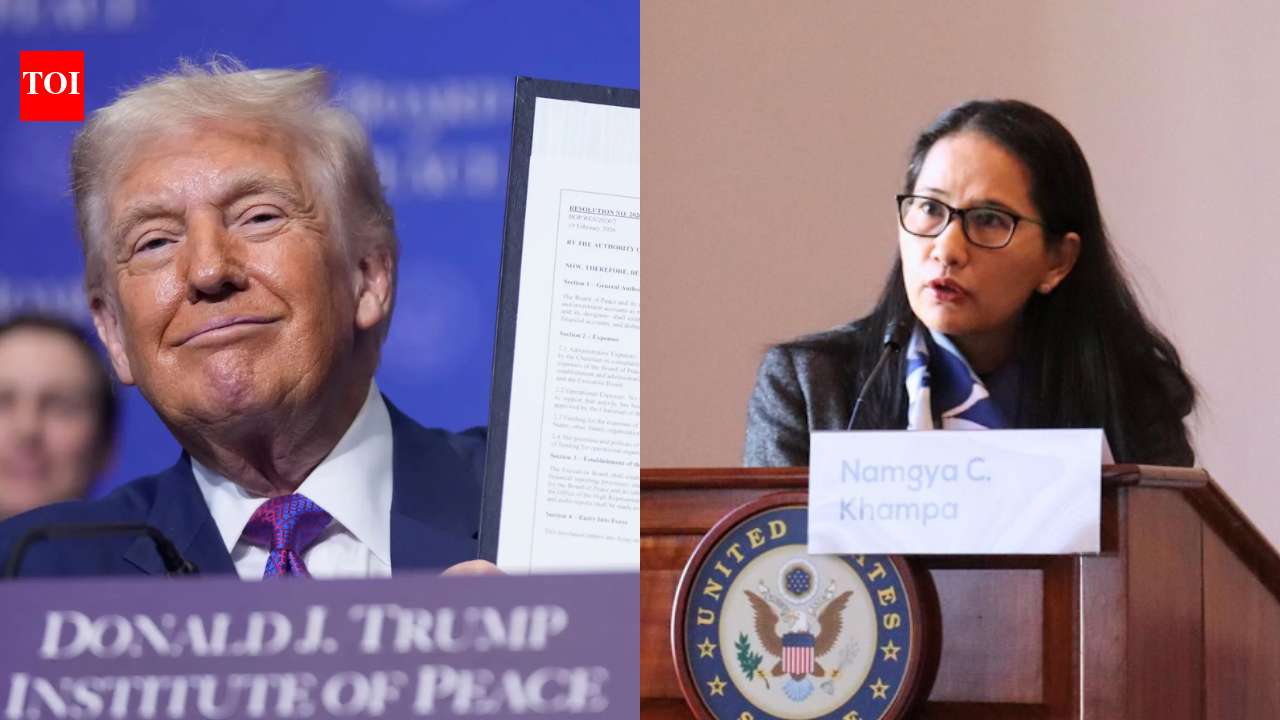
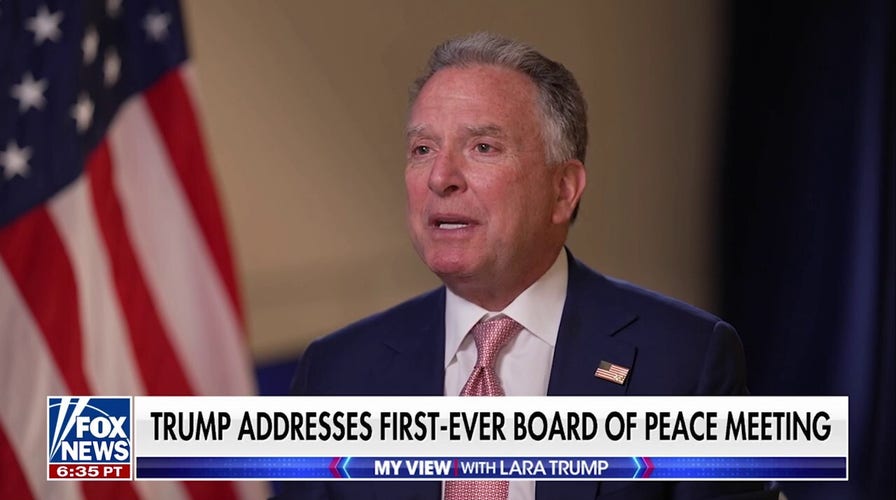
The EU's diplomatic engagement with Trump's Board of Peace initiative regarding Gaza reconstruction represents a critical geopolitical inflection point with direct implications for cross-border e-commerce sellers operating in European and Middle Eastern markets. The Brussels meeting between EU foreign policy chief Kaja Kallas and Nikolay Mladenov (Trump's Board of Peace director) on Monday reveals fundamental divisions within the 27-nation bloc—with Hungary and Bulgaria as full board members, 12 additional nations sending observers to the Washington inaugural meeting, while prominent leaders like Emmanuel Macron and Ursula von der Leyen declined participation. This fragmentation signals potential regulatory divergence across EU member states regarding trade with Palestinian territories and reconstruction-related commerce.
The operational impact for cross-border sellers is substantial. The EU's role as the primary financial supporter of Palestinian institutions and its oversight of the Rafah border crossing means any reconstruction framework will reshape logistics corridors, customs procedures, and trade compliance requirements. Sellers currently shipping to Middle Eastern markets through EU distribution hubs face uncertainty regarding tariff classifications, VAT treatment, and customs documentation for goods destined to Gaza reconstruction projects. The controversy over Von der Leyen's decision to send observer Dubravka Šuica—criticized by French Foreign Minister Jean-Noël Barrot as violating EU regulations—indicates institutional disagreement on how member states should coordinate trade policy. This regulatory ambiguity creates compliance risks for sellers managing inventory across multiple EU jurisdictions.
Market opportunity emerges from reconstruction demand. Trump's Board of Peace ambitions extend beyond immediate ceasefire to include establishing a "futuristic metropolis model," signaling potential infrastructure and consumer goods demand. Sellers specializing in construction materials, home furnishings, consumer electronics, and building supplies should monitor reconstruction tender announcements and EU funding mechanisms. The EU's commitment to Palestinian institution support suggests sustained demand for office equipment, educational materials, and healthcare products. However, limited ceasefire progress to date indicates timing uncertainty—sellers should prepare supply chains for rapid scaling once diplomatic breakthroughs occur, rather than committing inventory immediately.
Regional trade dynamics create both risks and opportunities. The 12 EU observer nations (Austria, Croatia, Cyprus, Czech Republic, Finland, Germany, Greece, Italy, Netherlands, Poland, Romania, Slovakia) represent diverse trade relationships with Middle Eastern partners. Sellers operating in these markets must anticipate potential policy divergence—some nations may accelerate reconstruction trade while others maintain cautious approaches. The ongoing Ukraine war context mentioned in the diplomatic agenda suggests EU sanctions policy may influence broader Middle Eastern trade frameworks, affecting shipping routes, payment processing, and supplier relationships for sellers with exposure to Russian or sanctioned-adjacent supply chains.
问题 8
What geopolitical risks should sellers consider regarding Middle East trade?
The diplomatic agenda includes ongoing Ukraine war concerns and potential additional Russian sanctions, indicating EU trade policy may extend beyond Gaza to broader Middle Eastern relationships. Sellers with supply chain exposure to Russia or sanctioned-adjacent suppliers face potential compliance complications. The 12 EU observer nations represent diverse geopolitical positions, suggesting some may accelerate Middle Eastern trade while others maintain cautious approaches. Sellers should conduct supply chain audits to identify Russian or sanctioned-entity dependencies and diversify sourcing to reduce geopolitical risk exposure. Monitor EU sanctions updates regularly, as policy changes could affect payment processing and shipping routes.
How does the Rafah border crossing oversight affect logistics for sellers?
The EU maintains crucial oversight responsibilities at the Rafah border crossing, meaning any reconstruction framework will reshape customs procedures, documentation requirements, and shipping timelines for goods destined to Gaza. Sellers currently using Middle Eastern distribution hubs should anticipate potential changes to tariff classifications, VAT treatment, and customs clearance processes. The diplomatic meeting between EU officials and the Board of Peace director will likely establish new trade protocols. Sellers should establish relationships with customs brokers familiar with Rafah procedures and monitor EU announcements regarding updated border crossing regulations to avoid shipment delays.