
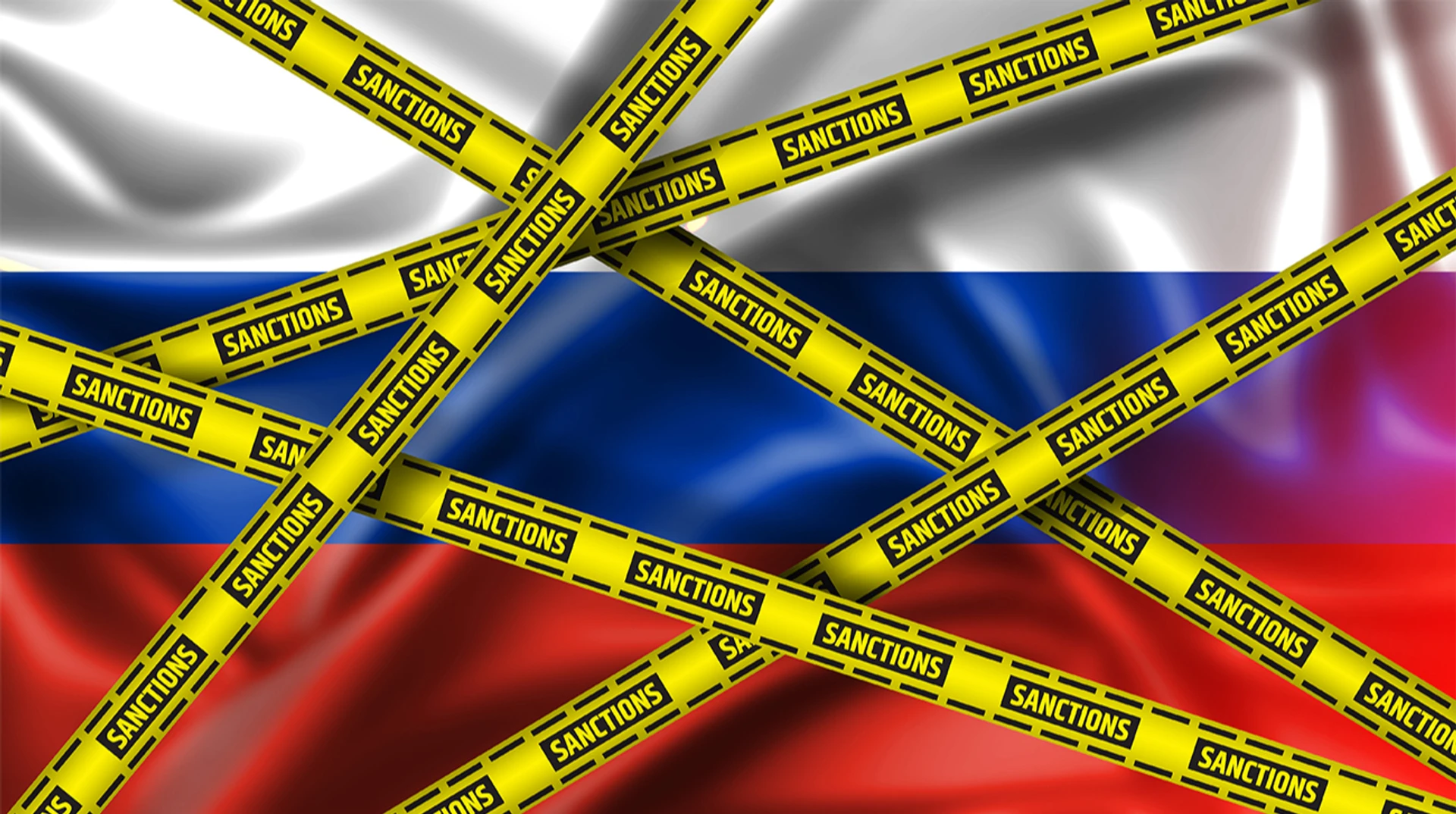



EU Sanctions Collapse & €90B Ukraine Aid Freeze | Cross-Border Seller Risk Alert
- Hungary veto blocks 20th sanctions package and €90B aid; spring 2026 disbursement deadline creates payment/logistics uncertainty for 15K+ sellers in Ukraine corridor





























概览
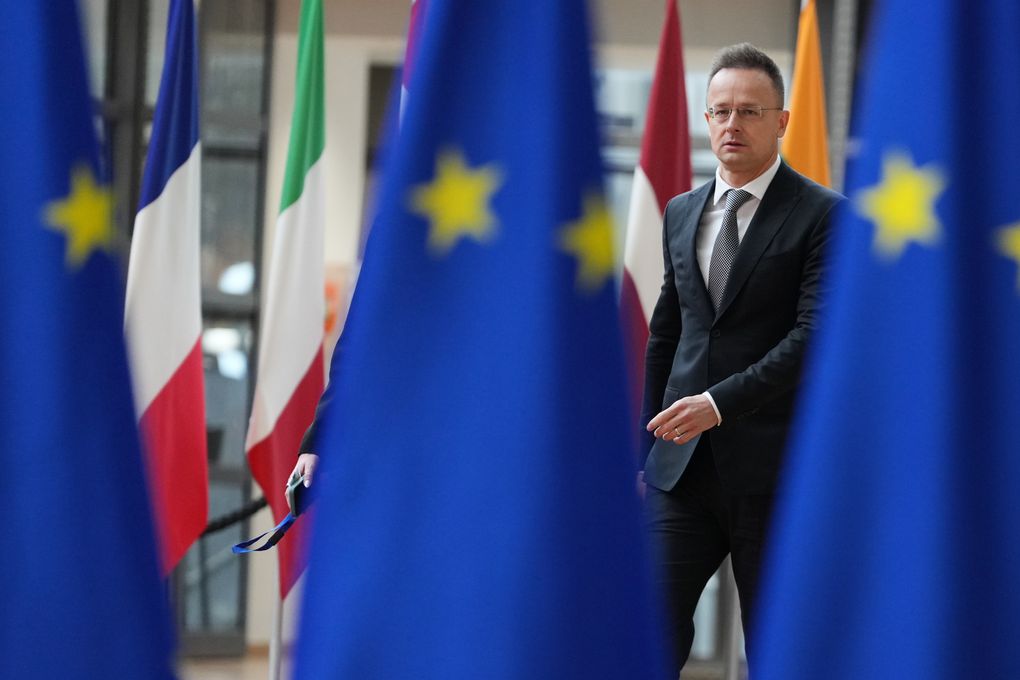
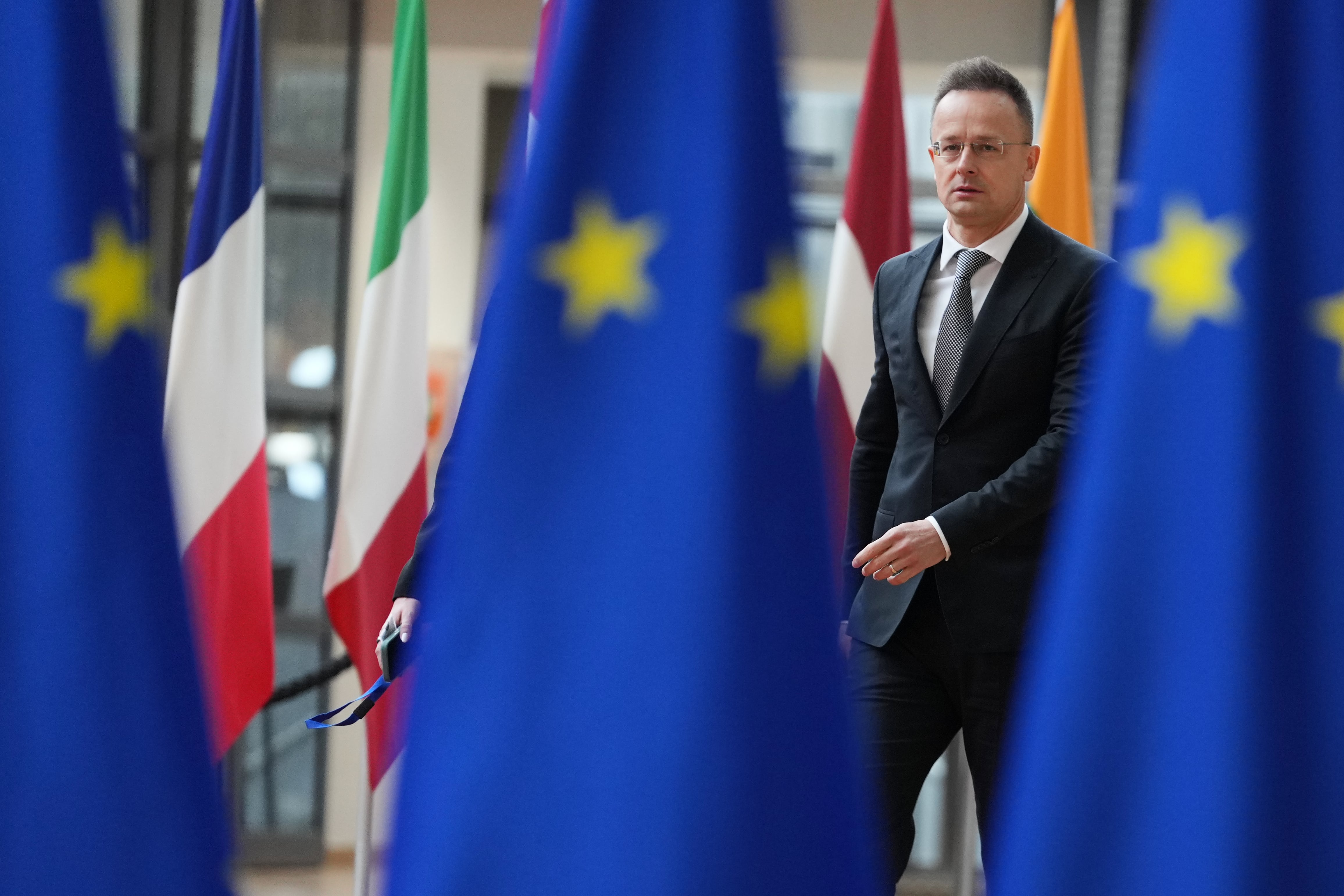
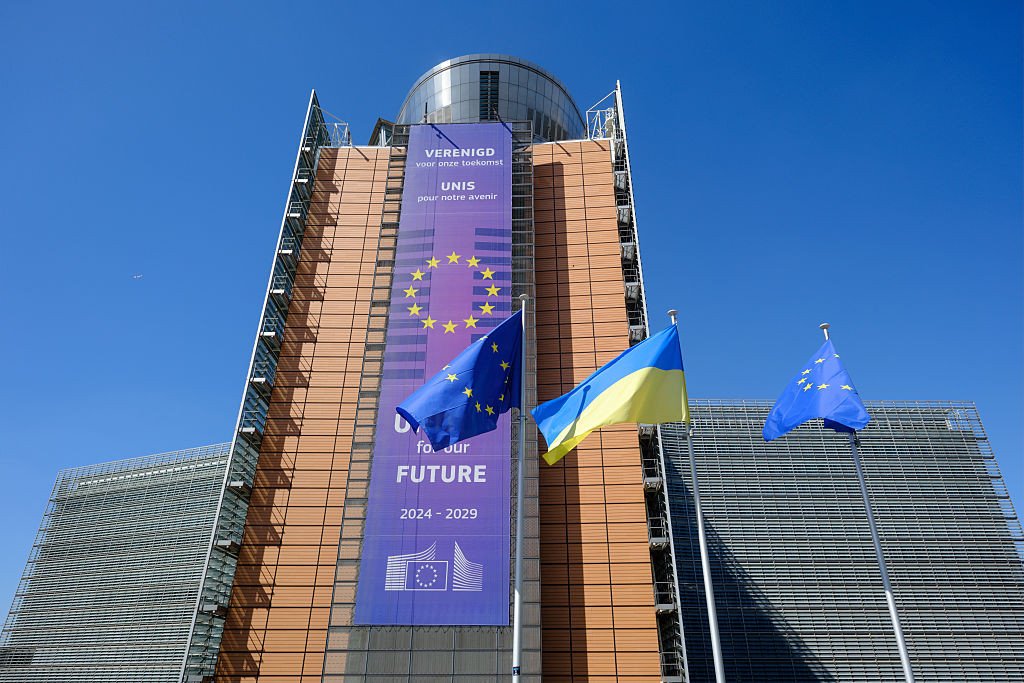
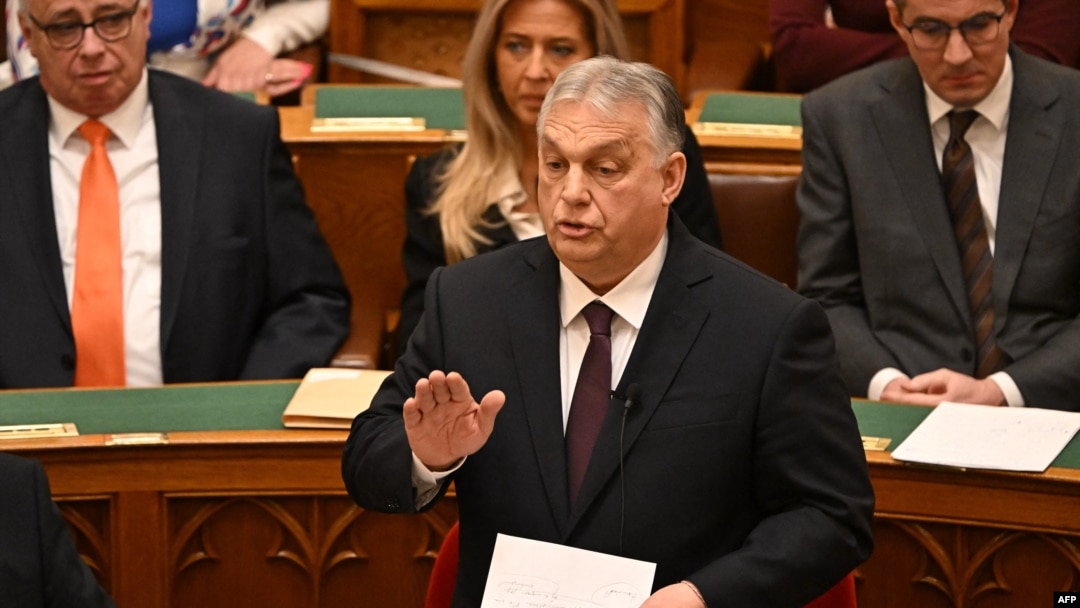
Hungary's veto of the EU's 20th sanctions package and €90 billion ($106 billion) Ukraine aid package on February 24, 2026 creates immediate operational and financial uncertainty for cross-border e-commerce sellers. Prime Minister Viktor Orbán blocked both measures simultaneously, preventing disbursement that Ukrainian officials stated must begin by spring 2026 to prevent a severe budget crisis. The EU's consensus-based decision-making structure gives Hungary effective veto power, and while EU officials express hope this represents temporary delay rather than permanent derailment, the timing creates acute pressure on Ukraine's financial planning and directly impacts sellers' market stability.
For cross-border e-commerce sellers, this blockade creates three critical risk vectors: First, payment system reliability deteriorates as Ukraine faces potential budget crisis—payment processors operating in Ukraine (Wise, Stripe, PayPal) may experience delays or restrictions if government funding collapses, affecting seller cash flow from Ukrainian customers and suppliers. Second, logistics infrastructure becomes unstable—the delayed aid impacts Ukraine's ability to maintain government services and supply chain operations, potentially disrupting 3PL providers, customs clearance, and cross-border shipping corridors through Poland, Slovakia, and Romania. Third, market access uncertainty increases as EU member states pursue divergent policies; Slovakia's threat to halt electricity supplies to Ukraine and disputes over Druzhba pipeline oil transit create unpredictable regulatory environments for sellers managing inventory or operations across Central/Eastern European markets.
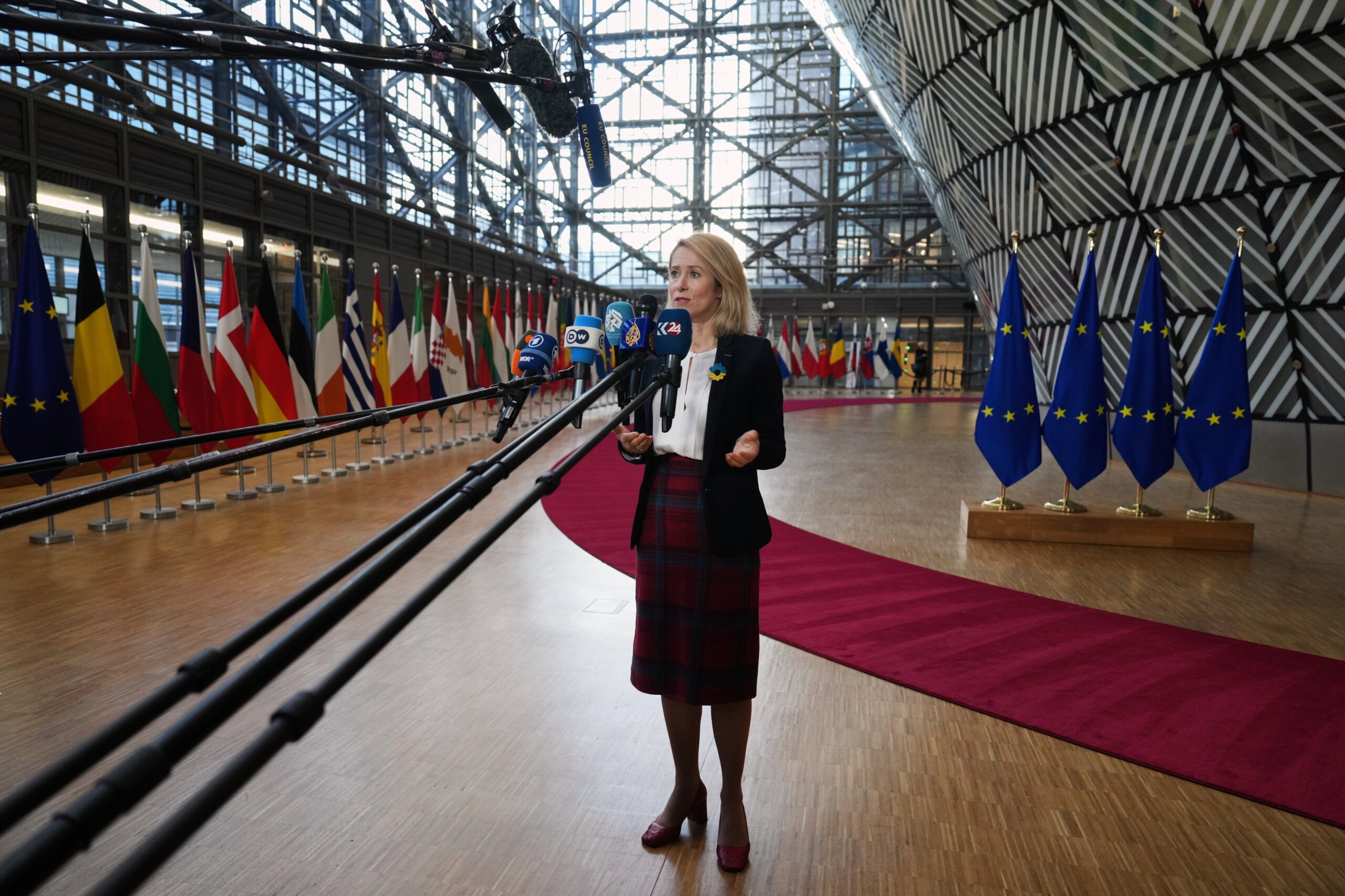
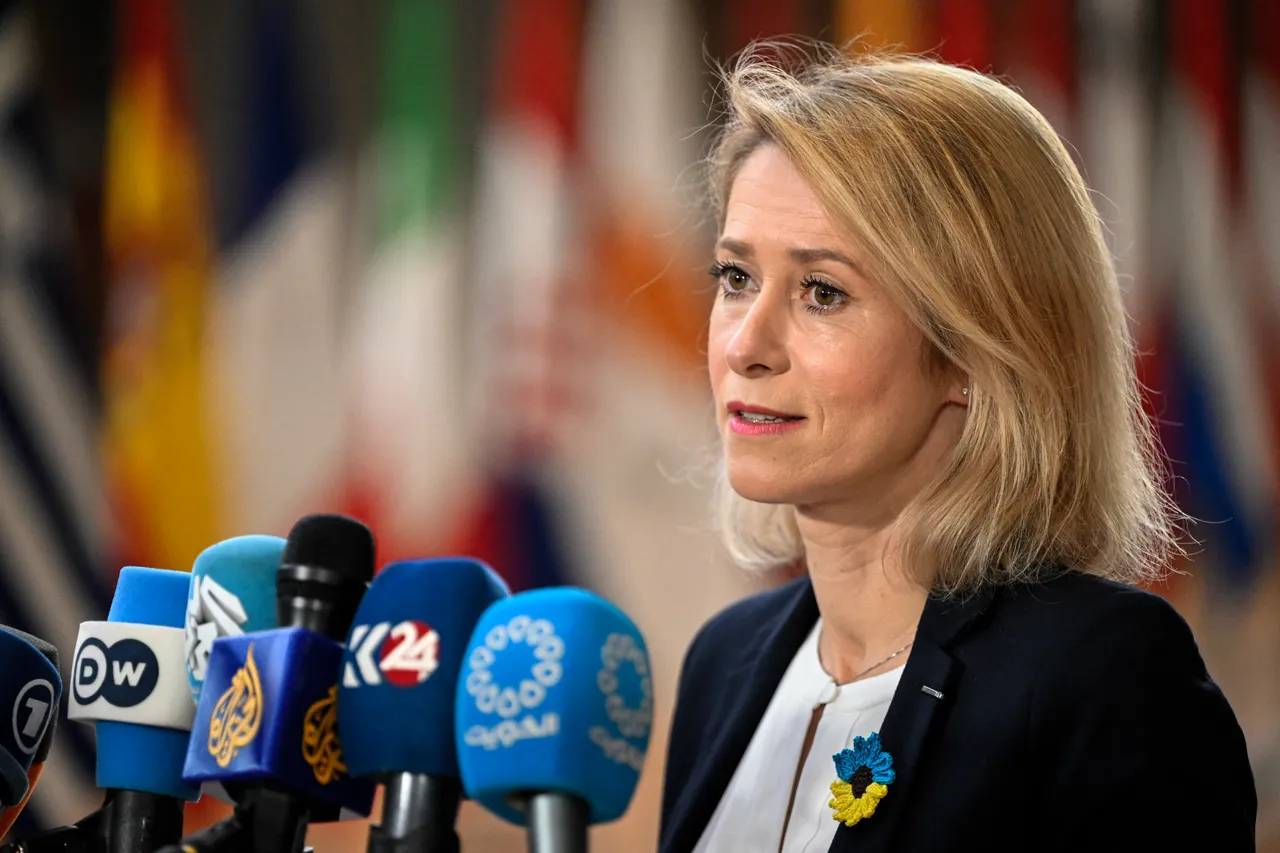
The political timeline accelerates risk: Orbán faces April 2026 elections where polling shows him trailing, creating domestic pressure that may either force capitulation or entrench his blocking position. EU Commission President Kaja Kallas indicated the Commission may revisit using Russian frozen assets if unanimous approval fails, but this approach faces opposition from Belgium and other countries, suggesting prolonged deadlock. The 20th sanctions package failure demonstrates structural vulnerability in EU decision-making—individual member states can derail coordinated policy, creating unpredictability for sellers dependent on EU-Ukraine trade relationships. Sellers with inventory in Ukraine, payment exposure to Ukrainian customers, or logistics operations through Central European corridors face 60-90 day window of maximum uncertainty before spring 2026 disbursement deadline passes.
问题 8
Could EU use Russian frozen assets to fund Ukraine aid if Hungary continues blocking?
EU Commission President Kaja Kallas indicated the Commission may revisit using Russian frozen assets if unanimous approval fails, but this approach faces significant opposition. Belgium, where most frozen assets are stored, opposes this approach, and several other EU countries have concerns about legal precedent and asset seizure implications. This alternative remains highly controversial and unlikely to proceed quickly. Sellers should not assume frozen asset funding will replace the €90 billion aid package. Instead, plan for 90-120 day delay in Ukraine government funding and adjust operations accordingly. Monitor EU legal proceedings on frozen asset usage, but treat this as low-probability backup scenario rather than primary funding source.
How should sellers monitor EU-Hungary negotiations for operational planning?
Track three key indicators: (1) EU Commission announcements on sanctions package progress—check ec.europa.eu weekly for updates; (2) Hungarian election polling—Orbán's April 2026 election creates decision deadline; if polling improves, he may capitulate to EU pressure; (3) Ukraine government statements on budget crisis—if crisis deepens before spring 2026, expect accelerated market contraction. Subscribe to EU Council press releases and monitor German Foreign Ministry statements (Germany leading pressure on Hungary). Set calendar alerts for March 15 and April 15, 2026 as decision points. If no progress by April 15, implement 40-50% reduction in Ukraine operations and shift inventory to EU markets (Poland, Romania, Baltic states) with 2-3 week lead time.