


Citizenship in the Digital Age: When Social Media Meets Diplomatic Complexity
- A landmark case revealing the intricate balance between political activism, digital history, and transnational identity













概览
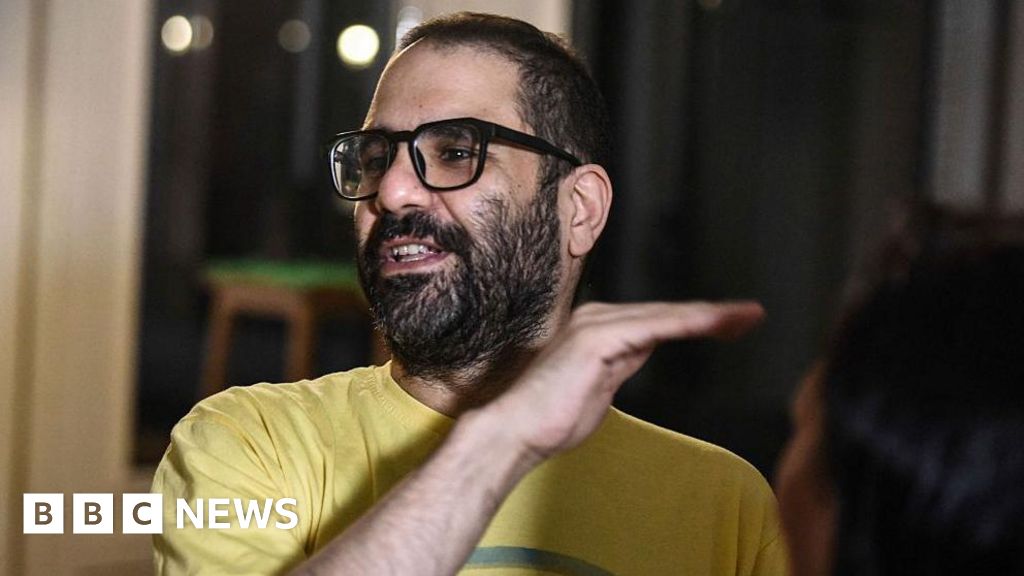
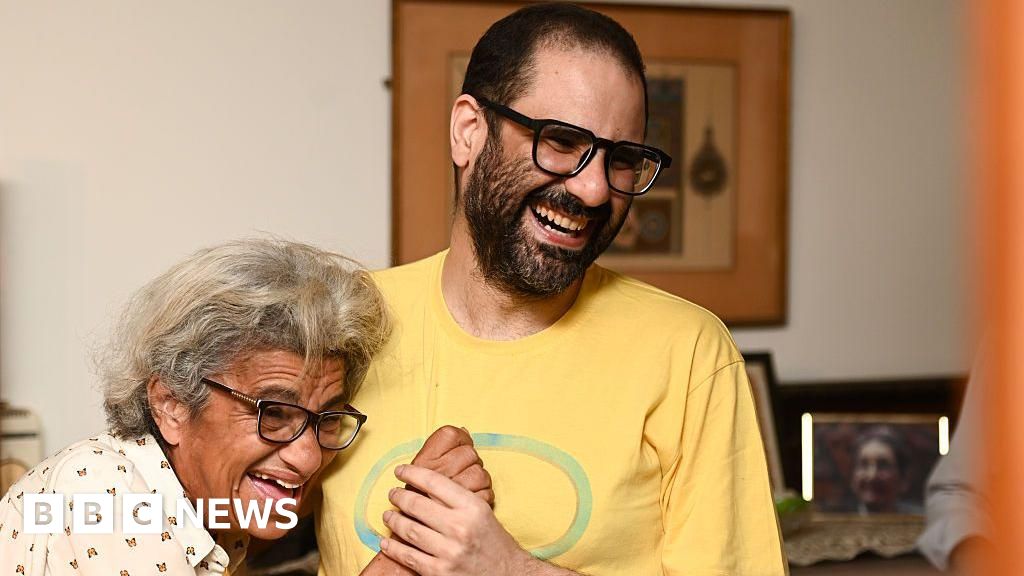
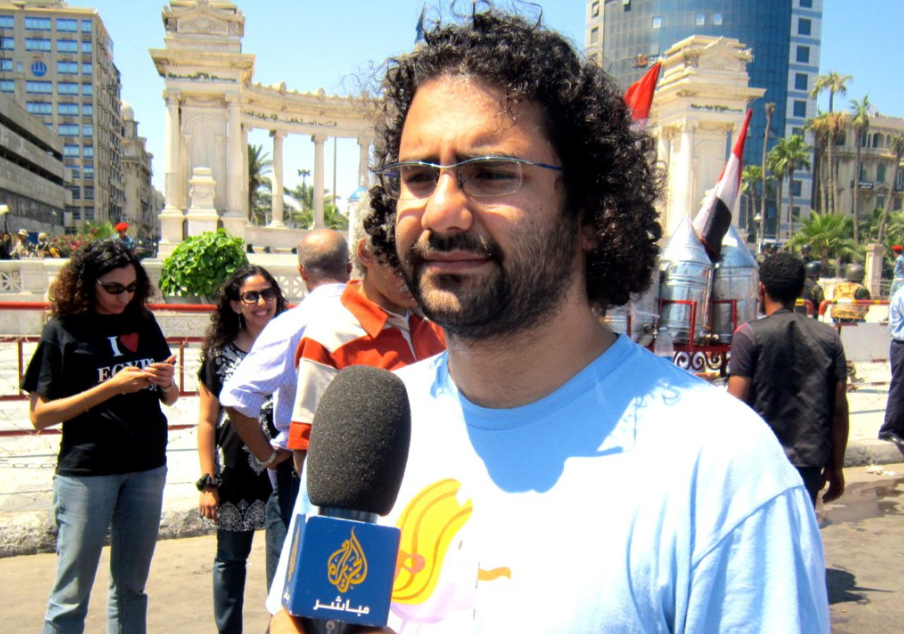
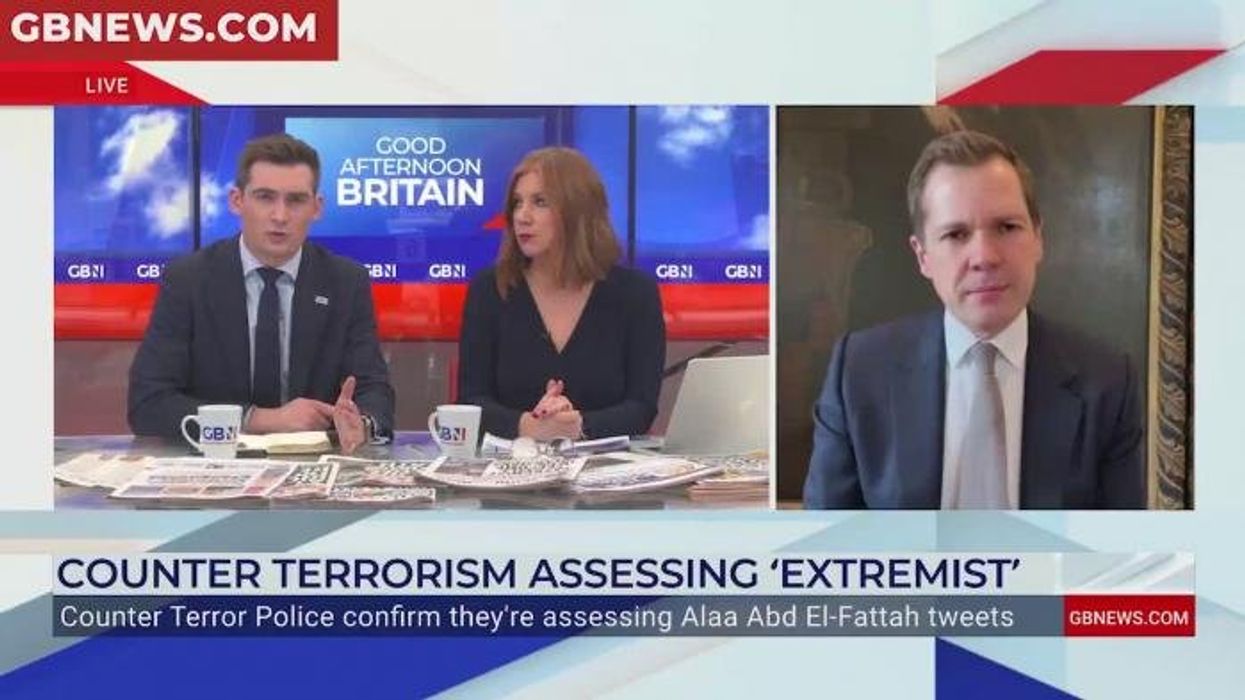
In an era where digital footprints never truly disappear, the case of Alaa Abd el-Fattah represents a pivotal moment in understanding the nuanced landscape of transnational citizenship and digital accountability. The British government's handling of Abd el-Fattah's citizenship reveals a sophisticated approach to navigating complex geopolitical and personal history.
The core tension emerges from Abd el-Fattah's controversial social media posts—inflammatory statements made in his youth that could have potentially jeopardized his British citizenship. However, the UK Home Office's decision not to revoke his citizenship signals a critical precedent: historical digital expressions alone do not constitute grounds for citizenship removal. This nuanced stance demonstrates an understanding that political activism and youthful rhetoric should not automatically disqualify an individual's national belonging.
The strategic implications extend far beyond this single case. For cross-border professionals and policymakers, this represents a watershed moment in defining the boundaries of digital expression and national identity. The UK government's approach suggests a mature framework for evaluating citizenship—one that considers context, intent, and the evolution of personal political perspectives. Abd el-Fattah's apology for his past posts, describing them as "expressions of a young man's anger," further underscores the complexity of judging historical digital content through a contemporary lens.
Critically, this case illuminates the delicate balance between national security concerns and individual freedoms. By maintaining Abd el-Fattah's citizenship despite potential political controversy, the UK signals a commitment to principles of due process and nuanced evaluation. The decision implicitly recognizes that political dissent and provocative digital expressions do not inherently threaten national integrity.
For international observers, this represents more than a legal decision—it's a statement about the evolving nature of citizenship in a globally interconnected, digitally mediated world. The case demonstrates that national belonging cannot be reduced to simplistic digital snapshots, but must be understood through a more holistic, contextual framework.
问题 3
Why did the UK government decide not to revoke Abd el-Fattah's citizenship?
The UK maintained Abd el-Fattah's citizenship because his past social media posts did not meet the legal threshold for citizenship removal. The government recognized the posts as youthful expressions of political anger, not substantive threats to national security, demonstrating a nuanced approach to evaluating digital historical content.
What are the broader implications of this citizenship decision?
This case sets a significant precedent for how nations might evaluate citizenship in the digital age. It suggests that provocative political expressions, especially from youth, should not automatically disqualify an individual's national belonging. The decision emphasizes context, intent, and personal evolution over static digital records.