



Topo Chico Shortage Through Q3 2026 | Premium Beverage Sellers' Inventory & Sourcing Playbook
- Monterrey production halt extends 6-12 months; sellers holding stock face 25-40% pricing power while competitors capture displaced demand; alternative mineral water sourcing from Spain, Italy, Mexico now critical








概览
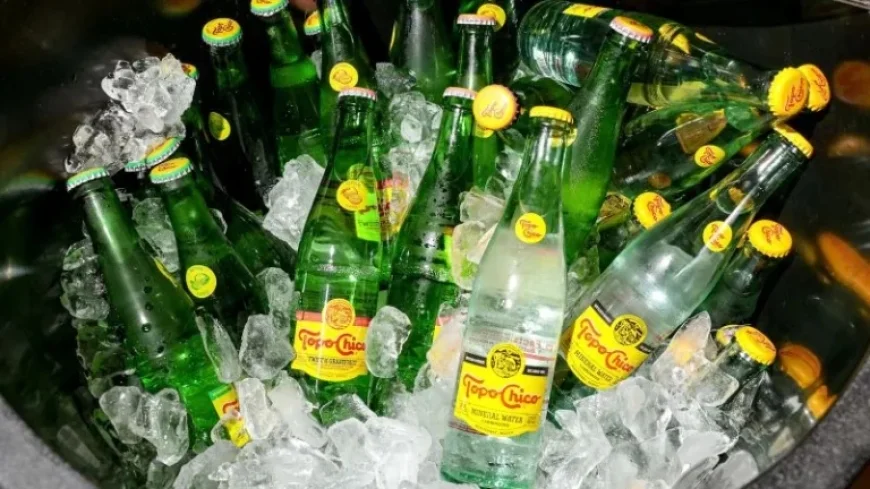
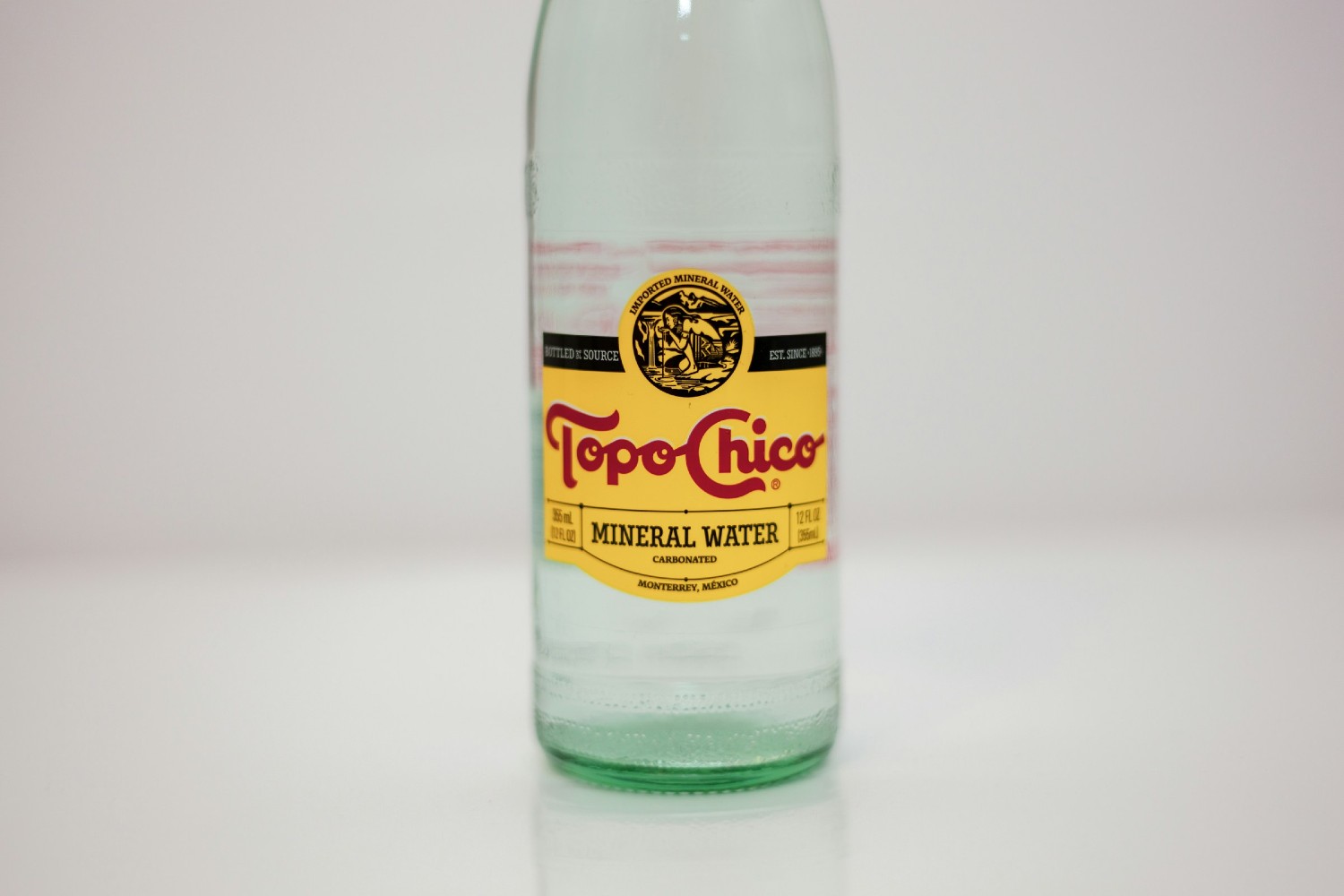
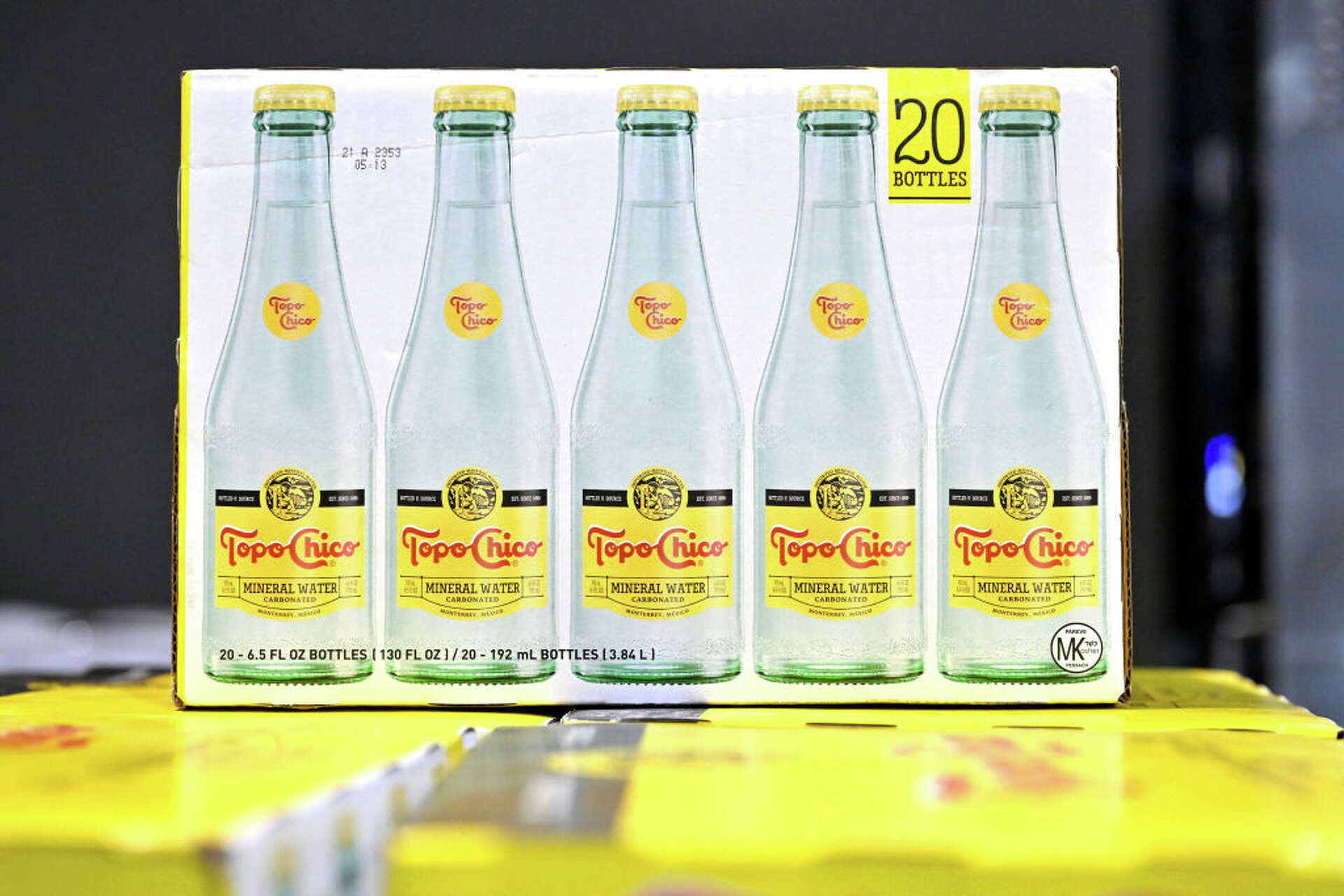
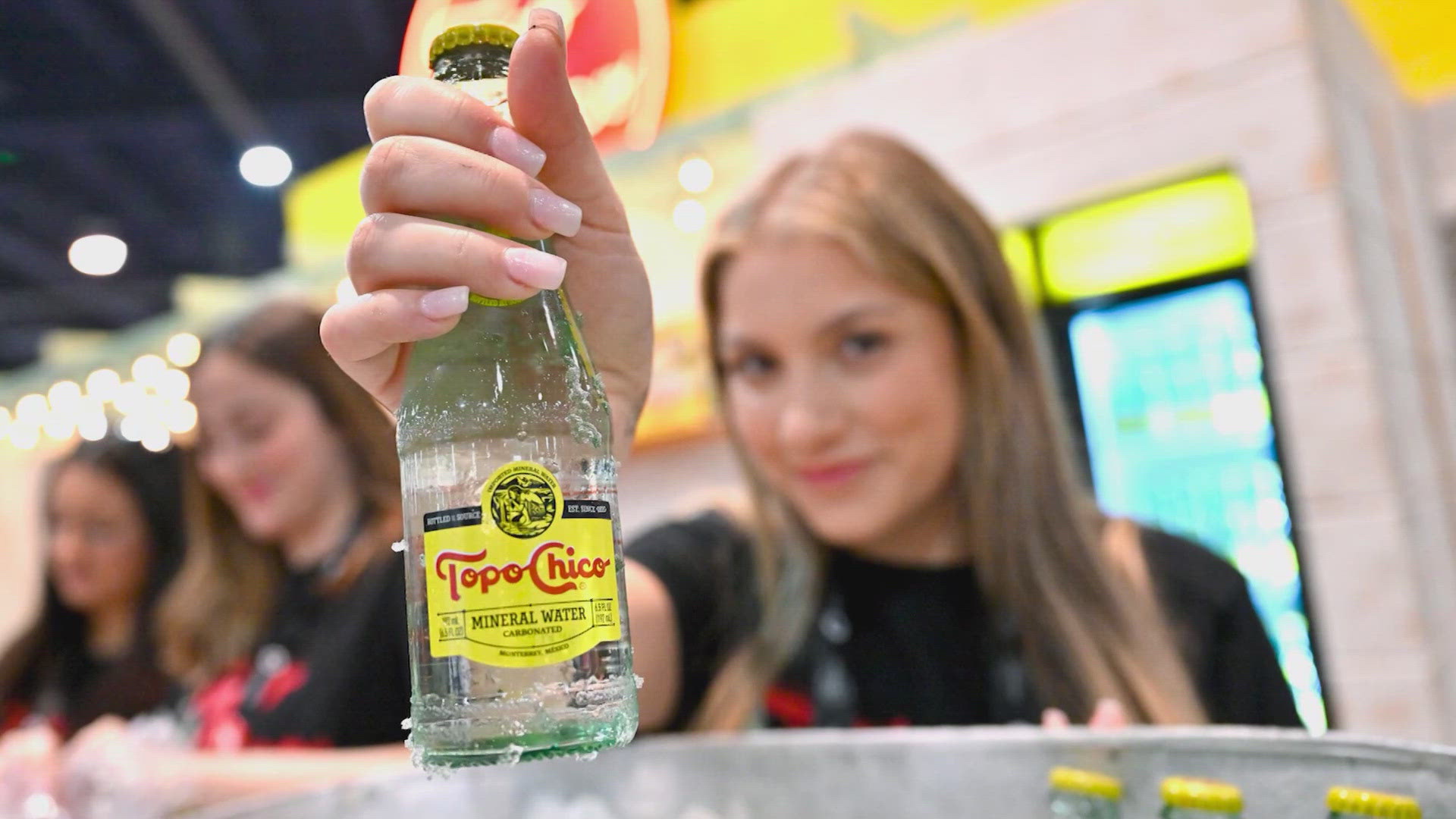
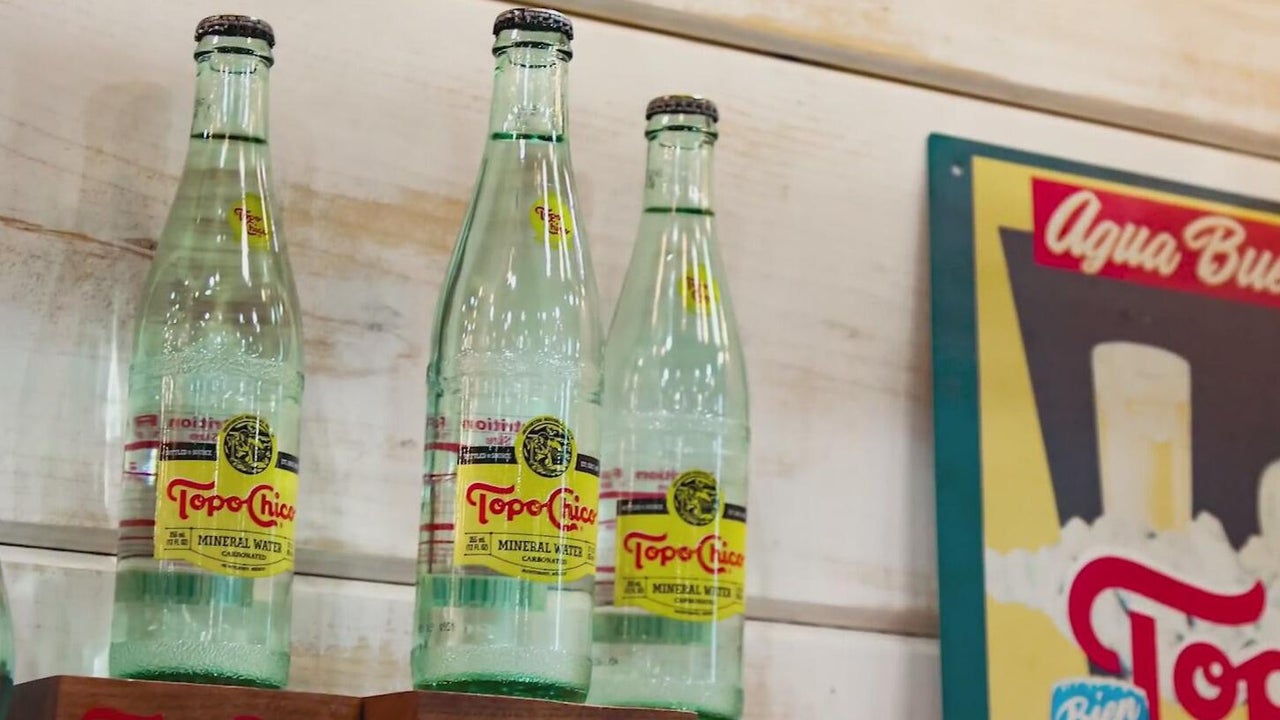
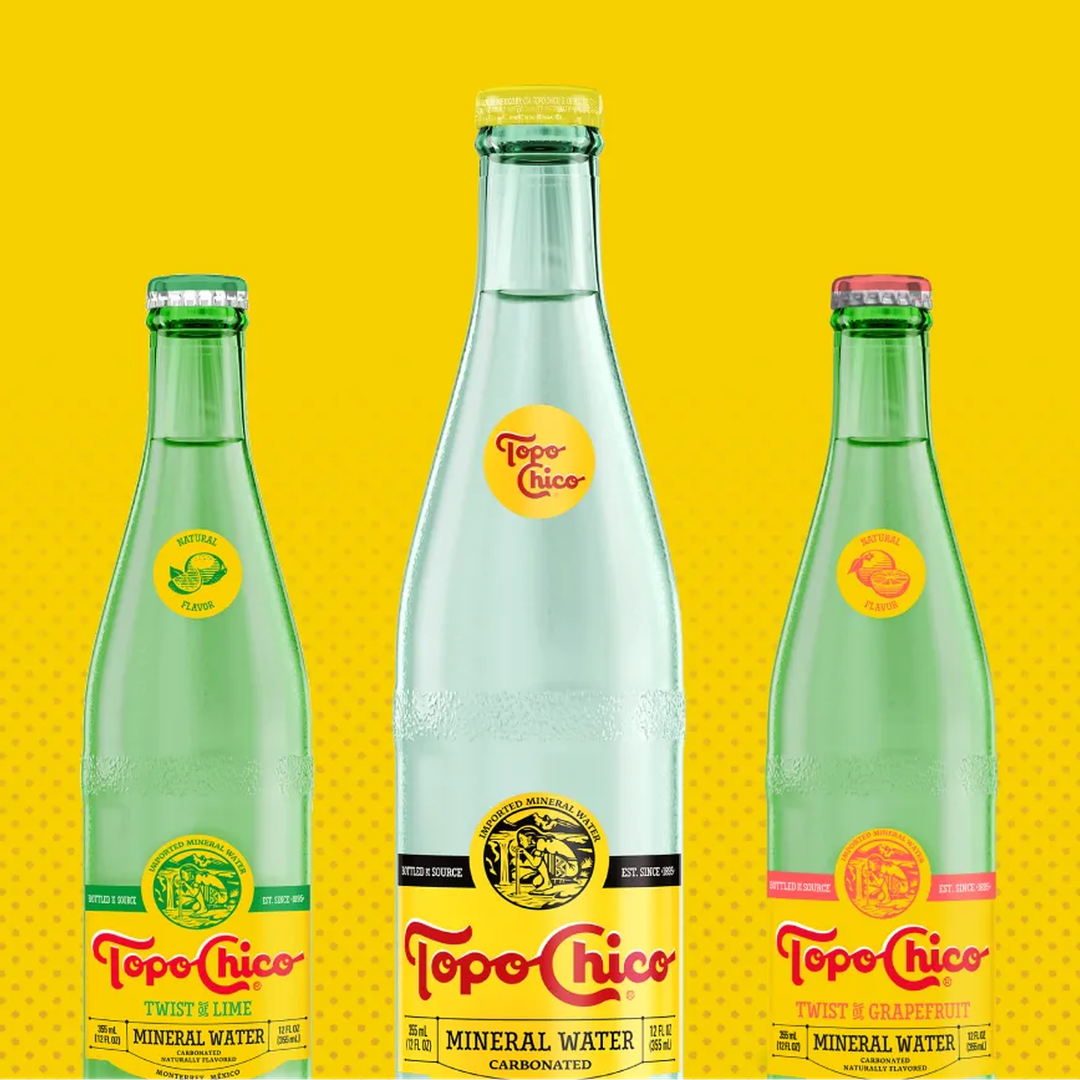
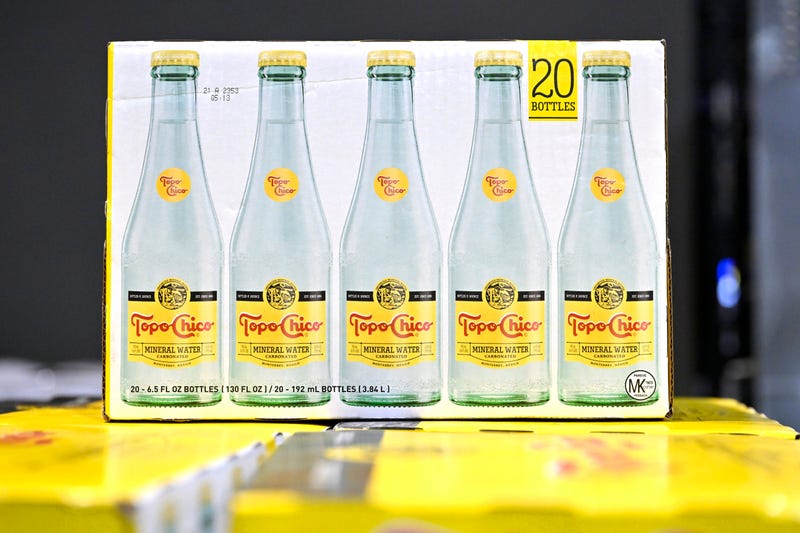
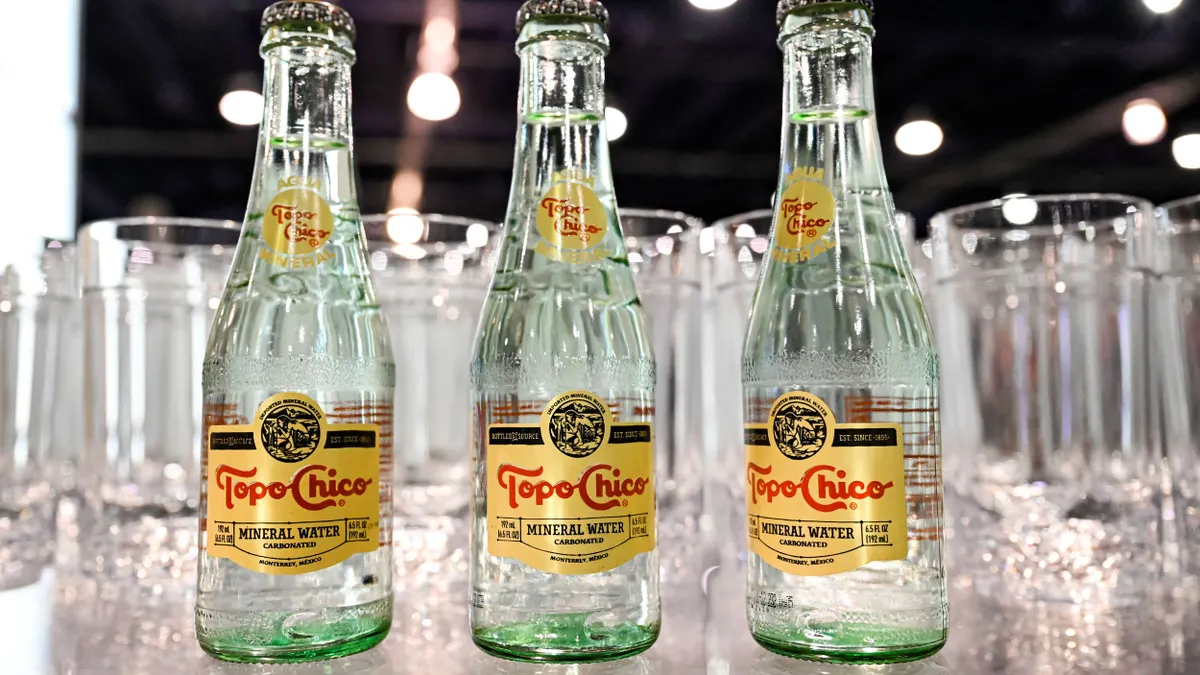
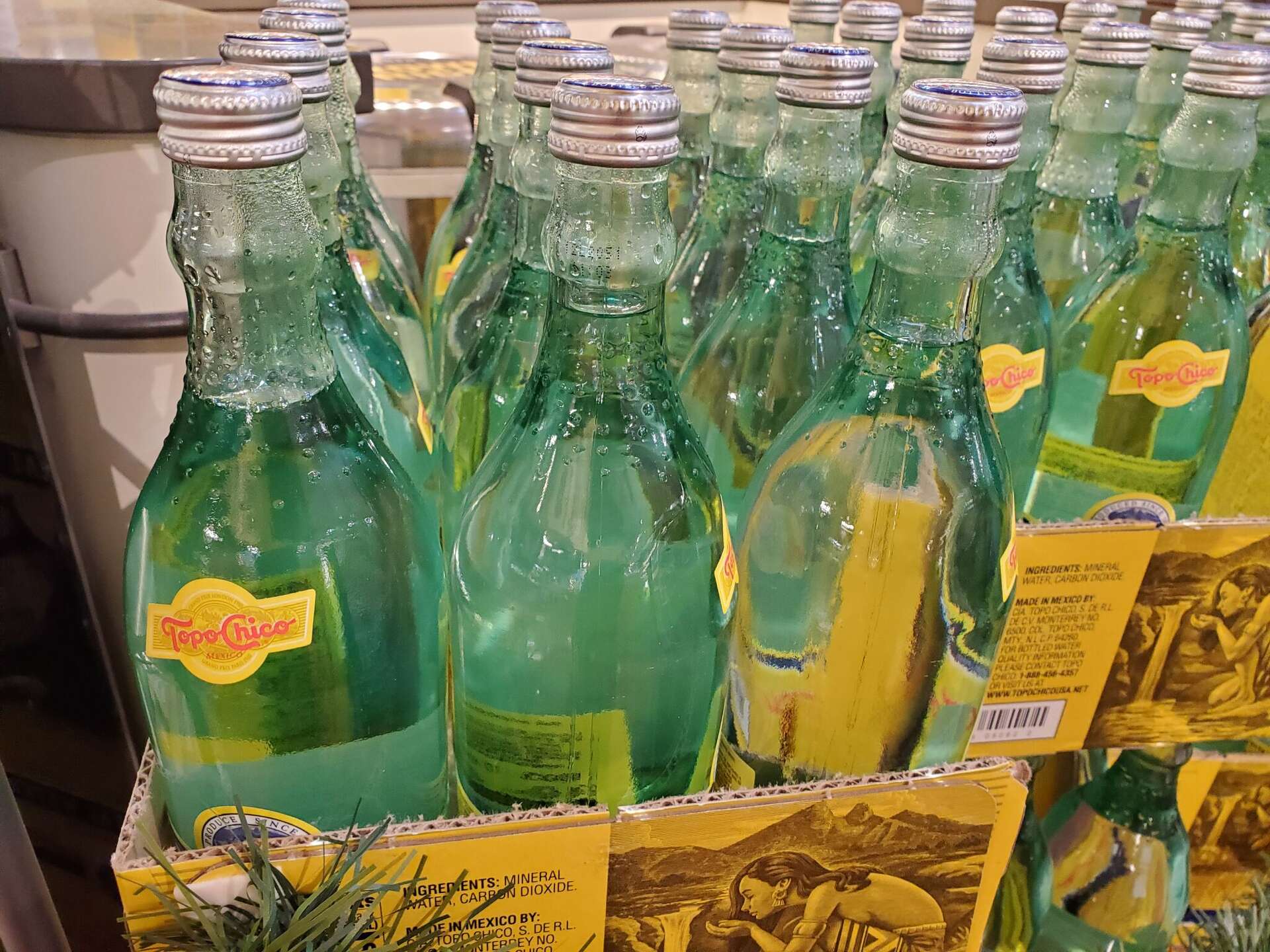
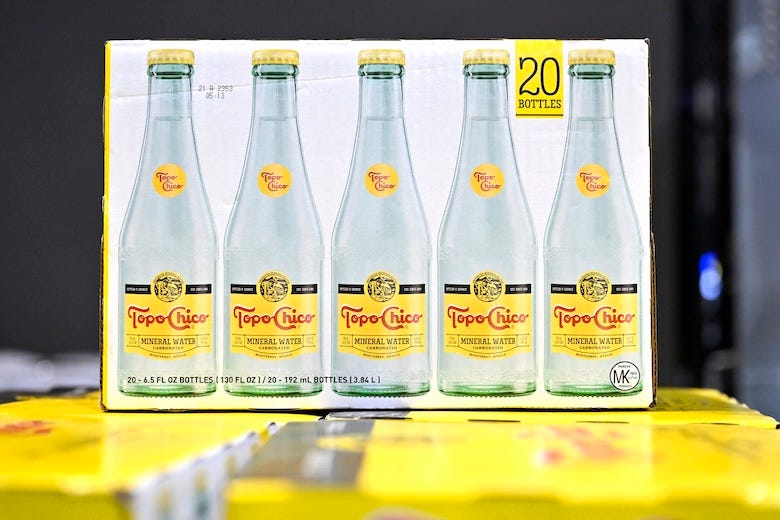
The Topo Chico mineral water shortage represents a 6-12 month supply disruption affecting U.S. e-commerce beverage sellers, with production halted at Coca-Cola's Monterrey, Mexico facilities through Q3 2026 due to source well complications and facility upgrades. The shortage impacts only the flagship Topo Chico Mineral Water product (glass bottles and "twist of" flavored varieties), while Topo Chico Sabores, canned cocktails, and hard seltzer lines remain available. This creates a bifurcated market opportunity: sellers holding existing Topo Chico inventory can command 25-40% price premiums as stock becomes scarce, while those dependent on consistent supply must immediately pivot to alternative premium mineral water brands.
For inventory strategy, sellers face three distinct scenarios: (1) Liquidation Play: Sellers with 500+ units of Topo Chico Mineral Water should immediately list at 30-35% markups on Amazon, eBay, and specialty beverage platforms before Q2 2026, capturing price-sensitive consumers willing to pay premiums for the iconic brand. Historical beverage shortage data shows 4-6 week windows for premium pricing before consumer substitution accelerates. (2) Substitution Sourcing: Sellers should immediately source alternative premium mineral waters—San Pellegrino (Italy, $0.85-1.10/unit landed cost), Perrier (France, $0.78-0.95/unit), and Topo Chico's own Sabores line (Mexico, $0.65-0.85/unit)—to capture displaced demand. These alternatives offer 35-45% gross margins vs. Topo Chico's typical 40-50%, making volume substitution viable. (3) Warehouse Positioning: Concentrate inventory in Southern U.S. fulfillment centers (Texas, Florida, California) where Topo Chico consumption peaks, particularly in West Texas where the brand is essential for "ranch water" cocktail preparation. Regional demand concentration suggests 60-70% of shortage-driven demand will concentrate in 5-state region (TX, CA, FL, AZ, NM).
Logistics and landed cost implications are significant. Current Topo Chico glass bottle imports from Mexico cost approximately $0.55-0.70/unit (FOB Monterrey) plus $0.12-0.18/unit ocean freight to U.S. ports, totaling $0.67-0.88 landed cost before tariffs. With production halted, sellers must source alternatives: European mineral waters add $0.25-0.35/unit in additional freight via transatlantic routes (15-18 day transit vs. 7-10 days from Mexico), increasing landed costs to $1.10-1.45/unit. This 25-65% cost increase makes direct substitution economically challenging unless sellers can maintain 40%+ price premiums. Warehouse positioning becomes critical: FBA fulfillment in Southern regions (Dallas, Houston, Phoenix fulfillment centers) reduces last-mile costs by $0.08-0.12/unit vs. Northern distribution, improving margins by 12-18% on substitute products.
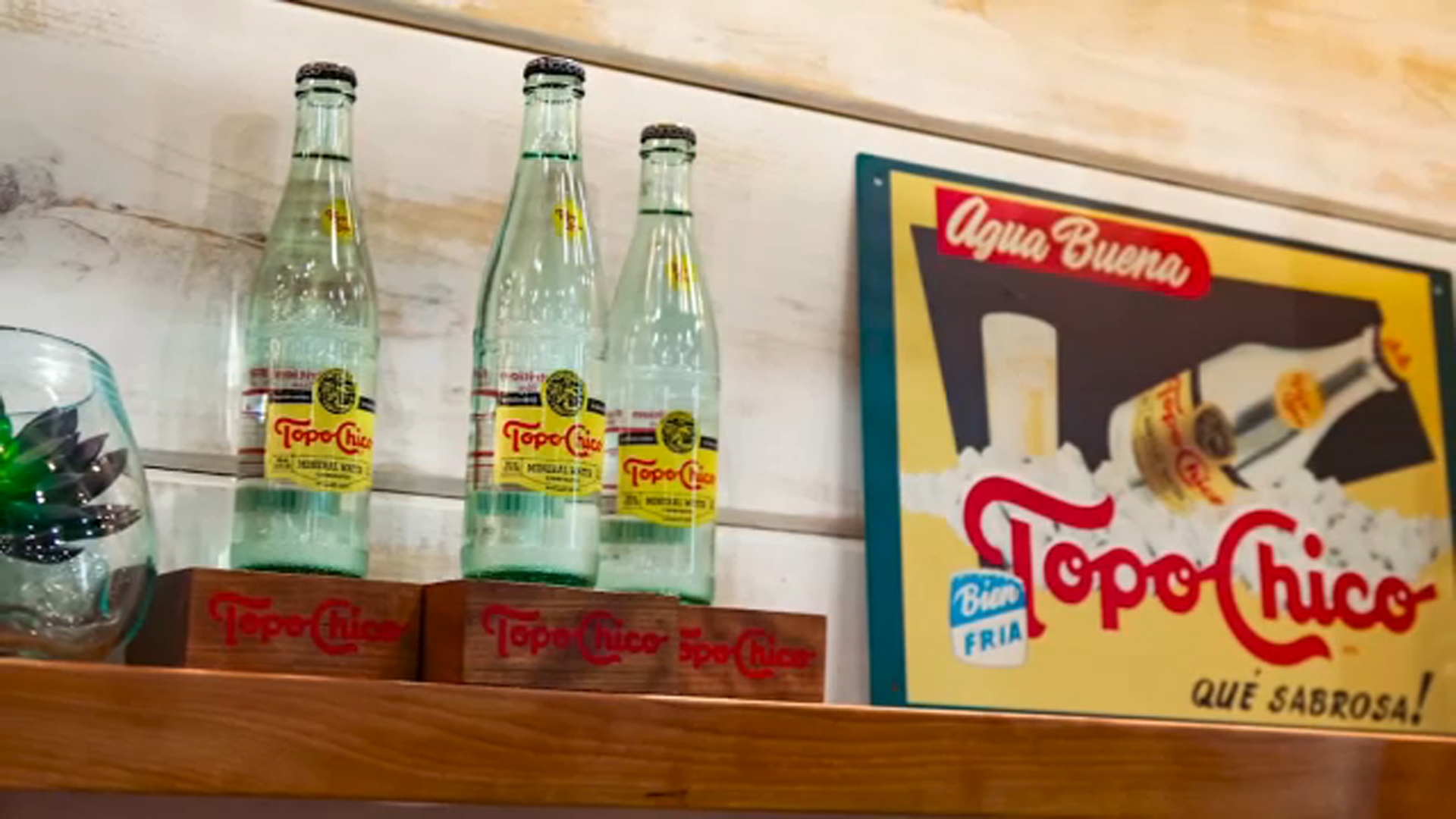
The shortage creates secondary opportunities in complementary categories. Topo Chico's cultural significance in "ranch water" cocktails (Topo Chico + tequila + lime) suggests sellers should bundle premium tequila, craft lime products, and cocktail accessories during the shortage period. Cross-category bundling can increase average order value 35-50% while capturing consumers seeking Topo Chico alternatives. Additionally, sellers should monitor Coca-Cola's official restocking communications—the company's letter to distributors indicates Q3 2026 resumption, creating a 6-month window for aggressive alternative brand positioning before Topo Chico returns and market share consolidates back to the original brand.
问题 8
How can sellers capture additional revenue during the Topo Chico shortage?
Bundle complementary products with mineral water alternatives: premium tequila, craft lime products, and cocktail accessories. Topo Chico's cultural significance in 'ranch water' cocktails creates cross-category bundling opportunities that increase average order value 35-50%. Sellers should create 'ranch water kits' combining alternative mineral water with tequila and lime products, capturing consumers seeking Topo Chico alternatives while diversifying revenue streams. This bundling strategy maintains customer engagement and order value during the shortage period before Topo Chico returns to market.
What is the landed cost impact of sourcing alternative mineral waters?
Current Topo Chico imports from Mexico cost $0.67-0.88/unit landed (FOB + freight). European alternatives increase landed costs to $1.10-1.45/unit due to transatlantic freight (15-18 day transit vs. 7-10 days from Mexico), representing a 25-65% cost increase. This cost disadvantage requires sellers to maintain 40%+ price premiums on alternatives to preserve margins. Mexican-sourced alternatives (Sabores, local brands) minimize this cost impact and are recommended for margin-conscious sellers. Sellers should calculate landed costs by route and adjust inventory sourcing accordingly.