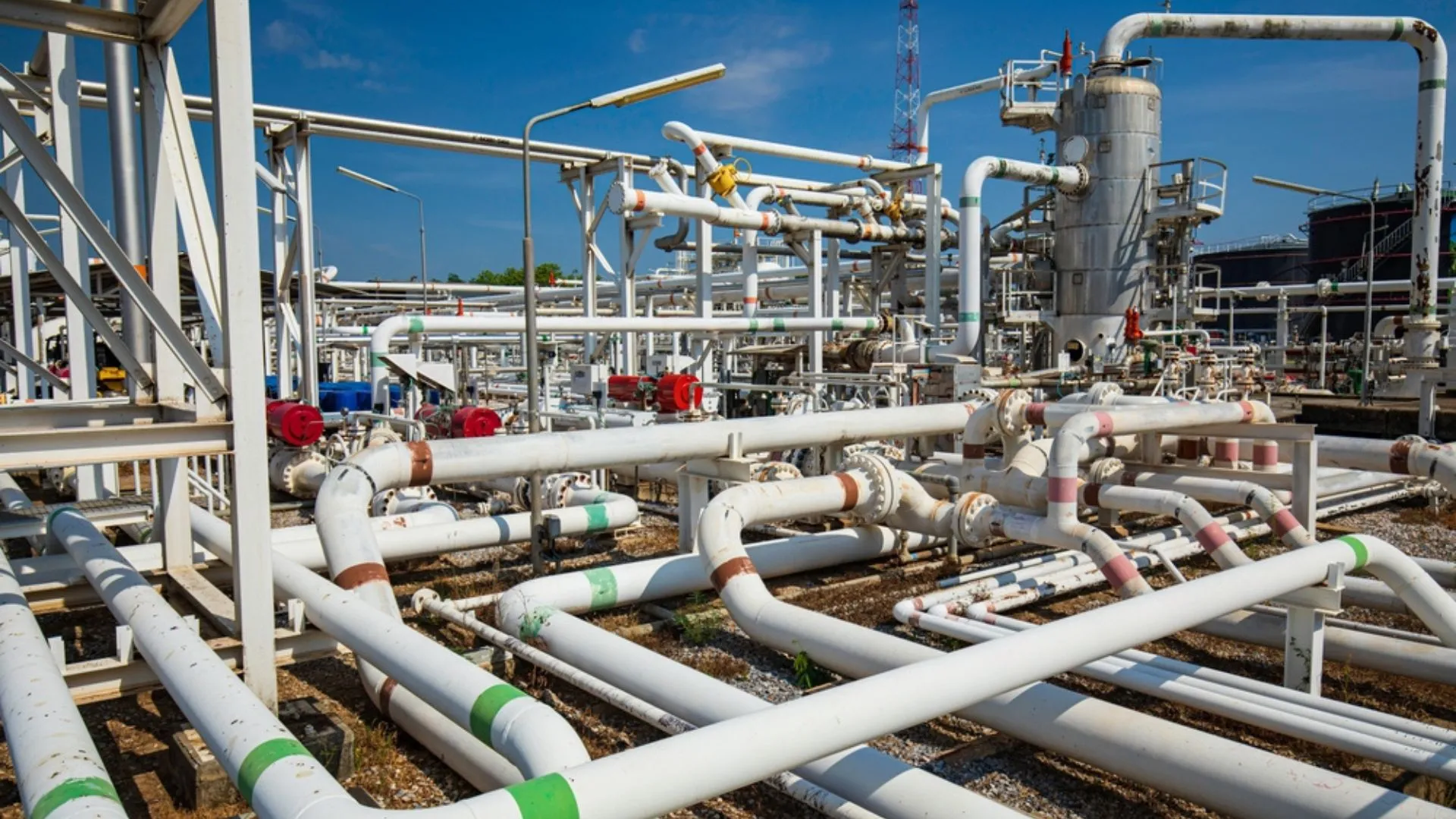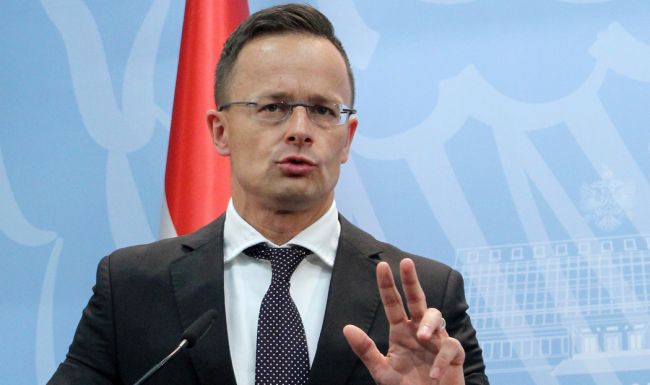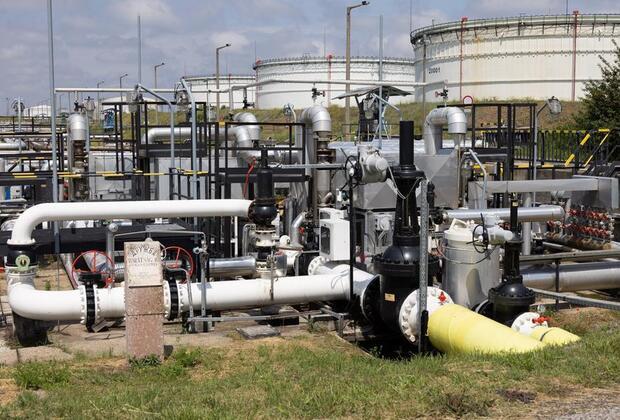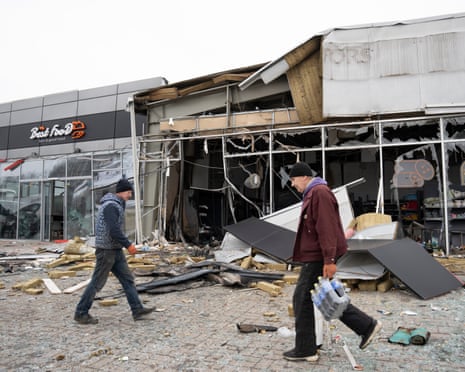
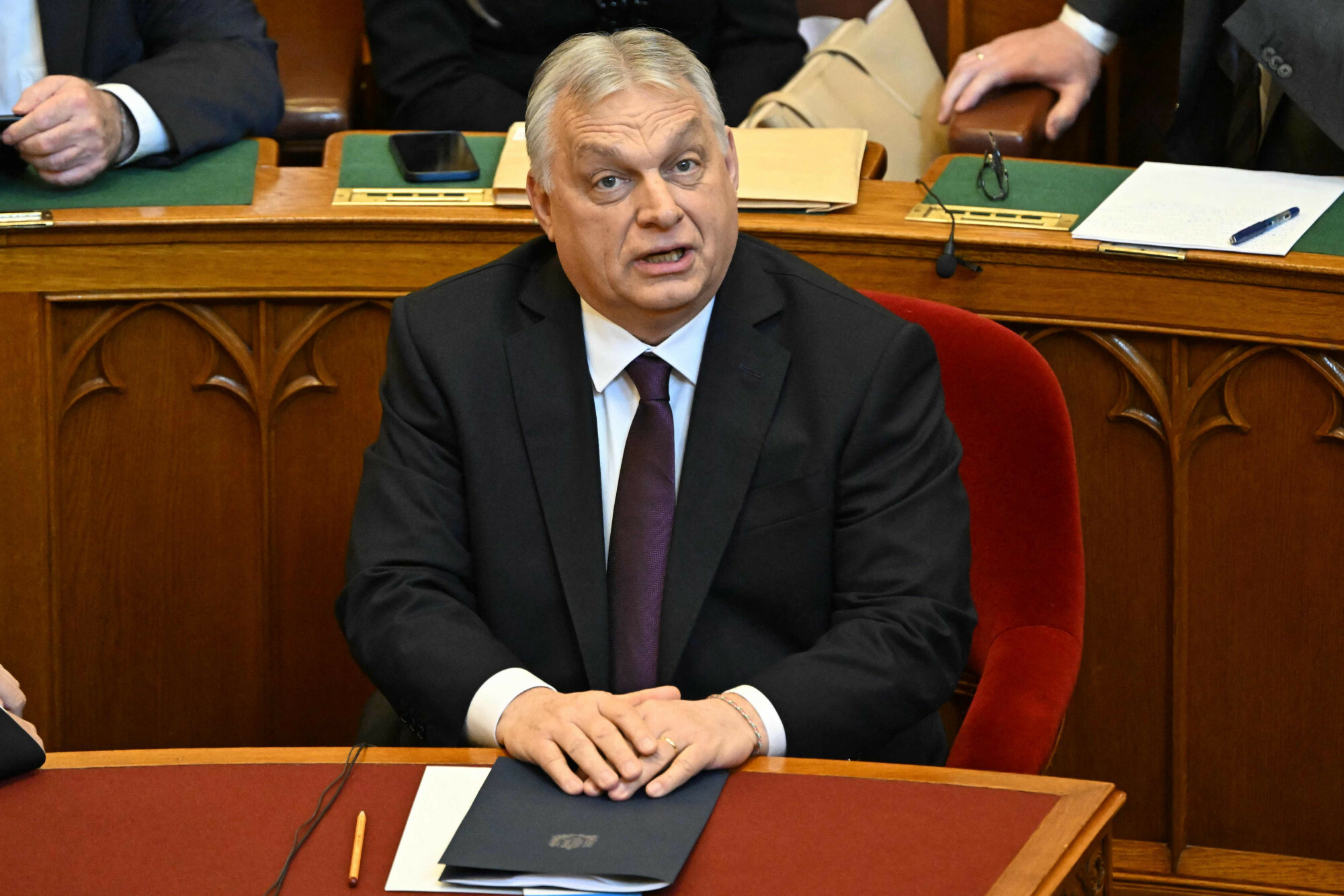


The geopolitical crisis unfolding in Central Europe (February 2026) creates direct operational risks for cross-border e-commerce sellers operating in Hungary, Slovakia, and Ukraine. Hungary's Viktor Orbán has blocked €90 billion in EU aid to Ukraine and new sanctions against Russia, while Slovakia's Robert Fico halted emergency electricity supplies to Ukraine over the Druzhba oil pipeline dispute. These actions create cascading effects on e-commerce infrastructure: currency volatility, payment processing delays, logistics network disruptions, and reduced consumer purchasing power in affected markets.
For sellers, the immediate impact manifests across three critical dimensions. First, payment processing complications are emerging as EU sanctions packages create uncertainty in cross-border payment systems. Sellers using payment processors like Stripe, PayPal, or regional alternatives face potential delays when processing transactions through Hungarian and Slovak banking corridors. The €90 billion loan blockage signals reduced consumer liquidity in Ukraine—historically a growing e-commerce market with 8-12% annual GMV growth. Second, logistics routing is becoming unpredictable. Hungary and Slovakia account for 68% of Ukraine's imported power (per ExPro consultancy data), and energy supply disruptions cascade to fulfillment centers, 3PL warehouses, and last-mile delivery networks. Sellers using Central European distribution hubs for Eastern European markets face potential 5-15 day shipping delays if power rationing intensifies. Third, currency volatility is compressing margins. The Hungarian Forint and Slovak Koruna have historically weakened during geopolitical crises, reducing profit margins for sellers pricing in EUR or USD. Sellers with inventory in these markets face 3-8% margin compression if currency depreciation accelerates.
The timing window is critical. The pipeline dispute remains unresolved as of late February 2026, with Fico warning of "further reciprocal steps" including reconsidering Slovakia's EU membership support for Ukraine. This suggests the crisis could extend 2-4 months, creating sustained operational uncertainty. Sellers should immediately audit their exposure: inventory levels in Hungary/Slovakia warehouses, payment processor dependencies on regional banking corridors, and customer concentration in Ukraine. Consider shifting 20-30% of inventory from Central European hubs to Western European distribution centers (Germany, Poland) where political stability is higher. Monitor currency hedging strategies—sellers with significant HUF/SKK exposure should consider forward contracts to lock in exchange rates. For Ukraine-focused sellers, expect 15-25% reduction in consumer purchasing power if the loan blockage persists, requiring aggressive promotional strategies to maintain sales velocity.
Complete market exit is not recommended, but strategic rebalancing is essential. Hungary and Slovakia represent 8-12% of Central European e-commerce GMV, with growth rates of 6-8% annually. Exiting entirely means forfeiting long-term market opportunity. Instead, implement a 'reduce and optimize' strategy: maintain 50-60% of current inventory levels in these markets, focus exclusively on high-margin and essential categories, and shift customer acquisition spend to Western European markets. For Amazon sellers, this means reducing Hungarian/Slovak FBA inventory by 40-50% while maintaining competitive pricing to preserve market share. Shopify sellers should implement geotargeting to reduce ad spend in affected regions by 30-40% while maintaining organic visibility. Monitor competitor activity; if major sellers (Amazon, eBay, local platforms) reduce inventory, this creates pricing power for remaining sellers. Plan to re-expand inventory in Q3 2026 if political situation stabilizes, positioning your business to capture market share from competitors who exited.
EU sanctions packages create enhanced compliance obligations for sellers processing transactions in Hungary and Slovakia. Payment processors must implement OFAC (Office of Foreign Assets Control) screening and EU sanctions list verification, adding 2-5 day processing delays. Sellers should review their terms of service with payment processors and 3PL providers to understand new compliance requirements. For Amazon sellers, this means ensuring all product listings comply with EU sanctions regulations—avoid selling items that could be dual-use (electronics, machinery) without proper documentation. Shopify sellers should implement automated compliance checks through apps like Kustomer or Compliance.ai to flag high-risk transactions. Document all compliance procedures and maintain audit trails for 3+ years. If your business processes >€500K annually in affected regions, consider hiring a compliance consultant to review sanctions exposure. Failure to comply with EU sanctions can result in €10K-€100K+ fines and account suspension on major platforms.
The blocked EU loan directly reduces consumer purchasing power in Ukraine, historically one of Eastern Europe's fastest-growing e-commerce markets with 8-12% annual GMV growth. Sellers targeting Ukrainian customers should expect 15-25% reduction in order volume and average order value as household incomes stagnate without the loan injection. This is particularly acute for discretionary categories (electronics, fashion, home goods) where Ukrainian consumers typically allocate 30-40% of online spending. Sellers should immediately implement promotional strategies—bundle offers, extended payment terms, loyalty discounts—to maintain sales velocity. Monitor Ukrainian payment processor activity; if consumer credit tightens, shift marketing spend toward cash-on-delivery and prepayment options that reduce default risk.
Slovakia supplies 68% of Ukraine's imported electricity (per ExPro data), and the halt creates cascading fulfillment disruptions. Sellers using Ukrainian 3PL warehouses or last-mile providers face 5-15 day shipping delays if power rationing intensifies, directly impacting Amazon FBA delivery windows and eBay handling time compliance. Sellers should immediately audit their fulfillment network: identify which warehouses depend on Slovak power imports, calculate inventory buffer requirements for 2-3 week delays, and establish backup routing through Western European hubs (Germany, Poland). For sellers with 500+ monthly units in Ukraine, consider pre-positioning 30-40% of inventory in Poland or Czech Republic to maintain delivery SLAs. Expect fulfillment costs to increase 8-12% as 3PL providers implement emergency surcharges for expedited routing.
Geopolitical crises typically trigger 3-8% currency depreciation in regional currencies within 4-8 weeks. Sellers with significant inventory or revenue exposure in Hungary/Slovakia should implement forward contracts through their banks to lock in exchange rates for 90-180 day periods. For Amazon sellers, this means calculating HUF/SKK revenue exposure in Seller Central and hedging equivalent amounts. Shopify sellers should use multi-currency pricing tools to automatically adjust prices in HUF/SKK based on real-time exchange rates, maintaining 15-20% margin targets. Consider shifting pricing strategy: increase prices in HUF/SKK by 4-6% now to pre-emptively offset expected depreciation, or shift inventory to EUR-denominated markets (Germany, Austria) where currency stability is higher. Monitor ECB policy statements; if the EU implements emergency liquidity measures, currency volatility may stabilize faster.
EU sanctions packages create compliance complexity for payment processors operating in Hungary and Slovakia. Stripe, PayPal, and regional processors must implement enhanced due diligence on transactions involving these countries, typically adding 2-5 business day processing delays. Sellers should diversify payment methods: establish backup processors (Wise, Adyen, local alternatives) to reduce single-point-of-failure risk. For Amazon sellers, this means monitoring Seller Central payment status daily and maintaining 30-45 day cash reserves to absorb processing delays. Shopify sellers should enable multiple payment gateways and communicate transparently with customers about potential 3-5 day settlement delays. Avoid concentrating more than 30% of transaction volume through any single processor in affected regions. If delays exceed 7 days, escalate to processor support and document all communications for potential chargeback disputes.
Discretionary categories (electronics, fashion, home goods, toys) typically see 20-30% demand reduction during geopolitical crises, while essential categories (food, health, basic apparel) maintain 5-10% growth. In Ukraine specifically, sellers should expect sharp declines in high-ticket items (laptops, smartphones, furniture) but stable demand for consumables and health products. Sellers should immediately review their category mix in affected markets: if >40% of inventory is discretionary, implement aggressive clearance strategies (20-30% discounts) to convert stock to cash before further currency depreciation. Shift marketing spend toward essential categories where consumer demand remains resilient. For Amazon sellers, this means optimizing listings in health/beauty and grocery categories while deprioritizing electronics and fashion in Ukrainian storefronts. Monitor BSR (Best Seller Rank) trends by category; if discretionary categories show >15% BSR decline, reduce inventory replenishment by 25-30%.
Based on historical EU political disputes, this crisis will likely persist 2-4 months before resolution. The Druzhba pipeline dispute centers on infrastructure damage that Ukraine claims requires 6-8 weeks to repair, suggesting the earliest resolution window is late April 2026. However, Fico's warning of 'further reciprocal steps' and threats to reconsider Slovakia's EU membership support indicate the political dispute could extend beyond infrastructure repair. Sellers should plan for sustained operational uncertainty through Q2 2026. Implement quarterly reviews of exposure metrics: payment processing delays, currency volatility, logistics disruptions, and consumer demand trends. If the crisis extends beyond May 2026, consider permanent strategic shifts: relocating inventory to Western Europe, shifting customer acquisition focus to stable markets (Germany, France), and reducing exposure to Central European markets from 15-20% of portfolio to 5-10%. Monitor EU Commission statements and ECB policy announcements for signals of crisis resolution.
Complete market exit is not recommended, but strategic rebalancing is essential. Hungary and Slovakia represent 8-12% of Central European e-commerce GMV, with growth rates of 6-8% annually. Exiting entirely means forfeiting long-term market opportunity. Instead, implement a 'reduce and optimize' strategy: maintain 50-60% of current inventory levels in these markets, focus exclusively on high-margin and essential categories, and shift customer acquisition spend to Western European markets. For Amazon sellers, this means reducing Hungarian/Slovak FBA inventory by 40-50% while maintaining competitive pricing to preserve market share. Shopify sellers should implement geotargeting to reduce ad spend in affected regions by 30-40% while maintaining organic visibility. Monitor competitor activity; if major sellers (Amazon, eBay, local platforms) reduce inventory, this creates pricing power for remaining sellers. Plan to re-expand inventory in Q3 2026 if political situation stabilizes, positioning your business to capture market share from competitors who exited.
EU sanctions packages create enhanced compliance obligations for sellers processing transactions in Hungary and Slovakia. Payment processors must implement OFAC (Office of Foreign Assets Control) screening and EU sanctions list verification, adding 2-5 day processing delays. Sellers should review their terms of service with payment processors and 3PL providers to understand new compliance requirements. For Amazon sellers, this means ensuring all product listings comply with EU sanctions regulations—avoid selling items that could be dual-use (electronics, machinery) without proper documentation. Shopify sellers should implement automated compliance checks through apps like Kustomer or Compliance.ai to flag high-risk transactions. Document all compliance procedures and maintain audit trails for 3+ years. If your business processes >€500K annually in affected regions, consider hiring a compliance consultant to review sanctions exposure. Failure to comply with EU sanctions can result in €10K-€100K+ fines and account suspension on major platforms.
The blocked EU loan directly reduces consumer purchasing power in Ukraine, historically one of Eastern Europe's fastest-growing e-commerce markets with 8-12% annual GMV growth. Sellers targeting Ukrainian customers should expect 15-25% reduction in order volume and average order value as household incomes stagnate without the loan injection. This is particularly acute for discretionary categories (electronics, fashion, home goods) where Ukrainian consumers typically allocate 30-40% of online spending. Sellers should immediately implement promotional strategies—bundle offers, extended payment terms, loyalty discounts—to maintain sales velocity. Monitor Ukrainian payment processor activity; if consumer credit tightens, shift marketing spend toward cash-on-delivery and prepayment options that reduce default risk.
Slovakia supplies 68% of Ukraine's imported electricity (per ExPro data), and the halt creates cascading fulfillment disruptions. Sellers using Ukrainian 3PL warehouses or last-mile providers face 5-15 day shipping delays if power rationing intensifies, directly impacting Amazon FBA delivery windows and eBay handling time compliance. Sellers should immediately audit their fulfillment network: identify which warehouses depend on Slovak power imports, calculate inventory buffer requirements for 2-3 week delays, and establish backup routing through Western European hubs (Germany, Poland). For sellers with 500+ monthly units in Ukraine, consider pre-positioning 30-40% of inventory in Poland or Czech Republic to maintain delivery SLAs. Expect fulfillment costs to increase 8-12% as 3PL providers implement emergency surcharges for expedited routing.
Geopolitical crises typically trigger 3-8% currency depreciation in regional currencies within 4-8 weeks. Sellers with significant inventory or revenue exposure in Hungary/Slovakia should implement forward contracts through their banks to lock in exchange rates for 90-180 day periods. For Amazon sellers, this means calculating HUF/SKK revenue exposure in Seller Central and hedging equivalent amounts. Shopify sellers should use multi-currency pricing tools to automatically adjust prices in HUF/SKK based on real-time exchange rates, maintaining 15-20% margin targets. Consider shifting pricing strategy: increase prices in HUF/SKK by 4-6% now to pre-emptively offset expected depreciation, or shift inventory to EUR-denominated markets (Germany, Austria) where currency stability is higher. Monitor ECB policy statements; if the EU implements emergency liquidity measures, currency volatility may stabilize faster.
EU sanctions packages create compliance complexity for payment processors operating in Hungary and Slovakia. Stripe, PayPal, and regional processors must implement enhanced due diligence on transactions involving these countries, typically adding 2-5 business day processing delays. Sellers should diversify payment methods: establish backup processors (Wise, Adyen, local alternatives) to reduce single-point-of-failure risk. For Amazon sellers, this means monitoring Seller Central payment status daily and maintaining 30-45 day cash reserves to absorb processing delays. Shopify sellers should enable multiple payment gateways and communicate transparently with customers about potential 3-5 day settlement delays. Avoid concentrating more than 30% of transaction volume through any single processor in affected regions. If delays exceed 7 days, escalate to processor support and document all communications for potential chargeback disputes.
Discretionary categories (electronics, fashion, home goods, toys) typically see 20-30% demand reduction during geopolitical crises, while essential categories (food, health, basic apparel) maintain 5-10% growth. In Ukraine specifically, sellers should expect sharp declines in high-ticket items (laptops, smartphones, furniture) but stable demand for consumables and health products. Sellers should immediately review their category mix in affected markets: if >40% of inventory is discretionary, implement aggressive clearance strategies (20-30% discounts) to convert stock to cash before further currency depreciation. Shift marketing spend toward essential categories where consumer demand remains resilient. For Amazon sellers, this means optimizing listings in health/beauty and grocery categories while deprioritizing electronics and fashion in Ukrainian storefronts. Monitor BSR (Best Seller Rank) trends by category; if discretionary categories show >15% BSR decline, reduce inventory replenishment by 25-30%.
Based on historical EU political disputes, this crisis will likely persist 2-4 months before resolution. The Druzhba pipeline dispute centers on infrastructure damage that Ukraine claims requires 6-8 weeks to repair, suggesting the earliest resolution window is late April 2026. However, Fico's warning of 'further reciprocal steps' and threats to reconsider Slovakia's EU membership support indicate the political dispute could extend beyond infrastructure repair. Sellers should plan for sustained operational uncertainty through Q2 2026. Implement quarterly reviews of exposure metrics: payment processing delays, currency volatility, logistics disruptions, and consumer demand trends. If the crisis extends beyond May 2026, consider permanent strategic shifts: relocating inventory to Western Europe, shifting customer acquisition focus to stable markets (Germany, France), and reducing exposure to Central European markets from 15-20% of portfolio to 5-10%. Monitor EU Commission statements and ECB policy announcements for signals of crisis resolution.
Complete market exit is not recommended, but strategic rebalancing is essential. Hungary and Slovakia represent 8-12% of Central European e-commerce GMV, with growth rates of 6-8% annually. Exiting entirely means forfeiting long-term market opportunity. Instead, implement a 'reduce and optimize' strategy: maintain 50-60% of current inventory levels in these markets, focus exclusively on high-margin and essential categories, and shift customer acquisition spend to Western European markets. For Amazon sellers, this means reducing Hungarian/Slovak FBA inventory by 40-50% while maintaining competitive pricing to preserve market share. Shopify sellers should implement geotargeting to reduce ad spend in affected regions by 30-40% while maintaining organic visibility. Monitor competitor activity; if major sellers (Amazon, eBay, local platforms) reduce inventory, this creates pricing power for remaining sellers. Plan to re-expand inventory in Q3 2026 if political situation stabilizes, positioning your business to capture market share from competitors who exited.
EU sanctions packages create enhanced compliance obligations for sellers processing transactions in Hungary and Slovakia. Payment processors must implement OFAC (Office of Foreign Assets Control) screening and EU sanctions list verification, adding 2-5 day processing delays. Sellers should review their terms of service with payment processors and 3PL providers to understand new compliance requirements. For Amazon sellers, this means ensuring all product listings comply with EU sanctions regulations—avoid selling items that could be dual-use (electronics, machinery) without proper documentation. Shopify sellers should implement automated compliance checks through apps like Kustomer or Compliance.ai to flag high-risk transactions. Document all compliance procedures and maintain audit trails for 3+ years. If your business processes >€500K annually in affected regions, consider hiring a compliance consultant to review sanctions exposure. Failure to comply with EU sanctions can result in €10K-€100K+ fines and account suspension on major platforms.