


Iran Nuclear Negotiations Impact on Cross-Border Logistics Costs | Seller Freight Planning Guide
- Oil price stabilization at $66-72/barrel reduces shipping volatility for international sellers managing multi-warehouse inventory and time-sensitive freight




概览
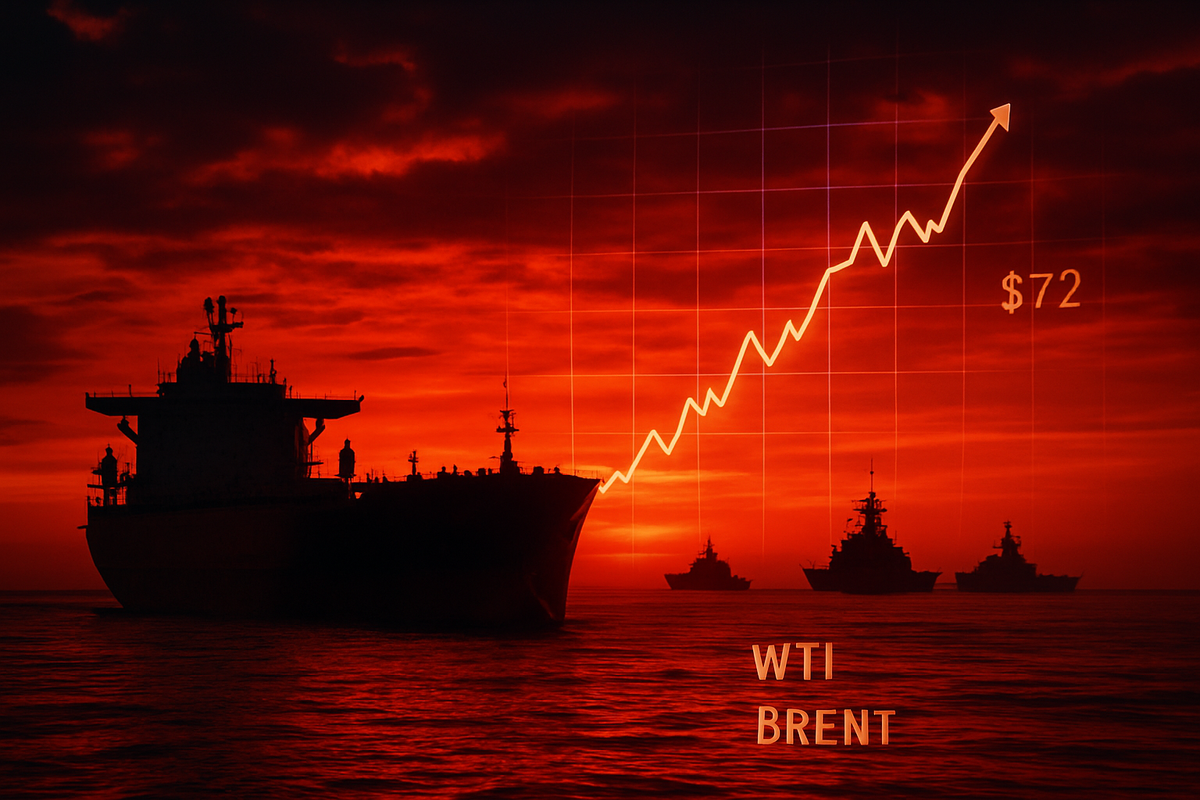
The February 23, 2026 diplomatic developments surrounding Iran nuclear negotiations create a critical window for cross-border e-commerce sellers to optimize logistics costs. With West Texas Intermediate crude stabilizing near $66/barrel and Brent below $72, the geopolitical risk premium in energy markets has contracted, signaling reduced volatility in shipping fuel surcharges. President Trump's stated preference for a nuclear deal—rather than military escalation—removes the tail-risk scenario of sudden crude spikes that could increase air freight costs by 15-25% and ocean freight surcharges by 8-12% within weeks.
For sellers operating high-volume international operations, this diplomatic clarity enables more predictable logistics budgeting through Q2-Q3 2026. Sellers managing multi-warehouse inventory across US, EU, and Asia-Pacific regions can now lock in freight rates with greater confidence, as the probability of sudden geopolitical shocks has diminished. The current oil price range suggests fuel surcharges will remain stable at 3-5% of base freight costs rather than spiking to 8-10% during crisis scenarios. This is particularly valuable for sellers in perishable goods, seasonal merchandise, and time-sensitive categories (electronics, fashion, fresh food) where air freight represents 20-40% of landed costs.
Strategic implications for seller segments: Large sellers (10,000+ monthly units) with established 3PL relationships should lock in Q2-Q3 freight contracts immediately, as carriers may raise rates once geopolitical risk premiums decline further. Medium-sized sellers (1,000-5,000 units) should shift 15-20% of inventory from air freight to ocean freight, capturing 30-40% cost savings now that delivery windows are more predictable. Small sellers relying on expedited shipping should evaluate consolidation services and regional fulfillment centers to reduce per-unit air freight dependency. The diplomatic window also creates opportunities for sellers to rebalance sourcing: those currently paying Iran-related tariff premiums on certain HS codes (textiles, chemicals, minerals) should monitor sanctions relief announcements, as tariff reductions could improve margins by 5-8% on affected categories.
Risk monitoring remains essential: While current negotiations favor deal completion, failure would trigger immediate crude spikes to $80-90/barrel, increasing shipping costs 12-18% within 48 hours. Sellers should establish contingency freight budgets (+10% buffer) and monitor Trump administration statements weekly. The opportunity window for locking favorable rates closes if negotiations stall or military rhetoric escalates, making immediate action critical for sellers with Q2-Q3 inventory commitments.
问题 8
What tariff opportunities exist if Iran sanctions are reduced as part of a nuclear deal?
If negotiations succeed, certain HS codes currently subject to Iran-related tariffs could see reductions of 5-8%, improving margins on affected categories. Key categories include textiles (HS 50-63), chemicals (HS 28-38), minerals (HS 25-27), and metals (HS 72-83). However, tariff relief typically requires 60-90 days of regulatory implementation after deal announcement. Sellers should monitor Treasury Department announcements and consult customs brokers to identify which specific HS codes in their product mix could benefit. Tariff reductions would compound with shipping cost savings, potentially improving landed costs by 10-15% for affected categories. Conversely, if negotiations fail, tariff increases are unlikely, so current rates remain your baseline.
Which product categories benefit most from current shipping cost stability?
Perishable goods, seasonal merchandise, and time-sensitive electronics benefit most because they currently rely on expensive air freight (20-40% of landed costs). Fresh food, flowers, and temperature-controlled products can now shift 20-30% of volume to ocean freight with refrigerated containers, reducing costs by $2-4 per unit. Seasonal items (holiday merchandise, fashion) can pre-position inventory 6-8 weeks earlier via ocean freight, capturing better shelf positioning. Electronics sellers can reduce expedited shipping for non-urgent orders, improving margins by 5-8%. Monitor crude prices weekly; if they spike above $75/barrel, revert to air freight for these categories.