




JPMorgan's $19.8B Tech Investment & Trading Surge Signal Strong 2026 Financing Conditions for E-Commerce Sellers
- Mid-teens trading revenue growth and $1.2B AI investment boost banking sector confidence, improving credit availability and payment processing for cross-border sellers








概览
JPMorgan Chase's dual announcements on February 23-24, 2026, reveal significant implications for e-commerce sellers navigating 2026 financing and payment infrastructure challenges. The bank projects Q1 2026 trading revenue could exceed $10 billion for the first time in company history—a mid-teens percentage increase from Q1 2025's $9.7 billion—signaling robust market conditions and institutional capital activity. Simultaneously, JPMorgan announced a $19.8 billion technology budget (up $2 billion or 10% from 2025), with $1.2 billion specifically allocated to AI and generative AI infrastructure. These developments create a cascading effect on e-commerce operations through three critical channels.
First, improved financing access for inventory and expansion. Strong banking sector performance directly correlates with increased lending availability and favorable credit conditions for small and medium-sized enterprises. Cross-border sellers seeking capital for inventory purchases, 3PL logistics infrastructure, or platform expansion will encounter more favorable lending terms and faster approval cycles. JPMorgan's confidence in market conditions suggests institutional investors remain active in capital markets, indicating sustained consumer spending and economic growth that benefits the e-commerce sector. Sellers should expect improved access to working capital lines of credit, inventory financing, and expansion loans during Q1-Q2 2026.
Second, accelerated payment processing and fraud detection capabilities. JPMorgan's $1.2 billion AI investment focuses on customer service, personalized client insights, and technology infrastructure—areas directly impacting payment processing speed and accuracy. As the bank deploys generative AI across call centers and client service operations, payment disputes and chargebacks will be resolved faster, reducing cash flow friction for sellers. The bank's ranking as No. 1 on Evident AI's AI maturity index suggests JPMorgan will lead the industry in implementing AI-powered fraud detection, reducing false-positive chargebacks that plague cross-border sellers. Competitors like Bank of America's $14 billion tech investment indicates industry-wide acceleration of these capabilities.
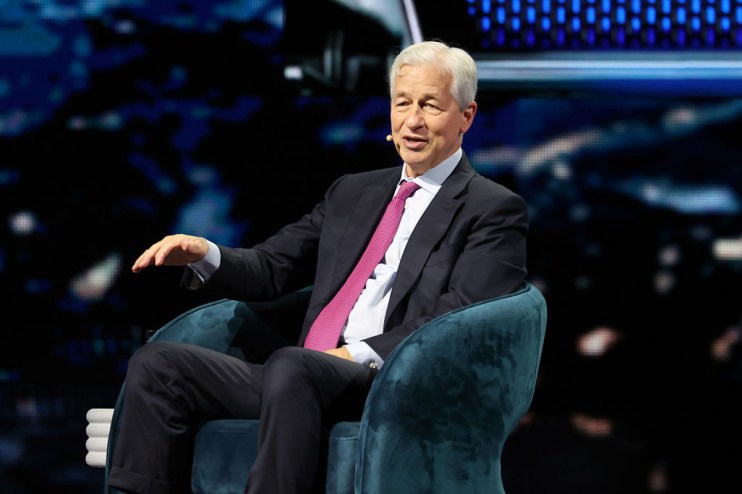
Third, competitive pressure on payment processing fees. CEO Jamie Dimon's emphasis on maintaining "the best tech in the world" to drive margins suggests JPMorgan will leverage AI efficiency gains to compete aggressively on payment processing fees. Sellers using JPMorgan-affiliated payment processors (Chase Paymentech, Merchant Services) should anticipate competitive rate reductions as the bank optimizes operations through AI. The $2 billion technology increase includes hardware inflation costs for AI infrastructure, but headcount growth remains minimal—indicating efficiency gains will translate to margin improvements rather than service expansion costs.
Immediate Actions (0-30 days): Review current financing arrangements and contact JPMorgan or affiliated lenders about Q1 2026 working capital rates; audit payment processor contracts for renewal opportunities; evaluate switching to JPMorgan-affiliated payment solutions if current providers lack AI-powered fraud detection. Strategic Adjustments (1-6 months): Increase inventory investment if accessing improved credit terms; implement AI-powered customer service tools to match banking sector standards; monitor competitor payment processing announcements as Bank of America and other banks deploy similar AI capabilities. Risk Mitigation: Monitor JPMorgan's actual Q1 2026 trading results (due April 2026) to confirm sustained market strength; track payment processing fee changes quarterly; maintain relationships with multiple lenders to avoid over-dependence on single credit source.
问题 8
What does JPMorgan's focus on AI in customer service mean for chargeback resolution timelines?
JPMorgan's $1.2 billion AI investment specifically targets customer service in call centers and personalized client insights, directly impacting chargeback and dispute resolution speed. Generative AI deployment will enable faster triage of payment disputes, reducing resolution timelines from 30-45 days to potentially 10-15 days. Sellers using JPMorgan payment processors will benefit from faster cash recovery on disputed transactions, improving working capital efficiency. The bank's emphasis on AI-powered customer service suggests chargebacks will be resolved through automated systems with human escalation only for complex cases, reducing processing delays. Expect measurable improvements in dispute resolution speed by Q2 2026 as AI systems mature.
How will Bank of America's $14B technology investment compete with JPMorgan's AI capabilities?
Bank of America's $14 billion 2026 technology investment indicates industry-wide acceleration of AI-powered payment processing and fraud detection. While JPMorgan leads on AI maturity (Evident AI ranking), Bank of America's substantial investment suggests competitive parity will emerge by mid-2026. Sellers should expect both banks to offer competing payment processing solutions with similar AI capabilities, creating opportunities to negotiate better rates. The competitive dynamic benefits sellers through fee reductions and improved service quality as banks leverage AI efficiency gains to drive margins. Monitor both banks' merchant services announcements quarterly to identify rate reduction opportunities.