



GLP-1 Market Boom Reshapes Consumer Spending | $200B Opportunity for Sellers
- 20-25M global users driving $71.7B market surge; sellers can capitalize on lifestyle product demand, reduced food spending, and emerging wellness categories through 2030

/shethepeople/media/media_files/2026/02/18/ozempic-2026-02-18-23-34-31.webp)












概览
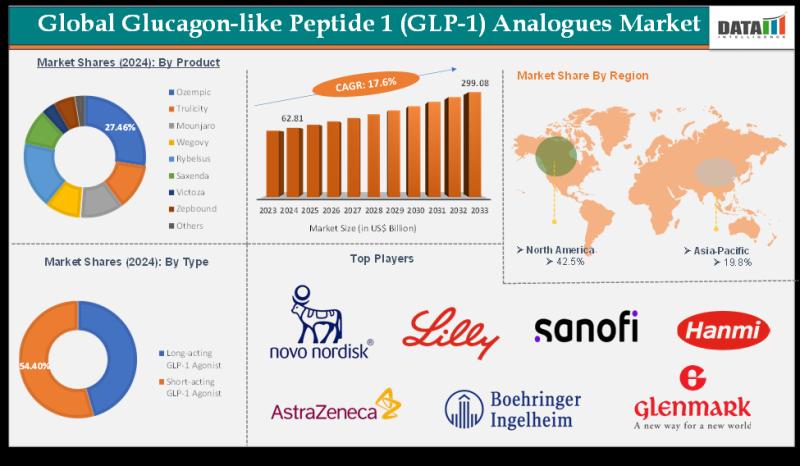
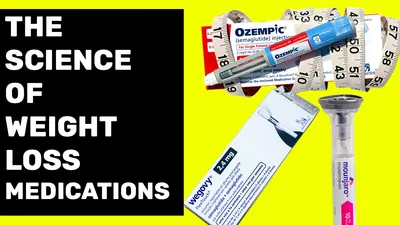
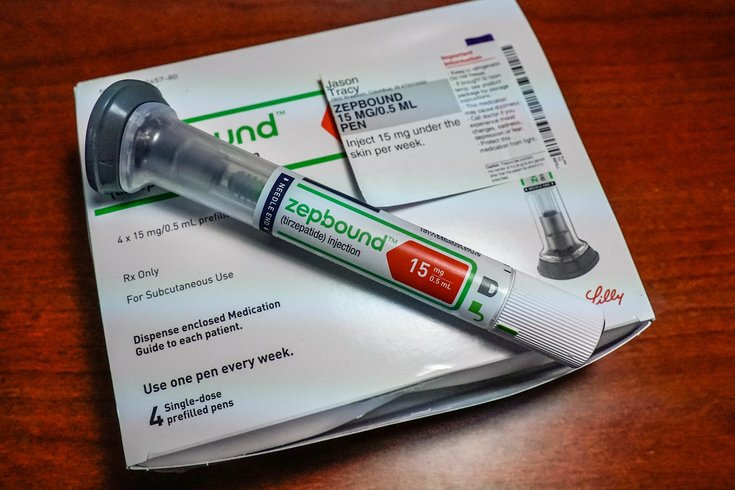
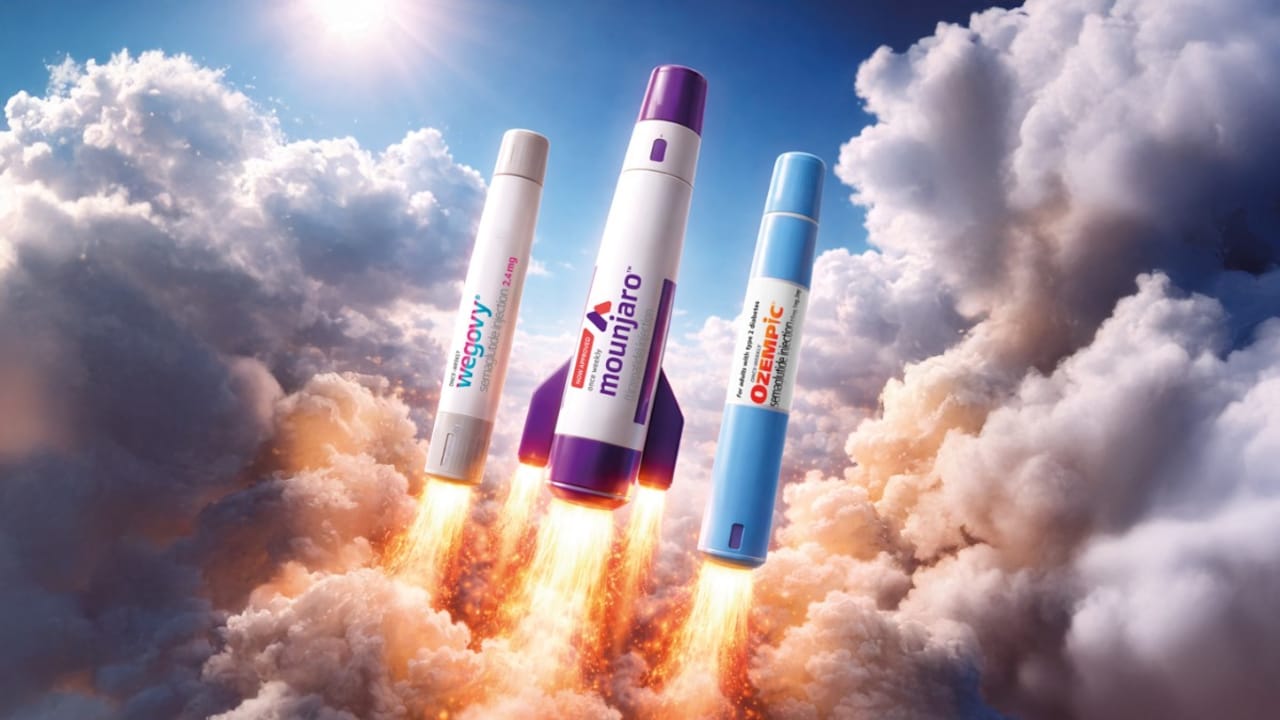
The GLP-1 pharmaceutical market represents a transformative consumer trend with profound implications for e-commerce sellers across multiple categories. With 20-25 million patients worldwide using GLP-1 medications (Novo Nordisk's Wegovy and Eli Lilly's Zepbound), and 18% of American adults having tried these appetite-suppressant drugs, the market has exploded from $13.7 billion in 2018 to $71.7 billion in 2023, with projections reaching $100-200 billion by 2030. This unprecedented growth signals a fundamental shift in consumer behavior that directly impacts seller opportunities in fashion, wellness, health supplements, and lifestyle product categories.
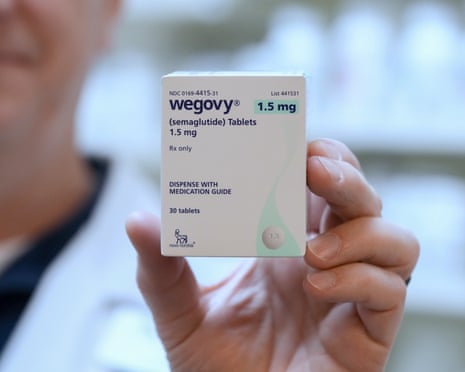
Consumer spending patterns are dramatically shifting due to GLP-1 adoption. Users report radical changes in food consumption and discretionary spending. Daniel Daines-Hutt's grocery spending dropped from $200-300 weekly to $50-80, while Taylor Ragano transitioned from "food noise" obsession to an "eat-to-live" mentality. This 60-75% reduction in food spending represents a massive reallocation of consumer budgets toward other categories. Sellers in food delivery, meal kit services, and grocery-adjacent categories face headwinds, but complementary product categories—fitness apparel, body-contouring clothing, wellness supplements addressing side effects like muscle loss and skin sagging—experience tailwinds. The market shift from weekly injections to daily oral pills (Novo Nordisk's Wegovy pill launched December 22, 2024, achieving 50,000 prescriptions weekly by January 2025) indicates accelerating adoption and sustained consumer engagement with weight-loss solutions.
The pharmaceutical delivery shift creates manufacturing and supply chain opportunities. Novo Nordisk's pill formulation represents the fastest drug launch in history, exceeding injection adoption rates from 2021. Eli Lilly's orforglipron pill launch (anticipated April 2025) with small-molecule formulation that doesn't require fasting signals intensifying competition and manufacturing scaling. However, counterfeiting risks increase with pill-based medications—tablets are easier to replicate than injections—creating opportunities for sellers of authentication products, packaging solutions, and supply chain verification tools. Manufacturing concerns regarding tablet production scaling present sourcing opportunities for contract manufacturers and packaging suppliers serving pharmaceutical companies.
Emerging therapeutic applications expand the addressable market beyond weight loss. Harvard Medical School research (February 2026) documents GLP-1 effectiveness for heart failure (40% relative risk reduction), chronic liver disease, obstructive sleep apnea, and substance use disorders. This therapeutic expansion from 20-25 million current users to potentially 3.3 million additional interested adults (UK data) creates demand for complementary health products: cardiac monitoring devices, sleep apnea accessories, liver health supplements, and addiction recovery support products. The paradigm shift toward treating "central cardio-kidney metabolic processes" rather than isolated conditions suggests sustained, multi-year consumer engagement with health management products.
Insurance coverage variability and cost barriers create niche seller opportunities. GLP-1s cost over $1,000 per dose, with insurance coverage varying significantly. Melody Ewert's monthly costs ranged from $25-449 depending on dosage and insurance status, while Patrick paid $150 monthly out-of-pocket. This cost sensitivity drives demand for generic alternatives, cost-comparison tools, and supplementary products that enhance efficacy (vitamins, minerals, meal planning guides). Sellers can target price-conscious consumers through Amazon, Walmart, and specialty health platforms with affordable complementary products addressing documented side effects: gastrointestinal distress remedies, muscle-building supplements for muscle mass loss, and skincare products for sagging skin from rapid weight loss.
问题 8
What side effects create product opportunities for GLP-1 users?
GLP-1 users report documented side effects creating specific product demand: muscle mass loss (driving demand for protein supplements, resistance training equipment, and muscle-building guides), skin sagging from rapid weight loss (collagen supplements, skincare products, body-contouring clothing), gastrointestinal distress (digestive enzymes, probiotic supplements, anti-nausea remedies), and appetite suppression side effects (meal-replacement products, nutrient-dense supplements). Sellers can develop targeted product bundles addressing these side effects on Amazon and specialty health platforms. The rapid weight loss (80 pounds in 6 months documented in case studies) creates sustained demand for body-contouring apparel and skin health products throughout the user's weight-loss journey.
How can sellers capitalize on the $200B GLP-1 market opportunity by 2030?
Sellers should develop multi-category strategies targeting the $200B GLP-1 market projected by 2030. Primary opportunities include: (1) Complementary wellness products (supplements, fitness apparel, body-contouring clothing) addressing documented side effects and lifestyle changes; (2) Cost-effective alternatives and generic products targeting price-sensitive consumers facing $1,000+ per-dose medication costs; (3) Supply chain and authentication products for pharmaceutical manufacturers scaling pill production; (4) Health monitoring and management products supporting expanded therapeutic applications (cardiac devices, sleep accessories, liver health products); (5) Meal-planning and nutrition guides optimizing reduced food intake. Sellers should prioritize Amazon, Walmart, and specialty health platforms where GLP-1 users actively search for complementary products.