



North Korea's Political Consolidation Signals Potential Economic Reforms | Regional Trade Implications for Cross-Border Sellers
- Kim Jong Un's five-year economic development plan creates indirect opportunities in South Korean and Chinese supply chains; sellers should monitor geopolitical risk factors affecting regional logistics corridors and tariff structures













概览
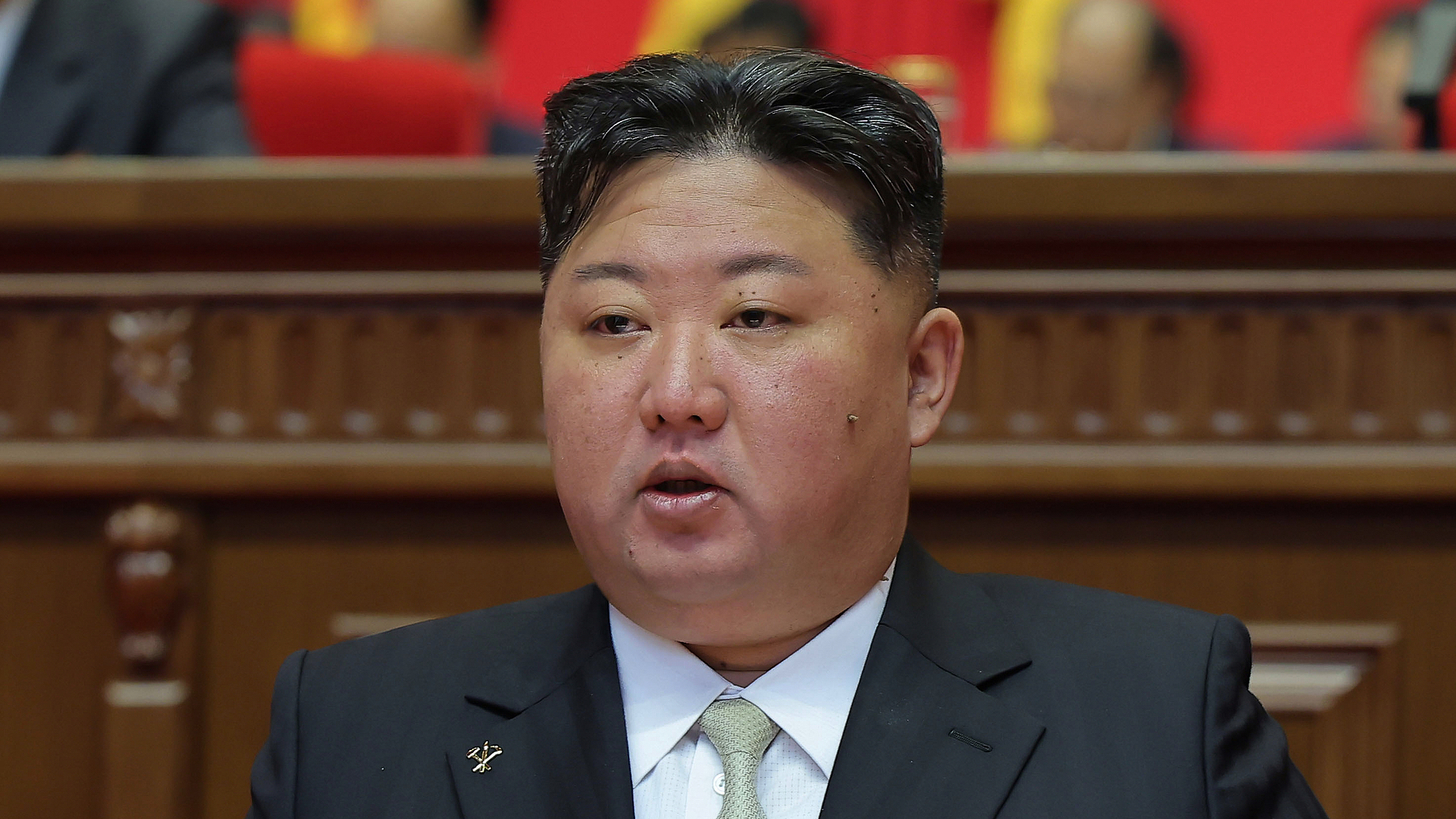
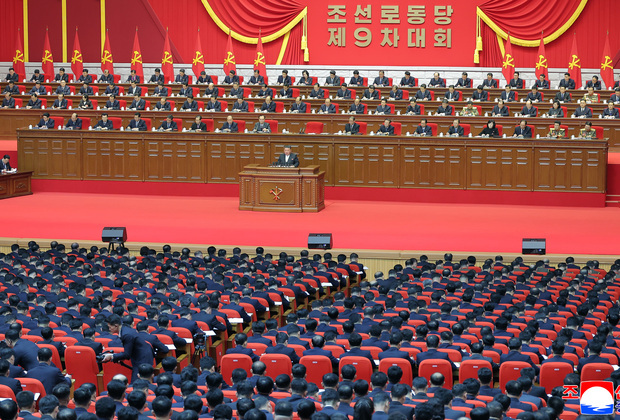
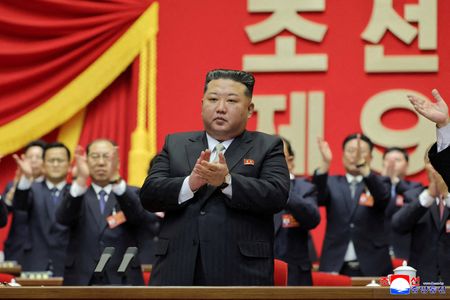
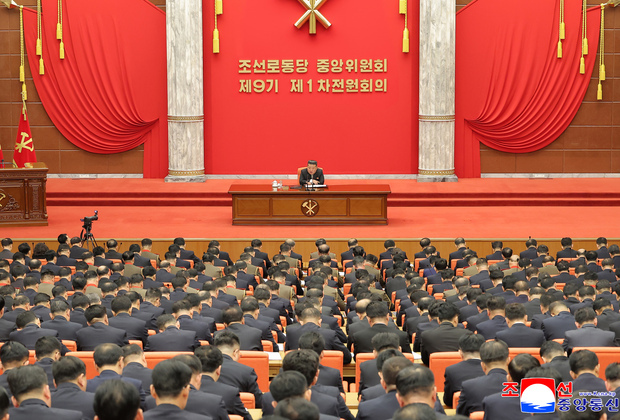
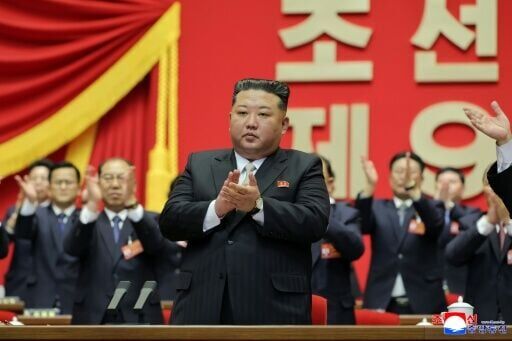
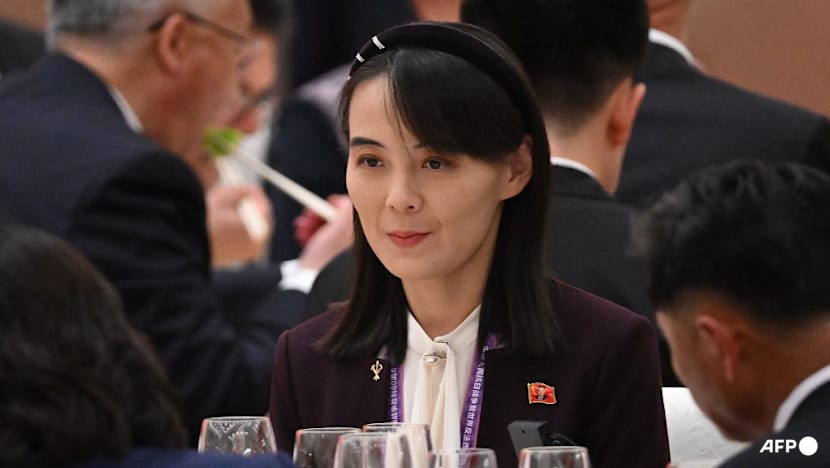
North Korea's February 2026 Workers Party Congress represents a significant political consolidation event with indirect implications for cross-border e-commerce sellers operating in East Asian markets. Kim Jong Un's re-election as party secretary-general and his sister Kim Yo Jong's promotion to full department director—overseeing propaganda and inter-Korean relations—signal a tightening of internal control structures. More critically, Kim Jong Un's announced "full-scale progress phase" economic development plan over the next five years indicates potential policy shifts toward economic modernization, though North Korea's historical isolation limits direct market access.
For cross-border sellers, the strategic relevance centers on three indirect vectors: First, the political stability consolidation reduces geopolitical uncertainty in the Korean Peninsula, potentially stabilizing South Korean supply chains and logistics corridors that feed into global e-commerce operations. South Korea remains a critical sourcing hub for electronics, semiconductors, and consumer goods—categories representing $180B+ in annual cross-border trade. Second, Kim Jong Un's explicit focus on economic development and technological advancement (mentioned in News 3) suggests potential future opening of North Korean markets or Chinese-North Korean trade corridors, which could reshape regional tariff structures and create new sourcing opportunities in the 2027-2030 timeframe. Third, the promotion of Kim Yo Jong to oversee inter-Korean relations signals potential diplomatic thawing, particularly given the news reports of U.S. President Trump's openness to engagement—a development that could eventually affect sanctions regimes and trade restrictions affecting the broader region.
Competitive dynamics for sellers: Sellers with supply chain exposure to South Korea (electronics, components, consumer goods) should monitor political stability as a risk factor affecting production continuity. Sellers focused on Chinese manufacturing should track any policy shifts in China-North Korea trade relationships, as these could affect tariff classifications and sourcing costs for goods transiting through Chinese ports. The five-year economic development timeline creates a medium-term window (2027-2030) where sellers positioned in Vietnam, India, or Southeast Asian alternatives may gain competitive advantages if North Korean market opening creates new tariff corridors or if Chinese manufacturing costs rise due to regional trade rebalancing.
问题 8
What is the significance of Kim Jong Un's announced five-year economic development plan for sellers?
Kim Jong Un's explicit commitment to a 'full-scale progress phase' economic development plan over five years signals potential policy shifts toward economic modernization and technological advancement. While North Korea's current isolation prevents direct market access, this announcement creates a medium-term window (2027-2030) where sellers should monitor for potential market opening or Chinese-North Korean trade corridor expansion. Sellers positioned in alternative sourcing regions (Vietnam, India, Southeast Asia) may gain competitive advantages if North Korean market liberalization occurs, as this could reduce tariff pressures on Chinese manufacturing and create new trade routes. The timeline suggests monitoring diplomatic developments quarterly through 2027.
How might Trump's stated openness to North Korean engagement affect cross-border trade policy?
The news reports indicate U.S. President Trump's openness to diplomatic engagement with North Korea, contrasting with previous 'greatest enemy' rhetoric. If diplomatic normalization occurs, this could eventually affect sanctions regimes and trade restrictions affecting the broader East Asian region. For sellers, potential outcomes include: (1) reduced tariff uncertainty in Korean Peninsula trade corridors, (2) possible expansion of Chinese-North Korean trade relationships affecting regional tariff structures, and (3) long-term market access opportunities in North Korea (2028+). Sellers should monitor U.S.-North Korea diplomatic announcements quarterly and adjust supply chain risk assessments accordingly, particularly those with exposure to Chinese manufacturing or South Korean sourcing.