





Bitcoin Crash 19% in February 2026 | Cross-Border Sellers Face Payment Volatility & Tariff Headwinds
- Bitcoin plunges to $62,701 (19% monthly decline), triggering $120B crypto market selloff and payment processing risks for international merchants accepting digital currencies



























概览
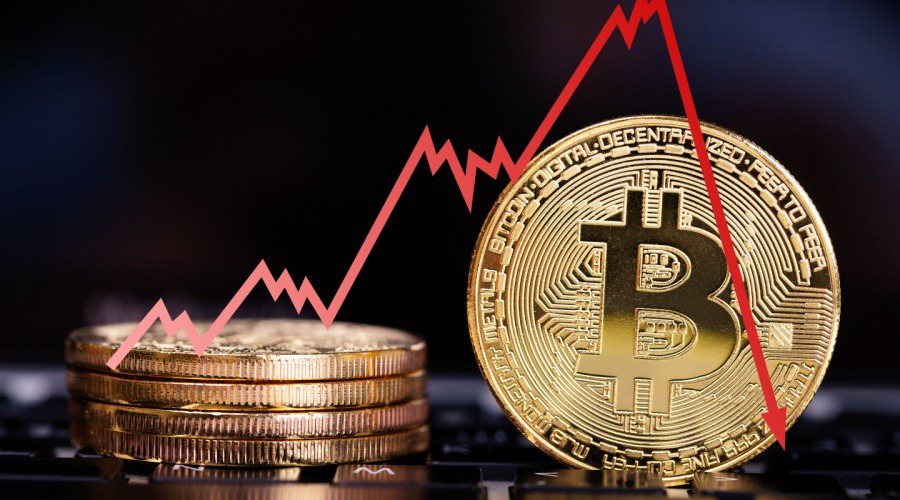
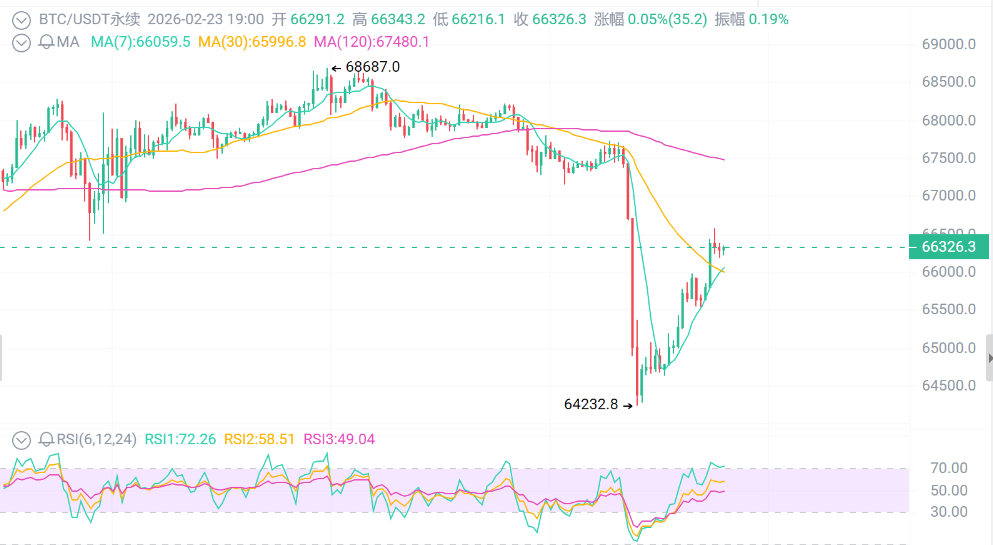
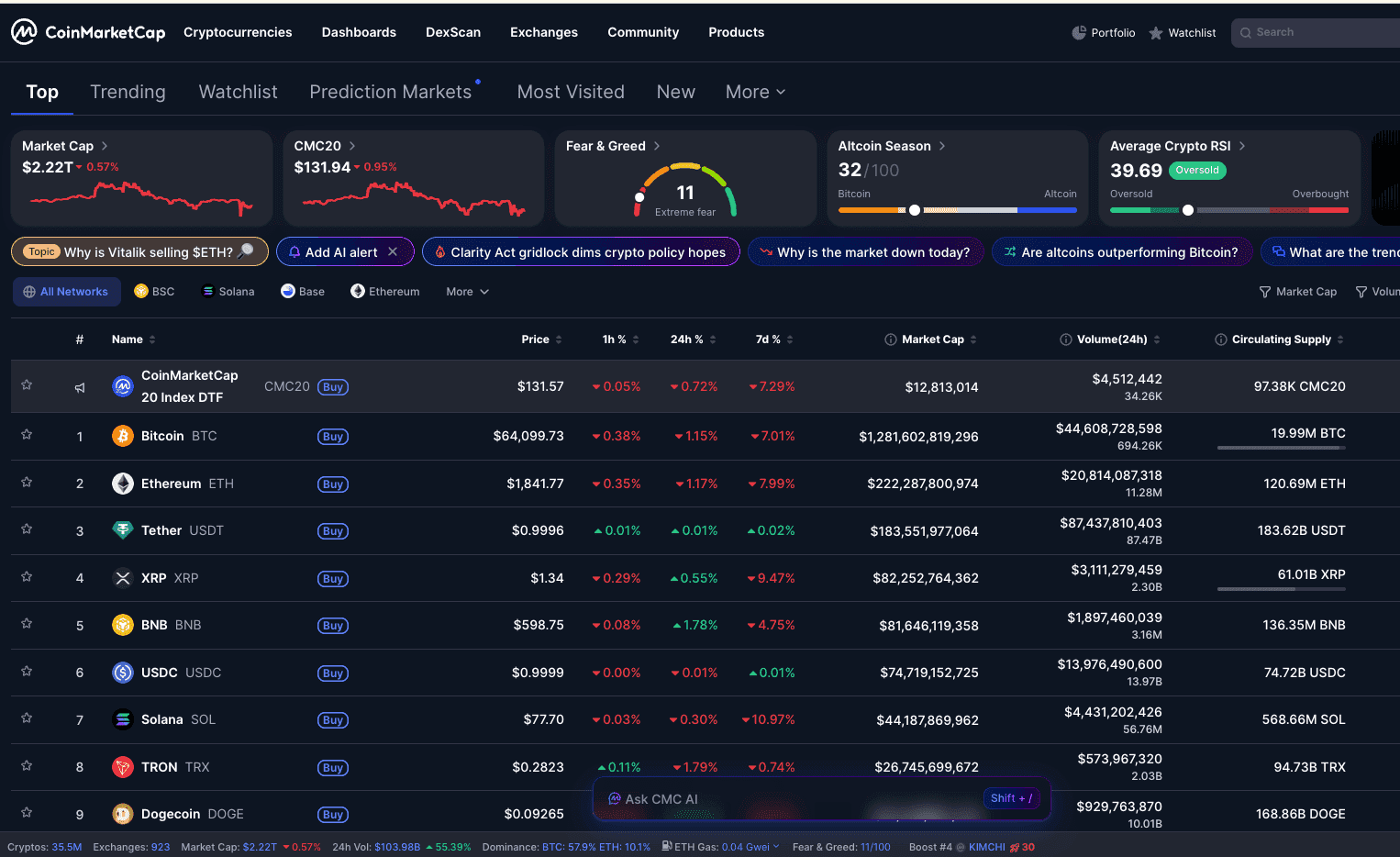
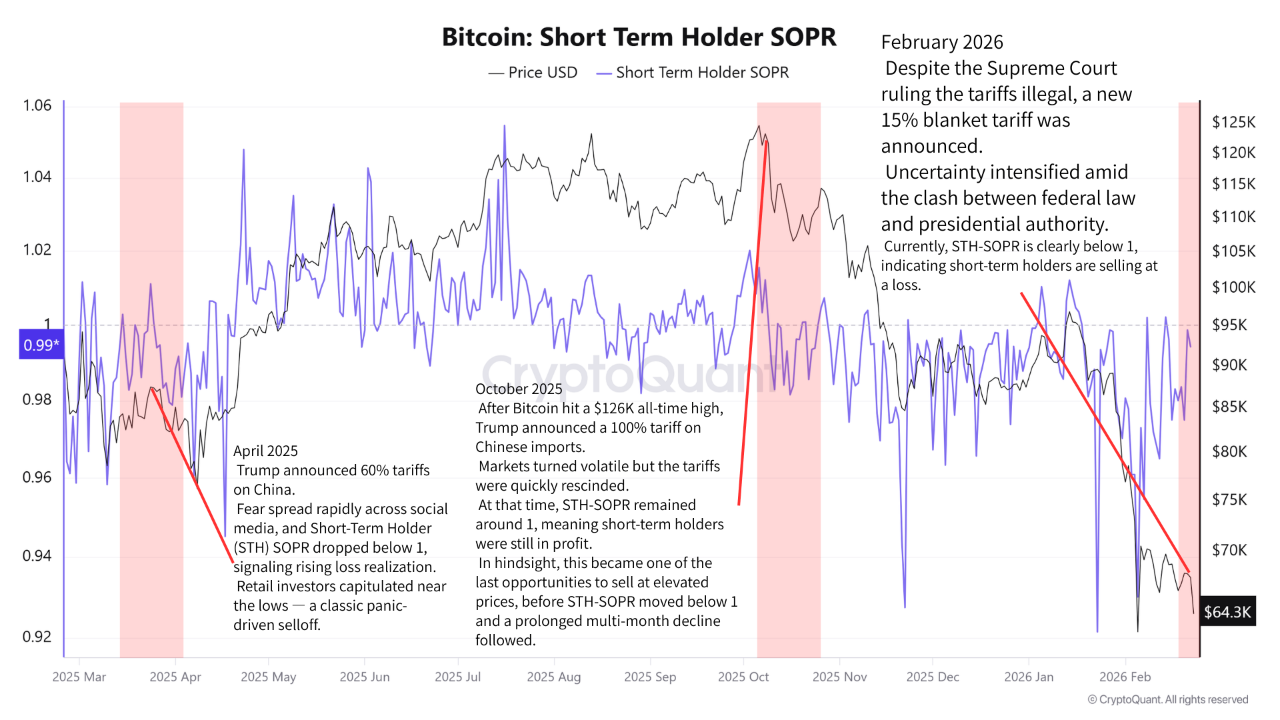
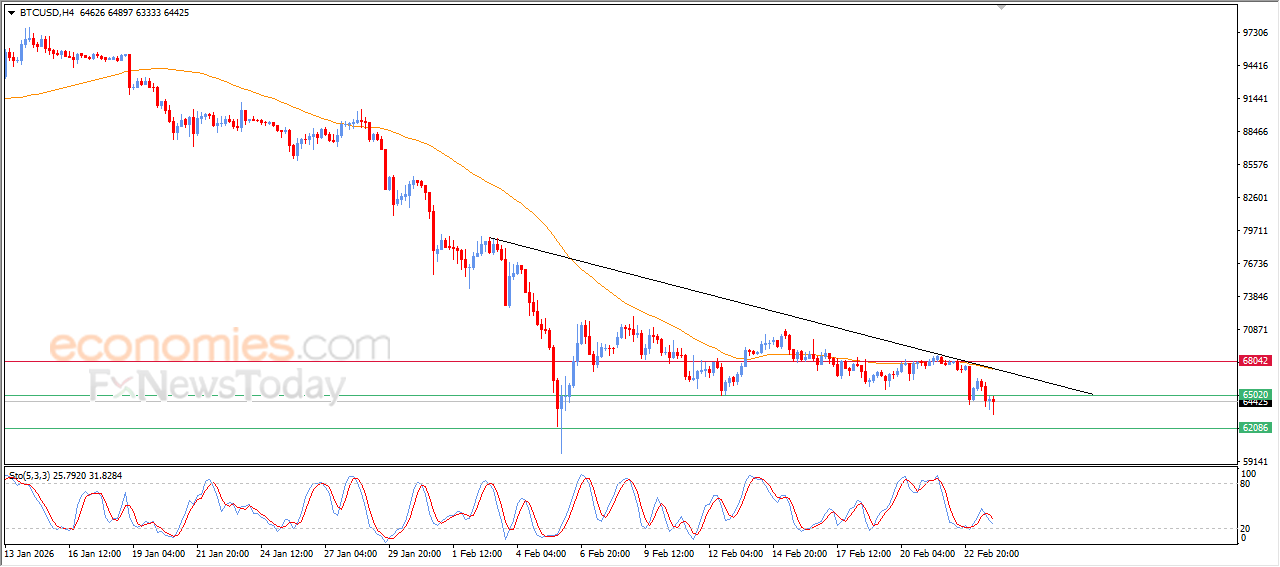
Bitcoin's 19% February 2026 collapse to $62,701—the worst month since June 2022's crypto winter—signals critical payment processing risks for cross-border e-commerce sellers. The cryptocurrency declined from $64,000 to lows of $63,396 on February 23, 2026, then fell further to $62,701 by month-end, representing the longest losing streak since 2018 (five consecutive monthly declines). This downturn correlates directly with macroeconomic headwinds: President Trump's announcement of 15% global tariff increases, escalating Iran nuclear tensions, and Middle East military deployments triggered a "classic risk-sentiment reset" according to Invesco's APAC analysis. The broader crypto market shed $120 billion in value between Monday and Tuesday alone, with Ether falling 2.9% to $1,812, while US-listed spot Bitcoin ETFs experienced $200+ million in outflows.
For cross-border sellers, this volatility creates immediate payment processing challenges. Cryptocurrency payment processors—increasingly adopted by international merchants for reduced fees and faster settlement—become significantly less attractive during high-volatility periods. Sellers accepting Bitcoin face dual risks: (1) customer hesitation during bear markets reduces crypto payment adoption, and (2) settlement delays occur as payment processors reduce transaction volumes. The correlation between Bitcoin's decline and tariff uncertainty is particularly relevant: tariff tensions directly increase cross-border logistics costs (shipping, customs, warehousing), while simultaneously reducing investor appetite for international trade expansion. This creates a compounding effect—sellers face higher supply chain costs precisely when payment processing becomes less reliable.
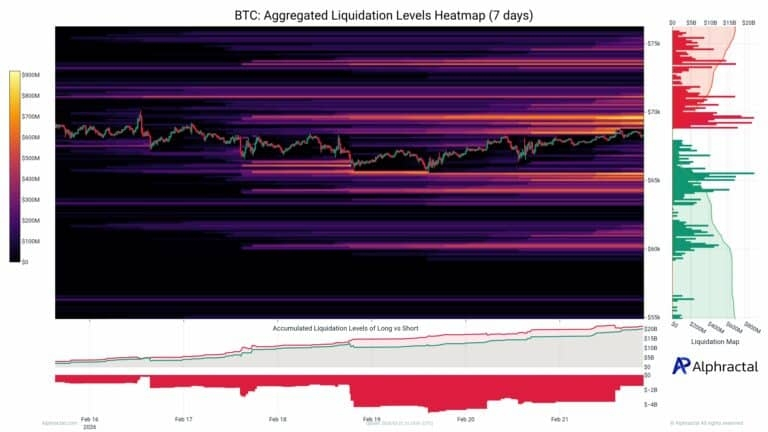
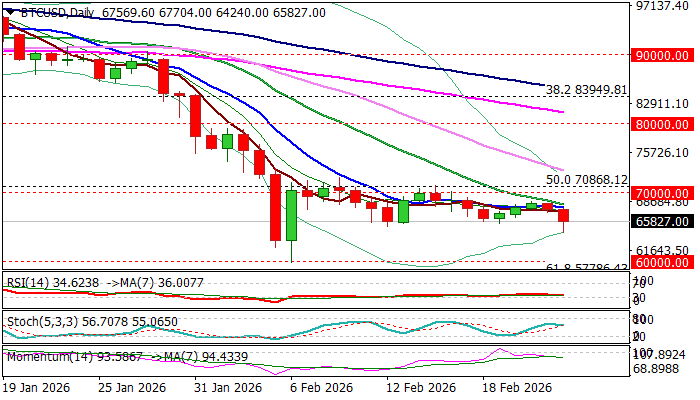
Technical analysis indicates deeper pressure ahead. Bitcoin approaches its 200-week moving average of $58,503, with critical support at $60,000. Failure to hold above $58,000-60,000 could trigger deeper pullbacks, according to IG Australia analyst Tony Sycamore. Options trading data from Deribit shows demand for downside insurance roughly twice that of bullish bets, indicating bearish positioning. Bitcoin miners face severe strain with average all-in mining costs around $80,000, forcing many to operate below breakeven—Bitdeer Technologies liquidated its entire Bitcoin holdings. The absence of meaningful near-term catalysts suggests continued pressure, with portfolio managers noting no structural recovery drivers.
Immediate payment strategy implications: Sellers relying on cryptocurrency payment processors should diversify to traditional payment methods (Stripe, PayPal, Wise) to reduce volatility exposure. Cross-border sellers should lock in FX rates now before tariff-driven currency volatility accelerates. Invoice financing and supply chain financing products become more attractive as working capital tightens during market uncertainty. Consider accelerating collections from existing customers to build cash reserves before potential tariff implementation increases operational costs.
问题 8
What payment processing alternatives offer lower fees than Bitcoin during market downturns?
Traditional payment processors offer more stable fee structures during crypto volatility: Stripe charges 2.9% + $0.30 per transaction (vs. 1-2% for crypto but with settlement delays), PayPal charges 2.99% + $0.30 (with instant settlement), and Wise offers 0.6-1.5% for cross-border transfers with real mid-market rates. For high-volume cross-border sellers, invoice financing platforms (Fundbox, BlueVine) offer 1-3% fees with immediate working capital access, compared to crypto processors' variable settlement times. During Bitcoin's current downturn, sellers should prioritize payment methods with guaranteed settlement speed over lowest fees.
How does Bitcoin's 19% February decline affect cross-border sellers accepting crypto payments?
Bitcoin's collapse to $62,701 (down 19% for February 2026, the worst month since June 2022) directly reduces customer willingness to pay in cryptocurrency during bear markets. Sellers accepting Bitcoin face two immediate impacts: (1) reduced transaction volume as buyers hesitate during volatility, and (2) payment processor delays as crypto platforms reduce settlement speeds during market stress. Historical data from the 2022 crypto winter shows merchant adoption drops 30-40% during similar downturns. Sellers should immediately diversify to traditional payment methods (Stripe, PayPal, Wise) and consider locking in FX rates before tariff-driven currency volatility accelerates further.