




US-France Diplomatic Crisis Escalates | Tariff & Trade Policy Risks for Cross-Border Sellers
- Escalating US-France tensions signal potential trade retaliation; sellers face tariff uncertainty and market access risks in €2.8T EU e-commerce sector




























概览
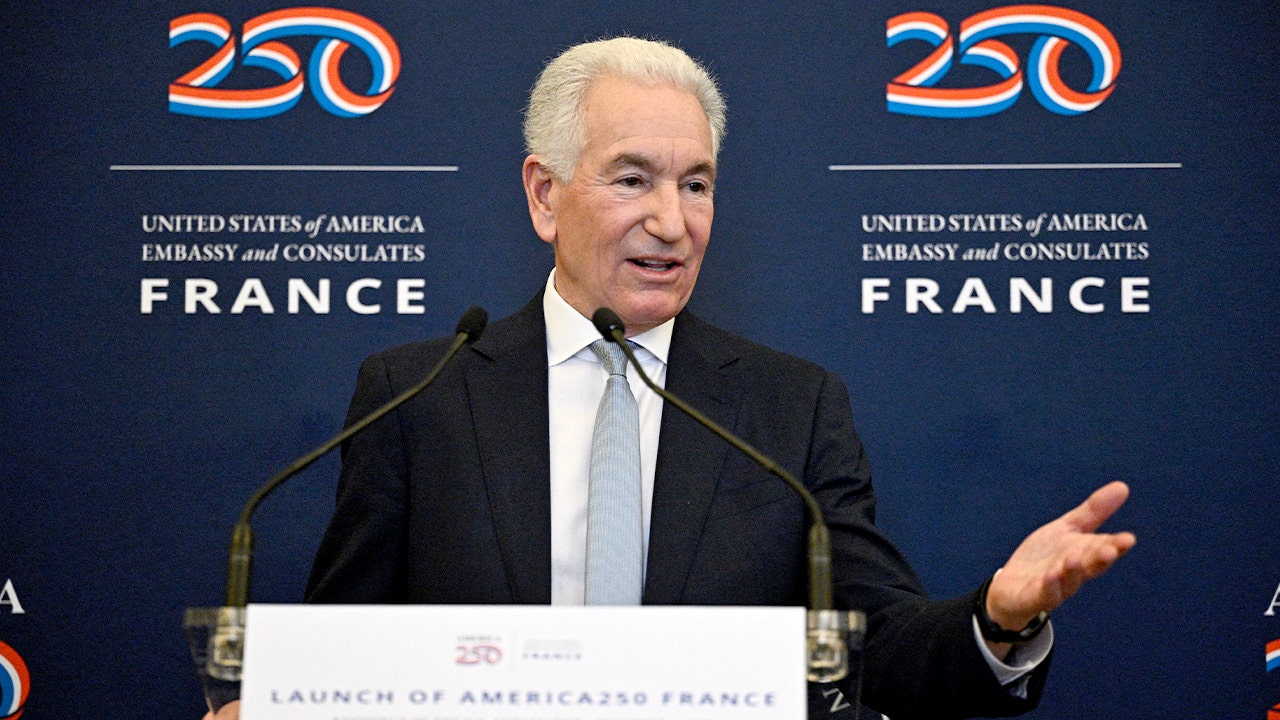
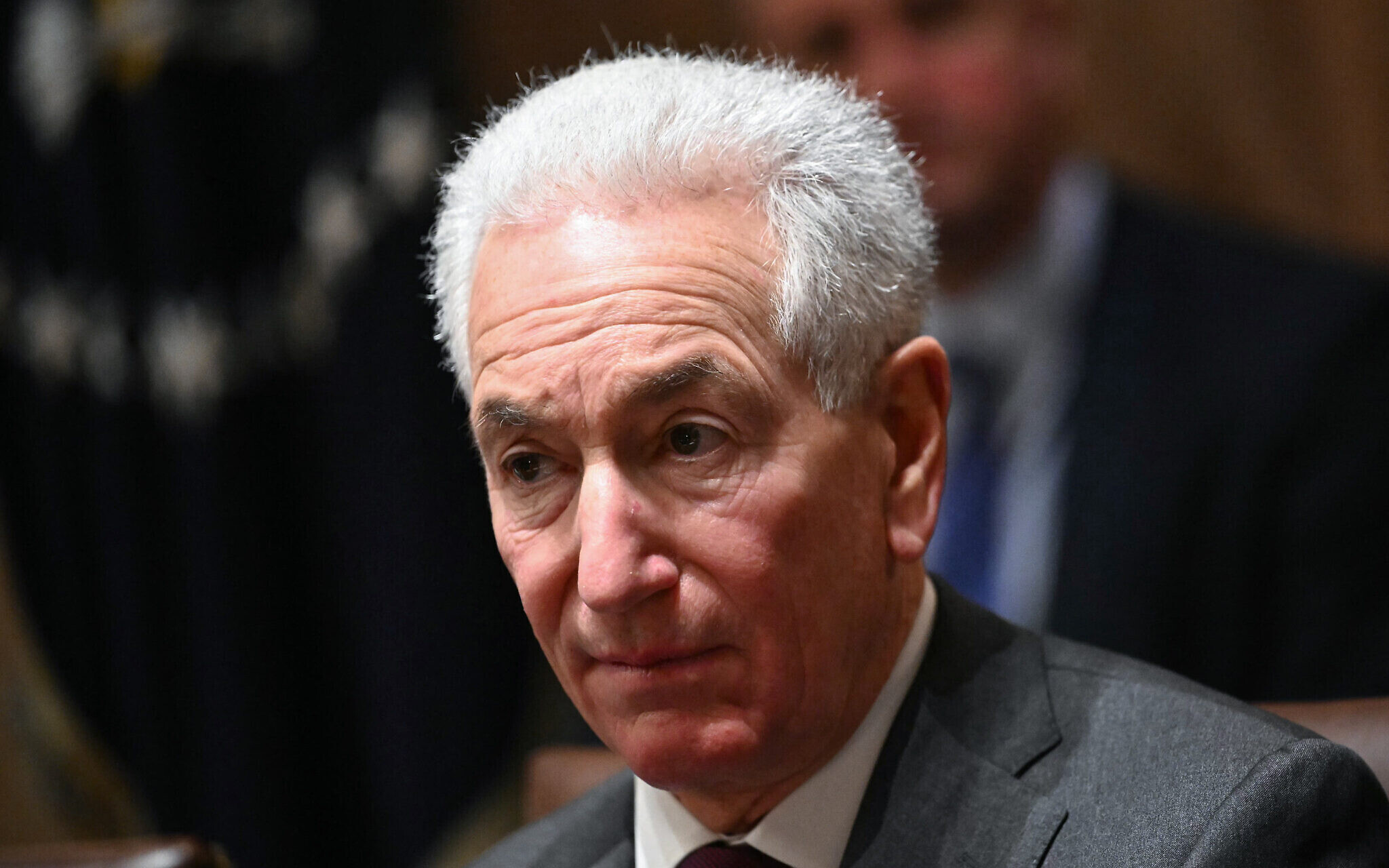
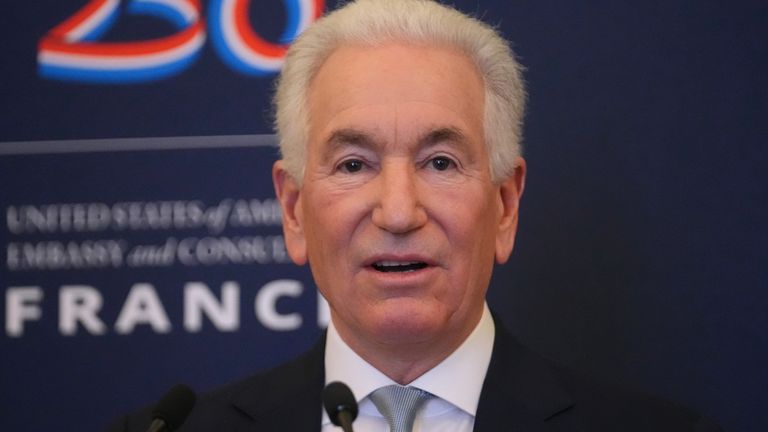
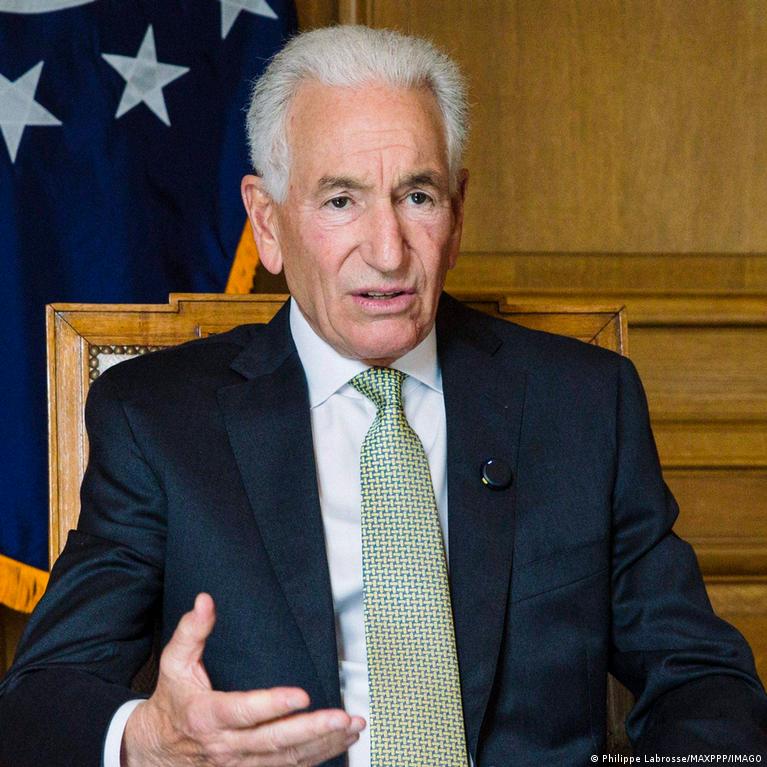
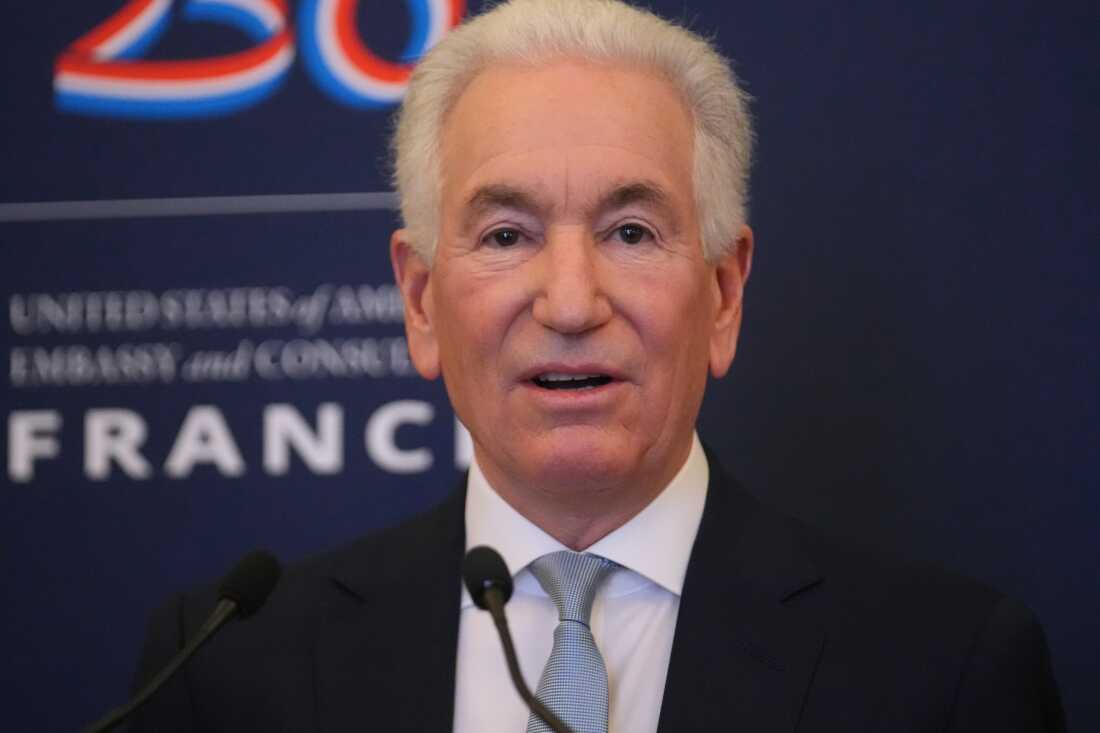
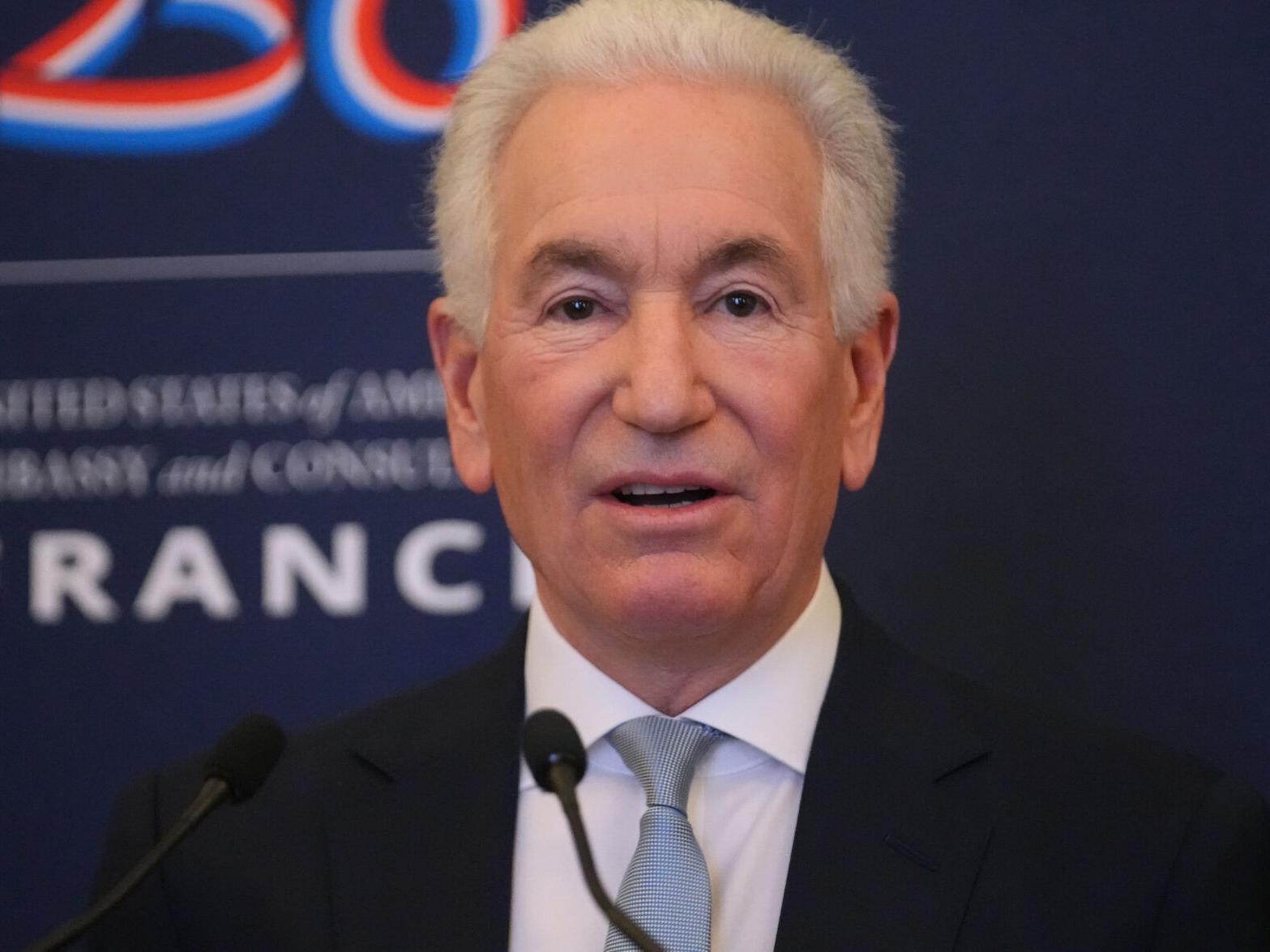
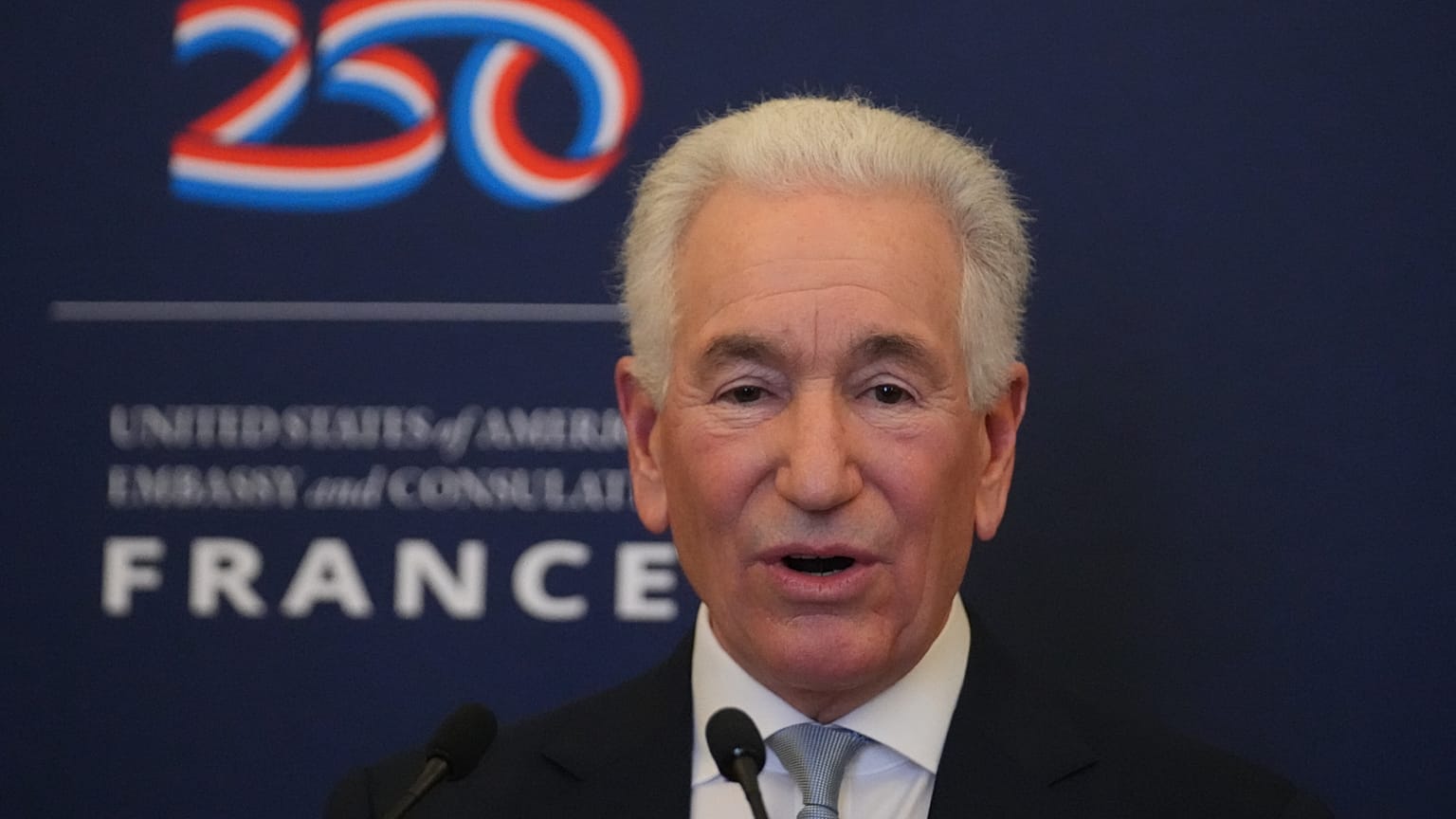
The escalating diplomatic crisis between the United States and France—triggered by the Trump administration's controversial statements on French domestic violence and Ambassador Kushner's diplomatic protocol violations—represents a critical inflection point for cross-border e-commerce sellers operating in transatlantic markets. As of February 24, 2026, France has formally barred US Ambassador Charles Kushner from government access, marking the second summons in six months and signaling unprecedented diplomatic deterioration. This breakdown in bilateral relations creates immediate and medium-term trade policy risks that directly impact seller profitability, market access, and supply chain strategy.
Tariff Arbitrage Vulnerability: The diplomatic standoff threatens the fragile US-EU trade framework that has enabled tariff-efficient cross-border operations. Historically, diplomatic tensions precede trade retaliation—the 2018 steel/aluminum tariffs followed similar political friction. Sellers currently leveraging EU tariff advantages (particularly in electronics HS 8471-8517, apparel HS 6204-6206, and machinery HS 8401-8406) face potential tariff escalation of 15-25% if France leads EU retaliatory measures. The timing is particularly acute as France approaches March 2026 local elections; political pressure for nationalist trade policies will intensify. Sellers with 40-60% of inventory sourced from US suppliers and destined for EU markets should immediately model tariff scenarios assuming 20% duty increases on key categories.
Market Access Deterioration: France represents €18.2B in annual e-commerce sales (2025 data), with 34% of transactions involving cross-border sellers. The ambassador's access restriction signals France may accelerate regulatory barriers—increased customs inspections, stricter VAT enforcement, or accelerated implementation of Digital Services Tax (DST) targeting US-based platforms. Sellers should expect 5-10 day delays in customs clearance for US-origin shipments and potential DST liability increases of 3-6% on French marketplace sales. The Trump administration's stated support for "patriotic European parties" (referenced in News 4) creates political cover for French protectionist measures that would normally face EU scrutiny.
Competitive Dynamics Shift: This crisis advantages EU-based sellers and Asian suppliers (Vietnam, India) over US-based competitors. Sellers with established EU warehousing and local sourcing can capture market share from US competitors facing tariff headwinds. The 12-18 month window before potential trade war escalation represents a critical opportunity for US sellers to either relocate inventory to EU 3PLs or pivot sourcing to tariff-advantaged countries. Small sellers (under $500K annual revenue) lack negotiating power with 3PLs and face disproportionate impact; medium sellers ($500K-$5M) can execute strategic pivots; large sellers ($5M+) can absorb tariff increases but face margin compression of 8-12%.
Compliance and Operational Urgency: The diplomatic breakdown creates immediate compliance risks. France may implement enhanced customs documentation requirements, stricter product safety inspections, or accelerated enforcement of EU product standards. Sellers should audit their French marketplace listings for compliance with GDPR, DST registration, and upcoming Digital Markets Act (DMA) requirements by March 15, 2026. The political calendar (March elections, potential June parliamentary elections) creates a 90-day window of maximum regulatory uncertainty.
问题 8
How does the March 2026 French election timeline affect trade policy?
France's March 2026 local elections serve as bellwethers for the June presidential campaign, creating 90 days of maximum political uncertainty. Nationalist parties (National Rally) will pressure the government to adopt protectionist trade measures to demonstrate strength. This creates a 'regulatory window' where France may implement stricter customs procedures, accelerated DST enforcement, or new product safety requirements to appeal to nationalist voters. Sellers should expect policy announcements in late February/early March 2026. Monitor French government press releases and EU trade policy updates weekly. Expect regulatory changes to take effect 30-60 days after announcement.
What is the timeline for potential US-EU trade retaliation?
Diplomatic escalation typically precedes trade retaliation by 3-6 months. The current crisis (February 2026) suggests potential tariff announcements by May-August 2026, with implementation 30-90 days later. However, France's election cycle could accelerate this timeline—nationalist pressure may force faster action by June 2026. Sellers should prepare contingency plans by April 2026: finalize alternative sourcing agreements, establish EU warehousing contracts, and model tariff scenarios. The 2018 steel tariff precedent shows 60-day implementation windows, so sellers have limited time to adjust inventory and supply chains before duties take effect.