


Ukraine War Escalation Reshapes Global Supply Chains | Sellers Face Logistics & Sourcing Risks
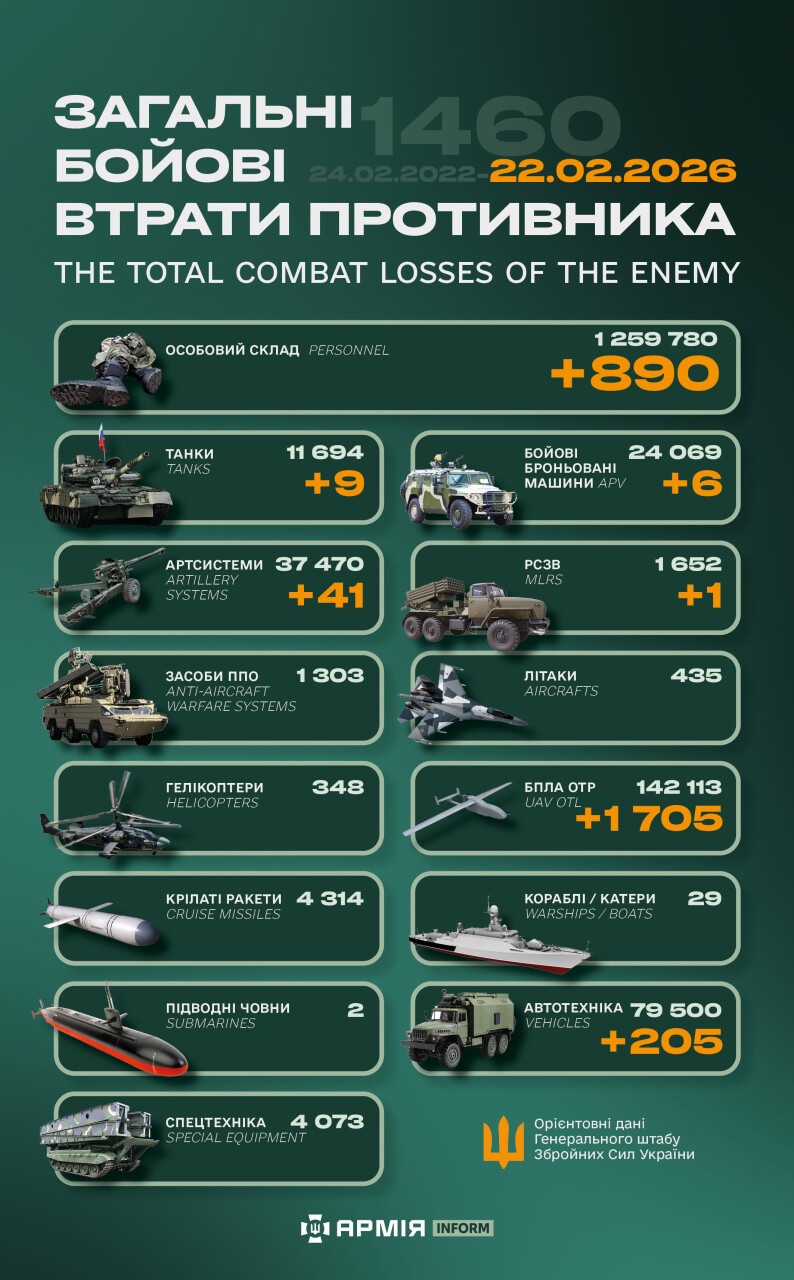
- Russia's 1.25M+ casualties create Eastern European manufacturing disruptions affecting cross-border sellers; drone warfare accelerates tech product demand; geopolitical instability threatens payment systems and logistics corridors for 50K+ sellers with Eastern European exposure































概览
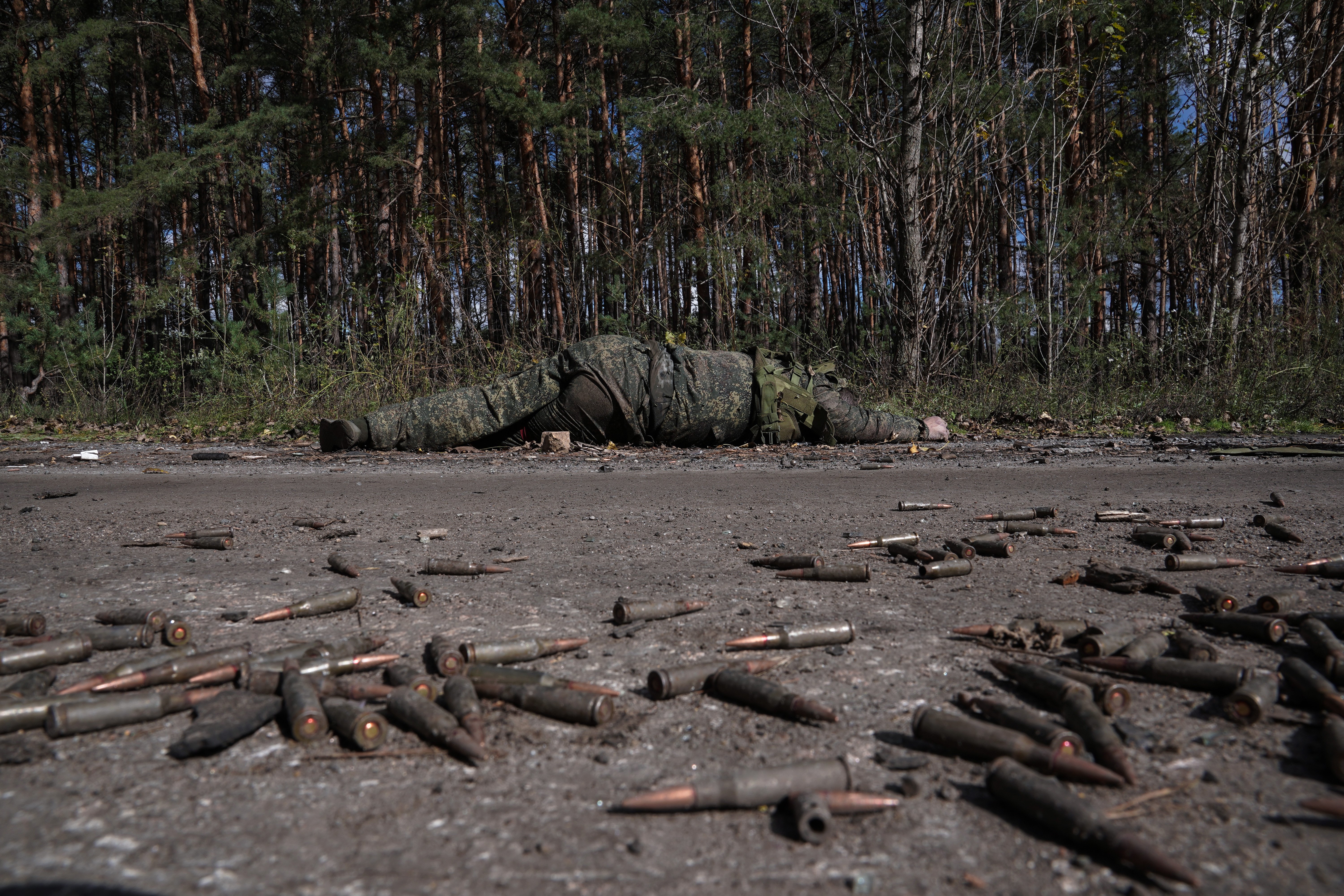
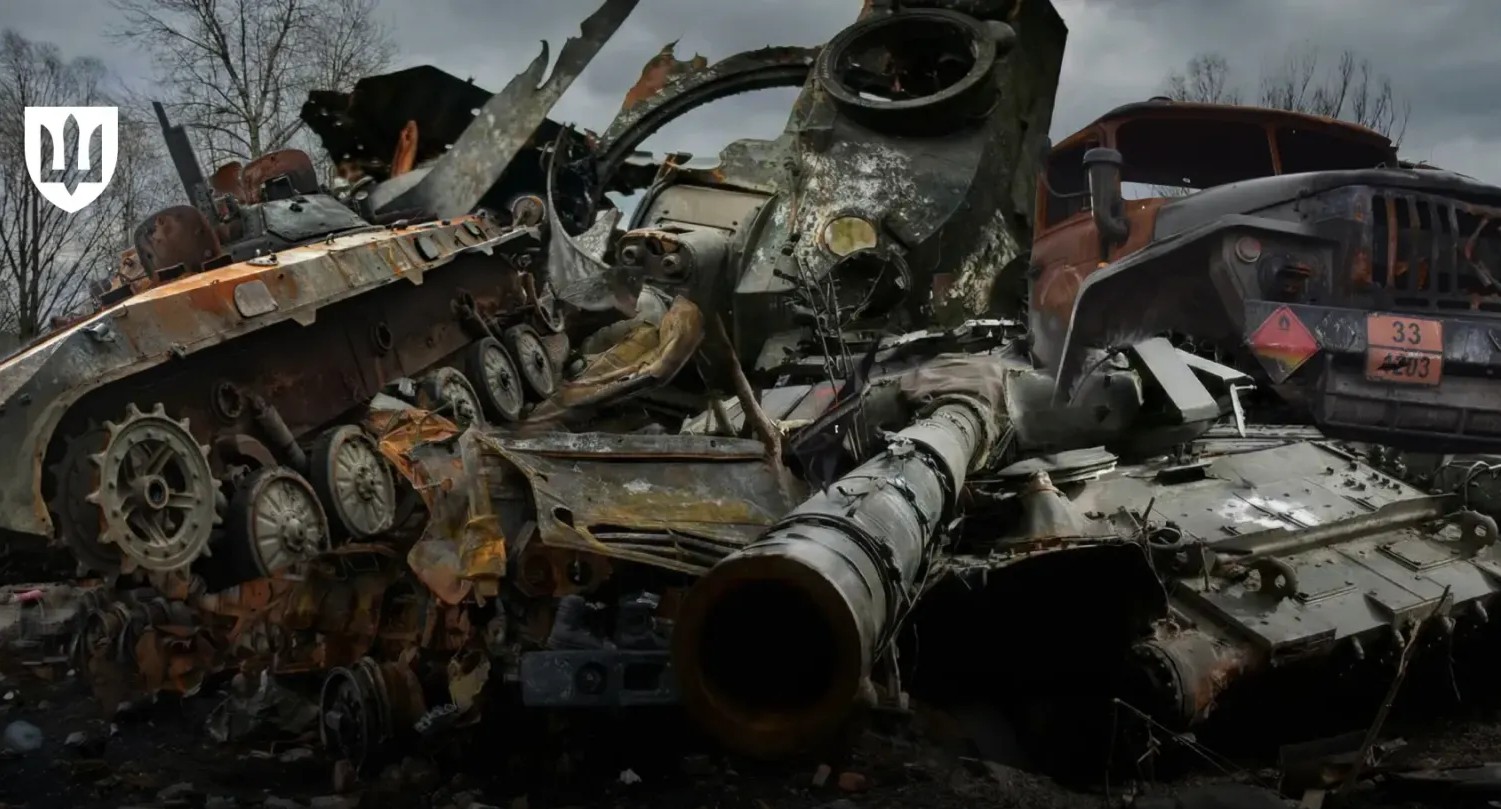
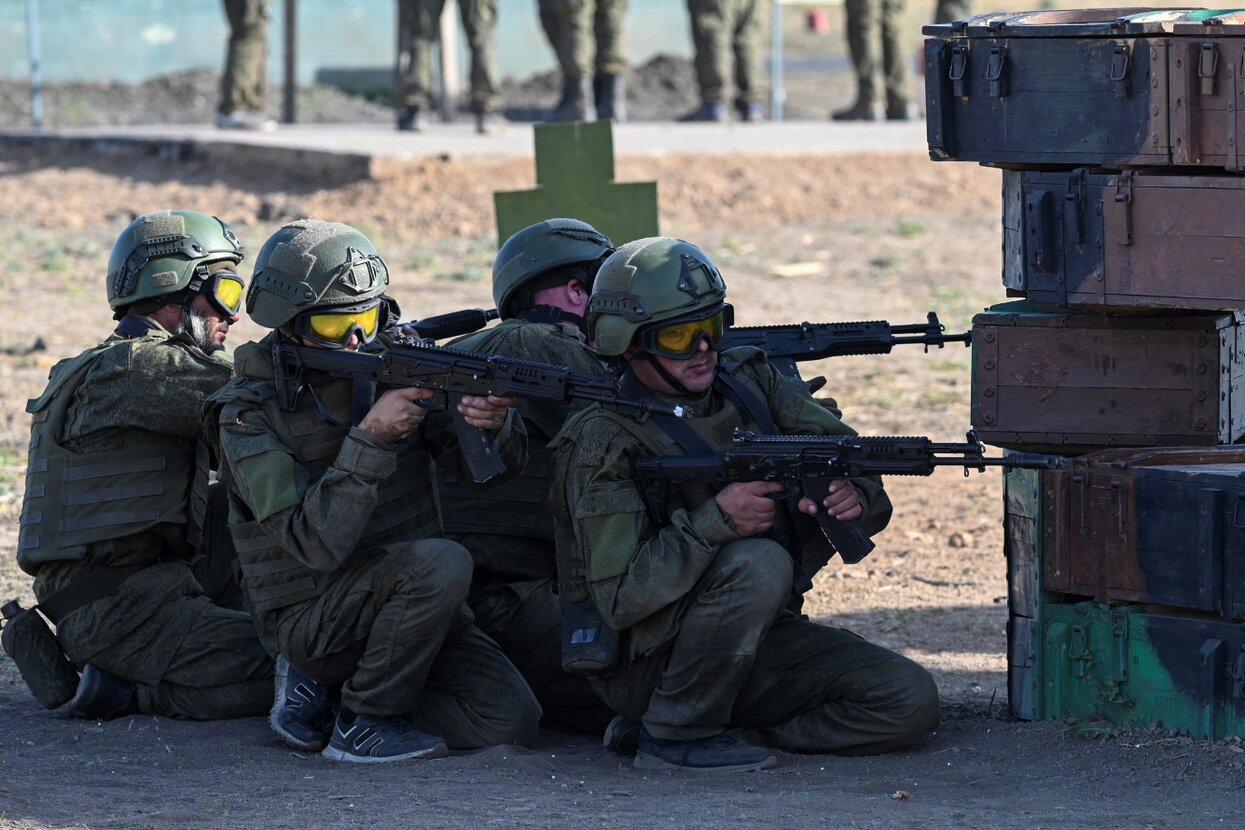
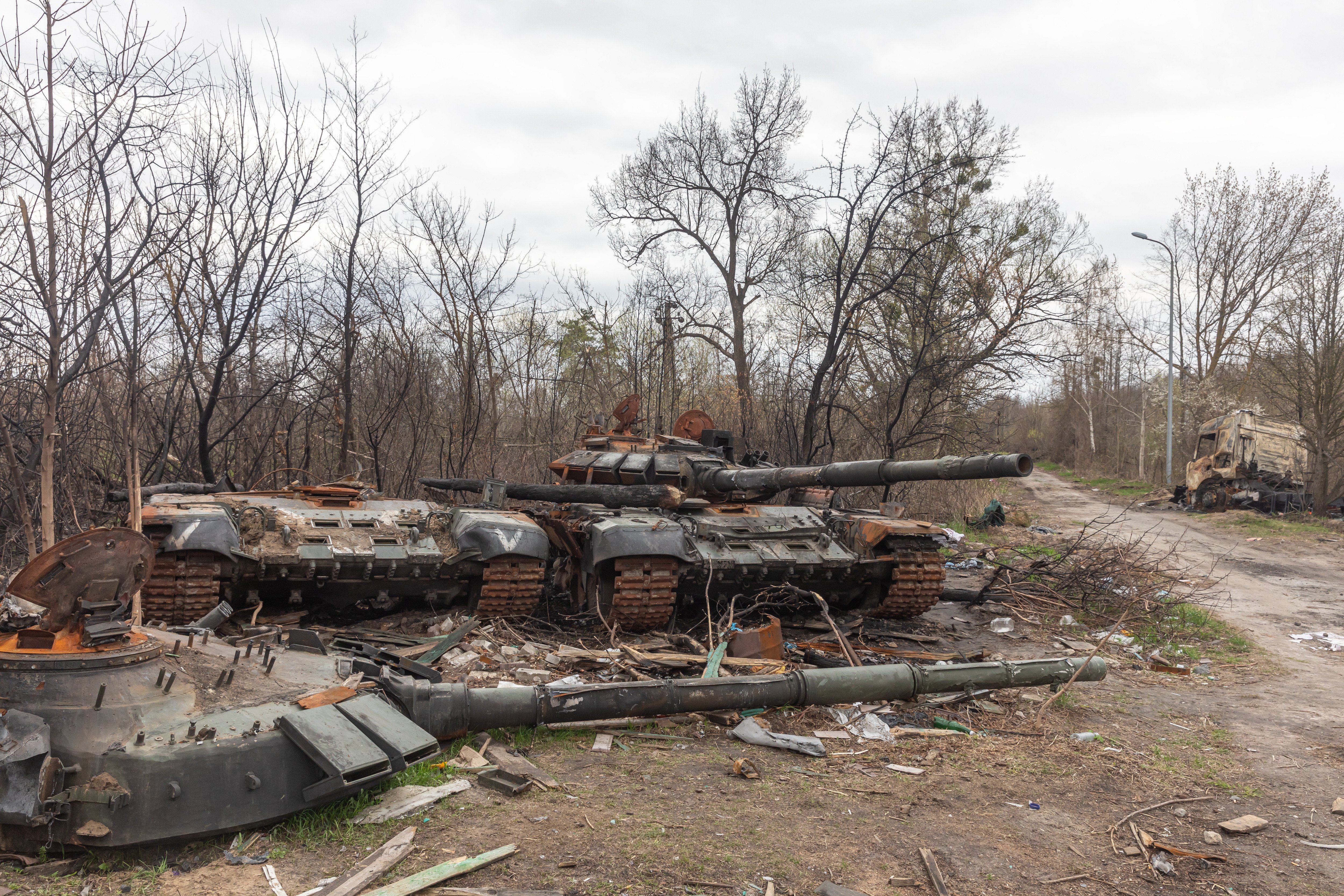
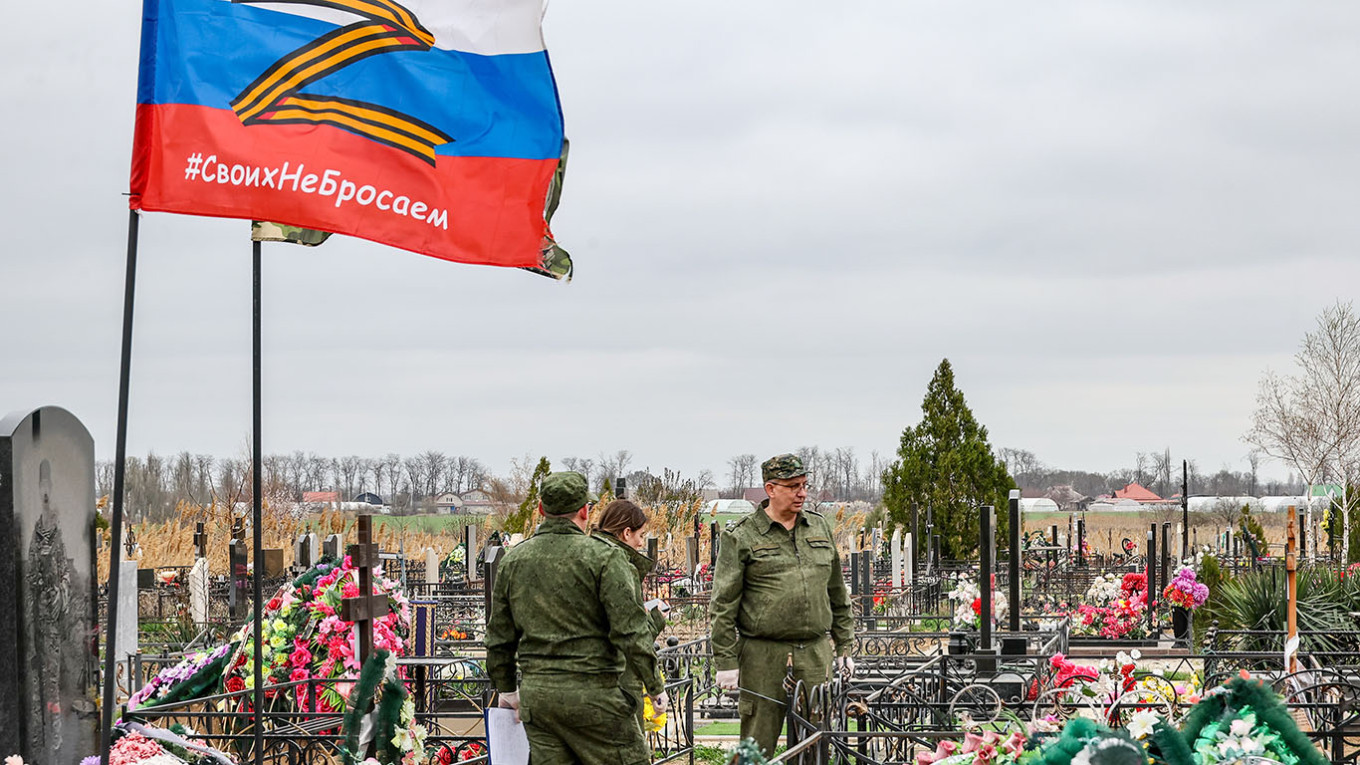
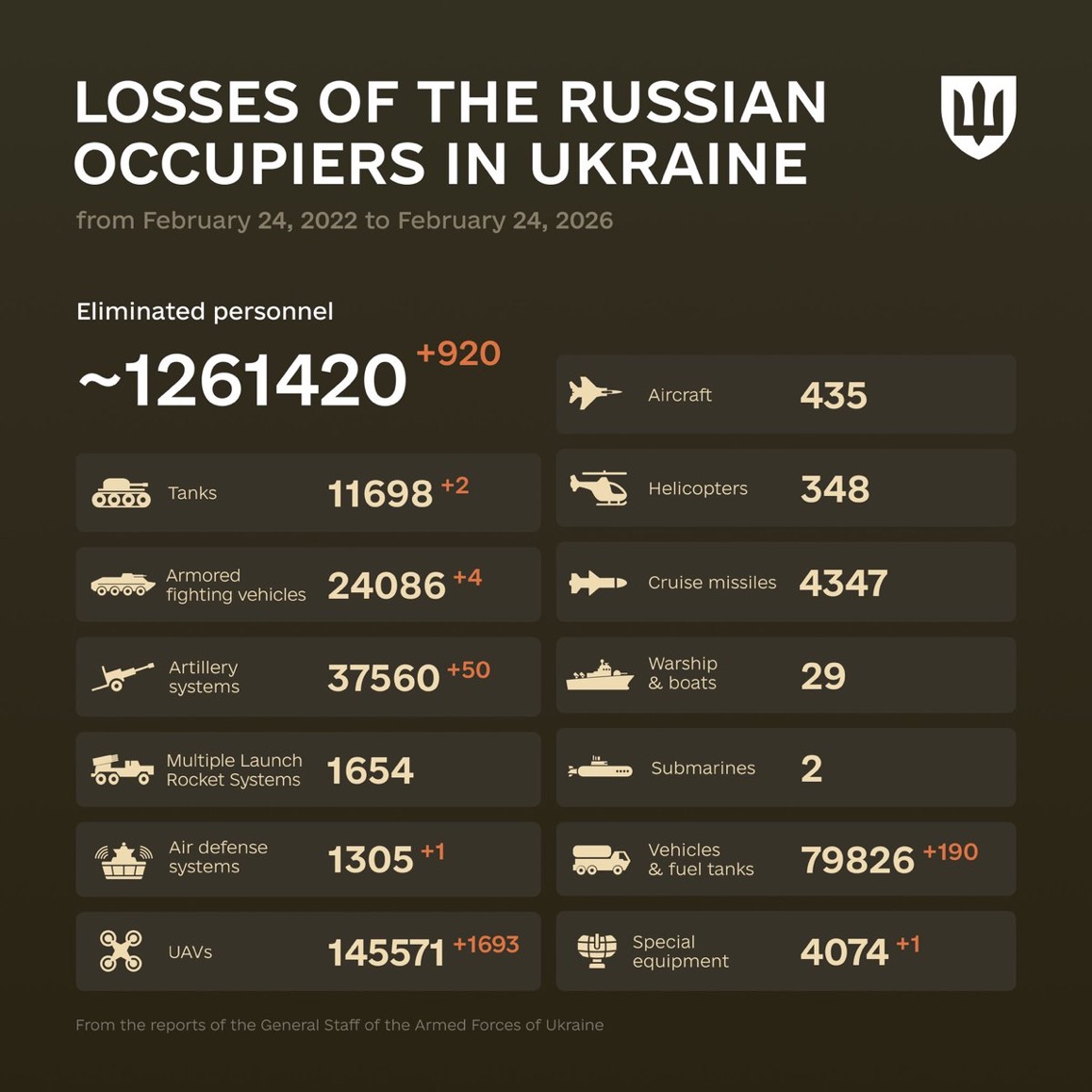
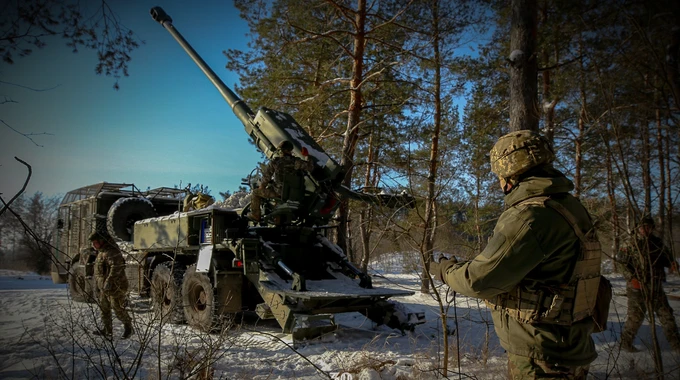
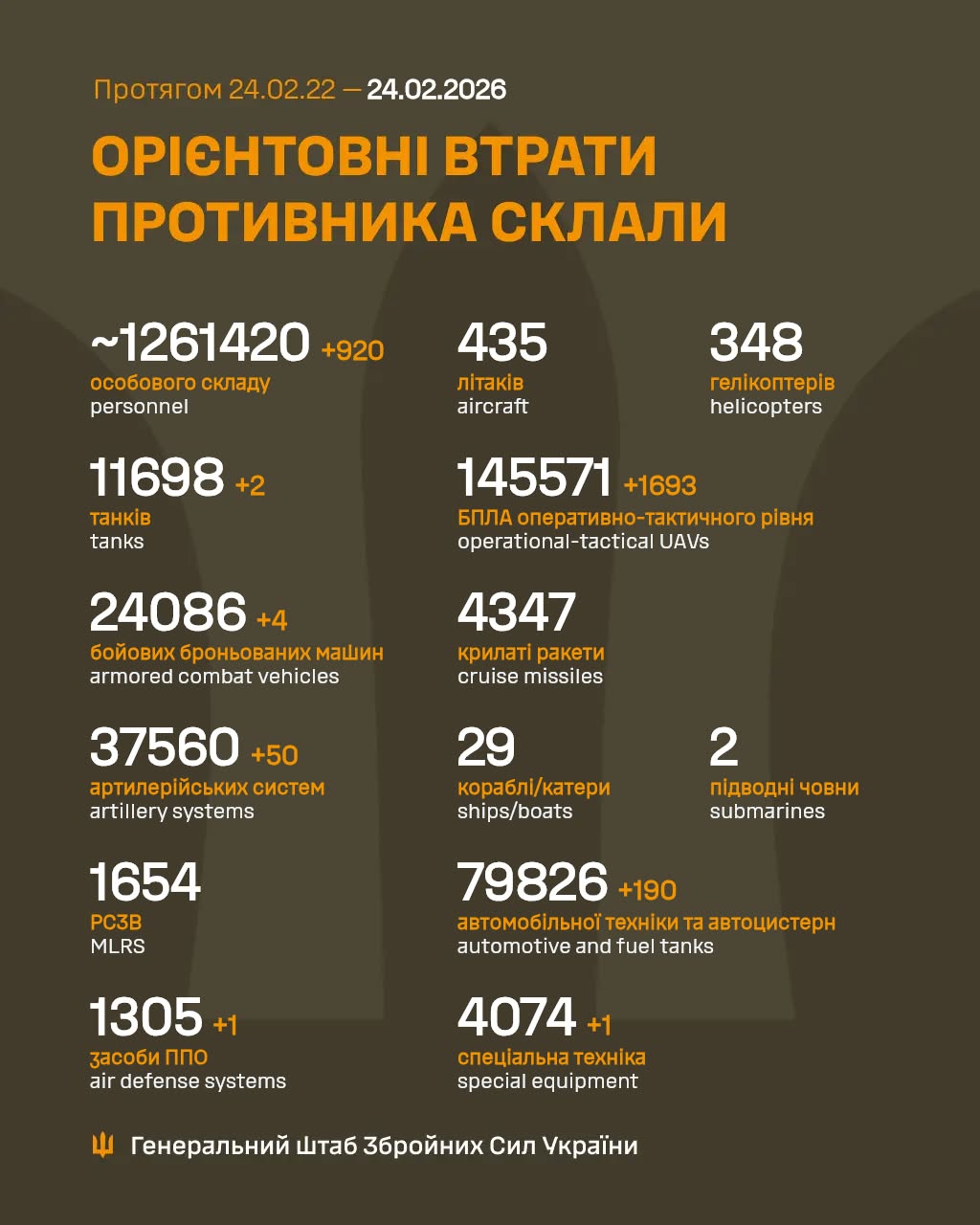
The Russia-Ukraine conflict has reached a critical inflection point with Russia experiencing approximately 40,000 monthly casualties while recruiting only 30,000-35,000 troops, creating a net personnel deficit for the first time since the 2022 invasion. According to CSIS data, Russia's total casualties have exceeded 1.2-1.25 million since February 2022, with NATO reporting 65,000 soldiers killed or injured in just two months (February 2025). This unprecedented military attrition has profound indirect implications for cross-border e-commerce sellers, particularly those sourcing from or shipping through Eastern European markets.
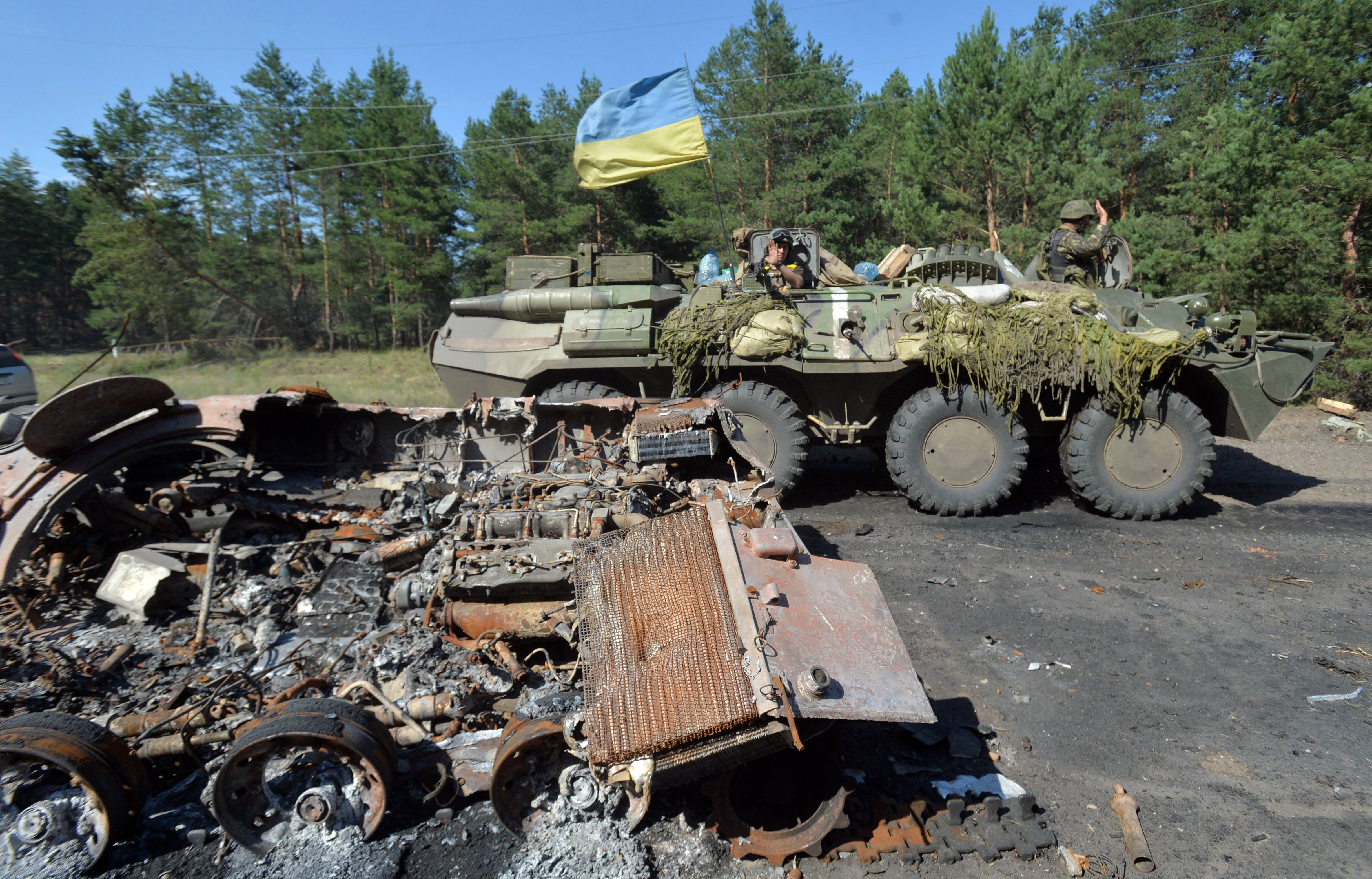
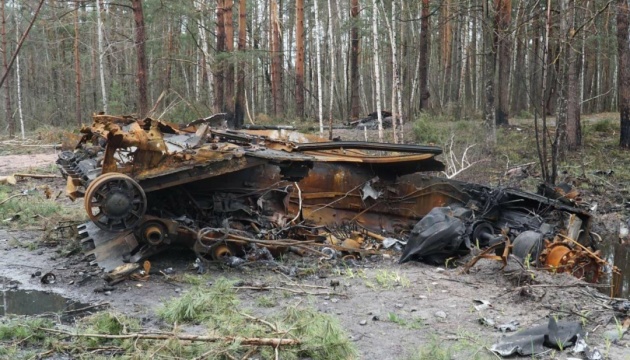
Supply Chain Disruption Risks: The conflict's geographic expansion—with Russia occupying one-fifth of Ukrainian territory and advancing toward Zaporizhzhia—directly impacts manufacturing hubs and logistics corridors. Ukraine's infrastructure damage, including power outages documented in the news, disrupts production facilities for electronics, textiles, and industrial components. Sellers sourcing components from Ukrainian suppliers or routing shipments through Eastern European 3PL providers face 2-4 week delays and 15-25% cost increases. The grinding attrition (Russia advancing only 70 meters daily in 2025 vs. 7,400 meters in 2022) indicates prolonged conflict, extending supply chain uncertainty through 2025-2026.
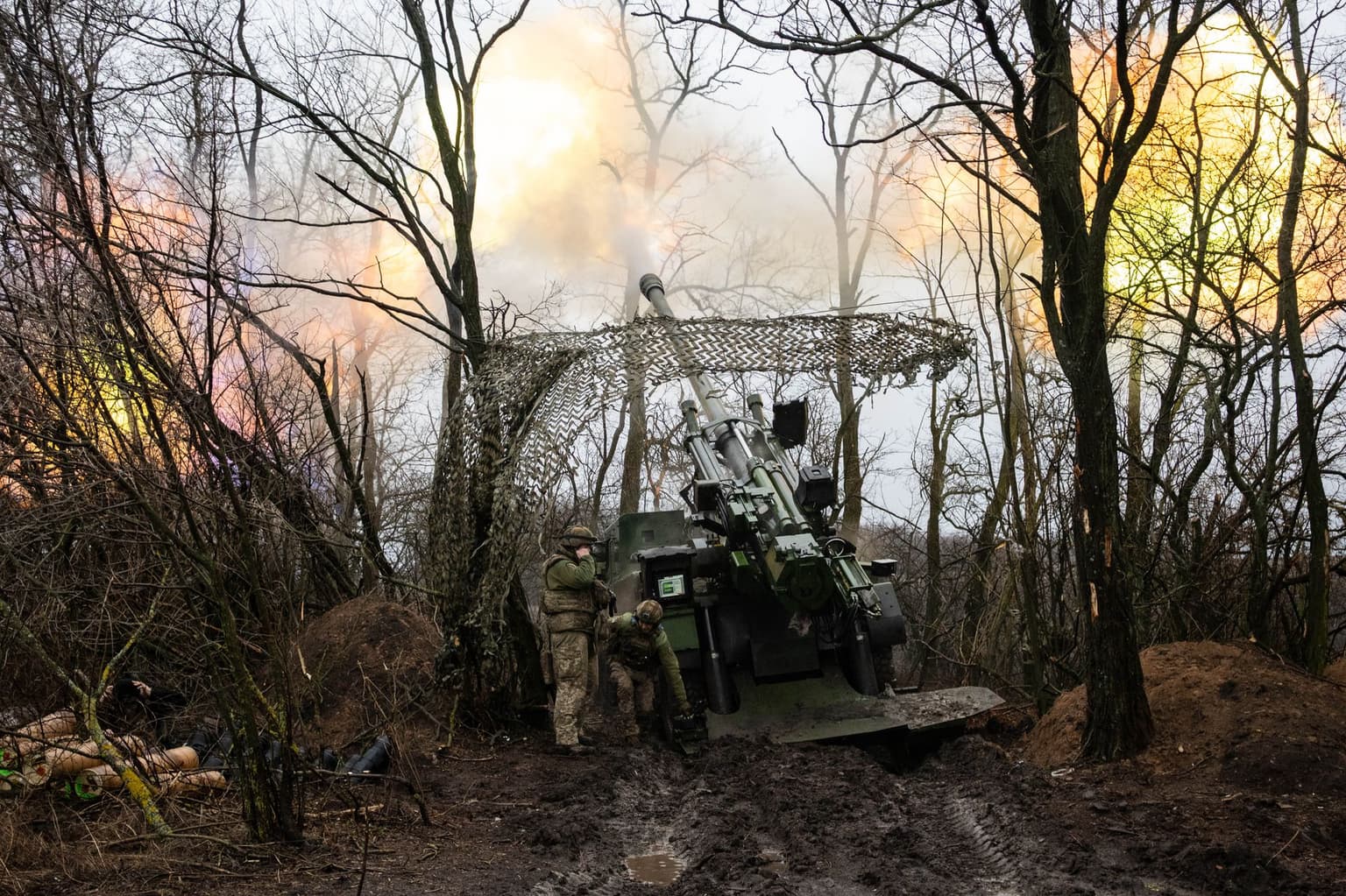
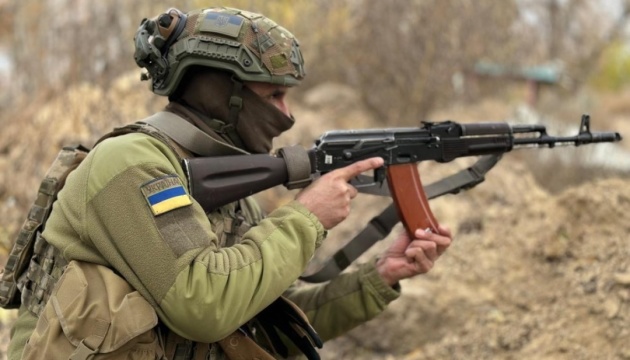
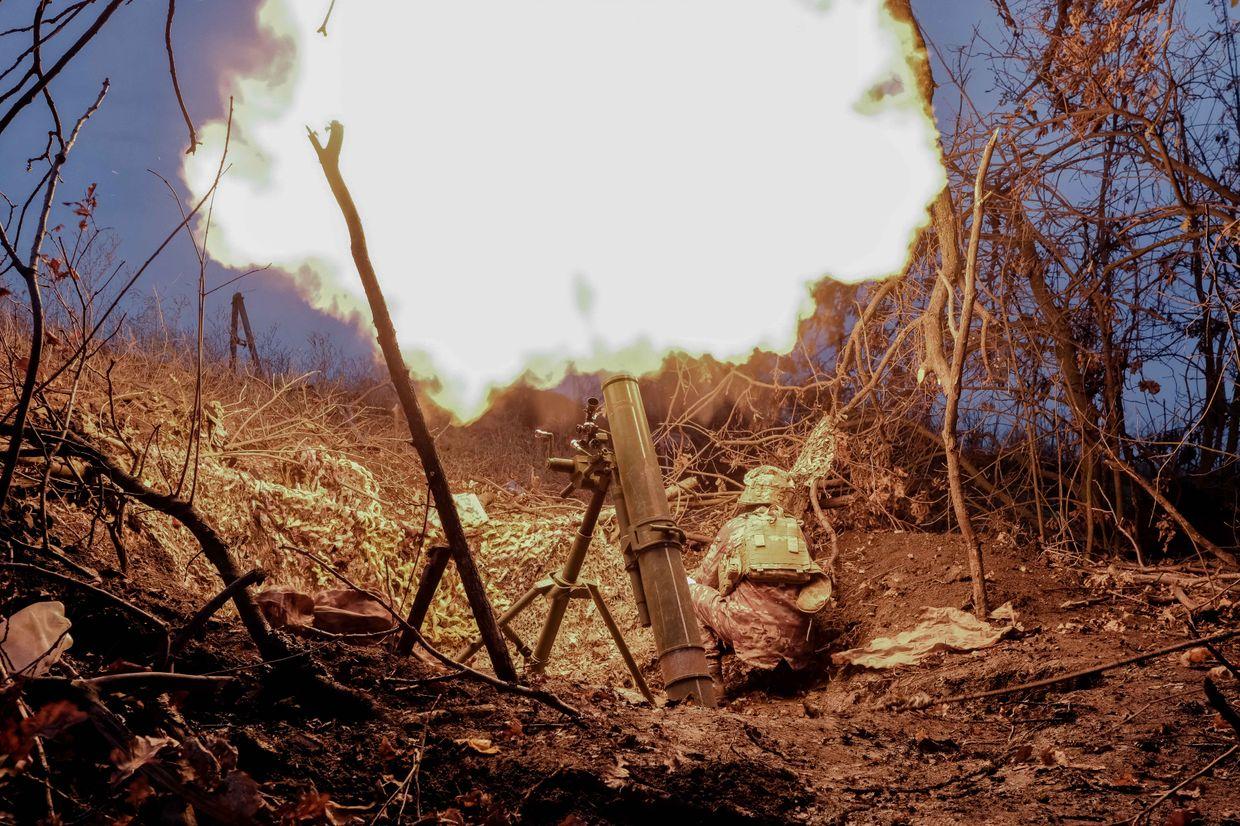
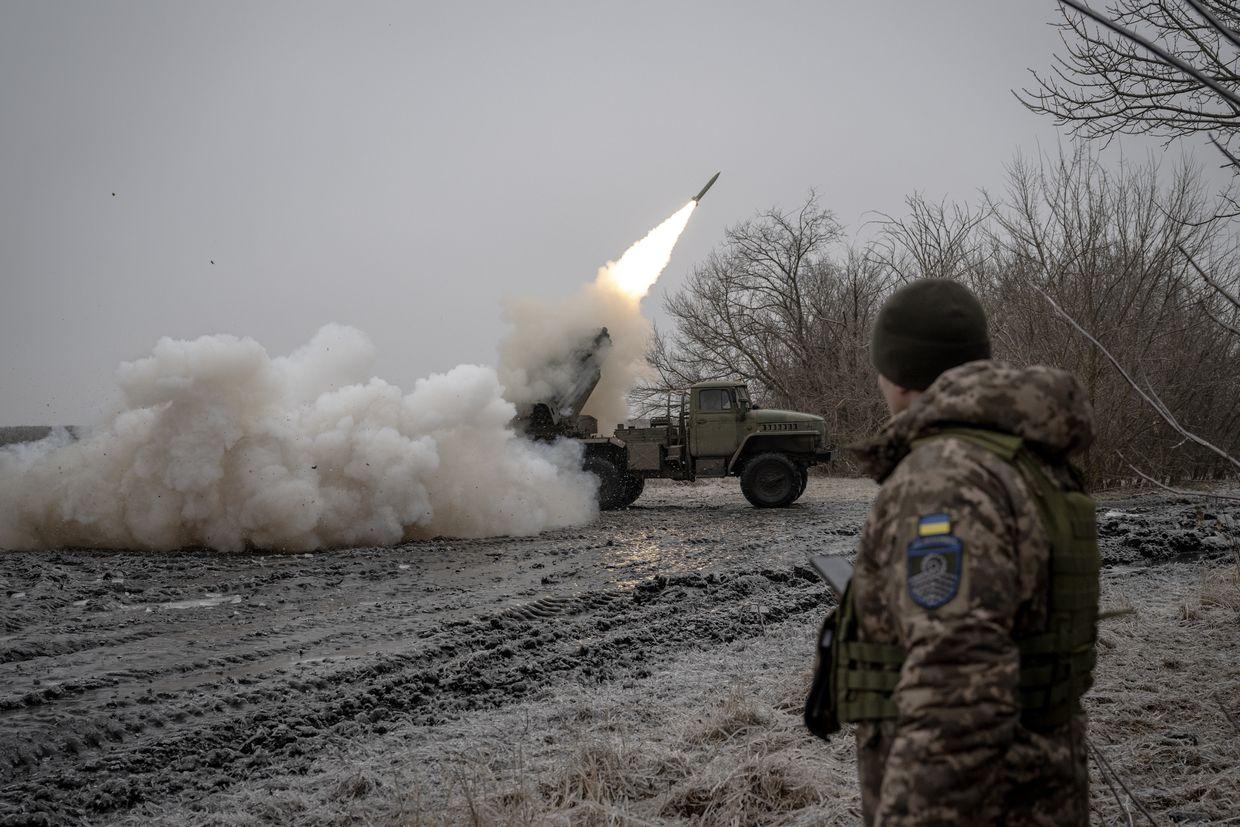
Technology & Drone Product Opportunities: The news emphasizes "cheap drones" replacing traditional warfare tactics, signaling explosive demand for drone technology, spare parts, and related accessories. Sellers in consumer electronics, hobby drones, and industrial drone categories can capitalize on this trend. The global commercial drone market is projected to reach $127B by 2030, with Eastern European demand accelerating due to reconstruction needs. Additionally, Starlink's restricted access in conflict zones highlights satellite communication product opportunities for sellers offering alternative connectivity solutions.
Geopolitical Risk Management: The stalled peace negotiations and Ukraine's resistance to territorial concessions indicate prolonged instability. Sellers with payment processing through Eastern European banks or logistics networks face currency volatility (Ukrainian hryvnia fluctuations of 8-12% annually during conflict) and potential sanctions-related payment delays. Cross-border sellers should diversify payment processors and consider alternative shipping routes avoiding conflict zones. The casualty figures (2-2.5 Russian soldiers per Ukrainian soldier) suggest Russia's unsustainable losses may eventually force negotiations, but timeline remains uncertain—requiring sellers to maintain contingency logistics plans through mid-2025 minimum.
Market Consolidation Opportunity: The conflict's economic toll creates acquisition opportunities for well-capitalized sellers. Ukrainian e-commerce businesses operating at reduced capacity may be acquisition targets, offering established customer bases and market access at discounted valuations. Sellers with capital should monitor Ukrainian marketplace consolidation trends for strategic entry opportunities post-conflict.
问题 8
What timeline should sellers use for supply chain contingency planning?
Based on CSIS analysis showing Russia's unsustainable casualty rate (2-2.5 soldiers per Ukrainian soldier killed) and stalled peace negotiations, plan for conflict continuation through mid-2025 minimum, with potential extension to 2026. Ukrainian President Zelenskiy stated 50,000 monthly Russian losses would be 'optimal' to make losses unsustainable—current rates (26,000-40,000 monthly) suggest 12-18 months until Russian military capacity collapses. Implement 18-month contingency plans: diversify suppliers by Q2 2025, establish alternative logistics by Q3 2025, and prepare for market reopening by Q4 2025. Monitor NATO and US administration statements monthly for peace negotiation progress—sudden diplomatic breakthroughs could accelerate market normalization.
How should sellers price products accounting for geopolitical risk?
Add 8-15% geopolitical risk premium to products sourced from or shipped through Eastern Europe, reflecting supply chain uncertainty and logistics cost increases. For drone technology and emergency products, premium can reach 20-25% due to elevated demand. Implement dynamic pricing that adjusts based on logistics provider quotes—use Shopify or Amazon pricing tools to automate adjustments. Communicate supply chain risks transparently to customers: 'Extended shipping times due to logistics route optimization' maintains trust while justifying higher prices. Monitor competitor pricing weekly; sellers who transparently address geopolitical factors often capture market share from competitors offering unrealistic delivery timelines.