


Global Tariff Surge 2025 | Cross-Border Sellers Face 10% Cost Shock
- 10% tariff effective February 2025 on all imports; 150-day window creates pricing urgency for Asia-sourced products; EU/UK retaliation risks disrupt supply chains




















概览
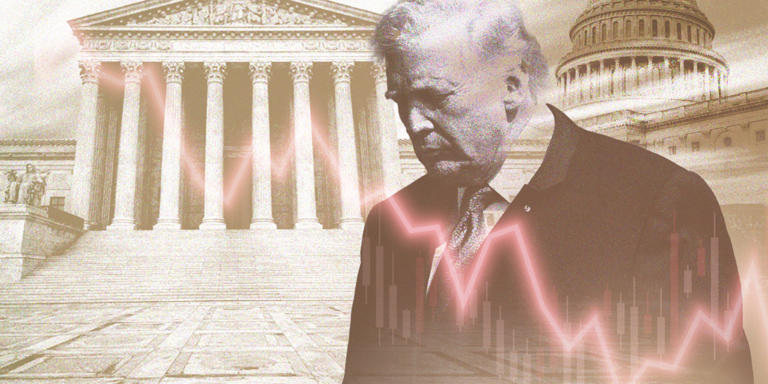
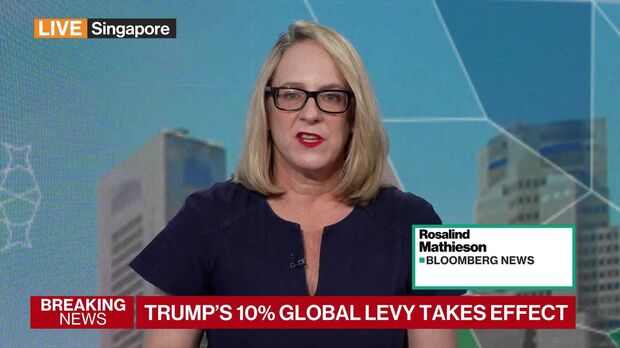
The 10% global tariff implemented in February 2025 under Section 122 of the 1974 Trade Act represents the most significant trade policy shift affecting cross-border e-commerce sellers since 2024. The tariff applies to all global imports entering the US market for 150 days without congressional approval, following the Supreme Court's 6-3 decision that blocked Trump's previous country-specific tariffs under IEEPA authority. While Trump initially announced a 15% rate, the administration settled at 10% due to incomplete executive order preparation—though analysts expect escalation to the maximum 15% rate within weeks.
For cross-border e-commerce sellers, this creates immediate landed cost pressures across all product categories sourced internationally. A seller importing $100,000 in inventory from Asia now faces an additional $10,000 tariff liability, compressing margins by 8-12% depending on category and current pricing. The uncertainty surrounding potential rate increases to 15% (adding another $5,000 per $100K imported) creates operational paralysis for inventory planning. Sellers must recalculate landed costs, adjust pricing strategies, and potentially shift sourcing to tariff-exempt countries within the 150-day window. The US trade deficit reached $1.2 trillion in 2024 (up 2.1% YoY), justifying the administration's rebalancing rationale, but creating genuine supply chain disruption for sellers.
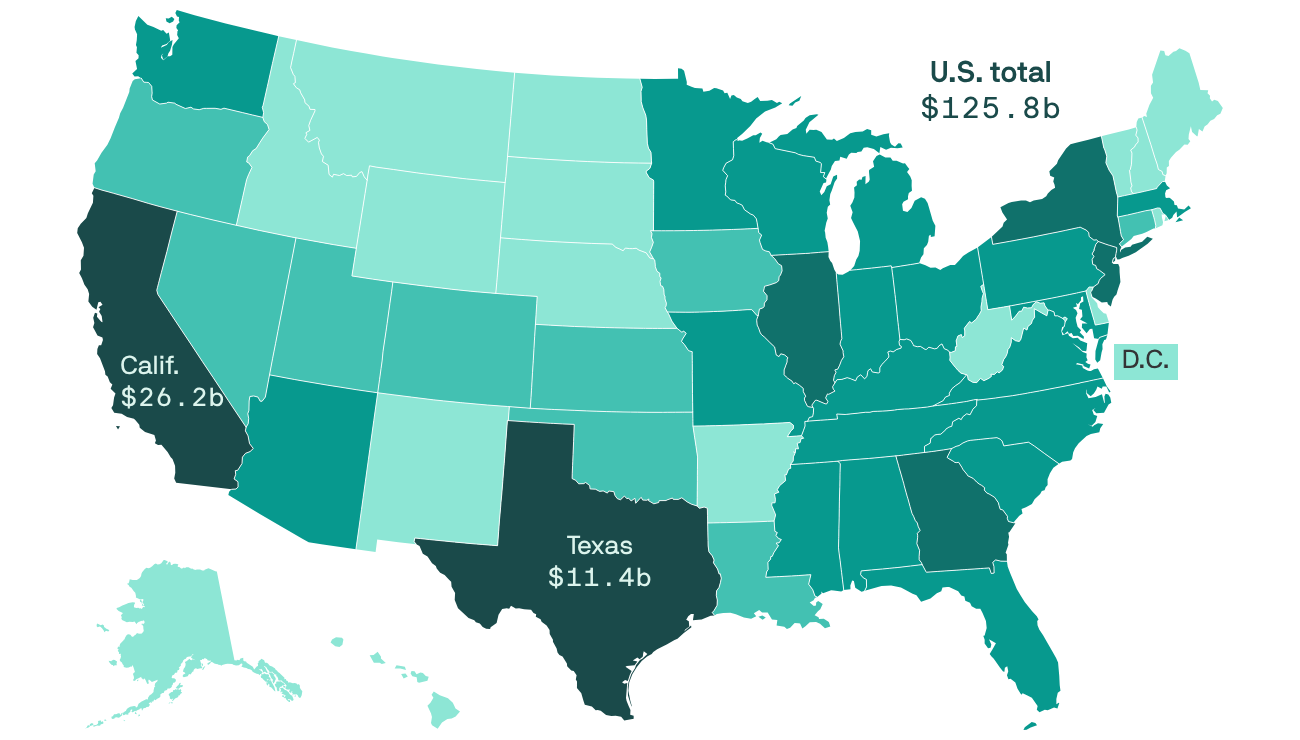
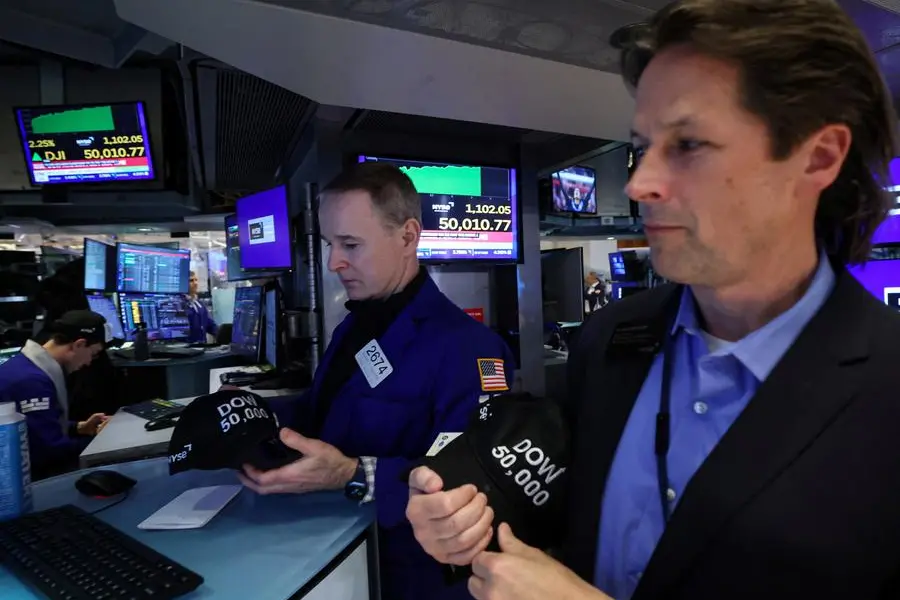
The 150-day temporary nature creates a critical timing window for strategic decisions. Wellington Management projects tariff rates will drift lower to approximately 9% by year-end, suggesting potential negotiation opportunities. However, the "TACO" market reaction (Trump Always Chickens Out) masks genuine risks: UK, EU, and India have signaled retaliatory measures that could increase logistics costs 5-8% for sellers shipping to those markets. The $130 billion already collected via IEEPA demonstrates enforcement capacity. Michigan's $3.8 billion tariff uncertainty adds state-level complexity, with sellers unable to calculate accurate landed costs until Supreme Court clarifications emerge. Small and medium-sized sellers (1,000-10,000 monthly units) lack resources to navigate bilateral trade renegotiations, creating competitive advantages for larger sellers with diversified sourcing and pricing flexibility. The EU's suspension of summer trade deal ratification pending tariff clarity signals potential for broader bilateral negotiations that could create category-specific exemptions or preferential rates for certain trading partners.
问题 8
What sourcing alternatives exist to reduce tariff exposure for the next 150 days?
Mexico and Canada offer tariff-advantaged sourcing under USMCA, with zero or reduced tariff rates on many categories. Vietnam, India, and Indonesia may negotiate bilateral exemptions during the 150-day window. Sellers should evaluate sourcing costs from these countries, accounting for potential 5-15% higher unit costs but zero tariff liability. For electronics and apparel, Mexico-based manufacturing has expanded significantly, offering 2-3 week lead times vs. 4-6 weeks from Asia. Calculate total landed costs including higher sourcing costs plus zero tariffs vs. lower Asian costs plus 10% tariffs. For high-velocity SKUs, the tariff-free sourcing often wins; for low-velocity items, Asian sourcing remains cheaper despite tariffs.
How does the Michigan $3.8B tariff uncertainty affect my fulfillment strategy?
Michigan's $3.8 billion in tariff revenue remains uncertain following the Supreme Court ruling, creating ambiguity for sellers operating fulfillment centers or FBA warehouses in the state. Sellers cannot accurately calculate landed costs for inventory stored in Michigan until the ruling clarifies. This creates a temporary disadvantage for Michigan-based 3PL providers and FBA sellers using Michigan fulfillment centers. Consider temporarily shifting inventory to fulfillment centers in Ohio, Indiana, or Illinois where tariff status is clearer. Monitor official Michigan government announcements for clarification on enforcement timelines. Once clarity emerges, Michigan may offer competitive advantages if tariff revenue is redirected to seller incentives or reduced logistics costs.