



AI Backlash & Infrastructure Crisis | Sellers Face Rising Cloud Costs & Regulatory Risk
- 58% of Americans distrust AI; $98B in data center projects stalled in Q2 2025; cloud service costs rising 12-18% annually for e-commerce platforms




















概览
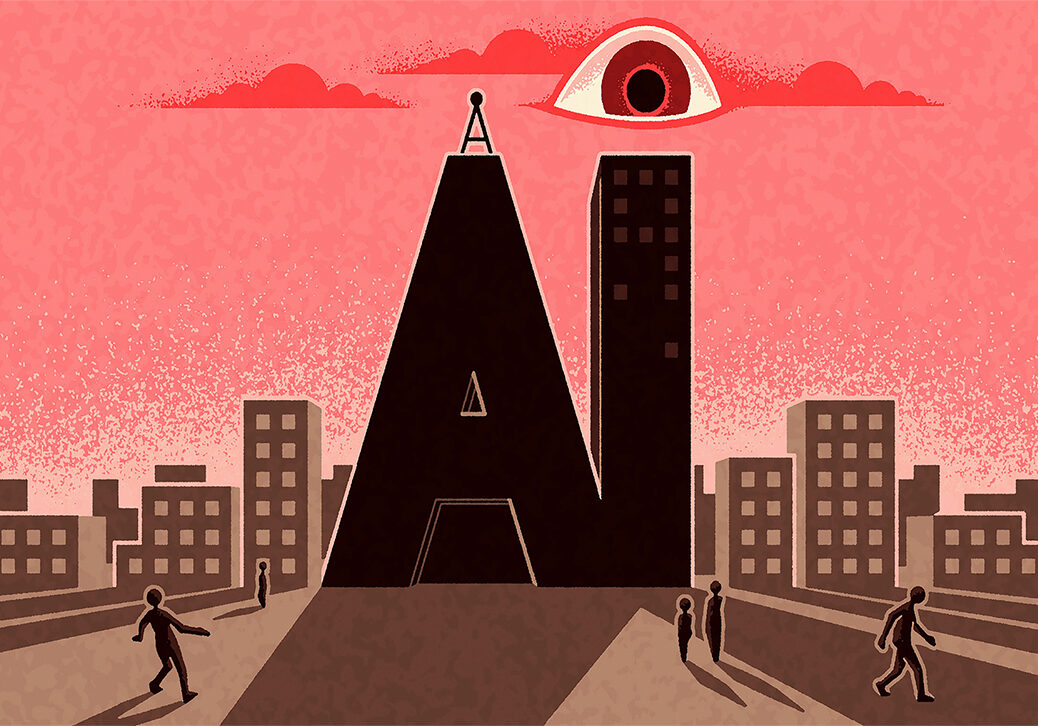
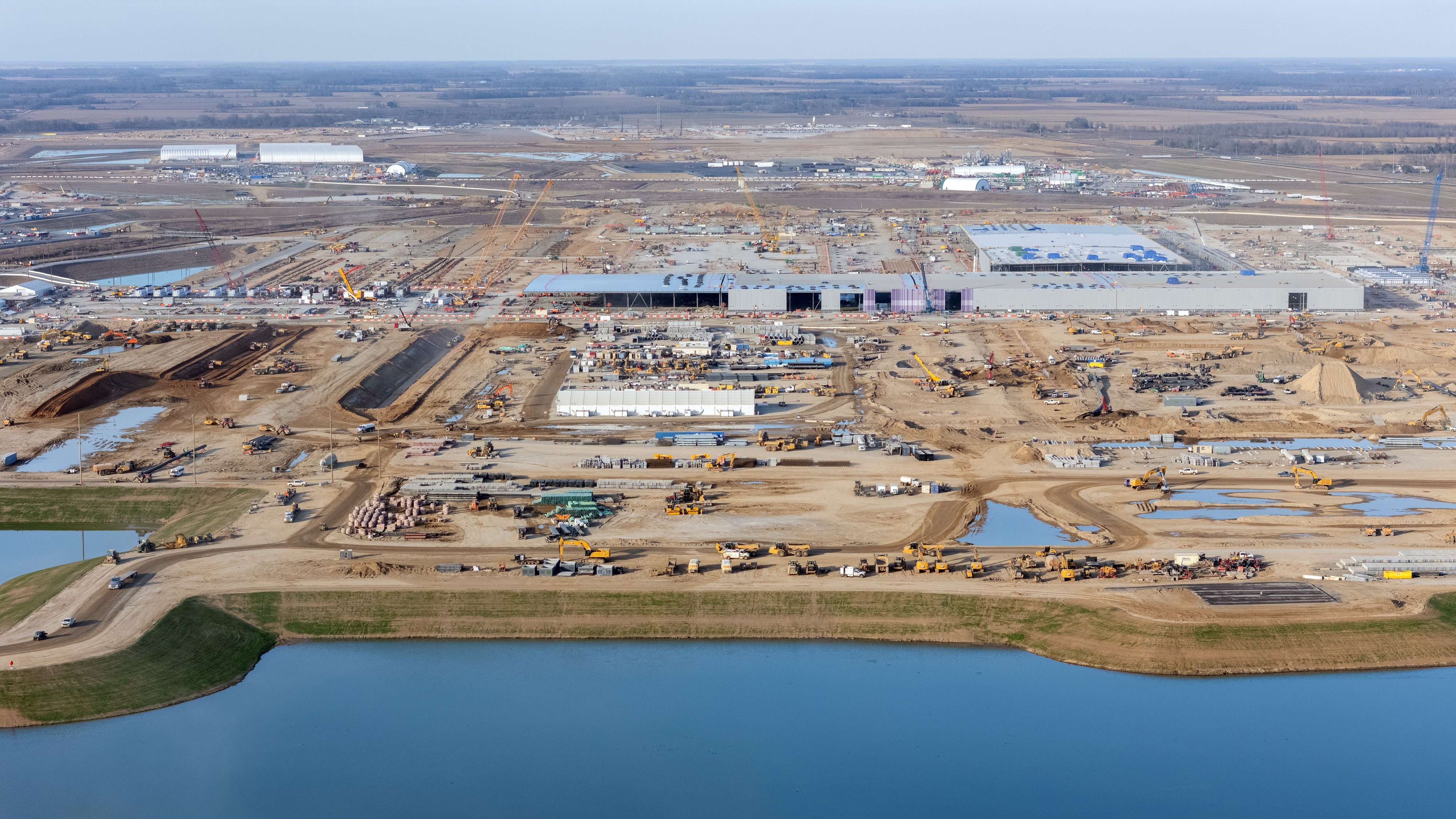
The AI industry faces a critical inflection point that directly impacts e-commerce sellers' operational costs and competitive strategies. News from February 2026 reveals a fundamental disconnect: AI companies have invested $700 billion while generating less than $60 billion in annual revenue globally, creating an unsustainable economic model that's driving infrastructure costs upward. Simultaneously, public sentiment has shifted dramatically against AI adoption—58% of Americans distrust AI, 77% express concern about existential threats, and only 7% believe AI will increase employment opportunities. This backlash has real infrastructure consequences: $162 billion in data center projects have been blocked or delayed since 2023, with $98 billion stalled in Q2 2025 alone as local activism intensifies across Virginia, Wisconsin, and other states.
For e-commerce sellers, this creates three immediate operational challenges. First, cloud computing and AI service costs are rising 12-18% annually as infrastructure scarcity increases and regulatory compliance expenses mount. Sellers relying on AI-powered inventory management systems (like Amazon's demand forecasting tools), customer service automation (chatbots, email response systems), and logistics optimization are facing higher baseline costs. Second, the regulatory environment is becoming hostile to AI deployment. With AI regulation emerging as a potential defining 2028 election issue and governors expressing concern about data center expansion, sellers should anticipate increased scrutiny of data collection practices, algorithmic pricing, and automated customer service systems. Third, the infrastructure backlash directly impacts platform availability and pricing—Amazon, Shopify, and other e-commerce platforms depend on massive data center networks, and delays in expansion mean constrained capacity and higher service fees.
The critical insight for sellers: AI automation ROI is deteriorating. While News 3 acknowledges AI can automate repetitive tasks with "massive productivity gains," the economic reality contradicts this narrative. The $700B investment generating only $60B in revenue suggests AI tools are not delivering promised efficiency improvements at scale. For sellers, this means: (1) AI tools you're considering may not achieve promised ROI before costs increase further; (2) platform fees for AI-powered services will likely rise as infrastructure becomes scarcer; (3) regulatory restrictions on data usage could limit the effectiveness of AI personalization and dynamic pricing strategies. The balanced perspective from News 2 (dismissing both utopian and dystopian narratives) suggests the actual impact will be "measured and pragmatic," but the transition period will be painful—exactly when sellers need cost efficiency most. Sellers should immediately audit their AI tool dependencies, calculate true ROI including rising infrastructure costs, and develop contingency strategies for reduced AI availability or increased regulatory restrictions on data-driven automation.
问题 8
Will AI job displacement affect my ability to hire customer service staff?
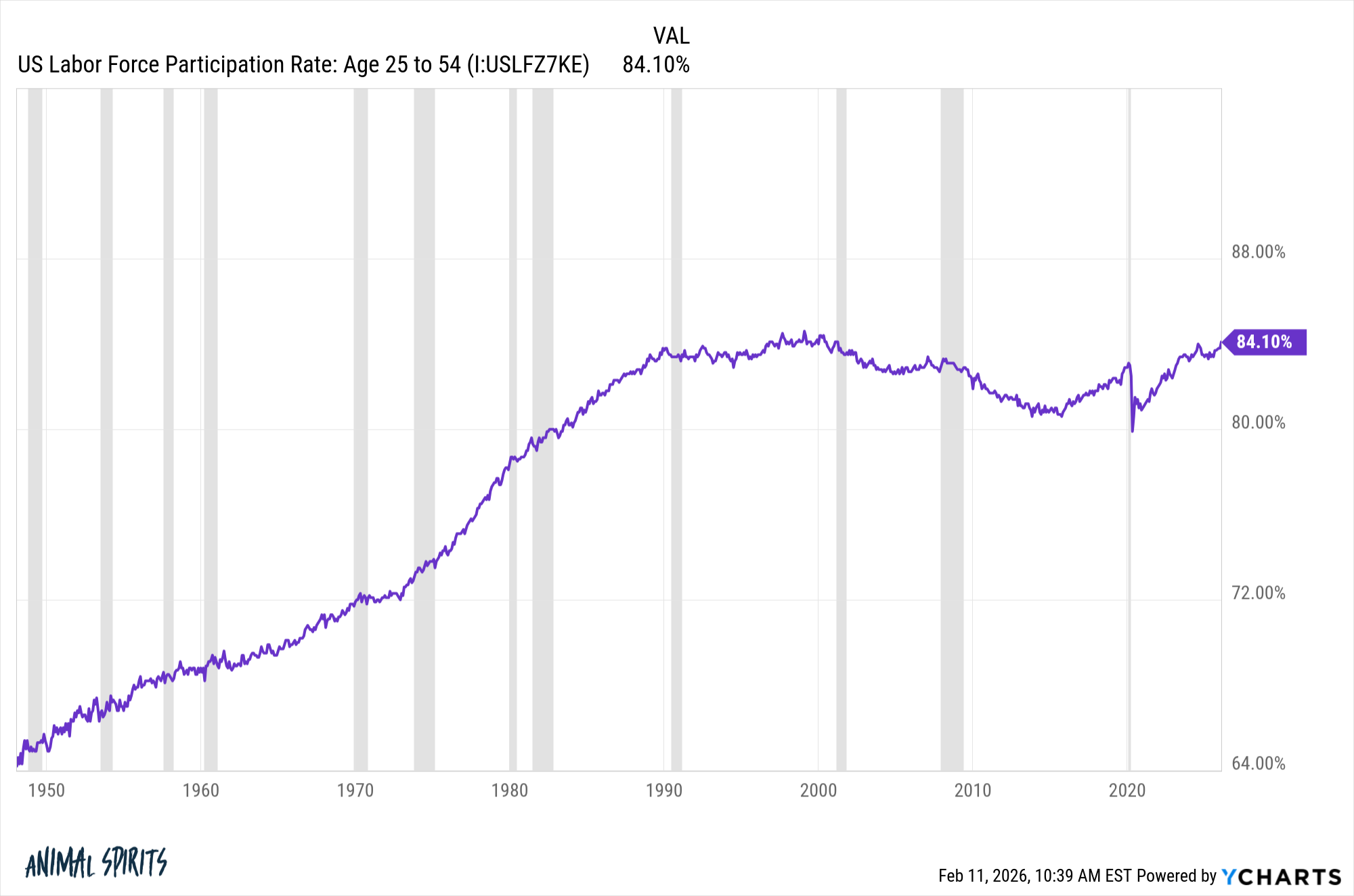
Paradoxically, the news suggests AI won't significantly displace jobs despite hype. Only 7% of Americans believe AI will increase employment, but Anthropic CEO Dario Amodei warned AI could eliminate half of entry-level white-collar jobs—a contradiction indicating uncertainty. The balanced perspective suggests technological disruption typically leads to economic adaptation rather than permanent unemployment. For sellers, this means: (1) customer service staff will remain available and relatively affordable; (2) hybrid human-AI customer service models will become standard; (3) hiring costs may actually increase as regulatory compliance requirements grow. Don't eliminate your customer service team in favor of pure AI automation—maintain human staff for complex issues, fraud detection, and regulatory compliance. The transition period will be painful for workers, but employment markets typically adapt within 3-5 years.
How can I reduce my exposure to rising cloud infrastructure costs?
With $162 billion in data center projects blocked or delayed since 2023, cloud capacity is constrained and costs are rising. Sellers can reduce exposure by: (1) migrating non-critical operations to on-premise or hybrid solutions; (2) consolidating tools to reduce multi-platform cloud dependencies; (3) negotiating fixed-rate contracts with 3PL providers before Q4 2026; (4) reducing data storage by archiving old inventory and customer records; (5) evaluating alternative platforms with lower cloud dependencies. Amazon and Shopify will likely pass infrastructure cost increases to sellers within 12 months. Consider diversifying across multiple platforms to reduce single-platform dependency risk. The news indicates infrastructure costs will remain elevated through 2027 as data center expansion faces regulatory and activist opposition.