


Apple Mac Mini US Production Shift | Supply Chain Reshoring Opportunity for Sellers
- Foxconn Houston facility begins Mac Mini assembly in 2026; reshoring signals 25% tariff pressure on Asian electronics imports affecting cross-border seller sourcing strategies and inventory positioning
























)
概览
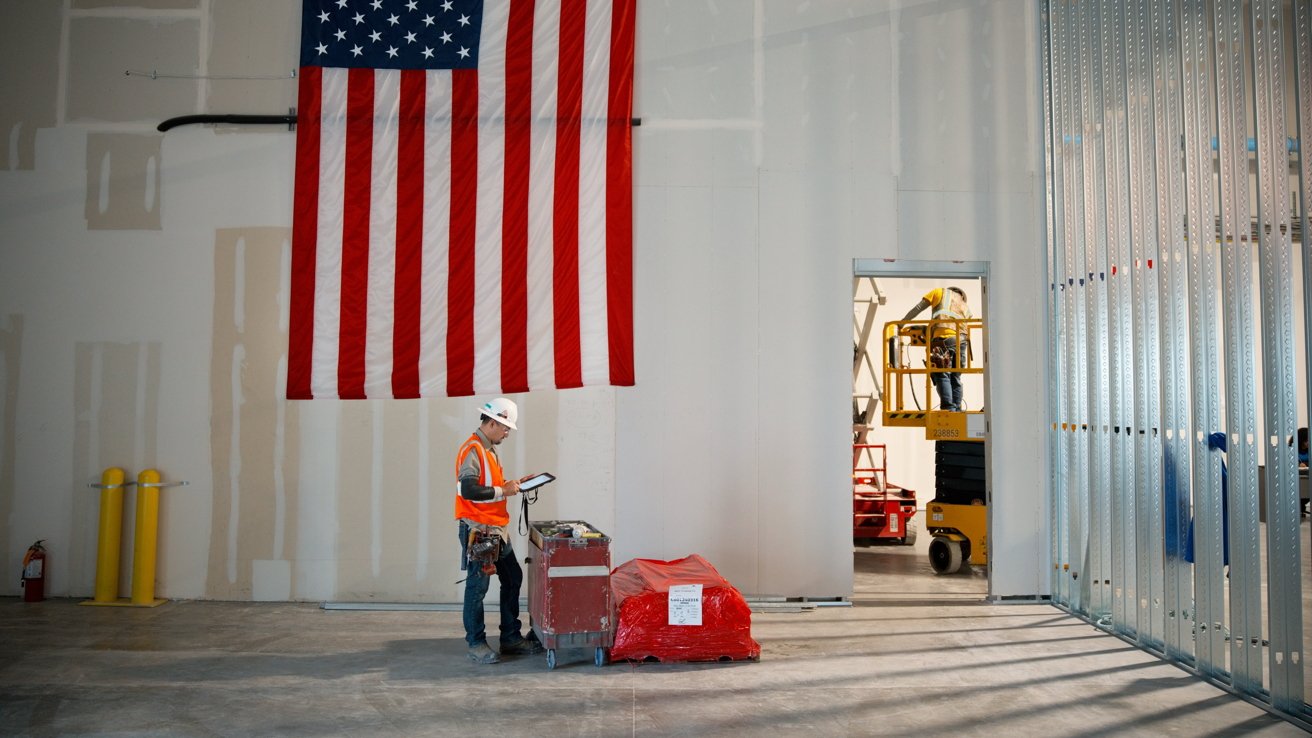
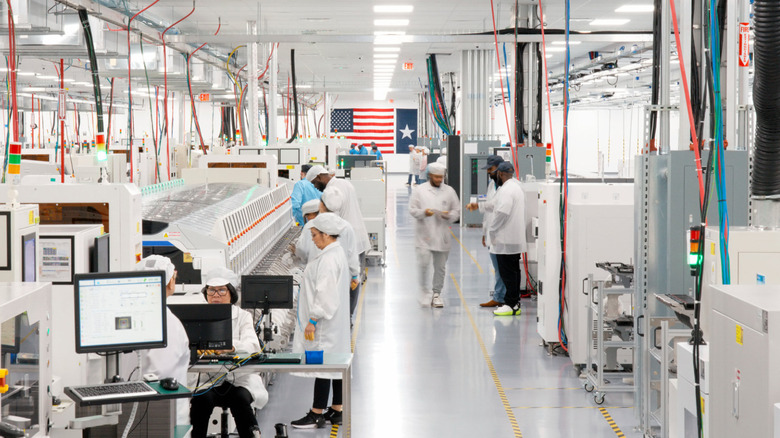
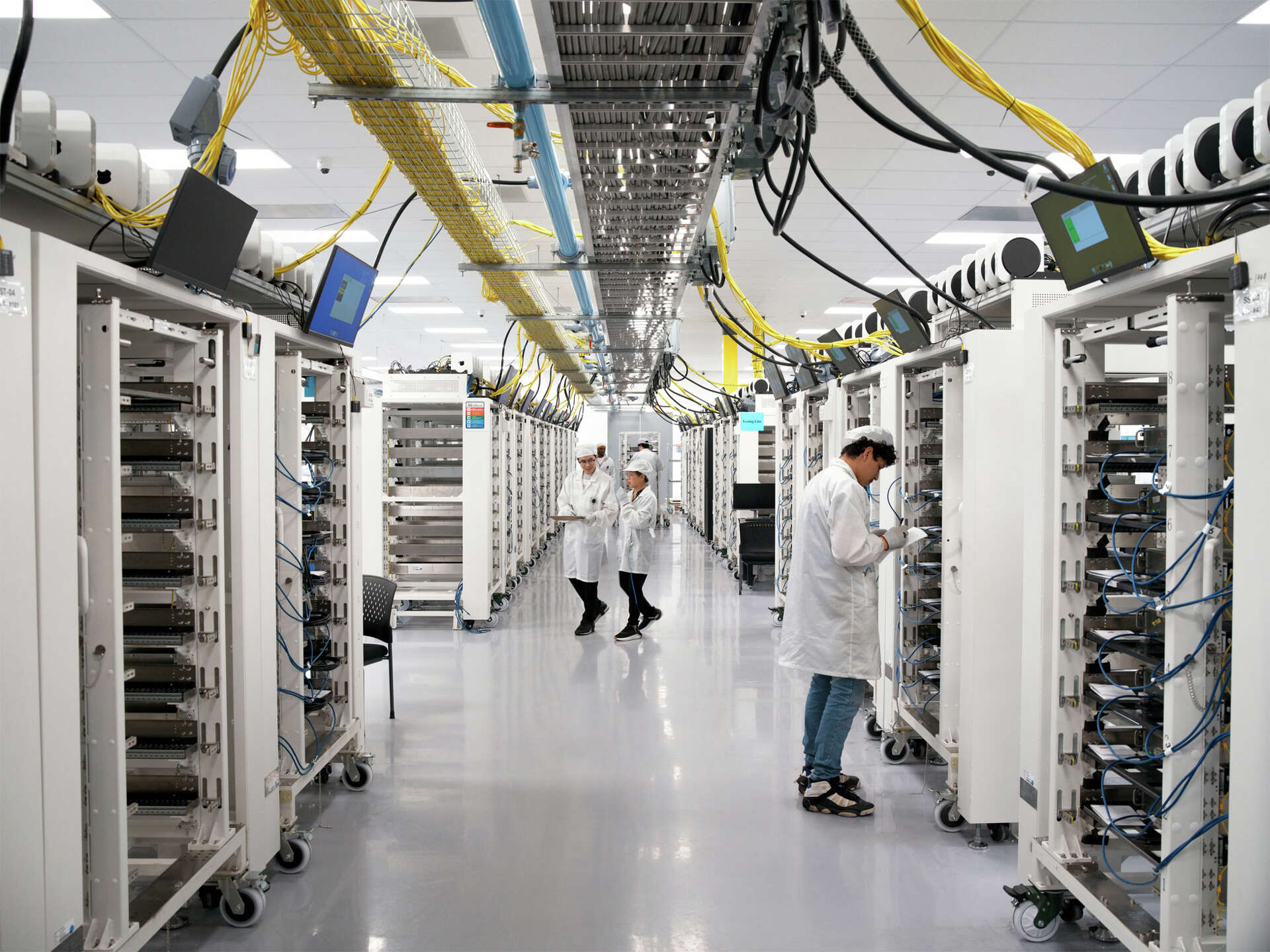
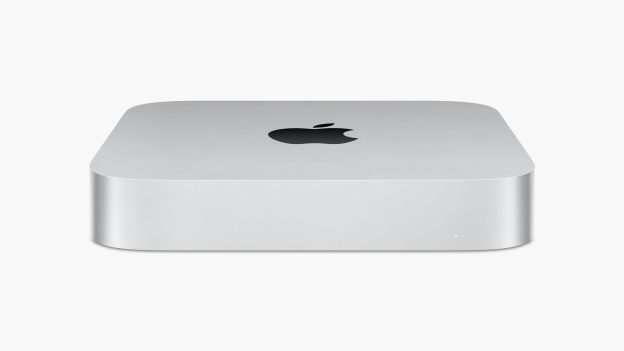
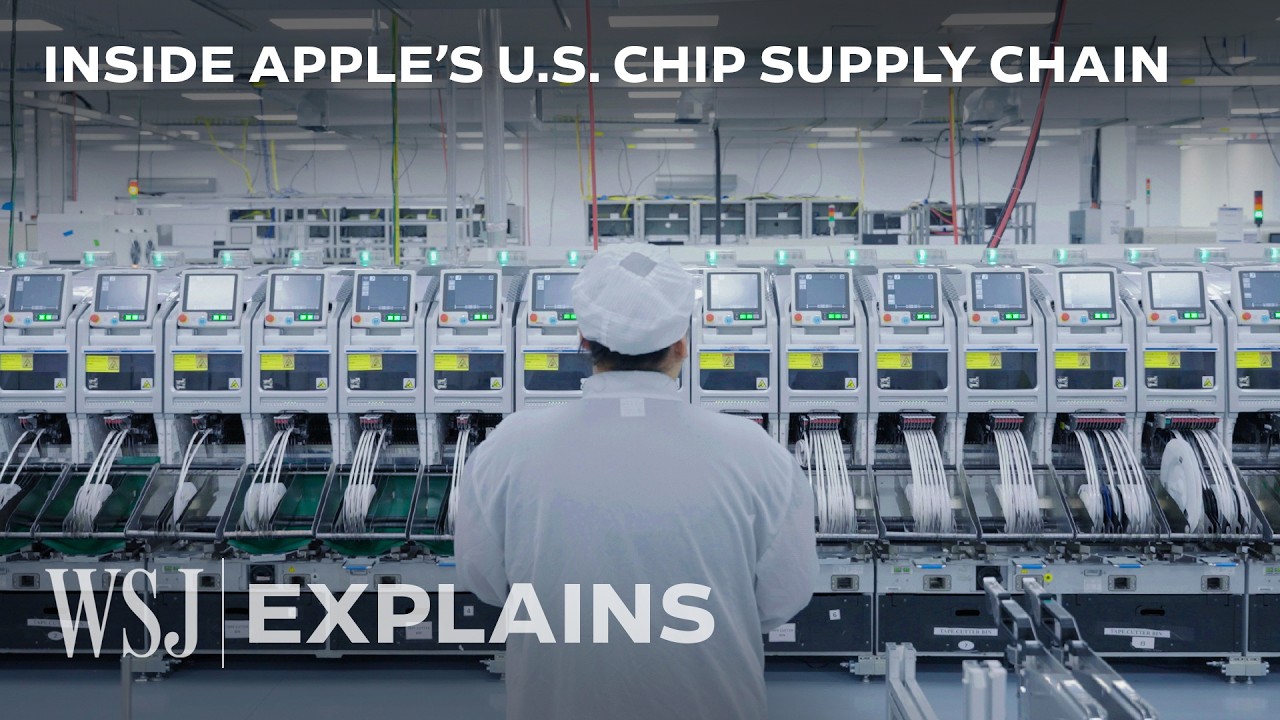
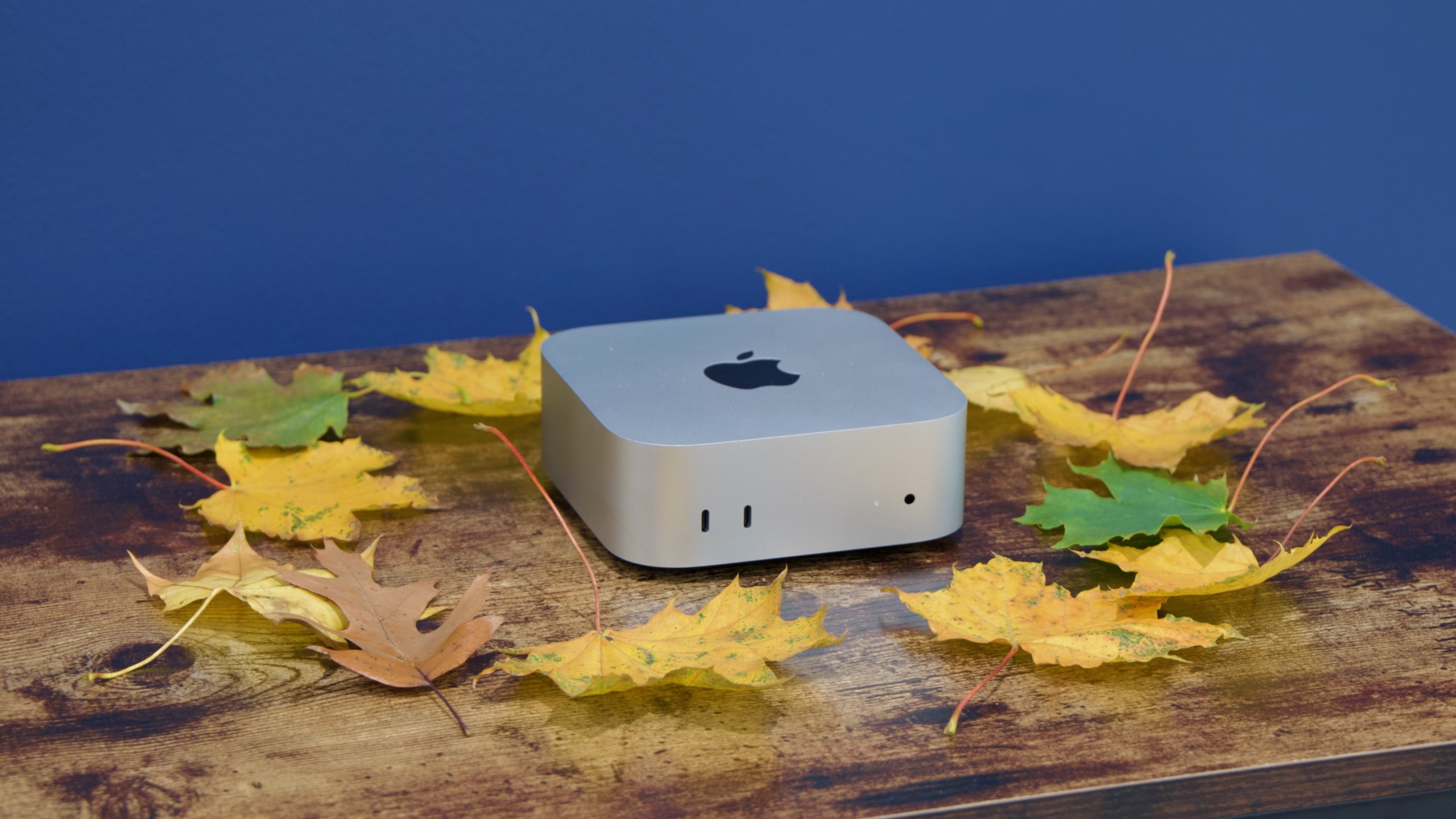
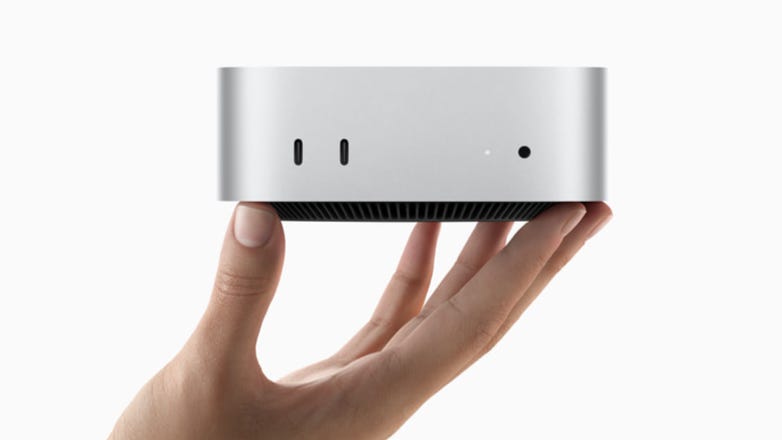
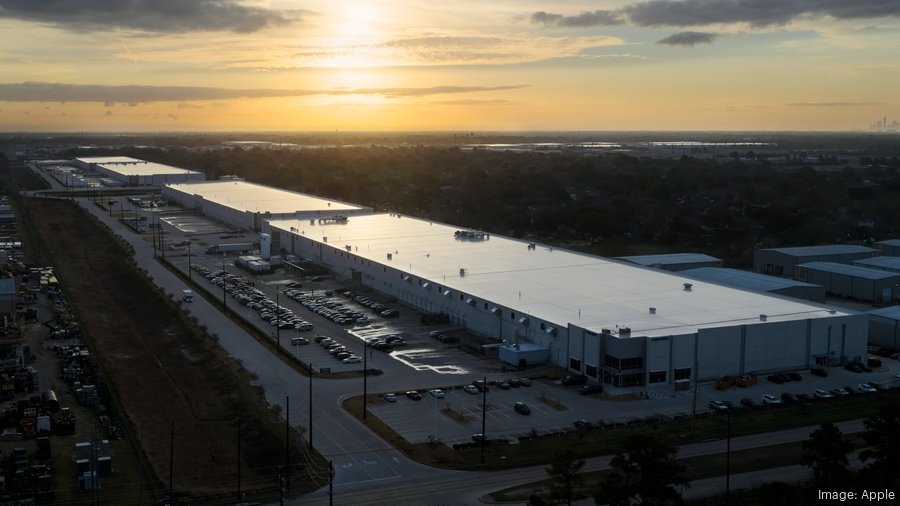
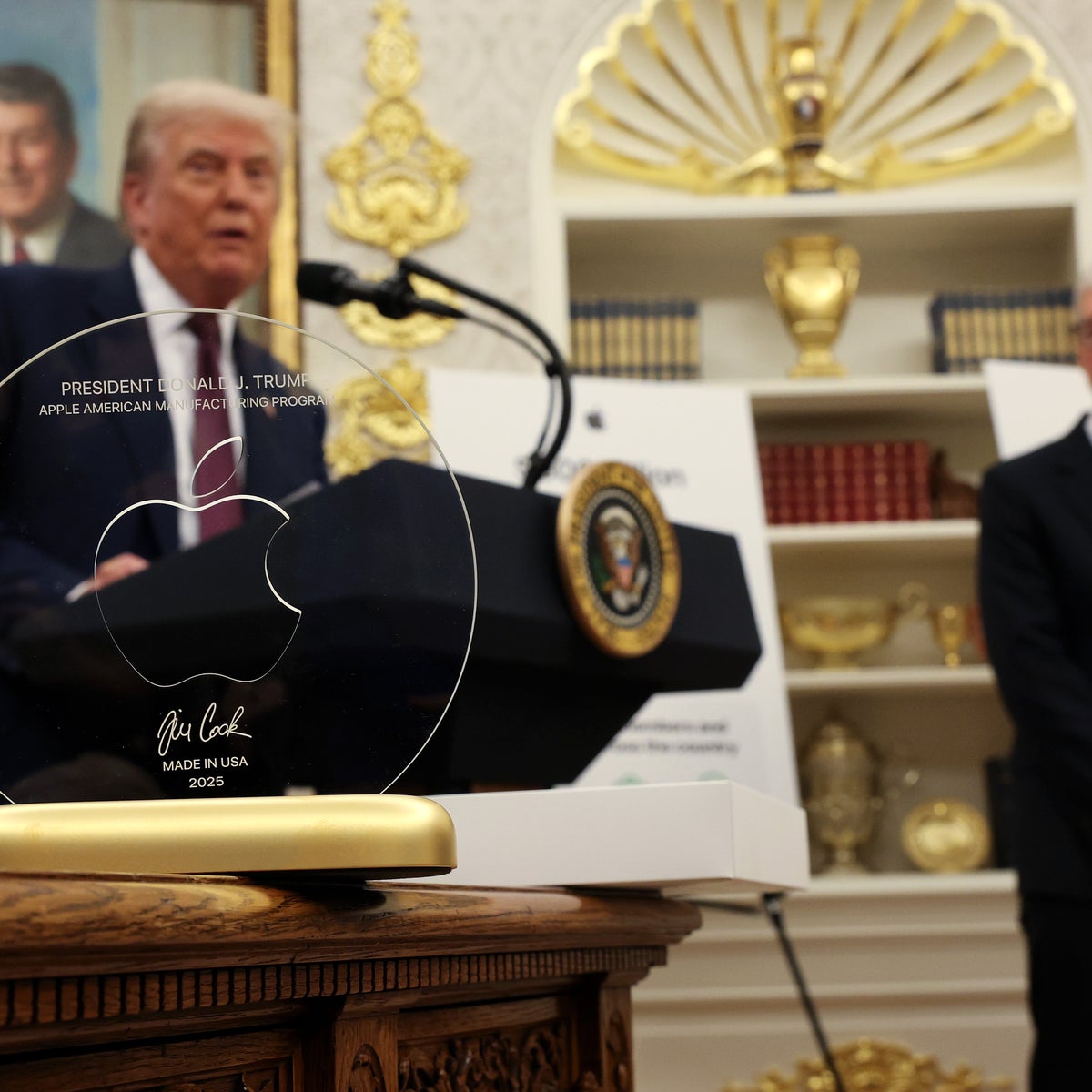
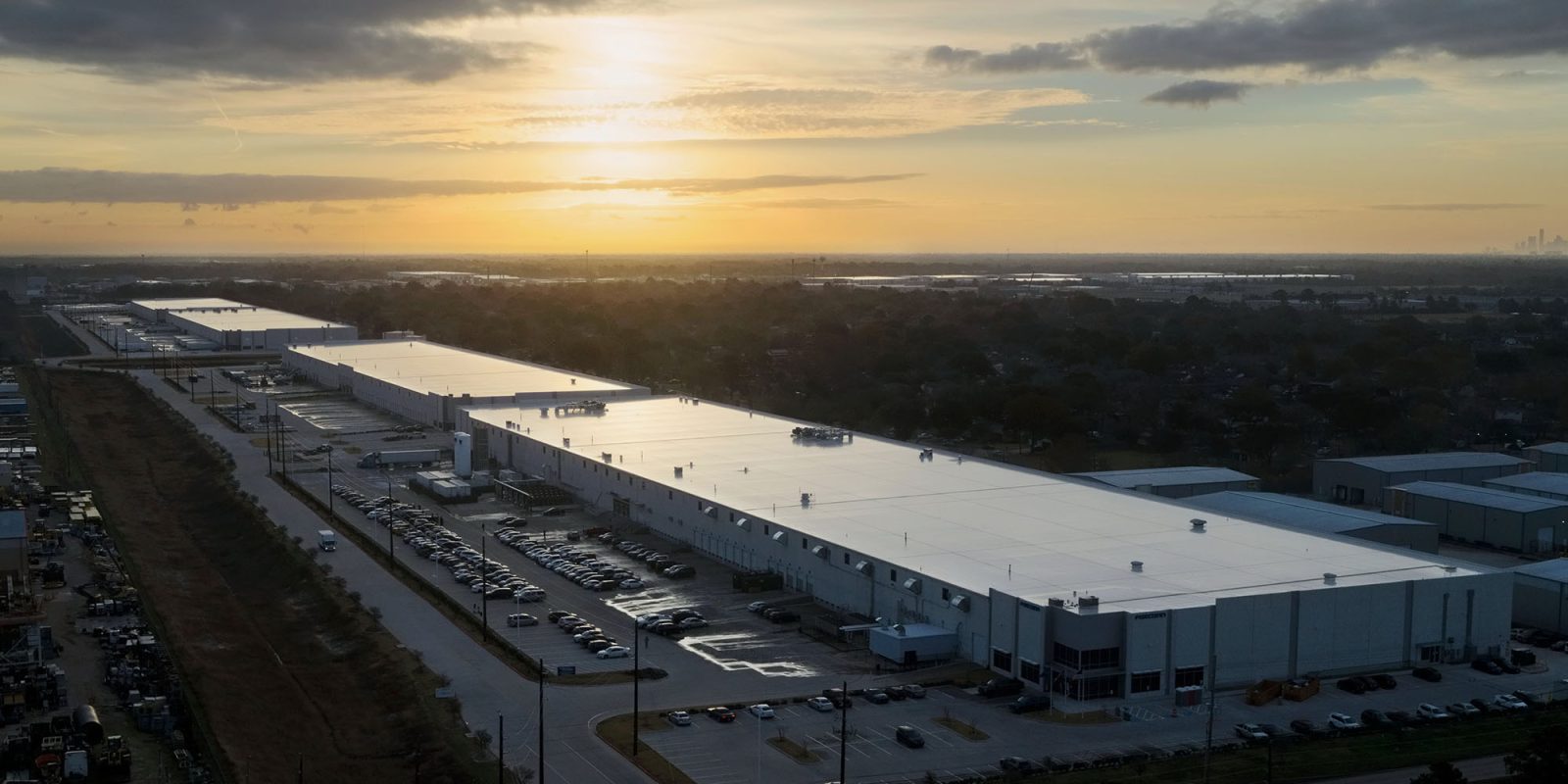
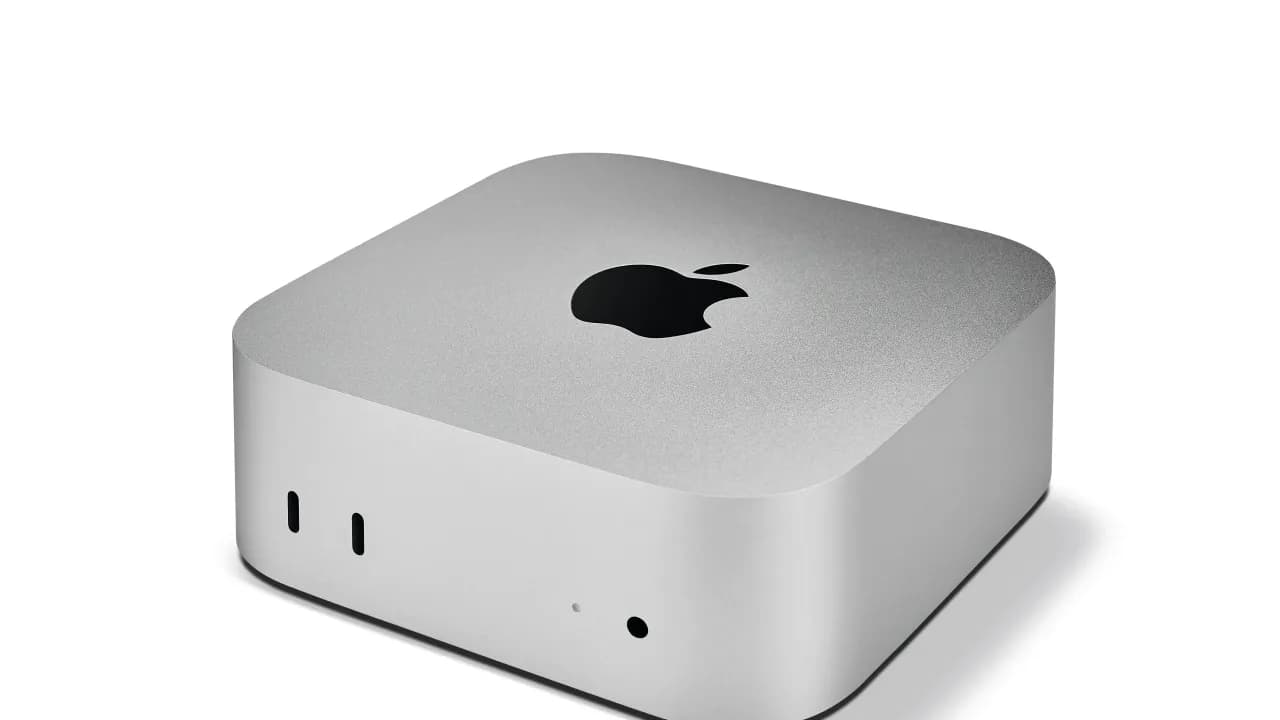
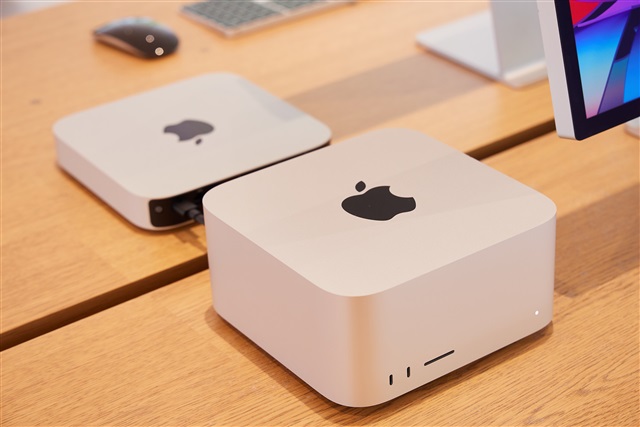
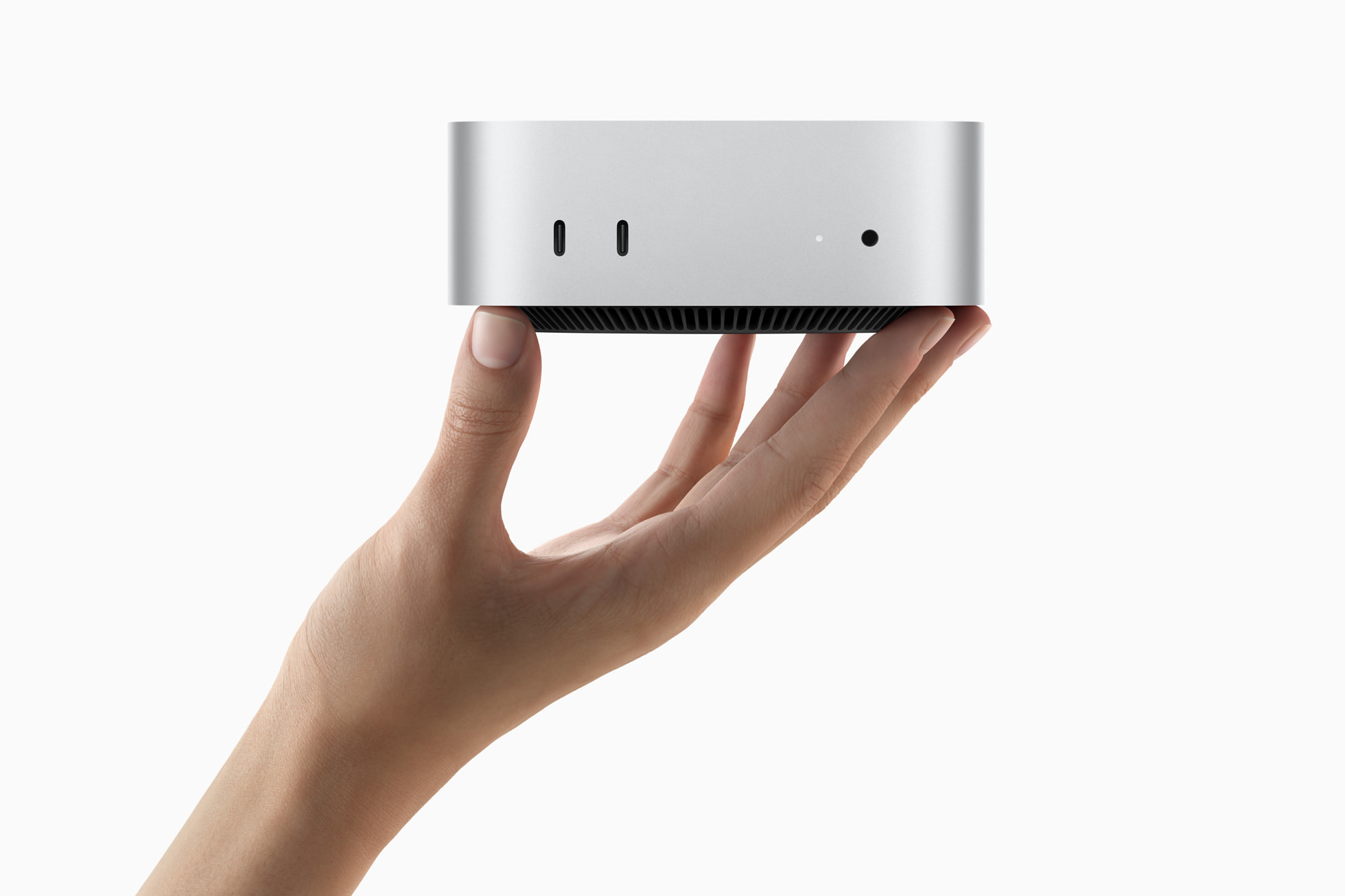
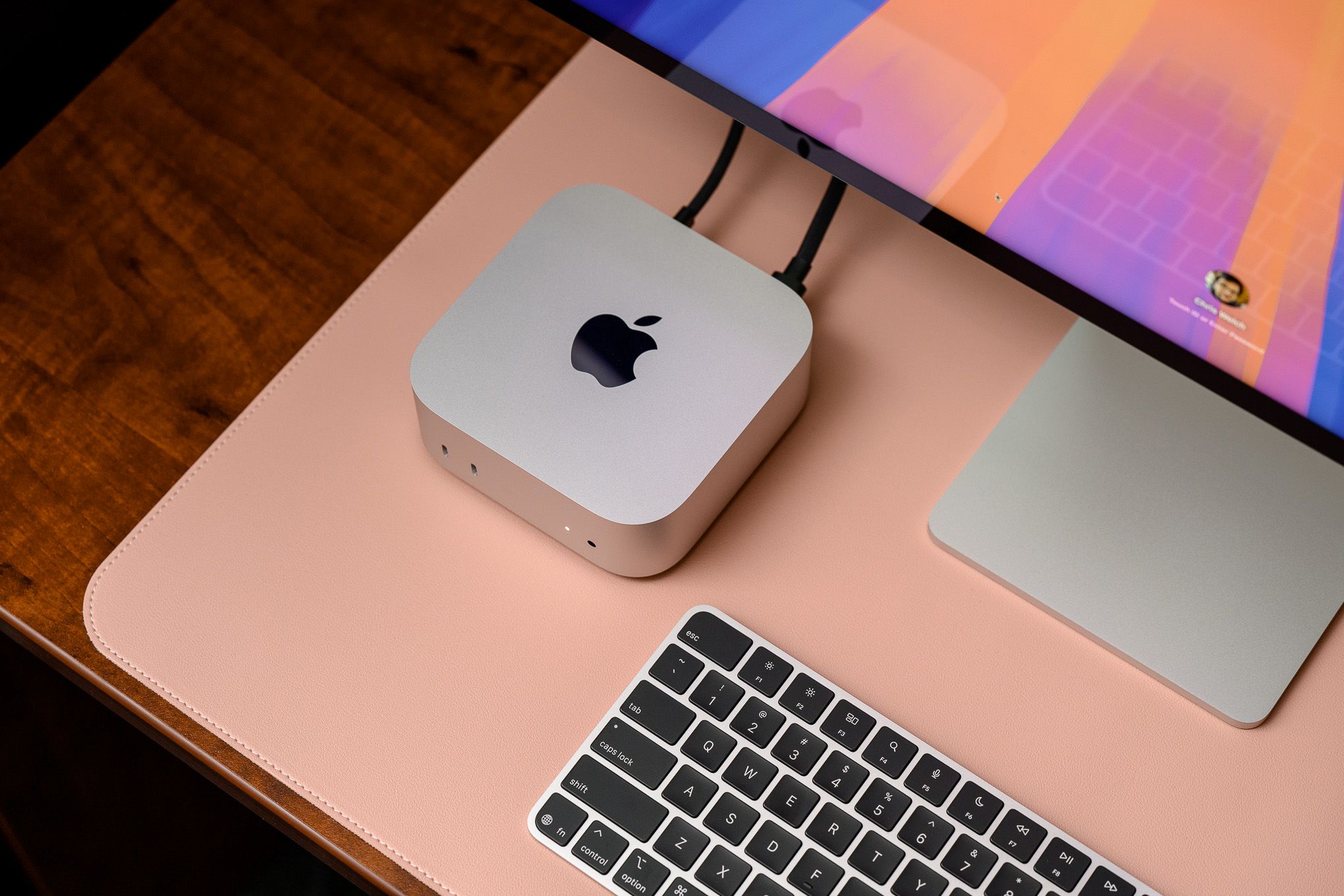
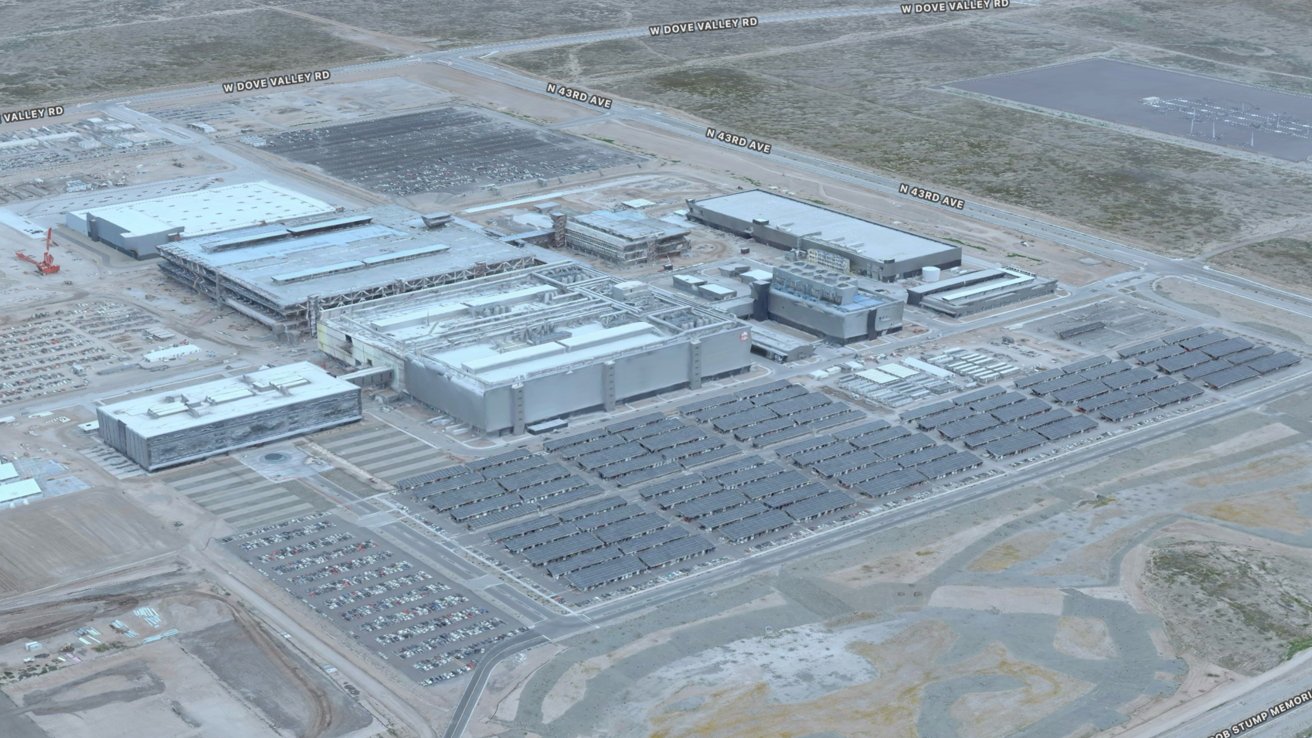
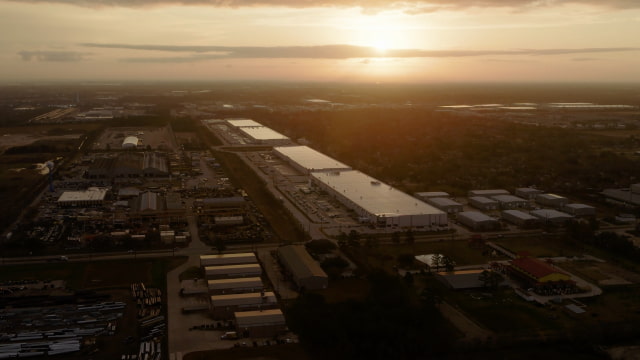
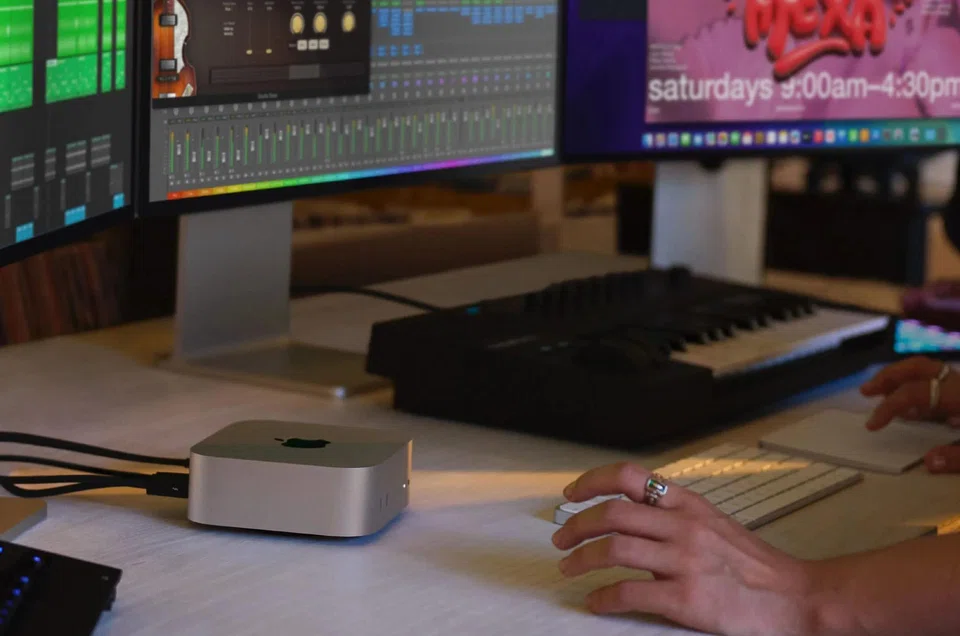
Apple's strategic decision to establish Mac Mini production at a Foxconn facility in north Houston, Texas—beginning in late 2026—represents a watershed moment for cross-border e-commerce sellers operating in the electronics category. According to The Wall Street Journal's February 23, 2026 report, this manufacturing realignment follows Apple's $600 billion U.S. investment commitment announced in August 2025 and directly responds to the May 2025 Trump administration's 25% tariff threat on overseas-manufactured electronics, reversing previous exemptions for computers and smartphones. This reshoring initiative fundamentally alters landed cost calculations for sellers sourcing competing products from Asia.
For electronics sellers, the immediate impact centers on tariff exposure and supply chain diversification. The 25% tariff threat that accelerated Apple's Houston investment now applies broadly to imported computer equipment, peripherals, and consumer electronics. Sellers currently sourcing laptops, desktop computers, monitors, and accessories from China face potential cost increases of $25-40 per unit (depending on product category and current pricing). The Houston facility's focus on meeting "local demand" signals Apple's strategy to avoid tariffs on US-destined inventory—a model other manufacturers will likely replicate. This creates a 12-18 month window (through mid-2026) where Asian-sourced electronics remain tariff-exempt, making this the optimal period to stock 4-6 months of inventory in US warehouses before tariff implementation accelerates costs.
Strategic sourcing shifts are now economically justified for specific product categories. Vietnam and Thailand—where Apple is already shifting some production—offer tariff advantages over China while maintaining competitive labor costs ($0.80-1.20/hour vs. $2-3/hour in China). For sellers in computer peripherals (keyboards, mice, monitors, docking stations), shifting 30-40% of sourcing from China to Vietnam or Thailand can reduce landed costs by 8-12% after accounting for slightly longer lead times (45-60 days vs. 30-40 days from China). India represents an emerging opportunity for specific categories like phone cases and tablet accessories, where manufacturing costs are 15-20% lower than China and tariff exposure is minimal. Warehouse positioning is critical: sellers should prioritize US-based 3PL facilities in Texas, California, and New Jersey to capture the Houston manufacturing ecosystem's logistics advantages and reduce last-mile costs to US customers by 12-18%.
Inventory strategy must account for the dual-sourcing reality Apple is implementing. Apple's COO Sabih Khan confirmed that Asian production continues while the US assembly line ramps up—a model that creates temporary supply abundance followed by potential scarcity. Sellers should: (1) Liquidate slow-moving Asian-sourced inventory before Q3 2026 to avoid tariff-driven markdowns; (2) Stock 3-4 months of high-velocity items (computer accessories, peripherals under $50) in US warehouses by June 2026; (3) Shift 20-30% of sourcing to Vietnam/Thailand for mid-range products ($50-200) to hedge tariff risk. The advanced manufacturing training center Apple is establishing in Houston signals long-term commitment to US production, making this a permanent supply chain shift rather than temporary tariff avoidance—sellers should plan accordingly for 2027-2028 inventory positioning.
问题 7
How does Apple's Houston Mac Mini production affect tariff costs for electronics sellers?
Apple's shift to US production directly validates the 25% tariff threat on overseas electronics, which now applies to all imported computer equipment and peripherals. Sellers currently sourcing from China face potential cost increases of $25-40 per unit depending on product category. The tariff exemption window closes in mid-2026, making this the critical period to stock 4-6 months of Asian-sourced inventory in US warehouses before costs spike. Competitors will follow Apple's reshoring model, accelerating tariff implementation across the electronics category.
Should I shift my electronics sourcing from China to Vietnam or Thailand?
Yes, for 30-40% of your inventory, particularly computer peripherals and accessories. Vietnam and Thailand offer 8-12% landed cost reductions compared to China after accounting for 15-20 day longer lead times (45-60 days total). Labor costs are $0.80-1.20/hour versus $2-3/hour in China, and tariff exposure is minimal. This diversification hedges against the 25% tariff risk while maintaining competitive pricing. Start with low-velocity SKUs to test supplier quality before scaling to high-volume items.