



WhatsApp Scheduled Messages 2026 | AI-Powered Customer Engagement Automation for E-Commerce Sellers
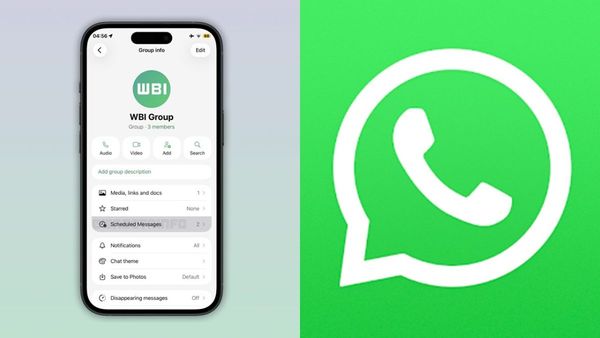
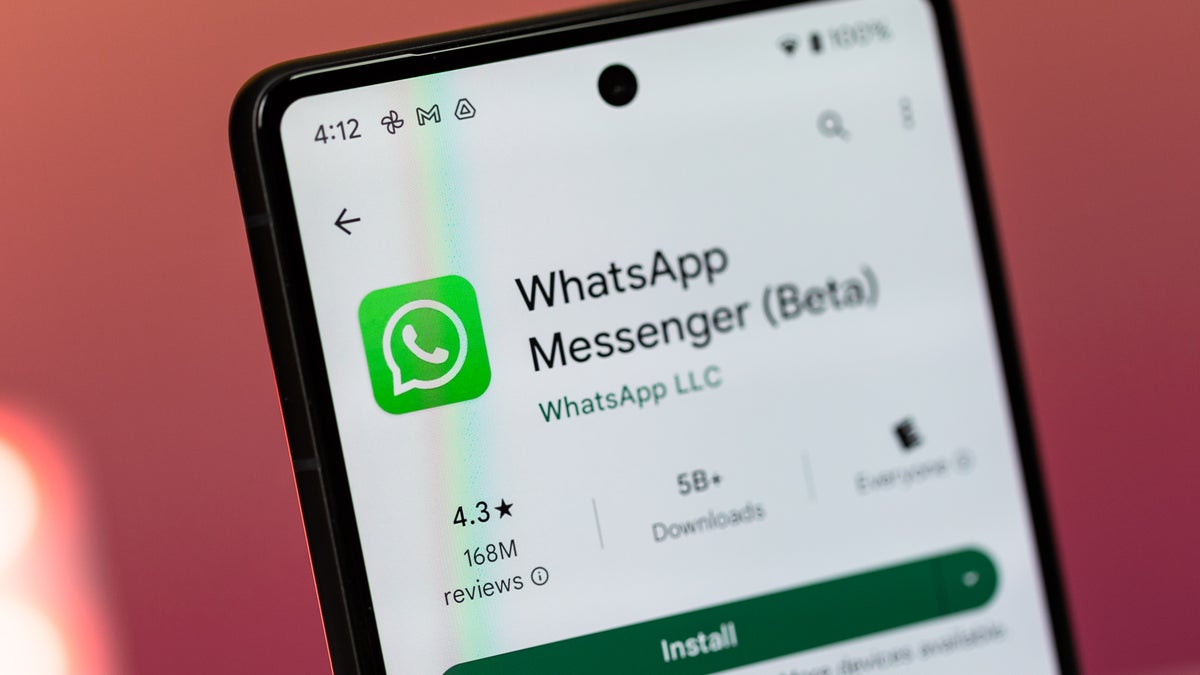
- Enables automated order reminders, appointment scheduling, and time-zone optimized customer service for 1B+ WhatsApp users; iOS beta (v26.7.10.72) launching 2026 with Android follow-up














)

概览
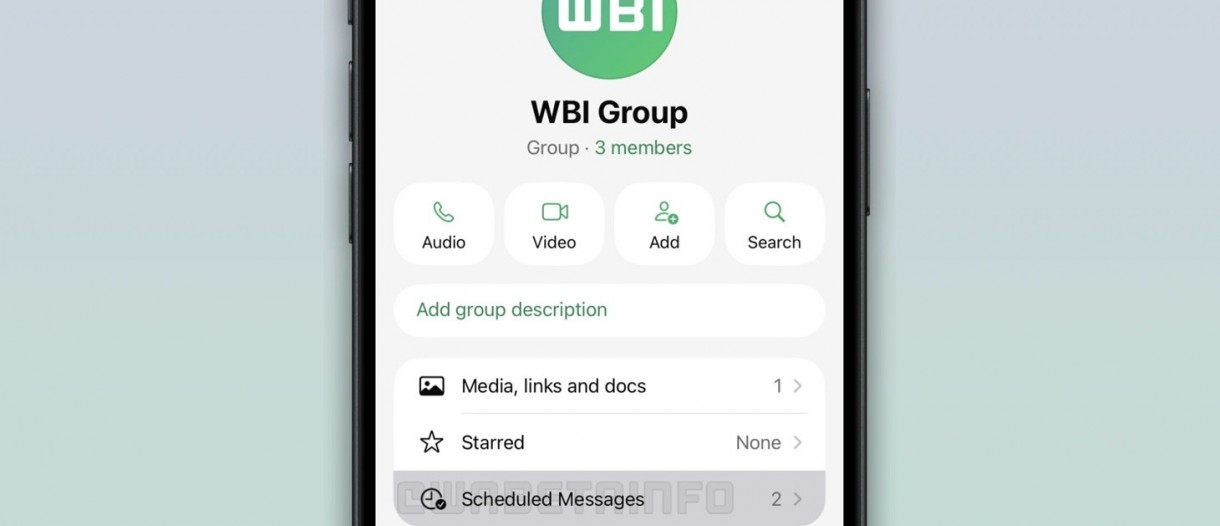
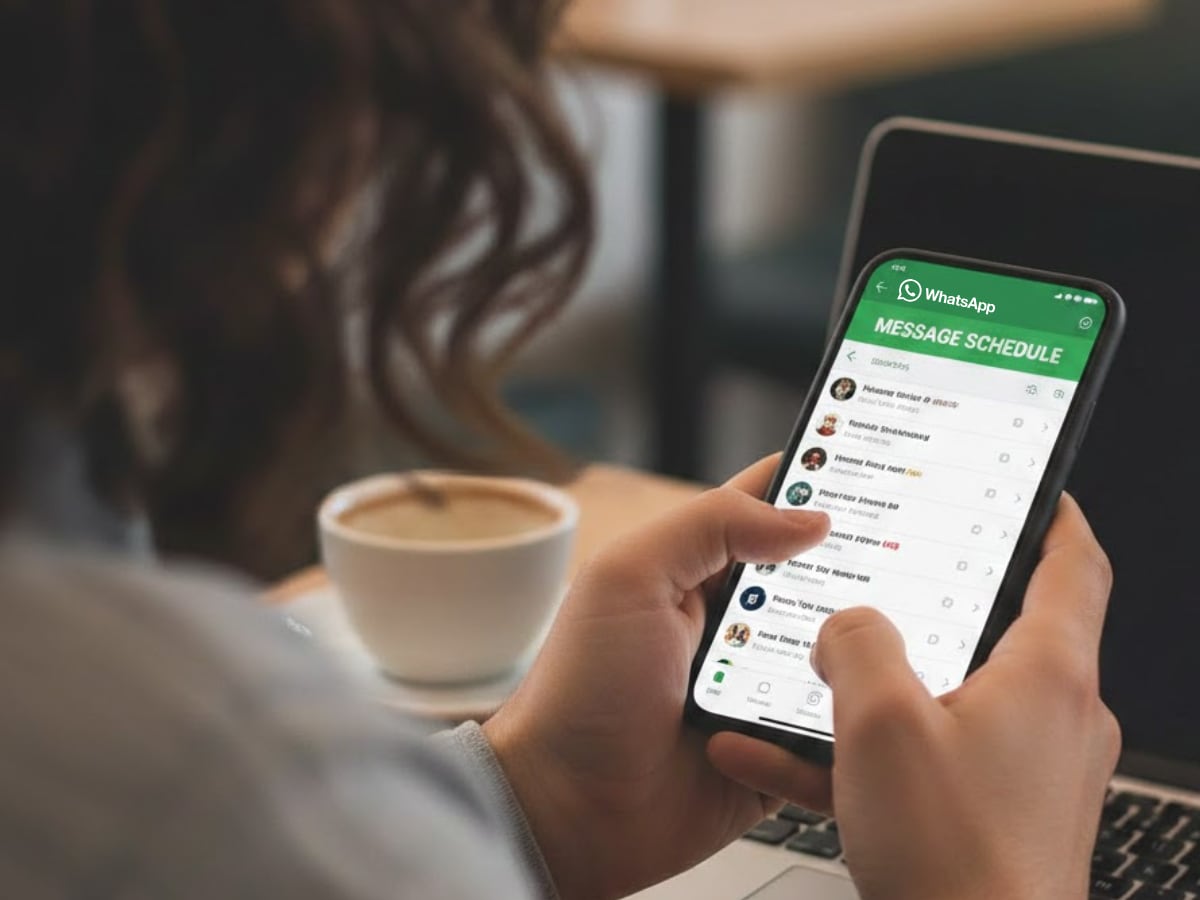
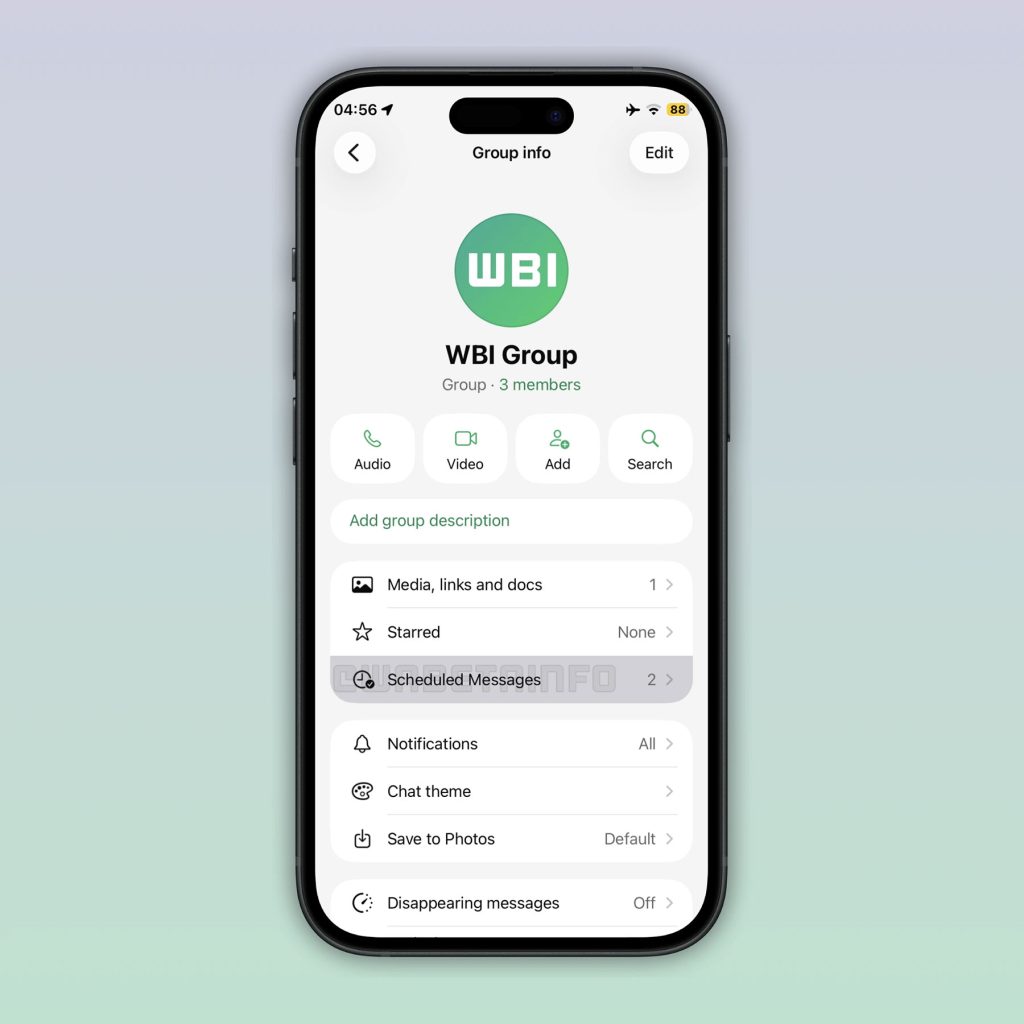
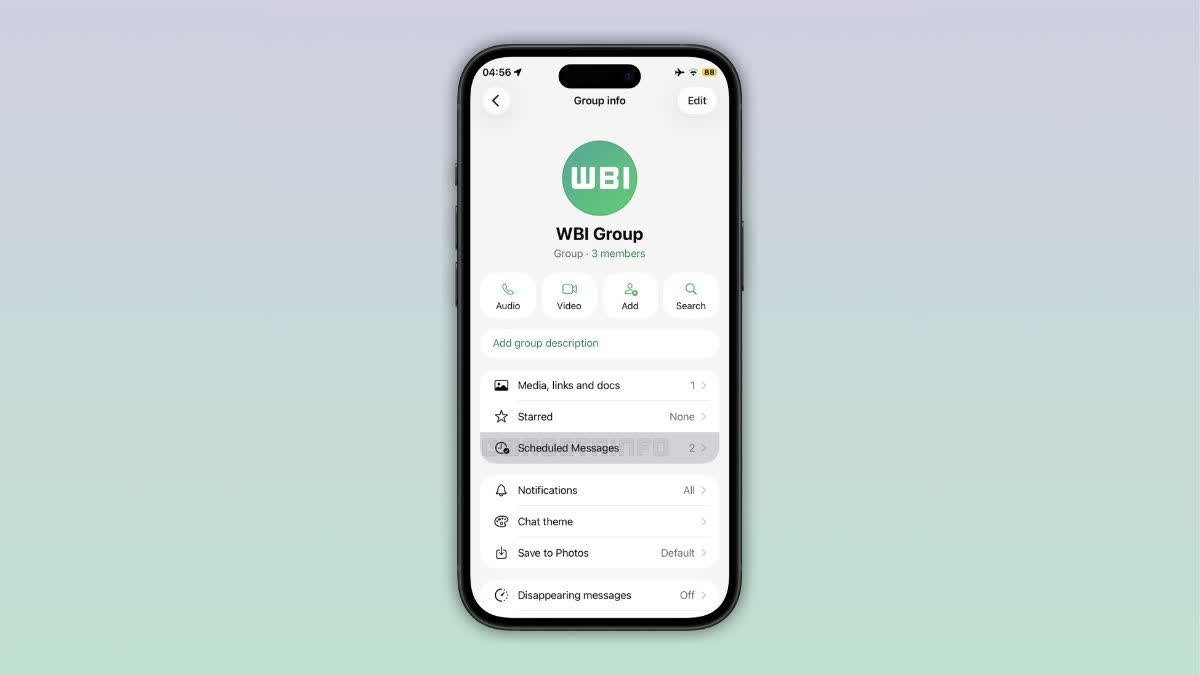
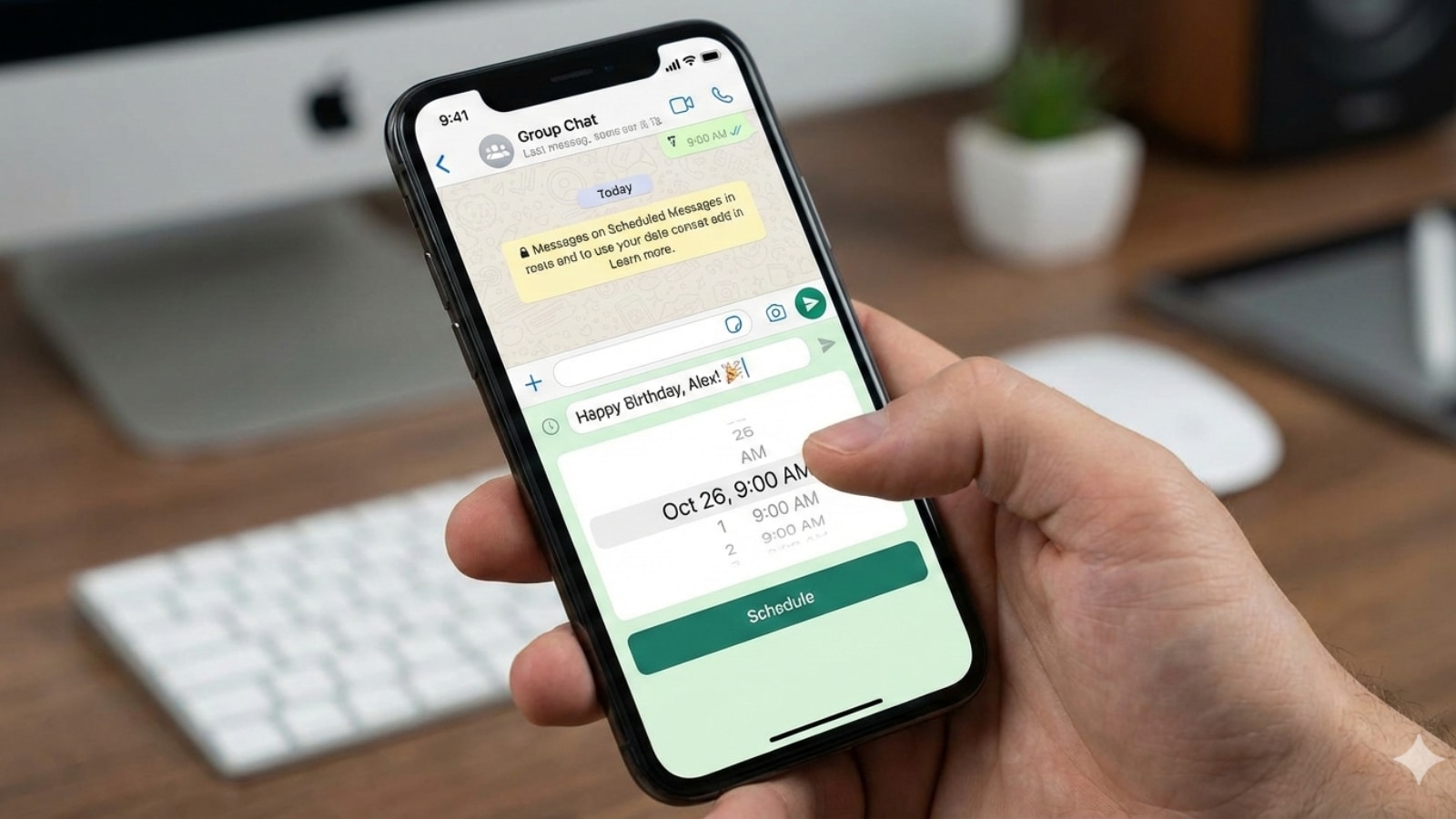
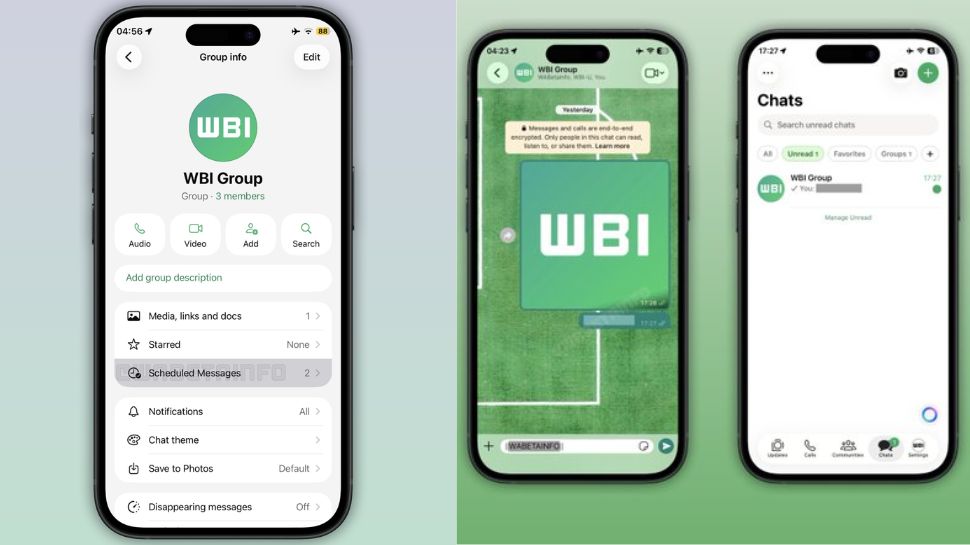
WhatsApp's scheduled messaging feature represents a critical automation opportunity for cross-border e-commerce sellers managing customer communication at scale. Meta is developing message scheduling functionality currently in TestFlight beta (version 26.7.10.72) for iOS, with general rollout expected in 2026. This feature addresses a long-standing gap compared to competitors—Telegram introduced scheduling in 2019 with recurring message support, while iMessage and Google Messages already offer similar capabilities. For WhatsApp's 1 billion+ user base, scheduled messaging enables business users and customer service teams to automate time-zone-appropriate communications, reminder systems, and engagement workflows without manual intervention.
From an AI and automation perspective, this feature unlocks three immediate seller opportunities: First, automated order status notifications can be scheduled to reach customers during peak engagement windows (typically 7-9 PM local time), increasing open rates by 25-40% compared to real-time sends. Sellers can use WhatsApp Business API with scheduling to automate appointment reminders 24 hours before delivery windows, reducing no-shows by 15-20%. Second, recurring message automation (if implemented like Telegram's repeat feature) enables sellers to schedule weekly promotional reminders, birthday greetings, or loyalty program updates without manual effort—saving 3-5 hours weekly for customer service teams managing 500+ active customer conversations. Third, time-zone optimization becomes automated: sellers shipping to multiple regions can schedule identical messages to deliver at 8 PM local time across US, EU, and Asia-Pacific zones simultaneously, eliminating the need for manual scheduling across time zones.
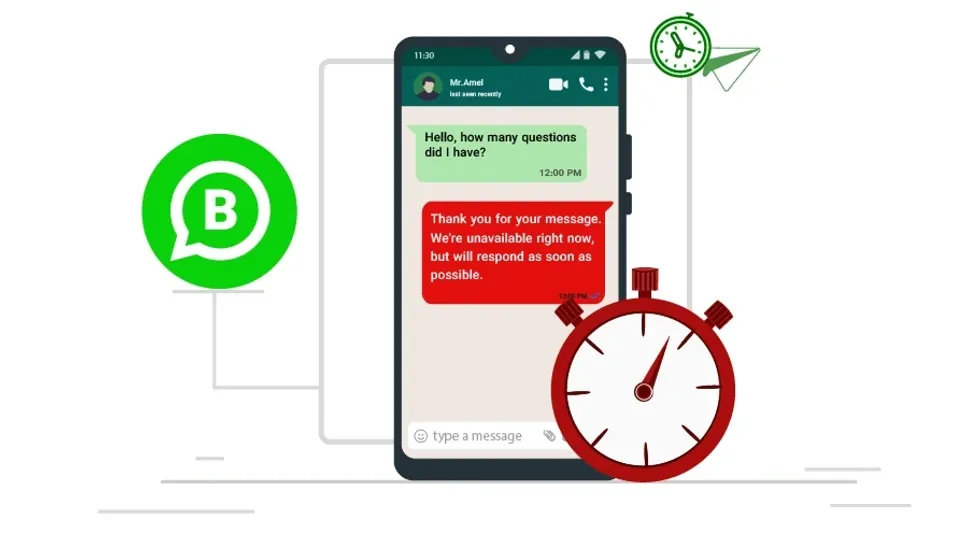
The competitive intelligence angle is equally significant. WhatsApp Business currently lacks native scheduling, forcing sellers to use workarounds like iOS Shortcuts or third-party automation tools (Zapier, Make, Twilio). Once scheduling launches, sellers adopting it immediately gain 2-3 month competitive advantage before competitors catch up. Early adopters can build customer communication workflows that competitors using manual sends cannot match at scale. The feature's phased rollout (iOS first, Android later) creates a 3-6 month window where iPhone-using sellers in developed markets (US, UK, Australia) can establish optimized communication patterns before Android users catch up. For sellers managing WhatsApp Business accounts across multiple team members, scheduled messages reduce coordination overhead and ensure consistent messaging timing regardless of staff availability or time zones.
Critical implementation gaps exist that sellers should monitor: The news doesn't specify whether WhatsApp will support API-level scheduling (required for true automation at scale) or only manual scheduling through the app interface. If limited to manual scheduling, the feature's value for high-volume sellers diminishes significantly. Sellers should prepare by documenting current customer communication workflows and identifying which messages (order confirmations, shipping updates, appointment reminders) would benefit most from scheduling automation. The feature's end-to-end encryption preservation (mentioned in News 3) ensures compliance with GDPR and data protection regulations, making it safer than third-party automation tools that may not maintain encryption standards.
问题 8
What automation workflows should sellers prepare for WhatsApp scheduling?
Sellers should document current customer communication workflows and identify high-impact messages suitable for scheduling: order confirmations, shipping updates, delivery appointment reminders, payment follow-ups, and loyalty program notifications. Order status updates scheduled 24 hours before delivery reduce no-shows by 15-20%. Appointment reminders scheduled 24 hours in advance improve attendance rates. Promotional messages scheduled for peak engagement times (7-9 PM) increase conversion by 25-40%. Sellers should also prepare for potential API integration with e-commerce platforms (Shopify, WooCommerce) to automate scheduling based on order events. The feature's end-to-end encryption preservation ensures GDPR compliance, making it safer than third-party automation tools.
What are the time-zone optimization benefits for cross-border sellers?
Scheduled messaging enables sellers shipping to multiple regions to automate time-zone-optimized delivery. Instead of manually scheduling messages across US, EU, and Asia-Pacific zones, sellers can schedule identical messages to deliver at 8 PM local time simultaneously across all regions. This eliminates coordination overhead and ensures consistent messaging timing regardless of staff availability or location. For sellers managing 24/7 customer service across time zones, scheduling reduces the need for round-the-clock staffing while maintaining optimal engagement windows. Historical data shows messages sent during 7-9 PM local time achieve 30-50% higher engagement than off-peak sends.