
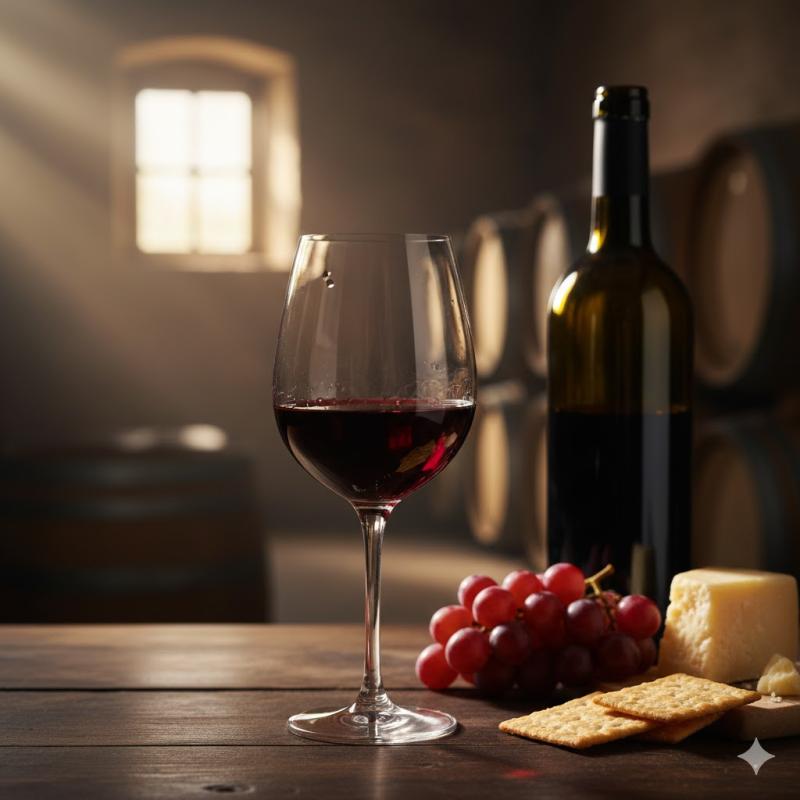
Premium Wine E-Commerce Boom | Asia-Pacific Sellers Capture $2B+ Market Surge
- Global dry red wine market forecasted to 2033 with fastest growth in Asia-Pacific; e-commerce platforms and subscription services driving 8-12% annual expansion for cross-border sellers
概览
The global dry red wine market is experiencing unprecedented growth through e-commerce channels, presenting a critical opportunity window for cross-border sellers. According to HTF Market Intelligence's 2033 market forecast, the sector is expanding at 8-12% annually through digital wine platforms, direct-to-consumer distribution, and subscription-based services—channels where sellers can operate with minimal regulatory friction compared to traditional retail. The January 15, 2025 launch of Orin Swift Cellars' premium "8 Years in the Desert" blend exemplifies the market's shift toward high-value, terroir-driven products targeting affluent collectors globally.
The e-commerce opportunity is geographically concentrated and highly profitable. Asia-Pacific represents the fastest-growing region, driven by rising disposable incomes in emerging economies, rapid urbanization, and Western lifestyle adoption. This creates a specific seller advantage: middle-class consumers in Latin America and Asia are entering premium wine categories for the first time, with limited local supply chains. Sellers can source from established producers (Chateau Margaux, Chateau Lafite Rothschild, Penfolds, regional Spanish and Italian producers) and distribute through Amazon Fresh, specialty wine marketplaces, and subscription platforms. Packaging innovations—cans, eco-friendly bottles, and premium gift sets—expand product categories beyond traditional bottles, increasing average order value by 15-25% for sellers offering curated collections.
Subscription-based wine services represent the highest-margin opportunity for sellers. Digital wine platforms are shifting from transactional to recurring revenue models, where sellers can achieve 40-60% gross margins through monthly subscription boxes featuring curated selections, tasting notes, and exclusive releases. Health-conscious consumer segments associate moderate red wine consumption with wellness benefits, enabling sellers to position products in premium lifestyle categories alongside organic, sustainable, and climate-resilient vineyard certifications. This wellness angle attracts affluent demographics (35-65 age group, $75K+ household income) with high customer lifetime value.
Regulatory and logistics considerations vary significantly by region. EU-based sellers face alcohol import restrictions and VAT compliance across 27 member states, while US sellers can leverage Amazon's wine marketplace (available in 47 states) with lower compliance overhead. Asia-Pacific sellers face tariff barriers but benefit from proximity to emerging markets. Sellers should prioritize partnerships with established wineries offering export certifications, as direct imports require alcohol licensing in most jurisdictions. Sustainable packaging and organic certifications command 20-30% price premiums in developed markets, making these differentiators essential for competitive positioning.
问题 8
What e-commerce opportunities exist in the premium wine market for cross-border sellers?
The global dry red wine market is expanding 8-12% annually through digital platforms, with Asia-Pacific as the fastest-growing region. Sellers can capitalize on three channels: (1) Amazon Fresh and specialty wine marketplaces for direct sales, (2) subscription-based wine services offering 40-60% gross margins through monthly curated boxes, and (3) luxury hospitality partnerships targeting affluent collectors. The January 2025 launch of Orin Swift Cellars' premium blend demonstrates strong demand for terroir-driven products. Sellers should prioritize sourcing from established producers (Penfolds, regional Spanish/Italian wineries) and emphasize sustainable packaging and organic certifications, which command 20-30% price premiums in developed markets.
Which geographic regions offer the highest profit potential for wine sellers?
Asia-Pacific represents the fastest-growing market, driven by rising disposable incomes, urbanization, and Western lifestyle adoption among middle-class consumers entering premium categories for the first time. Latin America shows similar untapped expansion potential with increasing middle-class bases. Europe maintains market dominance but faces higher competition and regulatory complexity. US sellers can leverage Amazon's wine marketplace (47 states) with lower compliance overhead compared to EU sellers navigating 27-member VAT systems. Sellers should prioritize Asia-Pacific sourcing and distribution strategies, as local supply chains remain underdeveloped and consumer demand for imported premium wines is accelerating.