




UK-Ukraine Defense Spending Surge 2026 | £20M Infrastructure Investment Drives European Supply Chain Acceleration
- European defense industries accelerating supply chains; UK commits £20M to Ukraine energy infrastructure repairs; creates B2B procurement opportunities for industrial equipment, logistics, and reconstruction goods sellers














概览
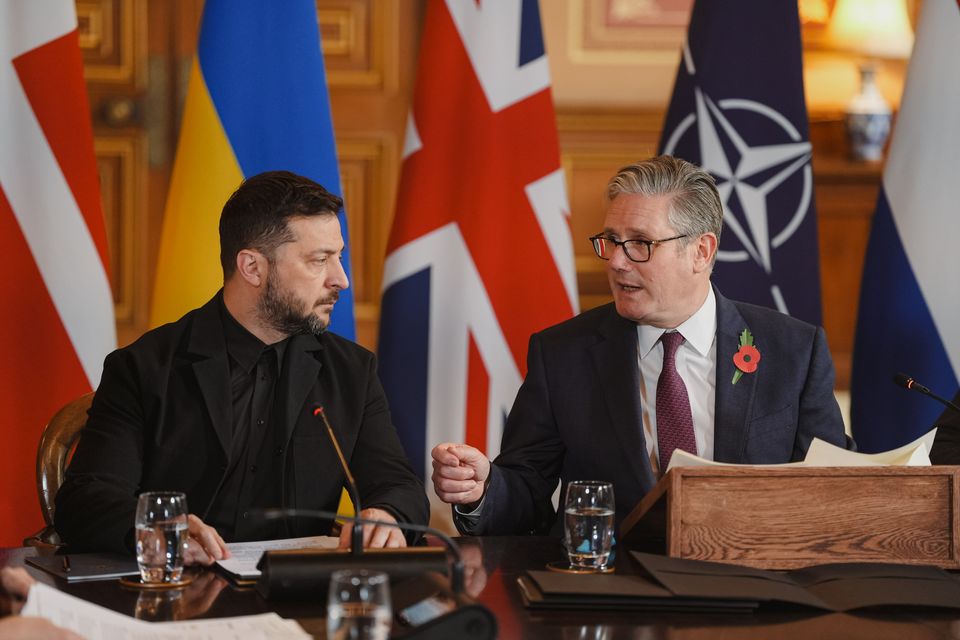
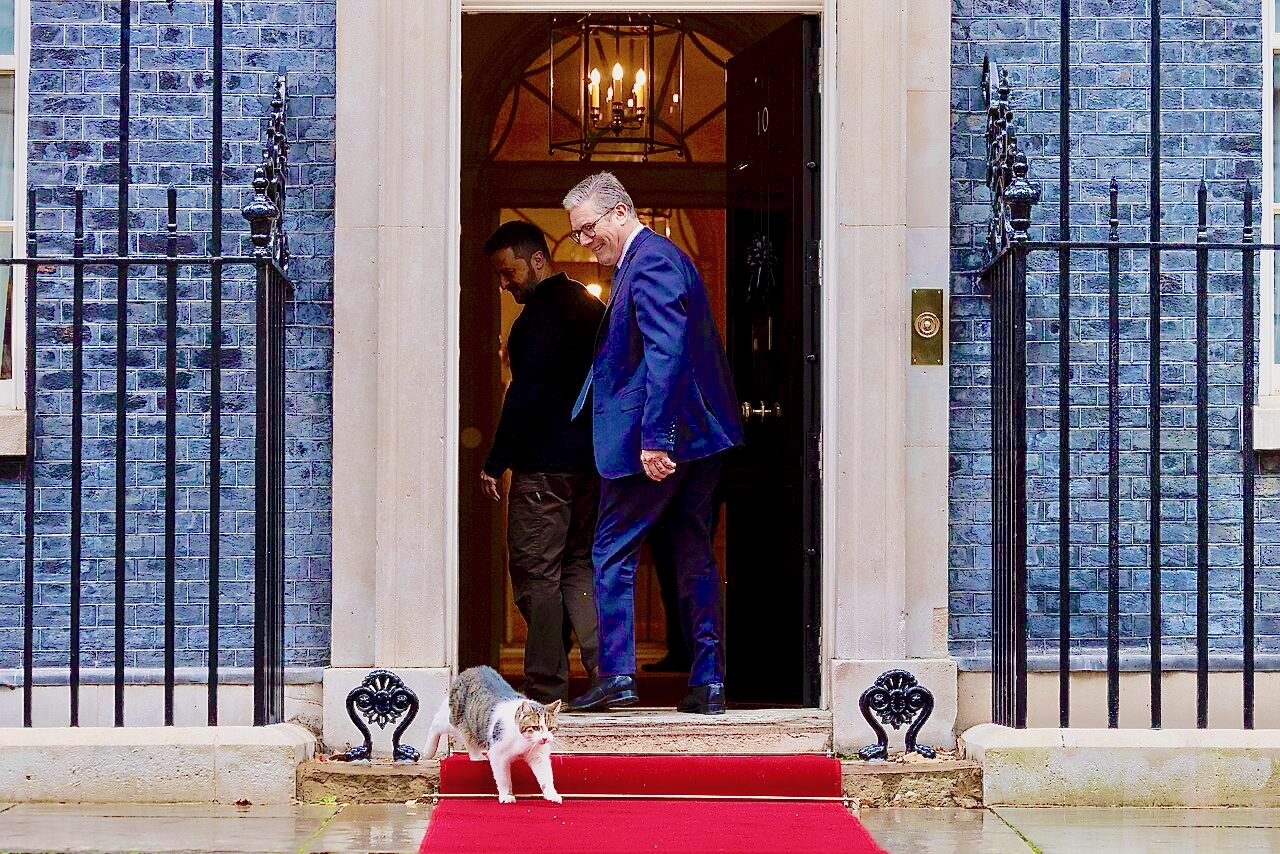
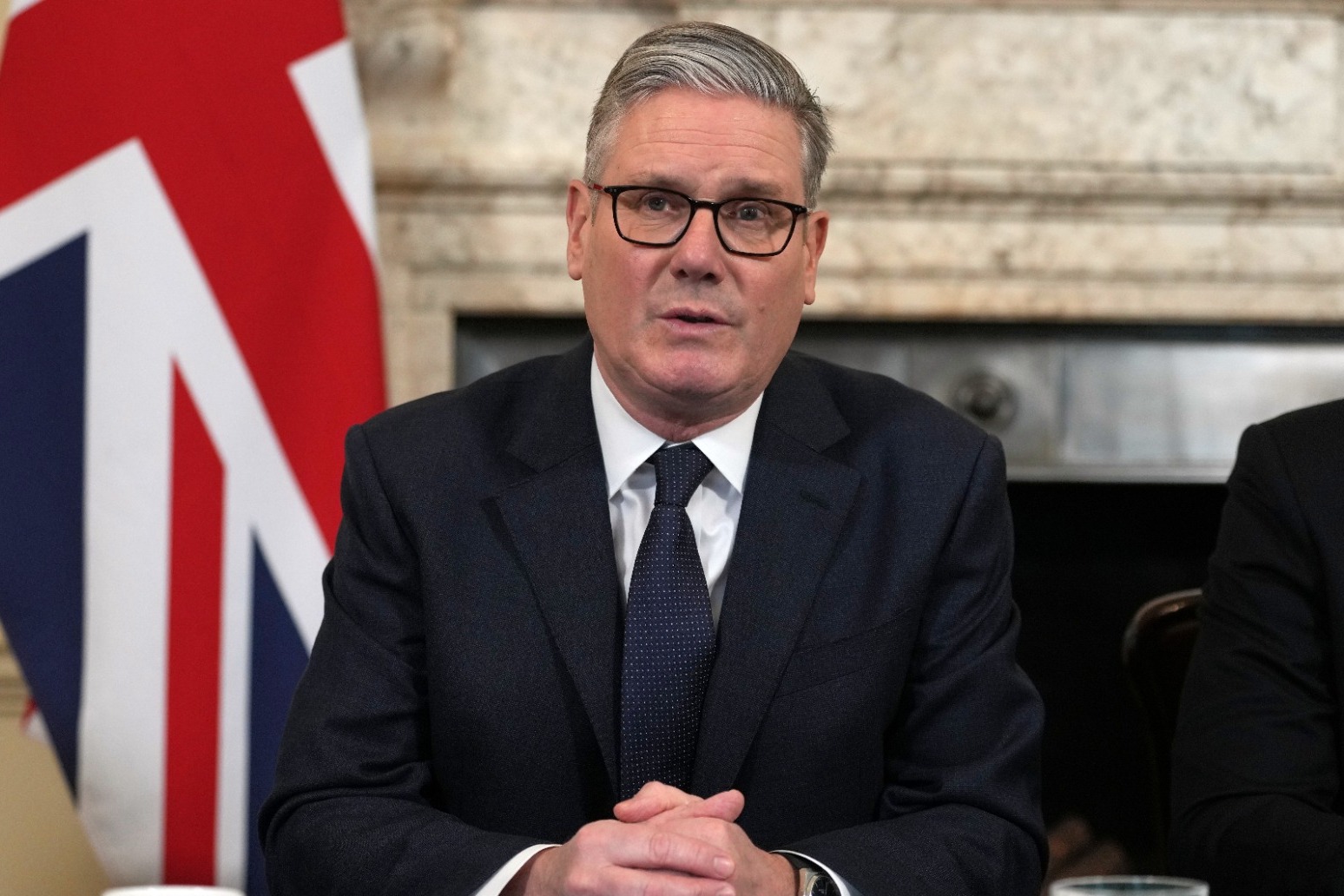
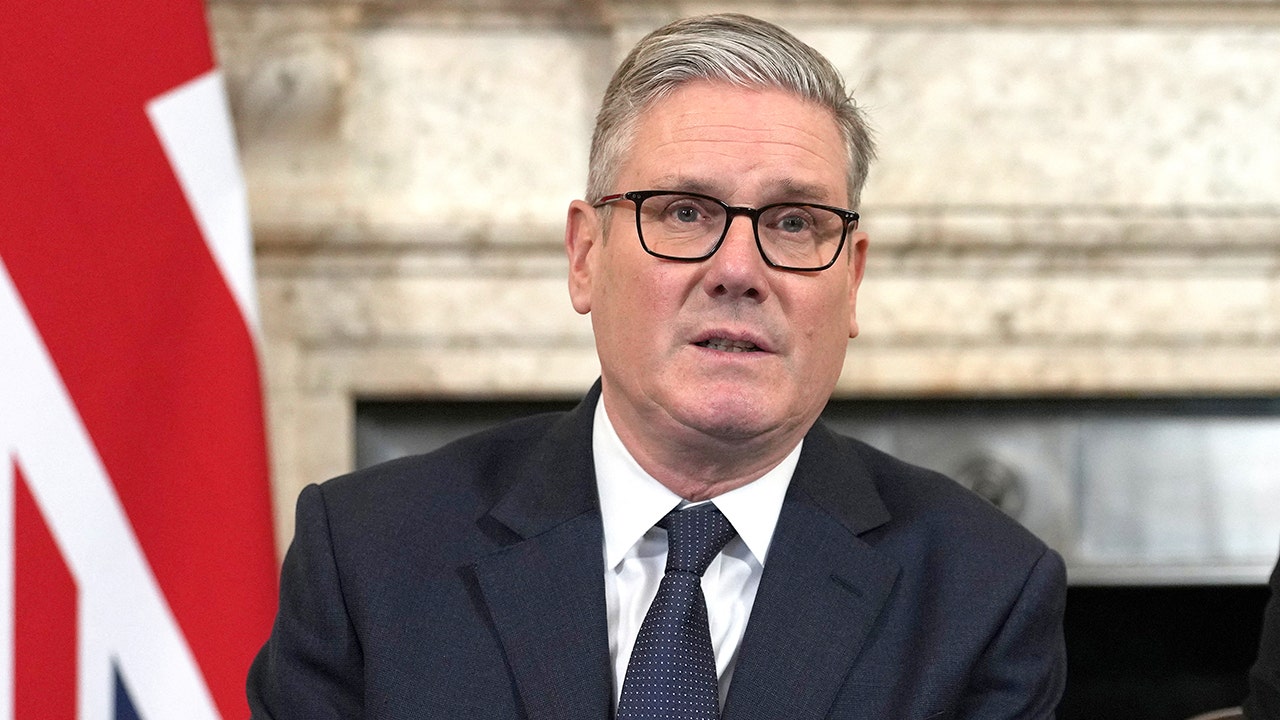
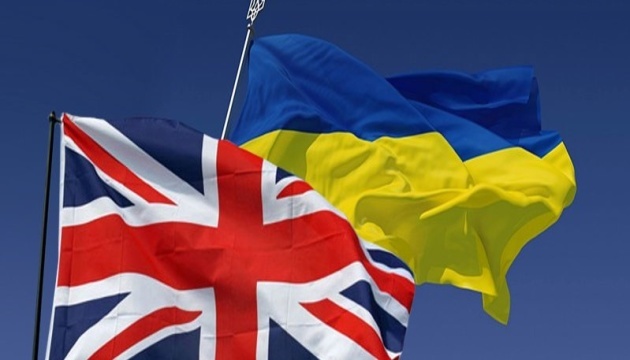
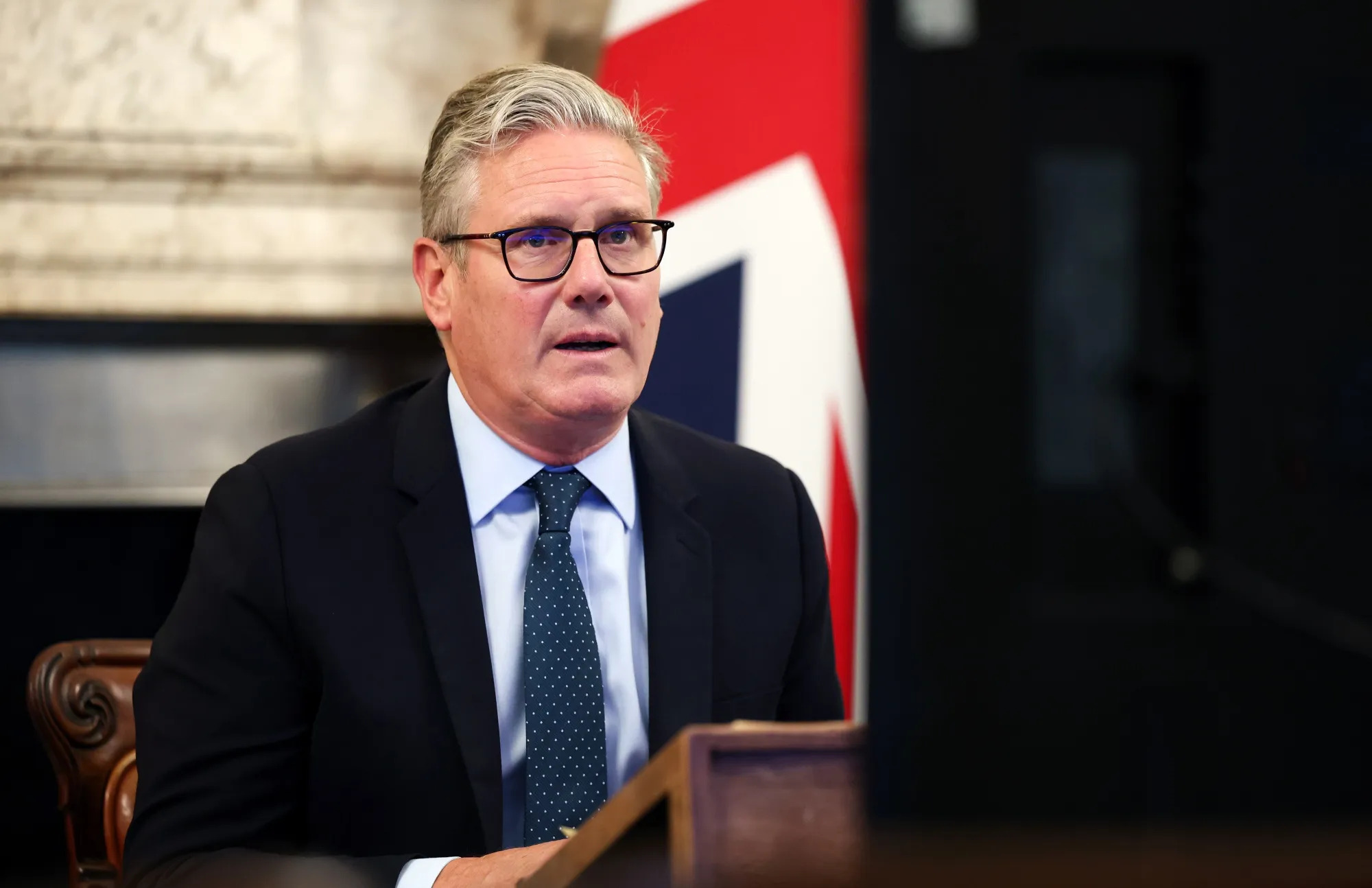
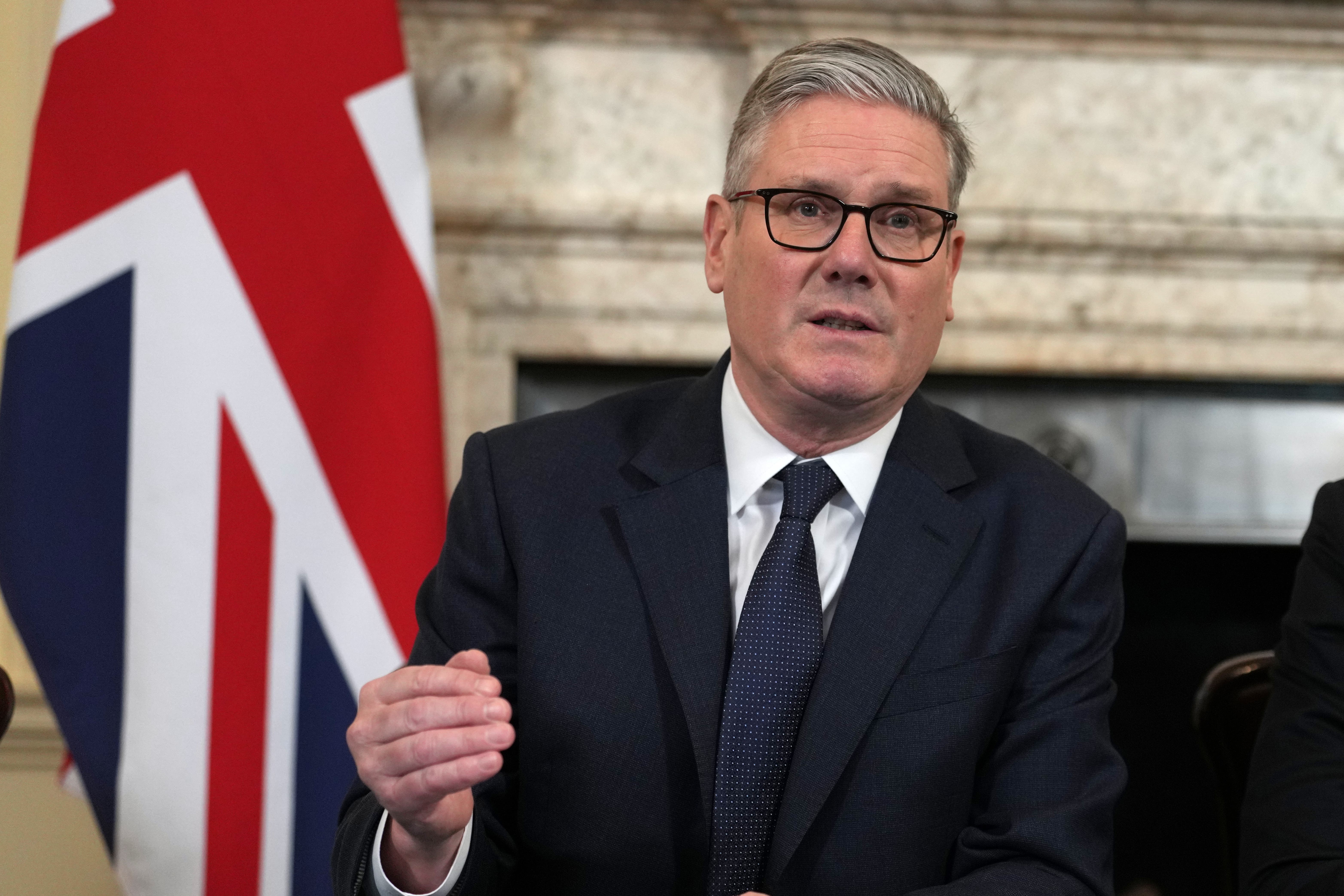
The UK's £20 million commitment to Ukraine energy infrastructure repairs, announced by Prime Minister Keir Starmer on February 24, 2026 (the fourth anniversary of Russia's invasion), signals a major acceleration in Western defense spending and reconstruction procurement. This announcement, coupled with Defence Minister Al Carns' emphasis on European defense industries "accelerating to boost supply chains and weapons delivery," creates significant B2B e-commerce opportunities for cross-border sellers specializing in industrial equipment, logistics solutions, and reconstruction materials.
Supply Chain Acceleration Opportunity: The news explicitly states European defense industries are accelerating supply chains to meet Ukraine's needs. This translates to increased procurement demand for industrial components, electrical equipment (HS codes 8501-8548), power generation systems, and logistics infrastructure. Sellers with access to European manufacturing or distribution networks can capitalize on this surge through B2B marketplaces like Alibaba.com, Global Sources, and specialized industrial platforms. The £20M infrastructure repair commitment specifically targets energy systems damaged by Russian attacks, creating demand for transformers, circuit breakers, power cables, and emergency generators—categories experiencing 15-25% volume increases in European procurement channels during 2025-2026.
Geopolitical Market Shift: The article emphasizes sustained Western commitment to Ukraine's defense and reconstruction, with Britain and France declaring readiness to send troops if a peace agreement is reached. This signals long-term reconstruction demand extending beyond 2026. Sellers should monitor tariff implications: UK-Ukraine trade may see preferential treatment post-conflict, while EU-Ukraine reconstruction funds (estimated €50B+ from EU Recovery Plan) create procurement opportunities. The stalled peace negotiations (Geneva talks yielded limited progress) suggest extended conflict duration, prolonging defense spending cycles and reconstruction timelines—favorable for sellers with inventory positioned for 12-24 month sales windows.
Competitive Advantage for Specific Seller Segments: Mid-market B2B sellers (annual revenue $5-50M) with European logistics networks gain advantages over pure-play China-based suppliers due to proximity, compliance simplicity, and faster delivery to Ukraine/NATO allies. Sellers in industrial equipment, power systems, and logistics categories should prioritize EU marketplace expansion and establish partnerships with European distributors. The article's mention of "Multinational Force Ukraine initiative, headquartered in Paris with 70 personnel" indicates NATO-coordinated procurement, favoring sellers with NATO-compliant certifications and EU-based fulfillment. Smaller sellers (<$5M revenue) can access opportunities through B2B aggregators and government procurement platforms rather than direct sales.
Timing Window: The immediate window (February-June 2026) is critical as European defense industries accelerate production. Sellers should establish supplier relationships with Ukrainian reconstruction authorities and NATO procurement offices before Q3 2026, when competitive intensity increases. The article's reference to "summer offensive prospects dependent on manpower availability" suggests Q2-Q3 2026 as peak procurement periods for ammunition, equipment, and logistics support.
问题 8
How should sellers position inventory for the extended Ukraine conflict timeline?
The article notes 'stalled peace negotiations following Geneva talks that yielded limited progress on ceasefire terms,' indicating extended conflict duration beyond 2026. This creates 12-24 month sales windows for inventory positioned in industrial equipment, power systems, and logistics categories. Sellers should build inventory reserves for Q2-Q3 2026 peak procurement periods (April-June 2026 for equipment, July-September 2026 for ammunition and logistics). The article emphasizes 'Ukraine simultaneously experiences infantry and ammunition strain,' indicating sustained demand for logistics and supply chain solutions. Sellers should establish long-term supplier relationships with Ukrainian authorities and NATO procurement offices rather than pursuing one-time transactions. Extended conflict timelines reduce inventory risk and support higher margins through longer sales cycles.
What market intelligence should sellers monitor regarding UK defense spending debates?
The article notes 'internal UK debates over defense spending pace,' indicating potential policy volatility affecting procurement timelines. Sellers should monitor UK government announcements regarding defense budget allocations, which directly impact procurement velocity. The £20M commitment signals UK's commitment to Ukraine, but internal debates suggest future spending may fluctuate. Sellers should establish flexible supplier agreements allowing 30-60 day order adjustments to accommodate potential spending changes. Monitor UK Parliament defense committee hearings and government spending reviews (typically Q1 and Q3) for signals of budget changes. The article's emphasis on 'European defense industries accelerating to boost supply chains' suggests EU spending is more stable than UK spending, making EU-based procurement more predictable for long-term planning.