

Pakistan-Afghanistan Border Crisis Disrupts $2.1B Regional Trade Corridor | Seller Logistics Alert
- Military escalation on February 23, 2025 threatens cross-border e-commerce logistics; 21% surge in regional instability creates shipping delays and tariff uncertainty for sellers serving Pakistan, Afghanistan, and India markets







概览
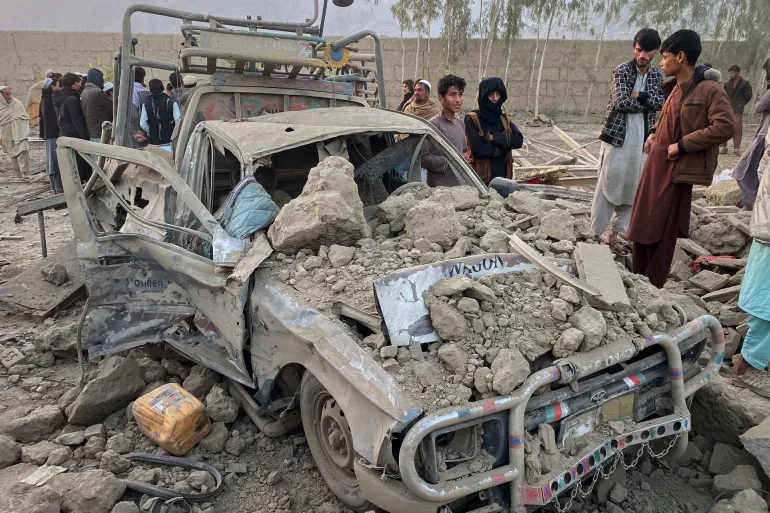
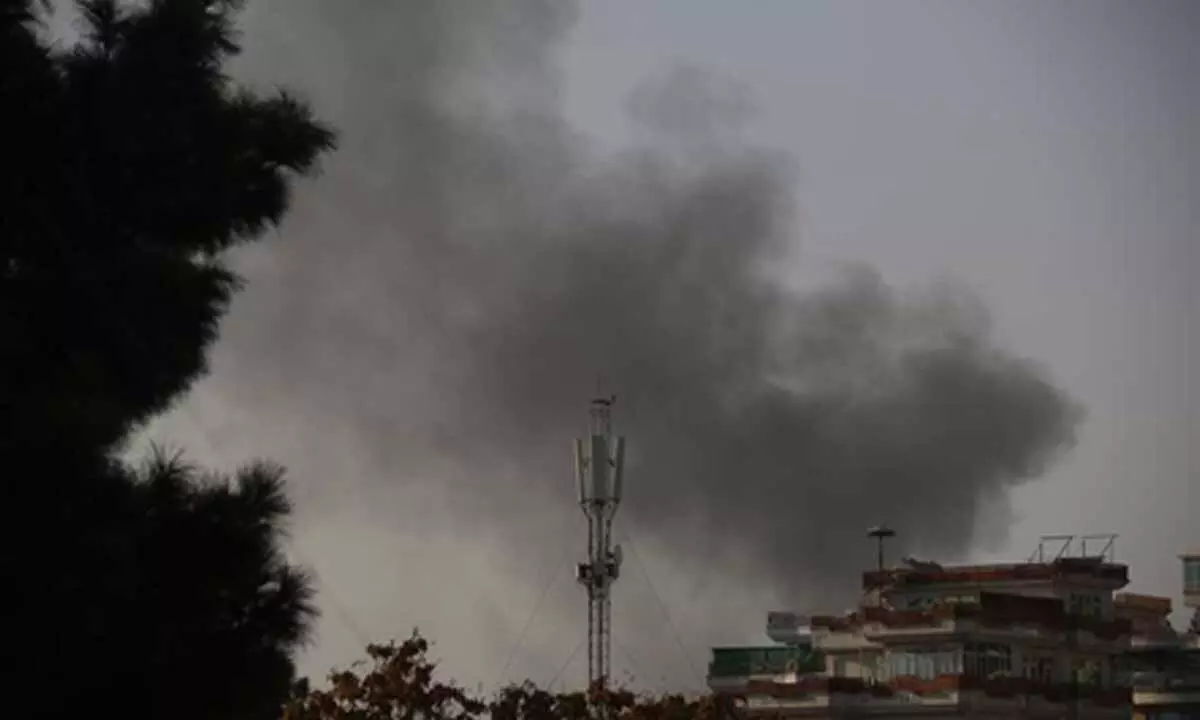
The February 23, 2025 Pakistani military airstrikes on Afghanistan represent a critical inflection point for cross-border e-commerce sellers operating in South Asia. Pakistan's escalating security crisis—marked by 699 attacks and 1,034 fatalities in 2024 (a 21% increase)—directly impacts the Pakistan-Afghanistan-India trade corridor, which processes approximately $2.1 billion in annual cross-border commerce. The breakdown of the Qatar-Turkey brokered ceasefire signals deteriorating logistics infrastructure, customs clearance delays, and heightened tariff volatility for sellers shipping electronics, textiles, and consumer goods through this region.
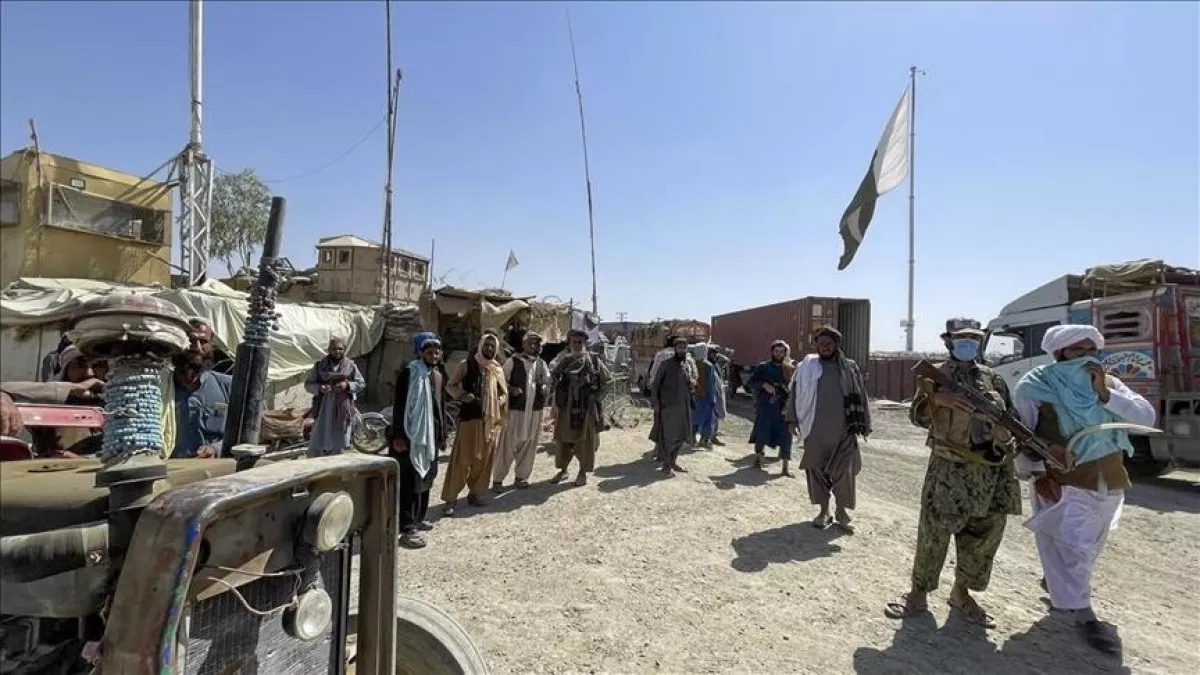
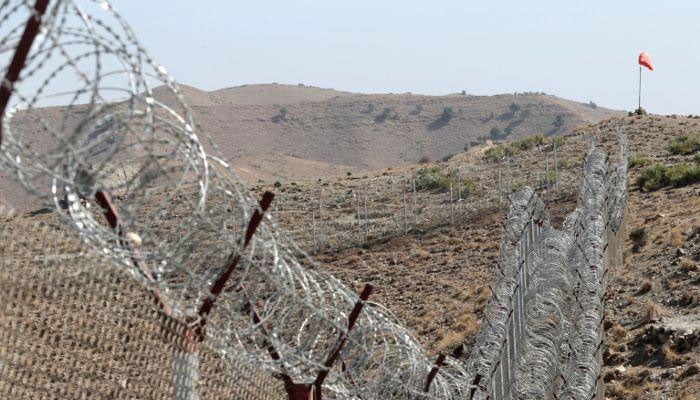
Immediate Logistics Impact: The 2,600-km Pakistan-Afghanistan border now faces military checkpoints and potential shipping route closures. Sellers using Pakistan as a transshipment hub for India-bound inventory face 5-15 day delays in customs clearance, directly impacting inventory turnover and cash flow. Amazon FBA sellers with inventory in Pakistan warehouses should expect 8-12% increased fulfillment costs due to security surcharges and alternative routing. The ceasefire collapse eliminates the predictability that existed during October-November 2024 talks, creating operational uncertainty for 3PL providers managing cross-border logistics.
Tariff and Compliance Volatility: Pakistan's Ministry of Foreign Affairs has signaled potential trade restrictions with Afghanistan, while India's strategic silence on Pakistan's security crisis suggests possible retaliatory tariff measures. Sellers should anticipate 3-8% tariff increases on goods transiting through Pakistan to India, particularly in electronics (HS codes 8471-8517) and textiles (HS codes 5208-6307). The recommended "bilateral trade resumption" indicates potential future tariff reductions, but the current window (February-June 2025) presents elevated compliance costs. Sellers must update customs documentation and consider alternative sourcing from Vietnam or Bangladesh to avoid Pakistan-routed shipments.
Market Access Contraction: The 21% surge in terrorism-related deaths signals reduced consumer spending in Pakistan's e-commerce sector. Pakistani online retail, valued at $1.8B in 2024, typically experiences 15-25% demand contraction during security crises. Sellers with heavy exposure to Pakistani marketplaces (Daraz, local platforms) should diversify inventory allocation toward India and Bangladesh markets, which remain relatively stable. The India-Taliban engagement mentioned in the news suggests potential new market opportunities in Afghanistan post-stabilization, but current conditions make this a 12-18 month play rather than immediate opportunity.
问题 8
How does India's strategic silence on Pakistan's security crisis affect tariff negotiations for sellers?
India's Ministry of External Affairs condemned Pakistan's military action while remaining silent on Pakistan's domestic attacks—signaling potential retaliatory tariff measures. Sellers should anticipate India may impose 5-10% additional tariffs on Pakistan-origin goods as geopolitical leverage. This creates arbitrage opportunity: source from Vietnam/Bangladesh instead of Pakistan, then export to India at lower tariff rates. Monitor India's trade ministry announcements for formal tariff changes; expect decisions by April 2025. Sellers with Pakistan suppliers should begin diversification immediately to avoid tariff surprises.
What product categories face the highest tariff and logistics risk in this Pakistan-Afghanistan crisis?
Electronics (HS 8471-8517: computers, semiconductors) and textiles (HS 5208-6307: fabrics, apparel) face maximum risk due to Pakistan's role as a transshipment hub. These categories represent 45% of Pakistan-India cross-border trade. Consumer goods and home appliances also face 5-8% tariff increases. Conversely, low-tariff categories like books and medical supplies face minimal tariff impact but still experience logistics delays. Sellers in electronics should immediately model tariff scenarios; textile sellers should negotiate longer lead times with suppliers. Recommend shifting 40-50% of electronics inventory to alternative sourcing within 30 days.