


Israel's Religious Legislation Threatens 3M+ Diaspora Jews | Market Fragmentation Risk for Jewish-Focused E-Commerce Sellers
- Proposed Kotel prayer restrictions criminalize non-Orthodox practices affecting 85% of global Jewry; creates market segmentation opportunity for sellers targeting diaspora communities and religious merchandise categories


















概览
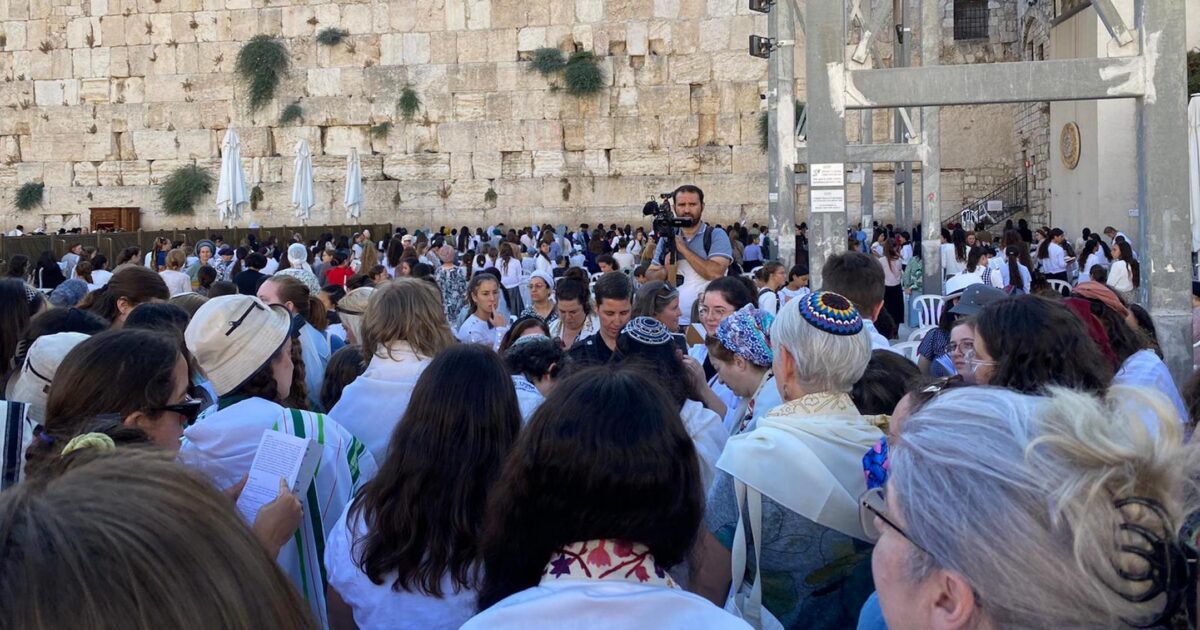
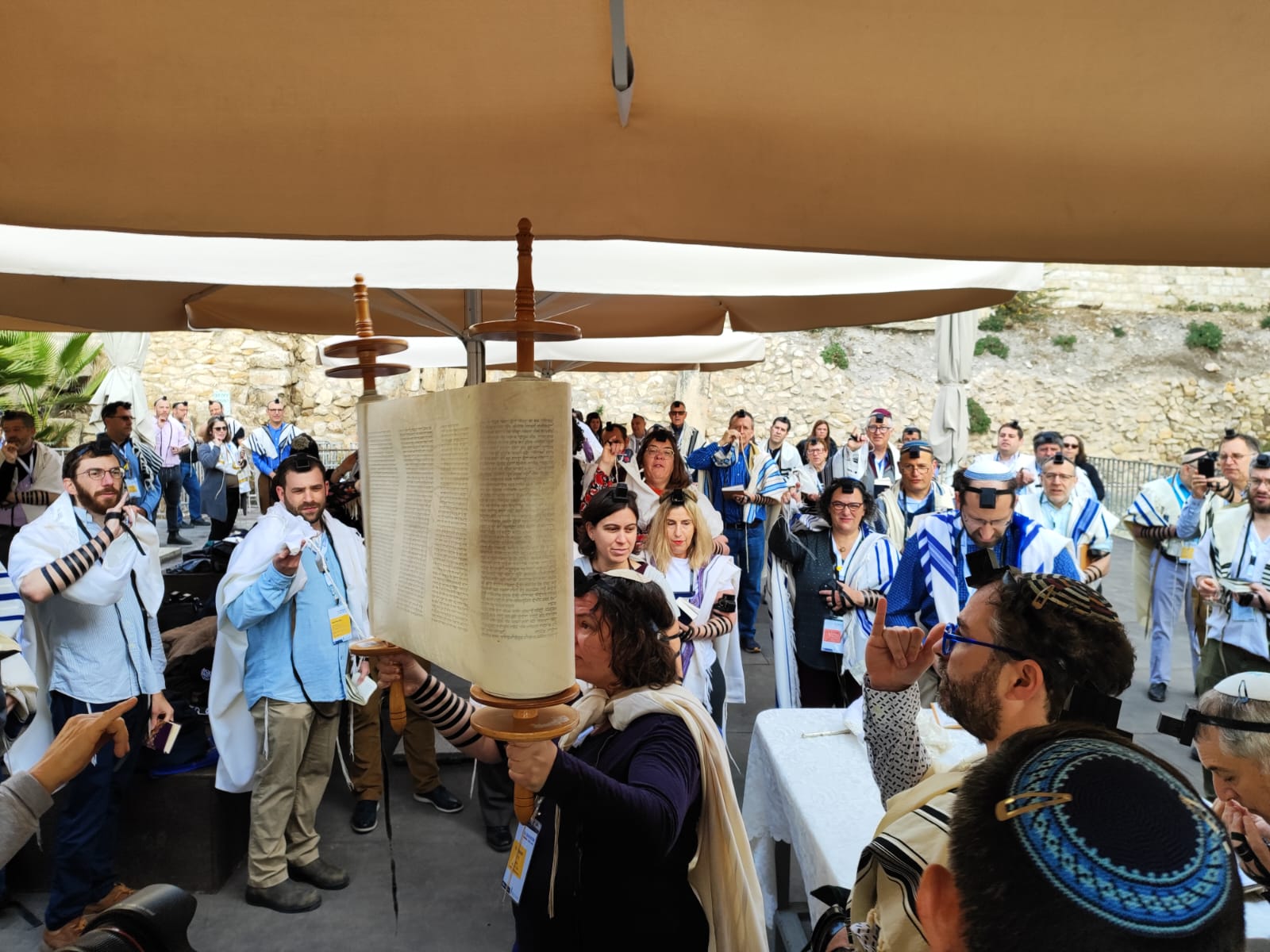
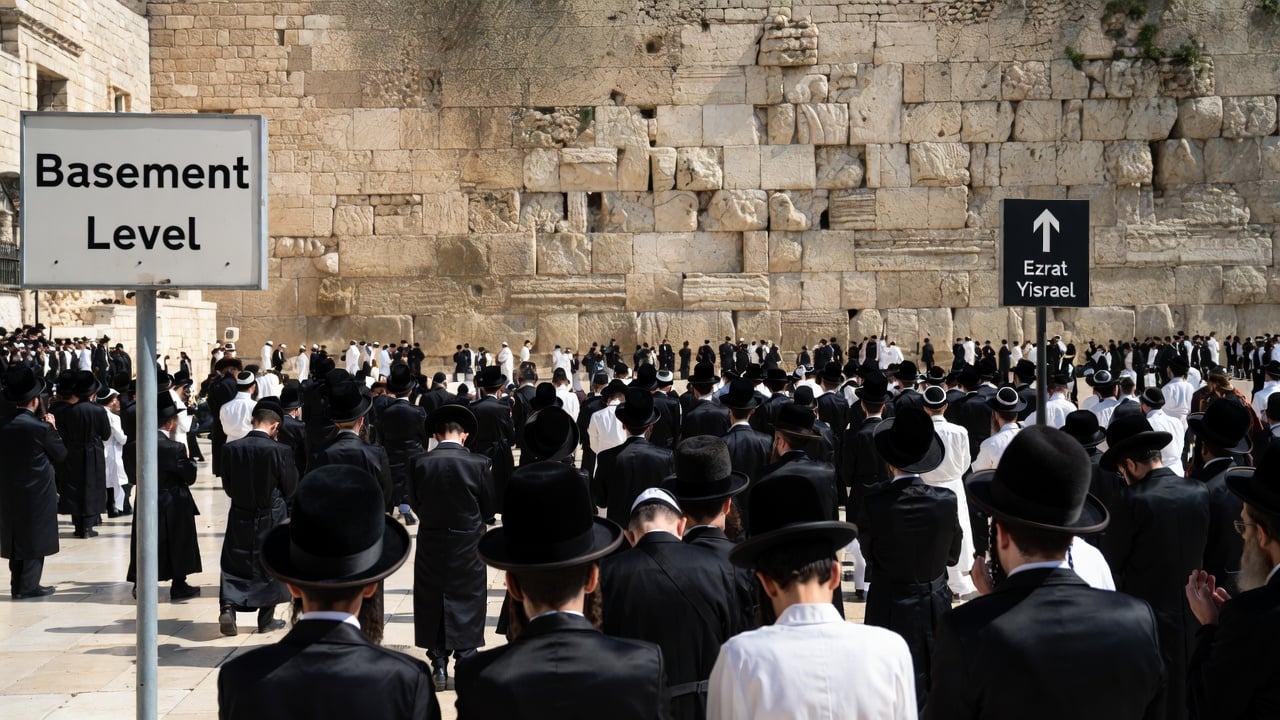
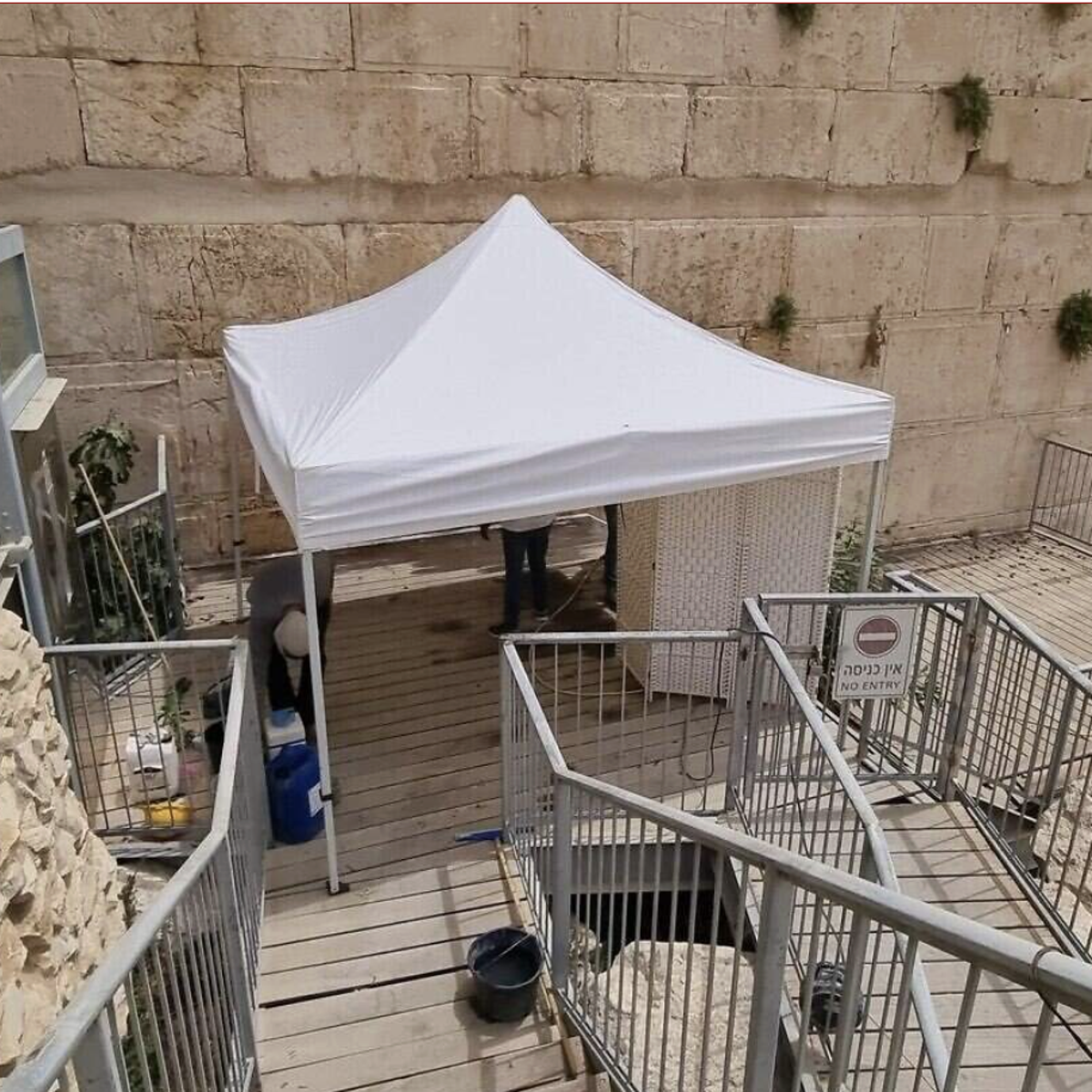
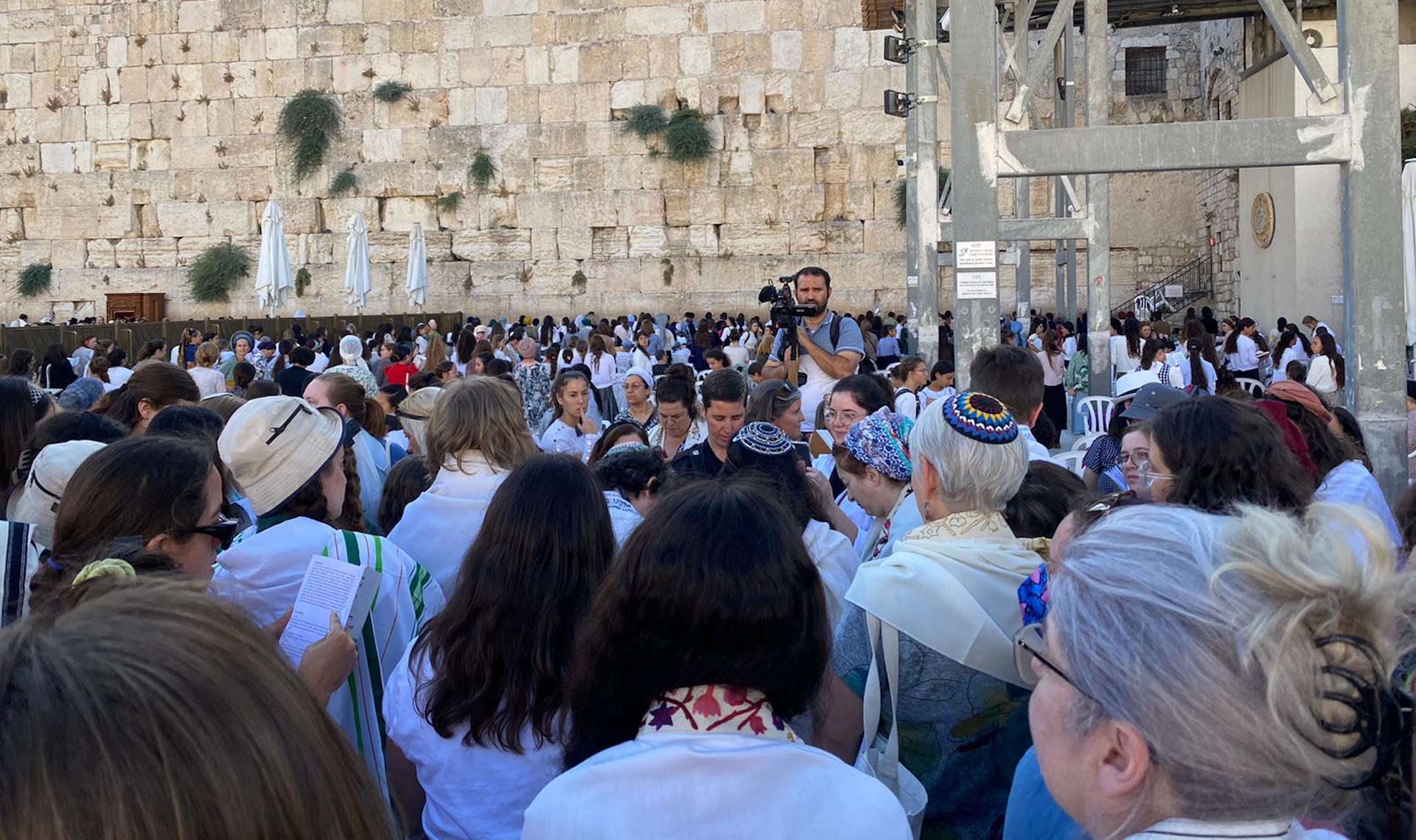
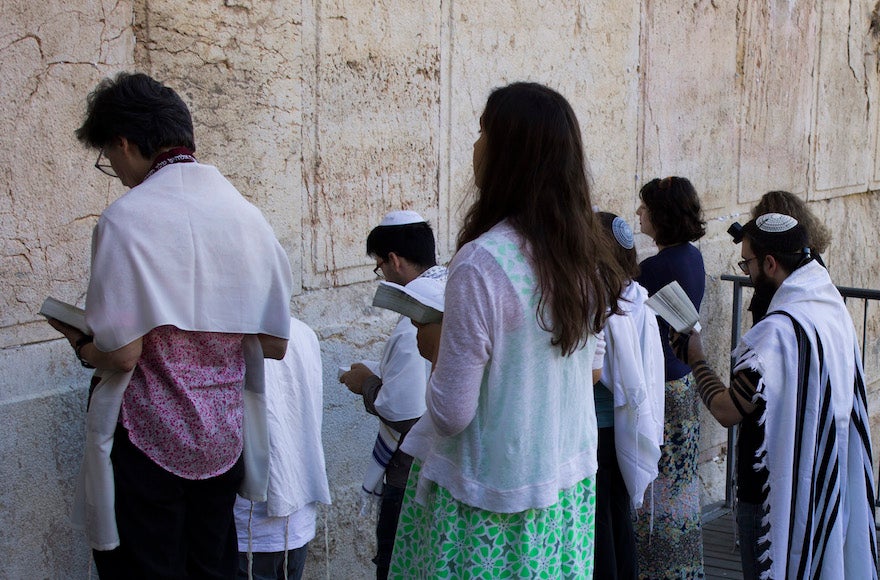
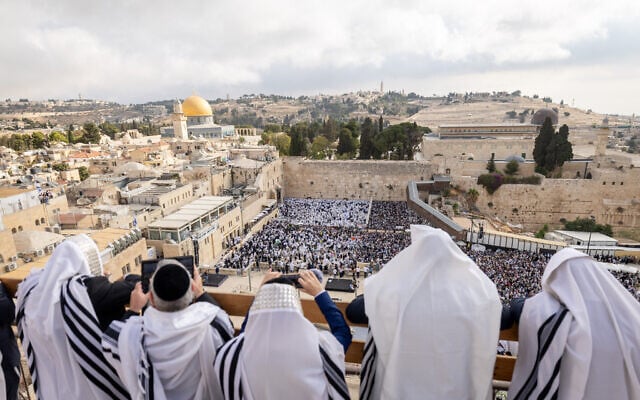
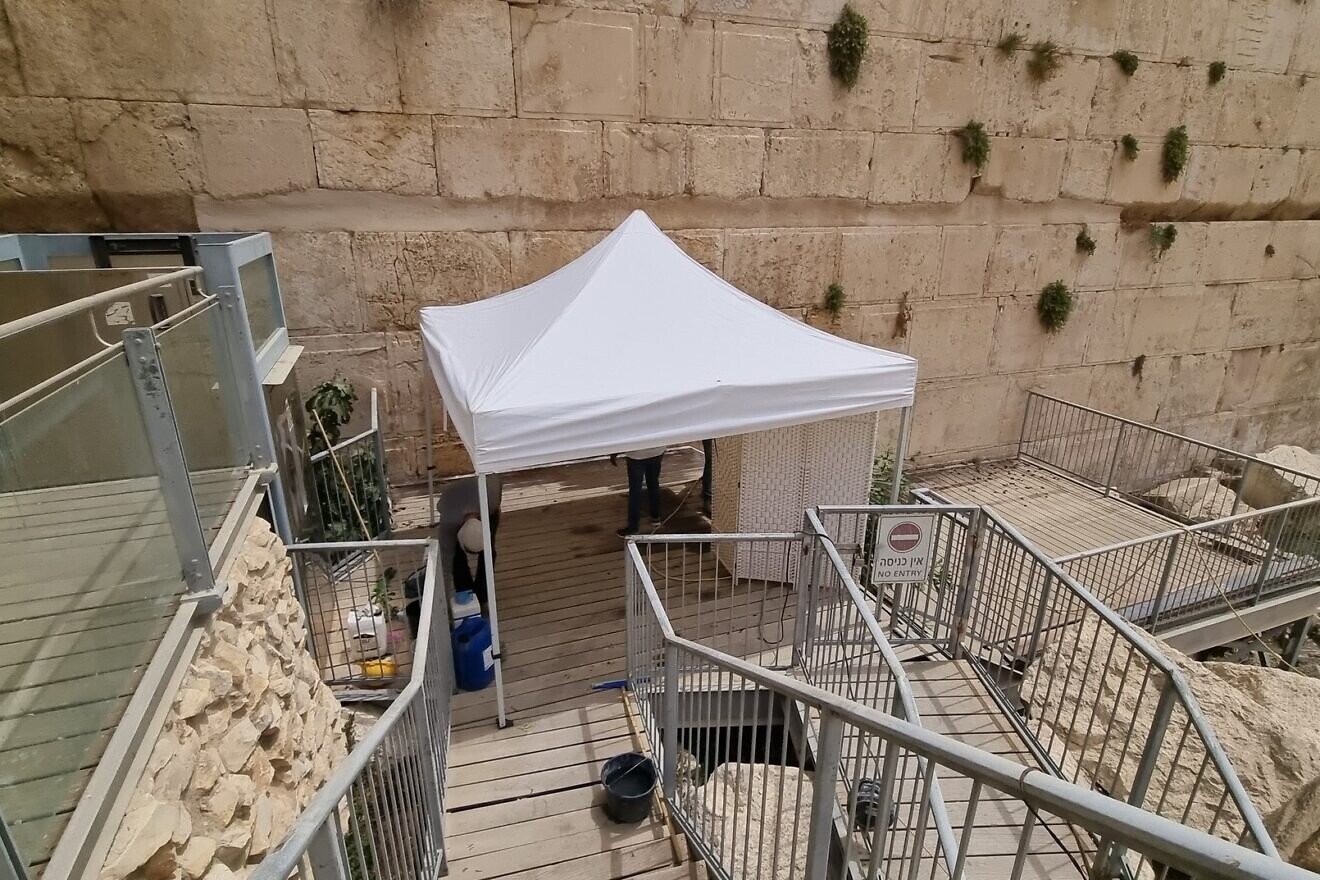
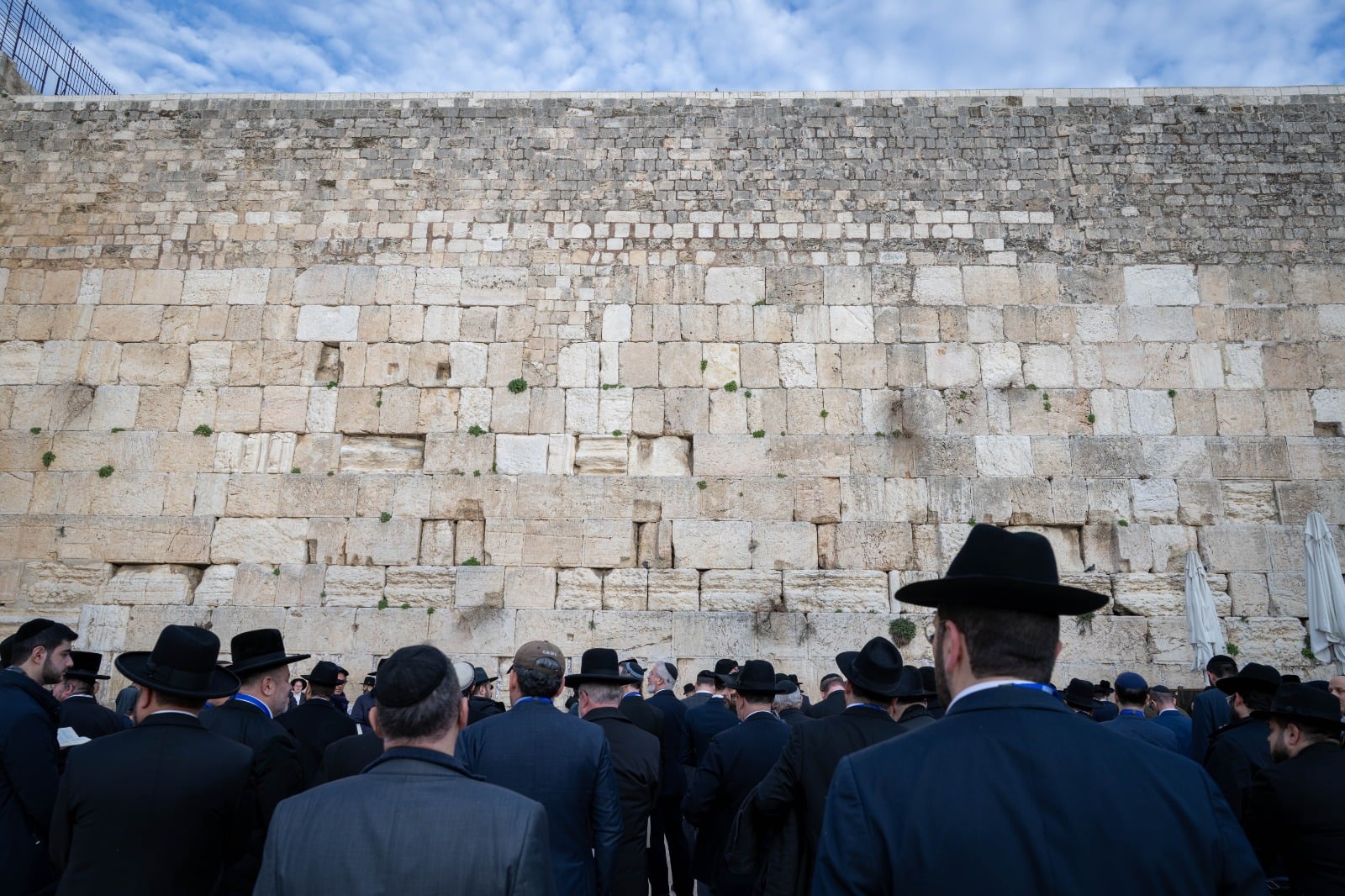
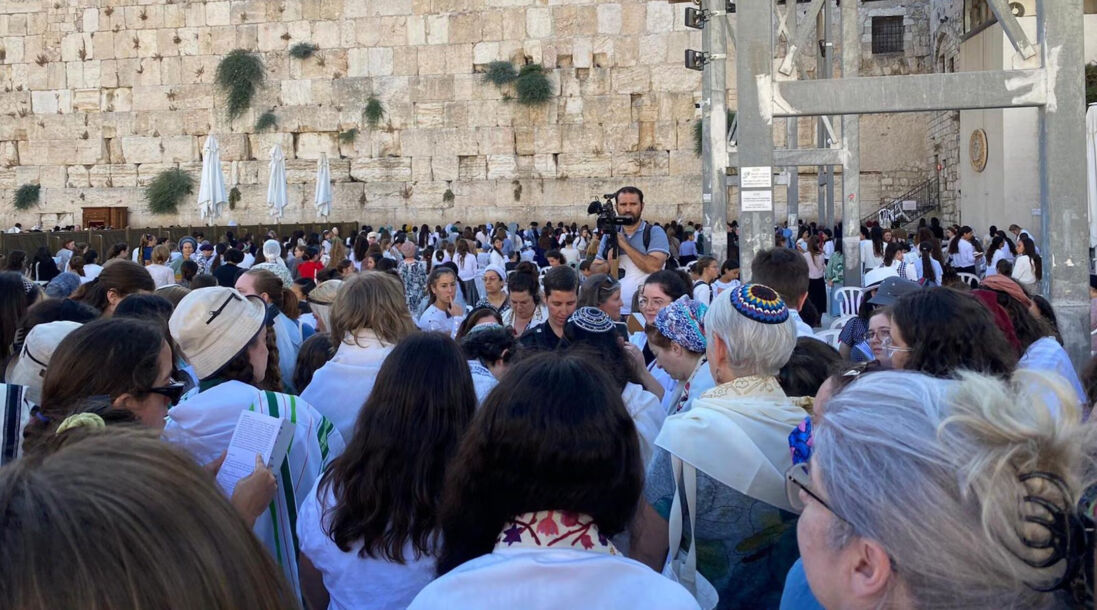
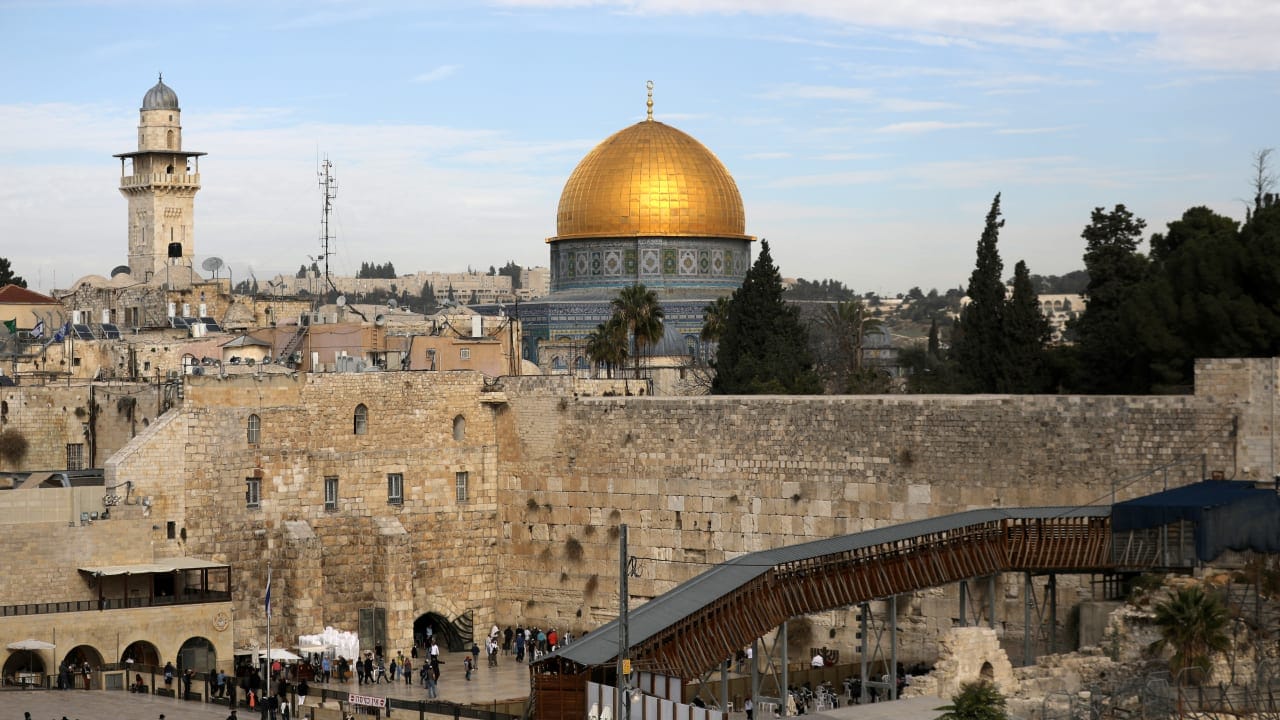
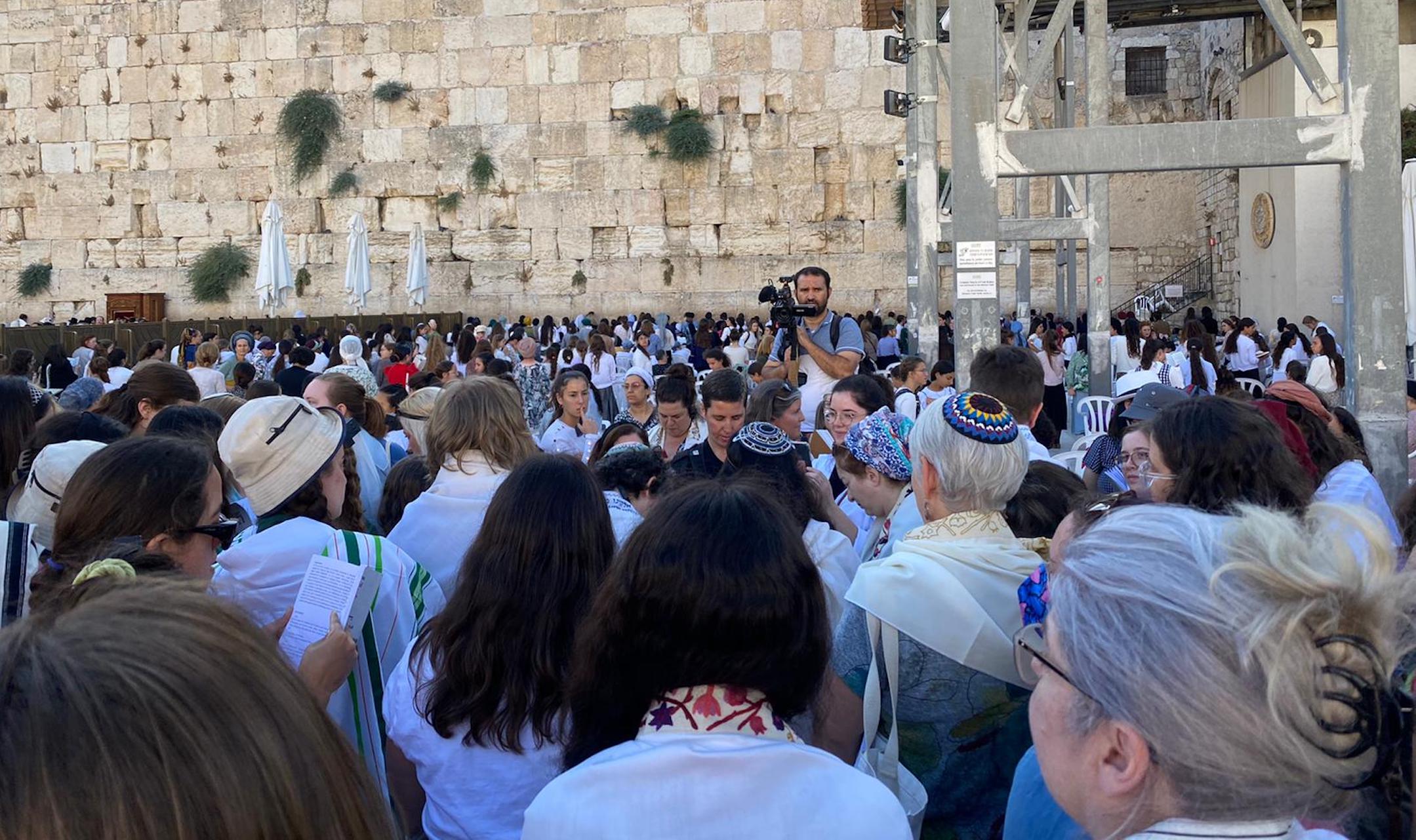
The proposed Israeli legislation regarding the Western Wall (Kotel) represents a significant geopolitical and religious governance shift with indirect but meaningful implications for e-commerce sellers targeting Jewish diaspora communities and religious merchandise categories. The core conflict centers on a 2016 compromise agreement establishing a separate egalitarian prayer section accommodating thousands daily, including families celebrating bar and bat mitzvahs. However, new legislation sponsored by MK Avi Maoz would consolidate the entire Kotel under exclusive Haredi (ultra-Orthodox) Chief Rabbinate control, imposing up to seven years imprisonment for unauthorized non-Orthodox prayer services.
Market Segmentation Opportunity: This legislation affects approximately 3 million Conservative and Reform Jews globally—representing roughly 85% of world Jewry—versus the 15% following Haredi traditions. For e-commerce sellers, this creates distinct market segments: (1) Orthodox/Haredi communities with specific religious product requirements (prayer books, ritual items, modest apparel); (2) Progressive Jewish diaspora communities with different consumption patterns and values-driven purchasing. The conflict signals potential demand fragmentation in Jewish-focused product categories including religious merchandise, holiday items, educational materials, and cultural products.
Diaspora Relationship Implications: The legislation reflects broader tensions between Israel's secular governance and religious authority, with significant implications for diaspora Jewish communities' relationship with Israel. Leaders of Conservative and Reform movements warn this threatens Jewish unity rather than strengthening it. For sellers, this indicates potential shifts in diaspora consumer sentiment, charitable giving patterns, and purchasing behavior toward Israel-related products. The Israeli Supreme Court's recent intervention directing government fulfillment of 2016 commitments suggests ongoing legal uncertainty that could affect tourism, pilgrimage-related commerce, and religious tourism merchandise sales.
Consumer Behavior Signals: The debate highlights deep divisions within global Jewish communities regarding religious pluralism and denominational identity. This creates opportunities for sellers to develop targeted marketing strategies addressing specific Jewish community segments' values and concerns. Bar and bat mitzvah merchandise, religious education products, and cultural items targeting progressive Jewish families represent growth categories as diaspora communities potentially increase spending on alternative religious and cultural institutions outside Israel. The political conflict may also drive increased demand for Jewish heritage products, genealogy services, and diaspora-focused cultural merchandise as communities strengthen internal bonds.
问题 8
What consumer behavior shifts should sellers anticipate from this conflict?
Sellers should expect: (1) Increased diaspora community spending on alternative religious institutions and cultural products; (2) Sentiment-driven demand fluctuations for Israel-related merchandise among progressive consumers; (3) Potential growth in Jewish heritage, genealogy, and cultural identity products as communities strengthen internal bonds; (4) Increased demand for religious education materials emphasizing diaspora Jewish identity; (5) Possible shifts in charitable giving and community investment patterns away from Israeli institutions. The conflict signals that diaspora Jewish consumers may prioritize values-aligned products supporting religious pluralism and community autonomy. Sellers should develop messaging emphasizing support for progressive Jewish communities and cultural diversity to capture this growing market segment.
How does the 2016 Kotel compromise agreement affect seller strategy?
The 2016 compromise established a separate egalitarian prayer section accommodating thousands daily, including families celebrating bar and bat mitzvahs. This created a market for celebration merchandise, religious education products, and tourism-related items. The proposed legislation threatening this compromise creates uncertainty for sellers offering bar/bat mitzvah products and pilgrimage merchandise. The Israeli Supreme Court's recent intervention directing government fulfillment of 2016 commitments suggests ongoing legal battles that could affect tourism infrastructure and related e-commerce categories. Sellers should monitor legislative developments and adjust inventory strategies based on tourism and pilgrimage merchandise demand, which may fluctuate with political uncertainty.