




Russia's Telegram Crackdown Disrupts 100M+ Users | Critical Seller Communication Shift
- Potential platform ban forces Russian e-commerce sellers to abandon primary customer communication channel; MAX alternative lacks encryption and seller-friendly features




















概览
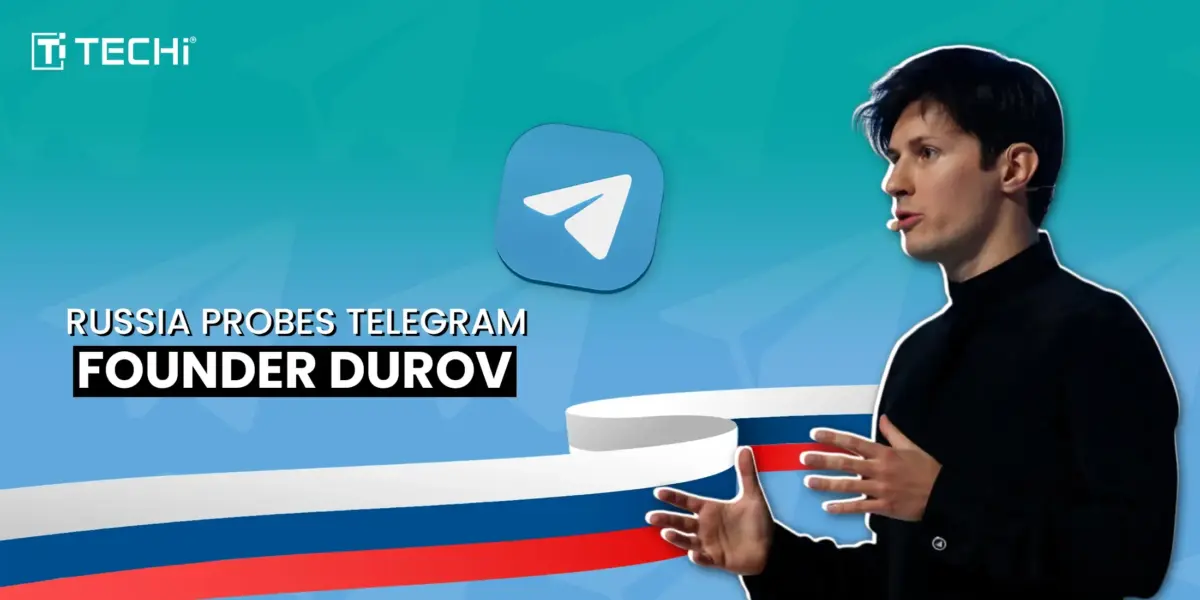
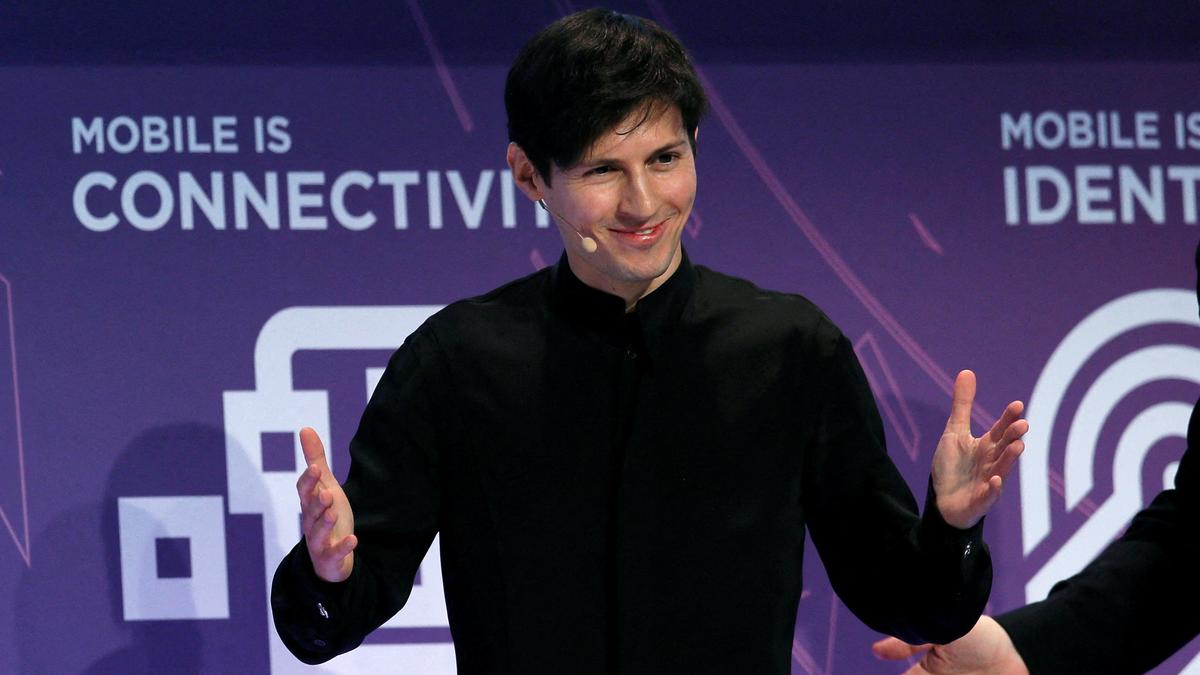
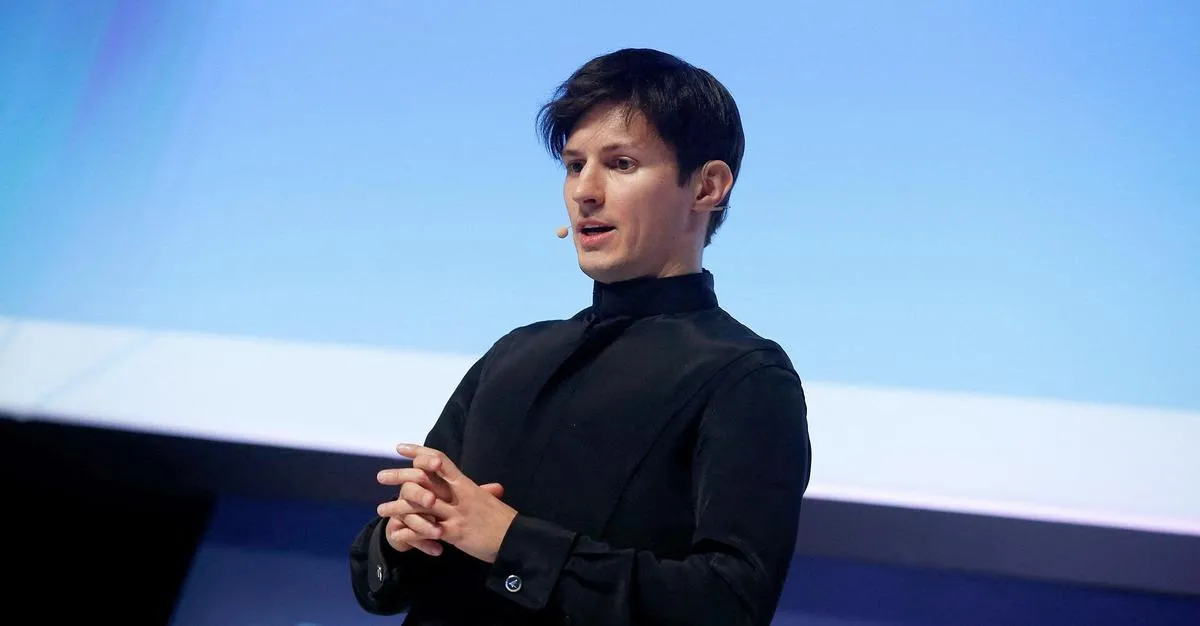
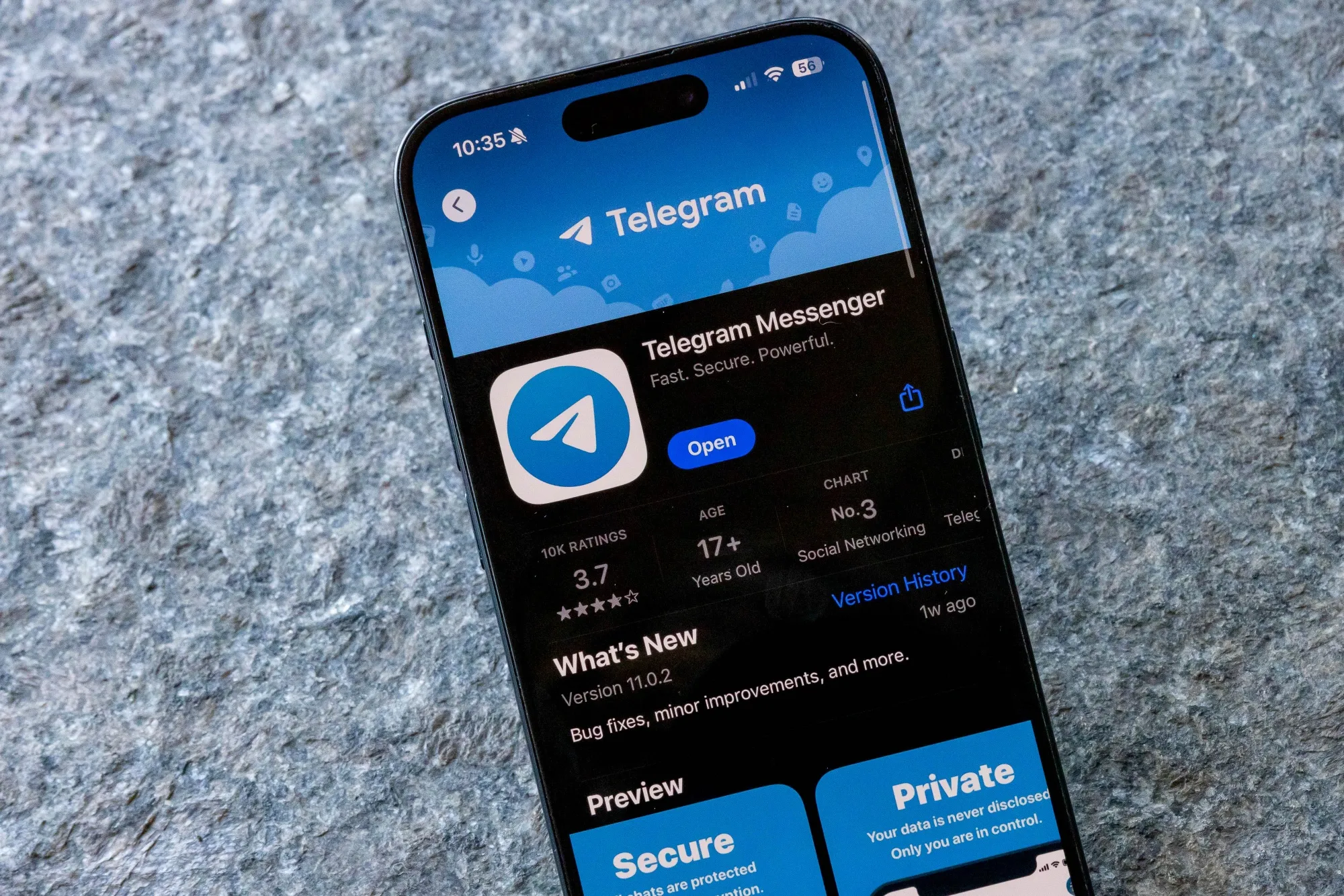
Russia's Federal Security Service has launched a formal criminal investigation into Telegram founder Pavel Durov as of February 24, 2026, signaling imminent regulatory action against the messaging platform serving 100+ million Russian users monthly. The Kremlin is systematically restricting Telegram access—throttling voice/video calls and briefly blocking the service in early February—while aggressively promoting MAX, a state-controlled alternative designed for surveillance. This represents a critical operational disruption for cross-border e-commerce sellers who have embedded Telegram into customer service, order coordination, and supply chain management workflows.
The Operational Impact for E-Commerce Sellers: Telegram has become the de facto business communication infrastructure for Russian merchants and international sellers serving Russian customers. Unlike WhatsApp or Facebook (already banned in Russia), Telegram's encryption and group chat capabilities made it essential for managing customer inquiries, coordinating logistics with 3PL providers, and maintaining supplier relationships. A complete ban would force sellers to migrate to MAX or domestic alternatives (Viber, VK Messenger) that lack equivalent functionality. The transition window is narrowing—Russia historically follows through on such investigations with regulatory restrictions within 3-6 months, as evidenced by previous bans on Facebook, Instagram, and YouTube.
Market Access and Competitive Dynamics: The investigation creates a two-tier competitive advantage. Russian domestic sellers with established relationships on MAX and VK Messenger gain first-mover advantage in the post-Telegram environment. International sellers (US, EU, China-based) serving Russian customers face 15-25% operational friction from communication delays and platform learning curves. Sellers with diversified communication strategies (email, WhatsApp Business, native marketplace messaging) will experience minimal disruption, while Telegram-dependent sellers face potential 10-20% order fulfillment delays during transition. The state's push toward MAX also signals Russia's broader "sovereign internet" strategy—expect future restrictions on other foreign platforms, making domestic platform integration increasingly mandatory for market access.
Timing and Strategic Implications: The investigation's formal status indicates serious governmental intent. Historically, Russia's regulatory probes of foreign tech companies (VK sale in 2014, Telegram throttling in 2018) precede enforcement within 60-120 days. Sellers should assume a 90-day operational window before potential service degradation or ban. The Kremlin's willingness to tolerate Telegram despite military complaints suggests negotiation leverage remains—compliance with Russian law (encryption key access, opposition channel removal) could preserve limited service. However, this compliance path is commercially unviable for sellers serving opposition-aligned customers or requiring privacy-protected communications. The competitive advantage shifts toward sellers who can rapidly establish MAX presence and develop alternative communication workflows before competitors saturate the platform.
问题 8
What market opportunities emerge from Russia's shift to MAX platform?
Early adopters on MAX gain first-mover advantage in establishing customer relationships and logistics partnerships on the state-controlled platform. The news indicates Kremlin is 'simultaneously promoting MAX, a state-controlled alternative app designed for surveillance and political control,' signaling official support and likely mandatory adoption for market access. Sellers who rapidly establish MAX presence can capture market share from competitors still dependent on Telegram. MAX integration also signals alignment with Russian regulatory preferences, potentially improving relationships with domestic authorities and logistics partners. However, MAX lacks Telegram's encryption and group chat features, creating operational friction. Sellers should view MAX adoption as mandatory compliance cost rather than competitive advantage. The broader opportunity lies in developing alternative communication infrastructure (email, marketplace messaging, VPN-protected channels) that provides operational flexibility while maintaining Russian market access. Sellers with established relationships on domestic Russian platforms (Yandex.Market, Ozon) face lower transition costs and can leverage existing infrastructure for MAX integration.
What compliance risks do sellers face from Russia's digital sovereignty strategy?
Russia's 'sovereign internet' initiative signals systematic restrictions on foreign platforms, creating ongoing compliance uncertainty for sellers. The news reports Russia has blocked WhatsApp, Facebook, YouTube, and is investigating Telegram—indicating a pattern of escalating foreign platform restrictions. Sellers relying on foreign communication infrastructure face regulatory risk of service disruption or ban. Russian officials indicated willingness to allow Telegram's continued operation only if it complies with Russian law (granting access to private chats, removing opposition channels)—commercially unviable for most sellers. Sellers should assume future restrictions on other foreign platforms and prioritize domestic Russian platform integration. This requires ongoing monitoring of Russian regulatory announcements and proactive contingency planning for each communication channel. The geopolitical context (Ukraine war, Western intelligence allegations) suggests regulatory pressure will intensify rather than ease.