
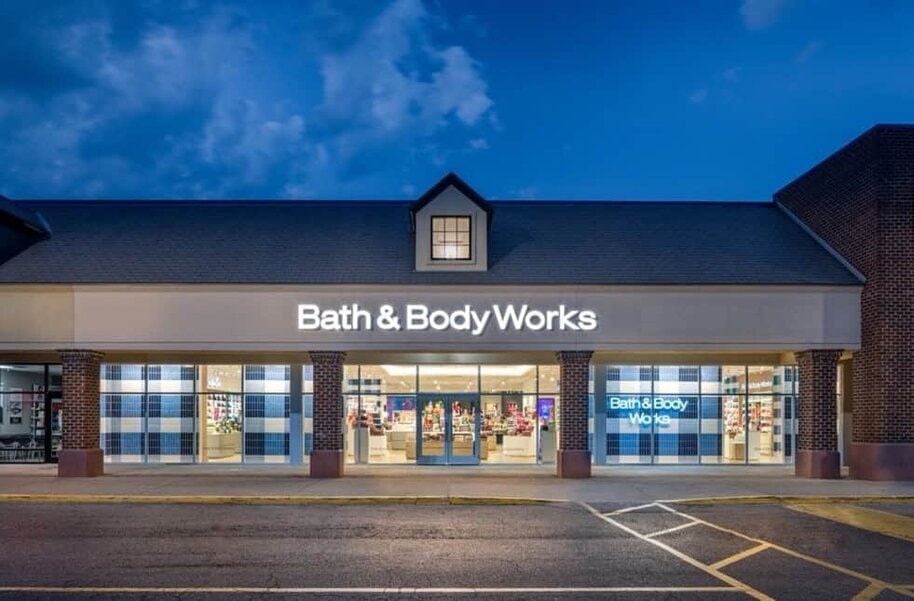
Amazon Brand Storefronts Drive 61% Customer Leakage Recovery | Seller Opportunity
- Bath & Body Works captures 60-80M gray market units; reveals massive opportunity for beauty/personal care sellers to reclaim Amazon market share through official channels
概览
Bath & Body Works' February 2026 Amazon storefront launch represents a watershed moment for vertically-integrated retailers and reveals critical seller opportunities in the beauty and personal care category. The company's decision to establish an official presence directly addresses a staggering gray market problem: 60-80 million unauthorized Bath & Body Works items were previously sold on Amazon by third-party resellers, representing massive brand dilution and lost revenue. This move signals that Amazon's fulfillment network and Prime eligibility have become non-negotiable competitive advantages, even for brands with sophisticated direct-to-consumer operations.
The underlying market dynamic is even more compelling for sellers: customer cross-shopping in beauty/personal care has surged dramatically. Industry data reveals that 48.7% of Bath & Body Works candle buyers shopped competitors in 2022, escalating to 61.4% by 2025—a 12.7 percentage point migration in just three years. This leakage flows primarily to direct-to-consumer brands and smaller competitors on Amazon and TikTok Shop, indicating that Amazon remains the dominant discovery and purchase platform for beauty products, particularly among Gen Z consumers (Bath & Body Works' target demographic following their August 2025 expansion into 600 college campus stores). The competitive pressure is undeniable: sellers cannot afford to cede Amazon presence to unauthorized resellers or competitors.
Bath & Body Works' strategic positioning—retaining inventory ownership and pricing control while leveraging Amazon's logistics—establishes a template that other major brands are evaluating. Notably, Victoria's Secret, Gap, and Everlane operate limited Amazon storefronts, while premium brands like Lululemon, Abercrombie & Fitch, and Zara deliberately avoid direct Amazon sales due to brand perception concerns and data access restrictions. This divergence creates a critical opportunity window: sellers in fragrance, body care, candles, and home fragrance categories can capture market share from brands that remain absent or underrepresented on Amazon. The category shows strong fundamentals—beauty/personal care ranks among Amazon's top 10 categories by volume—and the 61.4% cross-shopping rate indicates intense competition for customer attention. Sellers should prioritize product differentiation, authentic reviews, and Prime eligibility to compete effectively against both established brands and unauthorized resellers.
问题 8
How should sellers respond to gray market competition in beauty categories?
Gray market competition (60-80 million unauthorized units in Bath & Body Works' case) represents both a threat and an opportunity. Sellers should implement brand protection strategies: register trademarks, monitor unauthorized listings, and report counterfeit/gray market products to Amazon Seller Central. However, the Bath & Body Works case also reveals that official storefronts can reclaim market share from gray market resellers by offering Prime eligibility, authentic products, and brand-controlled pricing. Sellers should consider establishing official brand storefronts if they have sufficient inventory and brand recognition. For smaller sellers, partnering with authorized distributors or 3PL providers that offer Prime-equivalent shipping can help compete against gray market resellers. Monitor BSR trends and competitor pricing to identify gray market activity.
What is the timeline for sellers to capitalize on this market shift?
Bath & Body Works' February 2026 storefront launch signals an immediate market shift toward official brand channels. The August 2025 college campus expansion and the 61.4% cross-shopping rate indicate that customer migration is already accelerating. Sellers should act within 30-60 days to: (1) audit their Amazon presence and competitor positioning, (2) evaluate FBA enrollment or 3PL partnerships for Prime eligibility, (3) optimize product listings with authentic reviews and differentiation, and (4) develop TikTok Shop strategy to capture Gen Z customers. The window to establish market position before major brands complete their Amazon transitions is closing. Sellers in fragrance, candles, and body care should prioritize Amazon optimization and influencer partnerships immediately.