



High-Fat Cheese: A Surprising Ally in Cognitive Health Preservation
- Challenging Nutritional Paradigms Through Groundbreaking Dementia Research Insights







概览
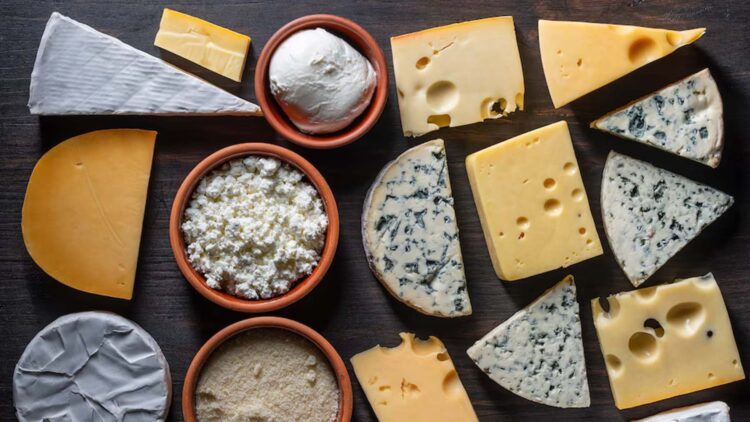
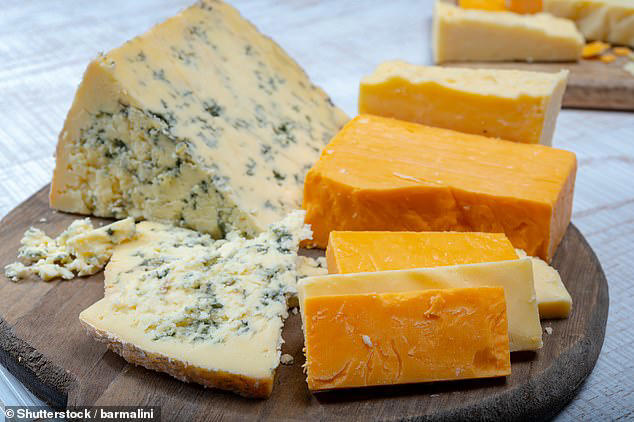
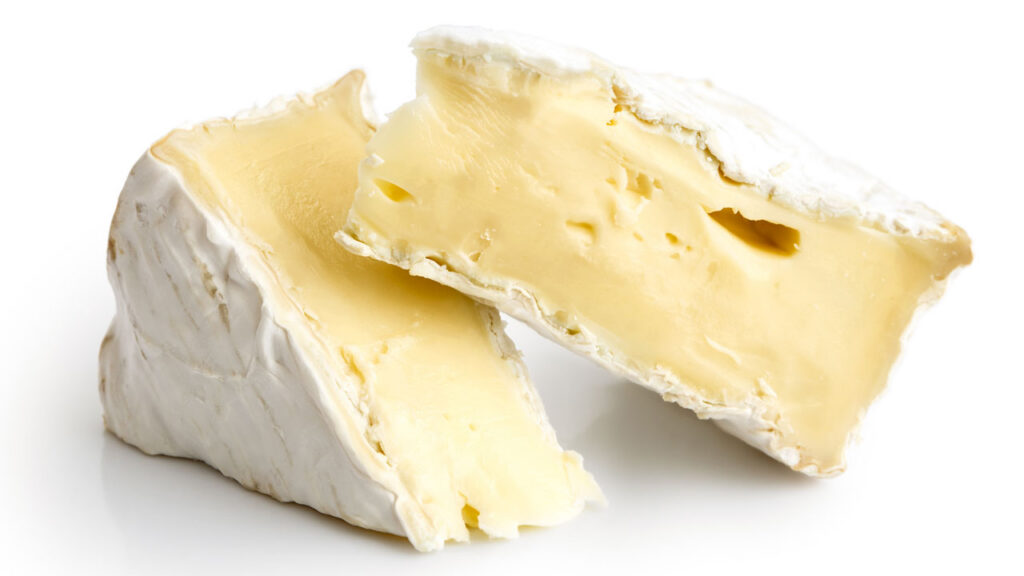
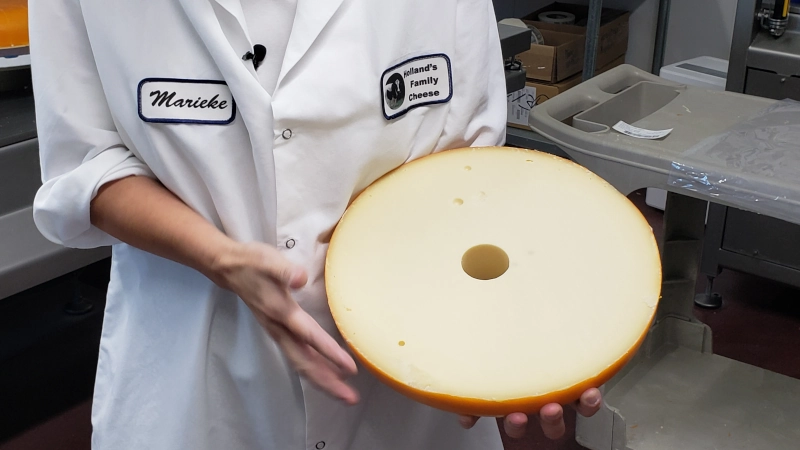
A groundbreaking Swedish nutritional study has emerged to challenge long-standing dietary assumptions, revealing a potentially transformative connection between high-fat dairy consumption and cognitive health. The research, spanning 25 years and involving nearly 28,000 participants, suggests that consuming 50 grams of high-fat cheese daily could reduce dementia risk by 13-17%, a finding that fundamentally disrupts traditional nutritional recommendations.
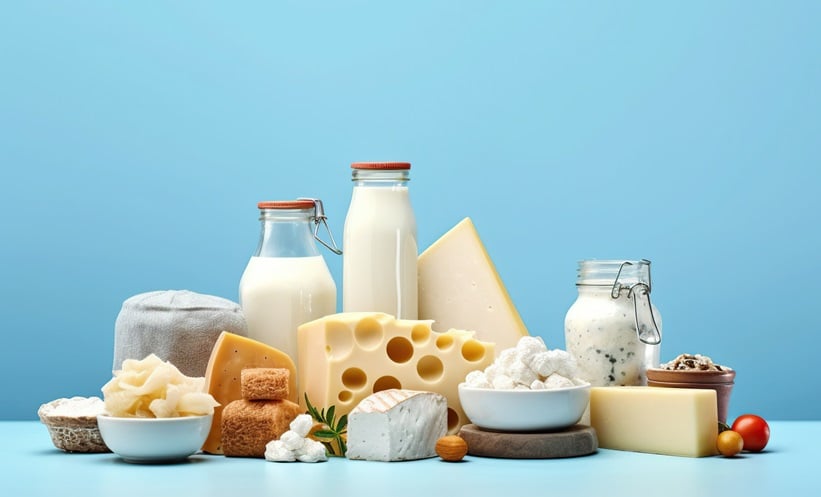
The study's most intriguing revelation is the nuanced relationship between dairy fat and neurological health. Unlike previous low-fat dietary guidelines, researchers discovered that specifically high-fat cheese and cream demonstrated protective cognitive effects. Participants consuming over 20 grams of full-fat cream daily experienced a 16-24% reduced overall dementia risk, while low-fat dairy products showed no significant protective impact.
What makes this research particularly compelling is its multifaceted approach. The study didn't just examine dietary intake but considered broader lifestyle factors. Participants consuming more full-fat dairy were typically more educated, less overweight, and had lower rates of chronic conditions like heart disease and diabetes—factors independently associated with reduced cognitive decline. This suggests that high-fat dairy consumption might be a marker of broader health-conscious behaviors rather than a standalone miracle solution.
Nutritional science takes a sophisticated turn here, emphasizing that individual food items cannot be viewed in isolation. The research highlights the complex interplay between diet, lifestyle, and genetic predispositions. Notably, the study found no risk reduction for individuals carrying the APOE e4 gene variant, a known Alzheimer's disease genetic risk factor, underscoring the importance of personalized nutritional approaches.
For health professionals, consumers, and food industry stakeholders, this research represents a pivotal moment. It challenges decades of low-fat dietary recommendations and opens new avenues for understanding cognitive health preservation. The findings suggest that nutritional strategies should move beyond simplistic macronutrient reduction towards more nuanced, holistic dietary frameworks that consider individual metabolic and genetic profiles.
问题 3
Do all dairy products offer the same cognitive health benefits?
No, the research specifically found that only high-fat cheese and cream showed potential cognitive protective effects. Low-fat dairy products and other dairy items like milk, butter, and yogurt did not demonstrate significant cognitive health benefits.
Are there genetic factors that might impact the potential benefits of high-fat dairy?
Yes, the study noted that individuals carrying the APOE e4 gene variant showed no risk reduction from high-fat dairy consumption. This underscores the importance of personalized nutritional approaches that consider individual genetic profiles.