


Vaccine Policy Disruption Signals Massive Healthcare Regulatory Transformation
- Unprecedented Policy Shifts Create Compliance Minefield for Medical Supply Chains








概览
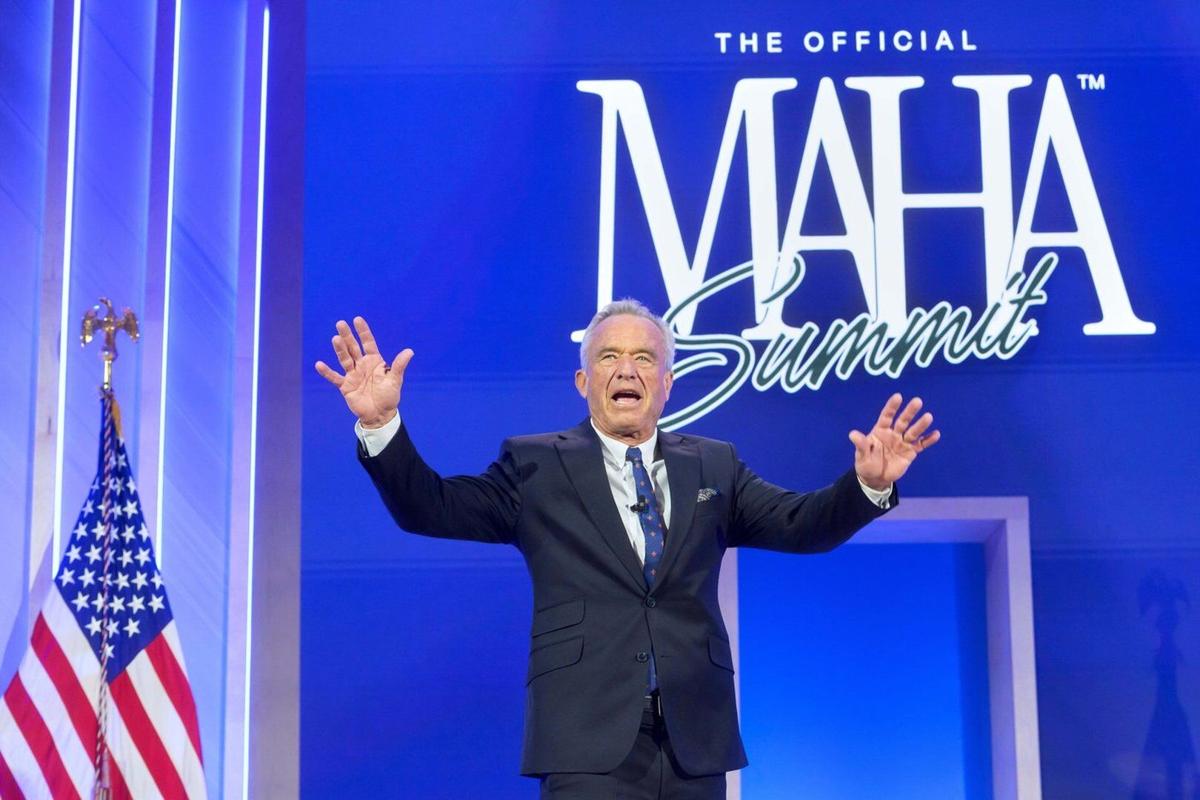
The U.S. healthcare regulatory landscape is experiencing a seismic transformation that could fundamentally reshape medical supply chains and public health infrastructure. At the epicenter of this disruption is Health Secretary Robert F. Kennedy Jr.'s radical approach to vaccine policy, which represents more than a simple administrative change—it's a systematic deconstruction of established public health protocols.
Regulatory Dismantling as Strategic Restructuring: Kennedy's actions go beyond policy modification. By canceling millions in mRNA vaccine investments and systematically replacing the entire 17-member Advisory Committee on Immunization Practices, he is effectively engineering a comprehensive regulatory reset. The proposed changes, potentially aligning with Denmark's more limited vaccine approach, signal a dramatic reduction in the national childhood vaccine recommendations.
Compliance Landscape Transformation: For medical suppliers, vaccines manufacturers, and healthcare technology providers, this represents a critical inflection point. The potential removal of official vaccine recommendations could trigger massive downstream effects, including:
- Disrupted insurance coverage mechanisms
- Fundamentally altered vaccine distribution programs
- Significant liability protection uncertainties for manufacturers
The strategic implications are profound. Historically, the CDC's vaccine schedule has been the cornerstone of public health policy, determining vaccine accessibility and creating predictable market conditions. Kennedy's interventions suggest a new era of regulatory volatility where compliance becomes increasingly complex and politically influenced.
Market Adaptation Imperative: Sellers in medical supplies and healthcare technologies must now develop unprecedented regulatory agility. The current political climate indicates that compliance is no longer just a technical checkbox but a dynamic strategic capability. Organizations must build flexible frameworks that can rapidly adapt to potentially rapid and unpredictable policy shifts.
问题 3
How will these vaccine policy changes impact medical supply chains?
The proposed changes could create significant market uncertainty, potentially disrupting vaccine distribution programs, insurance coverage mechanisms, and manufacturer liability protections. Medical suppliers will need to develop highly adaptive compliance strategies to navigate the emerging regulatory landscape.
What are the key risks for healthcare technology providers?
Healthcare technology providers face increased compliance complexity, potential market access restrictions, and the need to rapidly redesign product strategies to align with evolving regulatory frameworks. The removal of standard vaccine recommendations creates unprecedented uncertainty in product development and market positioning.