




Culinary Convergence: How Local Food Trends Are Reshaping Global Gastronomic Experiences in 2025
- Emerging food landscapes reveal unprecedented cultural fusion and hyperlocal innovation across regional dining scenes






概览
The culinary world of 2025 is experiencing a remarkable transformation, characterized by an unprecedented blend of hyperlocal innovation and global cultural fusion. Across diverse regions from Atlanta to Vermont, restaurants are pioneering a new approach that goes far beyond traditional dining experiences.
Culinary Localization emerges as a critical trend, with restaurants like El Comal in Vermont demonstrating how deeply rooted cultural narratives can be expressed through food. By sourcing ingredients directly from Indigenous farmers and crafting authentic Oaxacan dishes, these establishments are not just serving meals but telling complex cultural stories. This approach represents more than a dining trend—it's a form of cultural preservation and storytelling through cuisine.
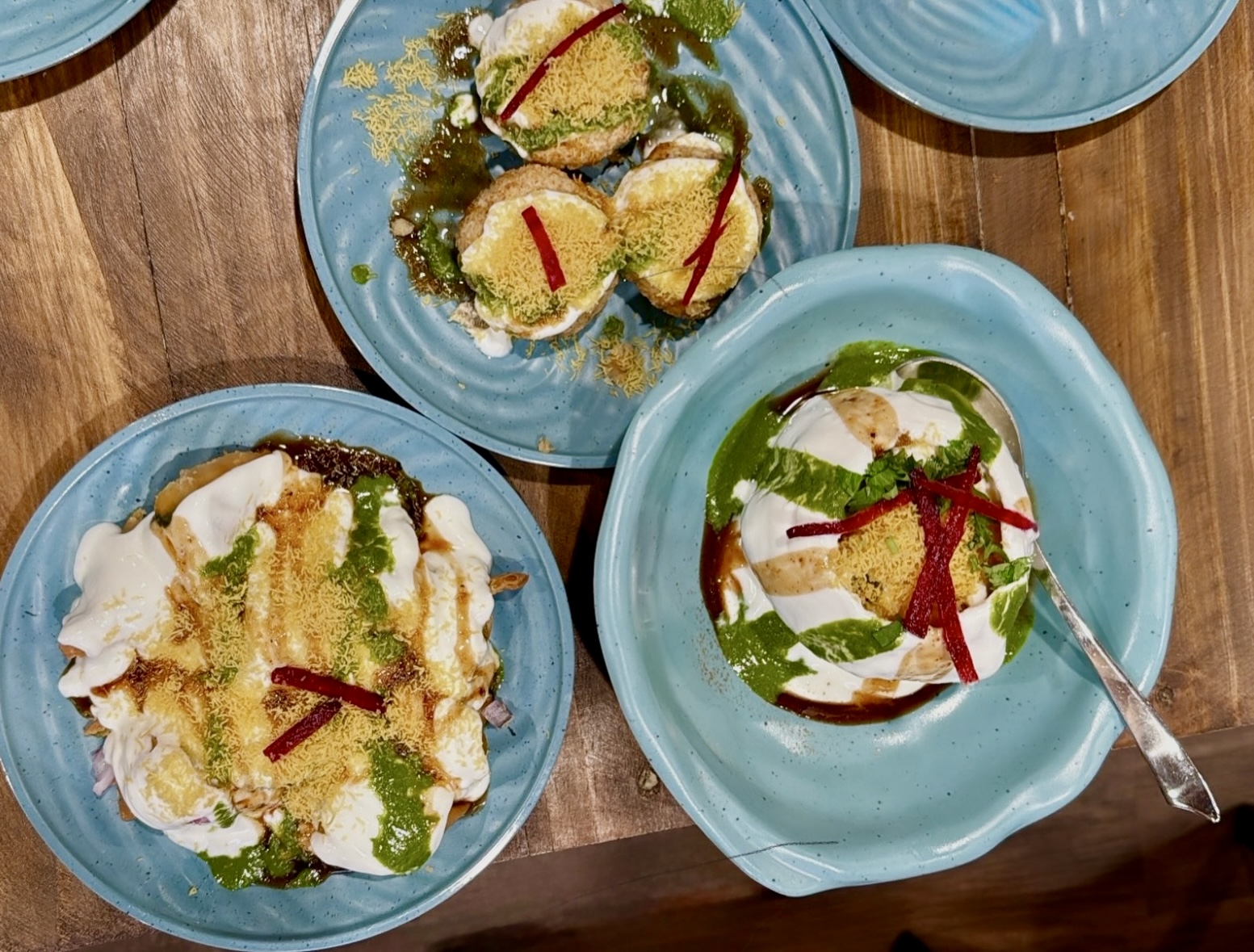
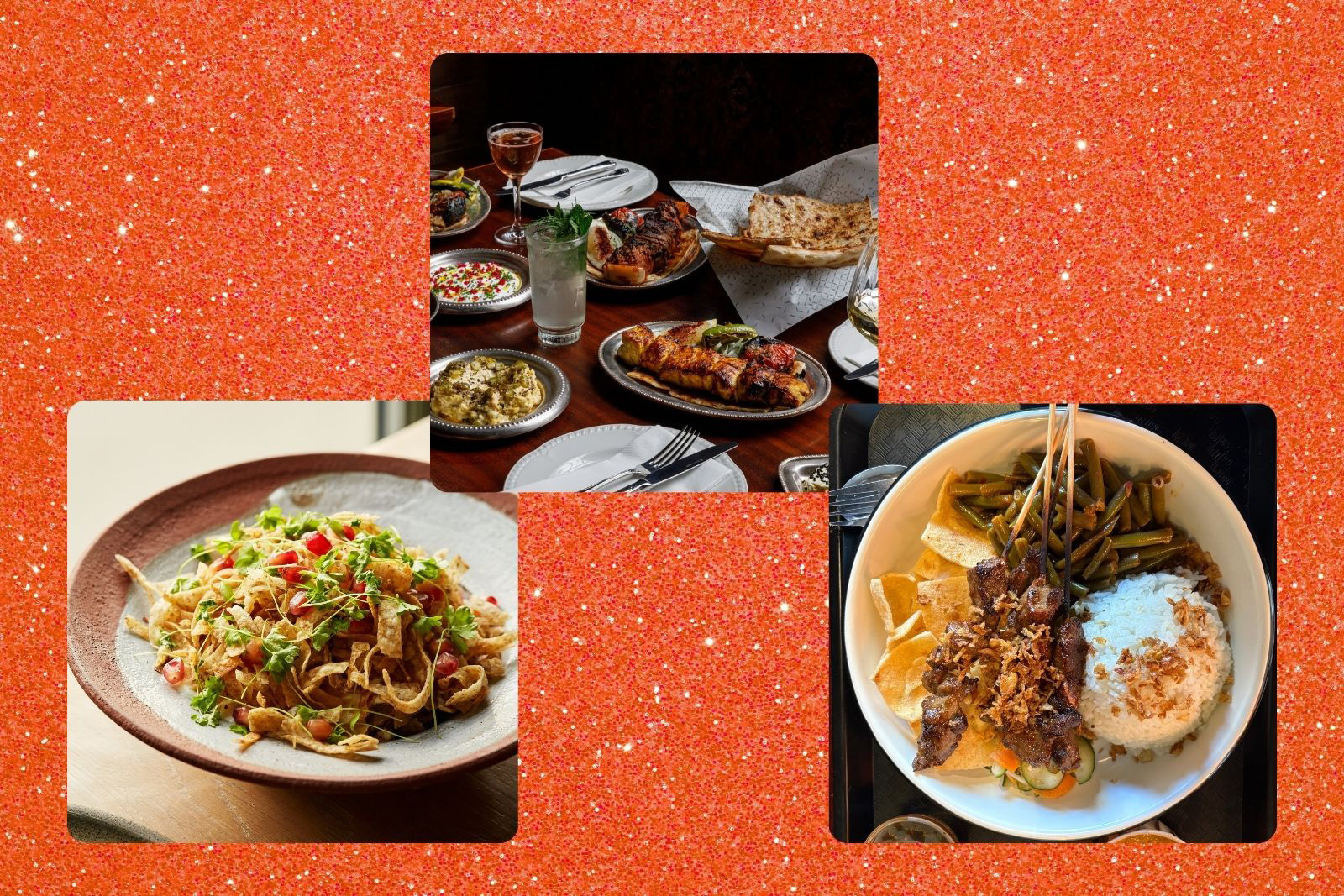
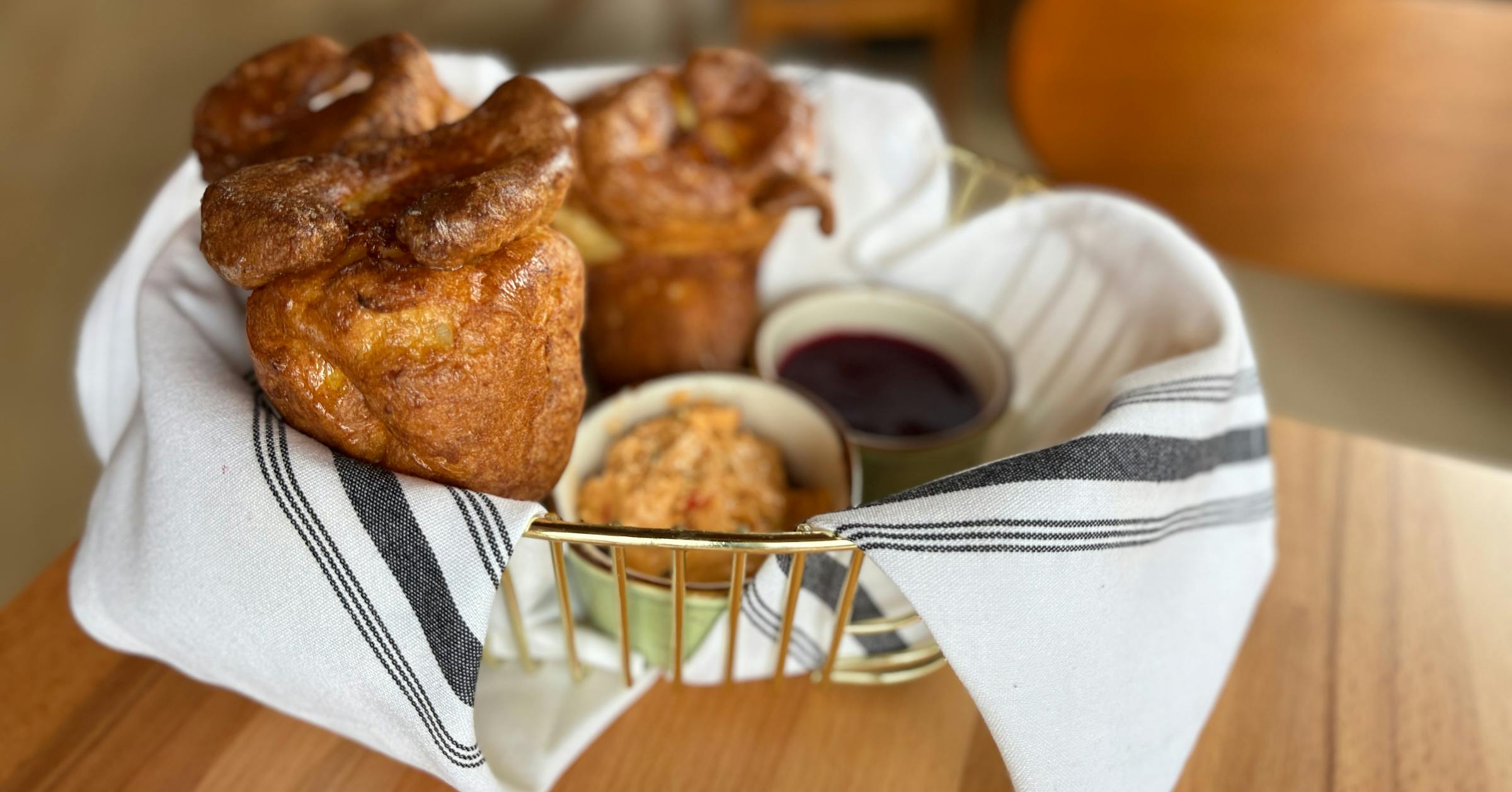
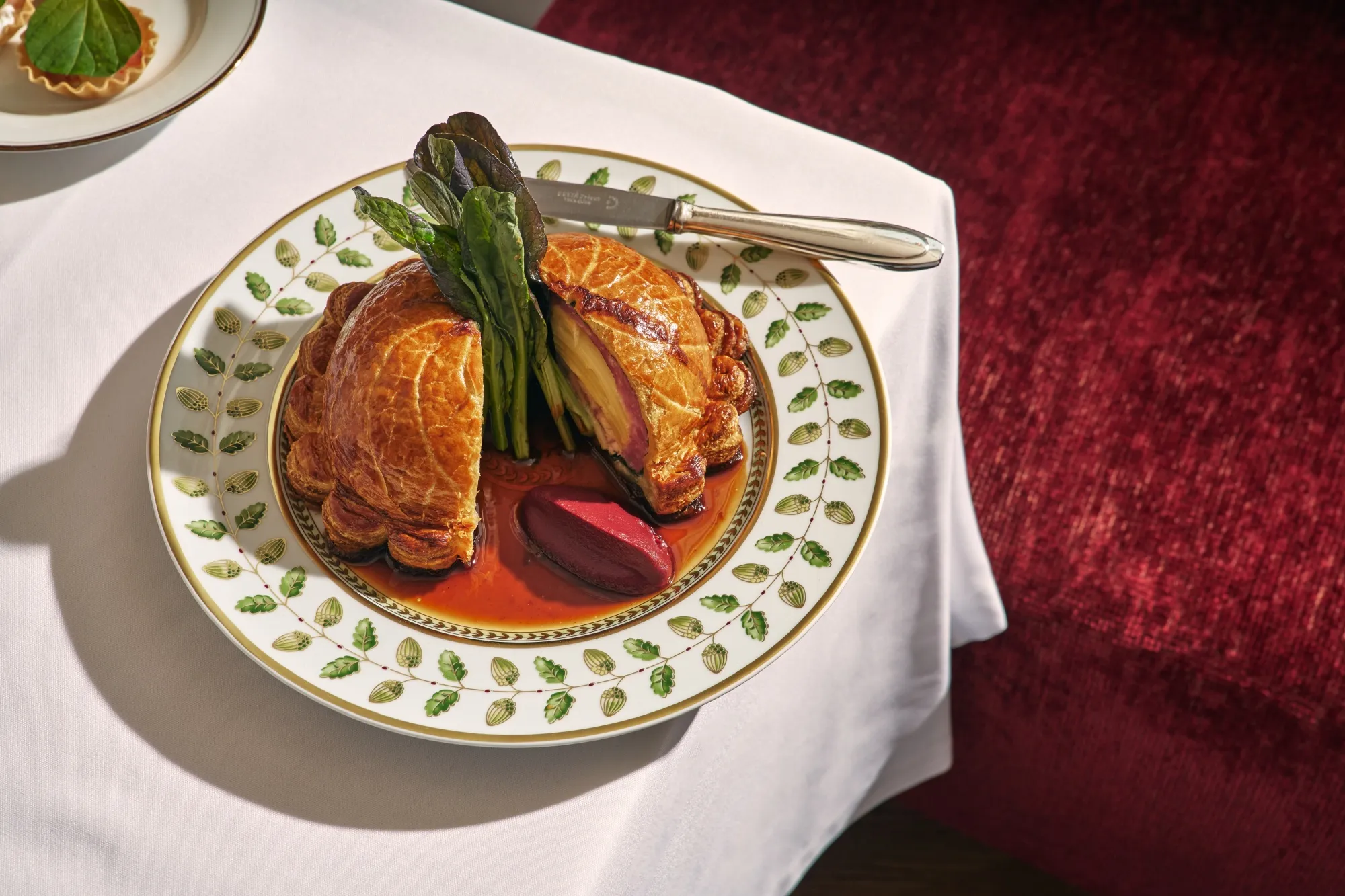
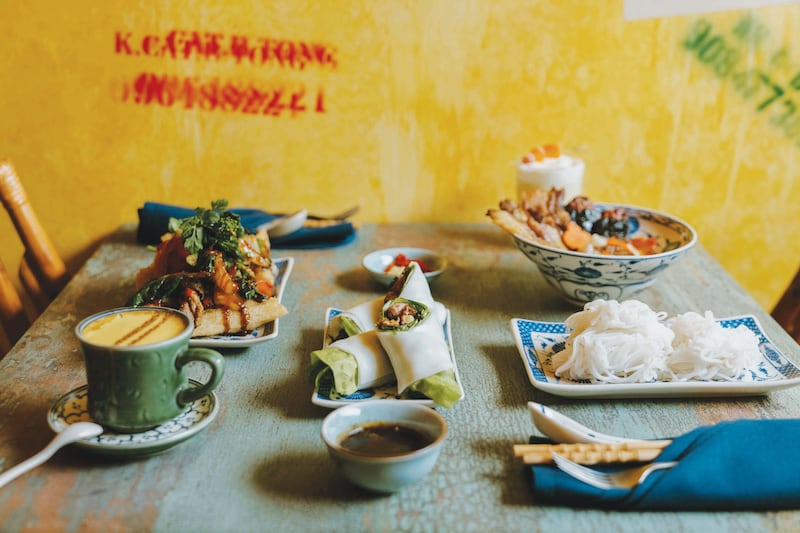
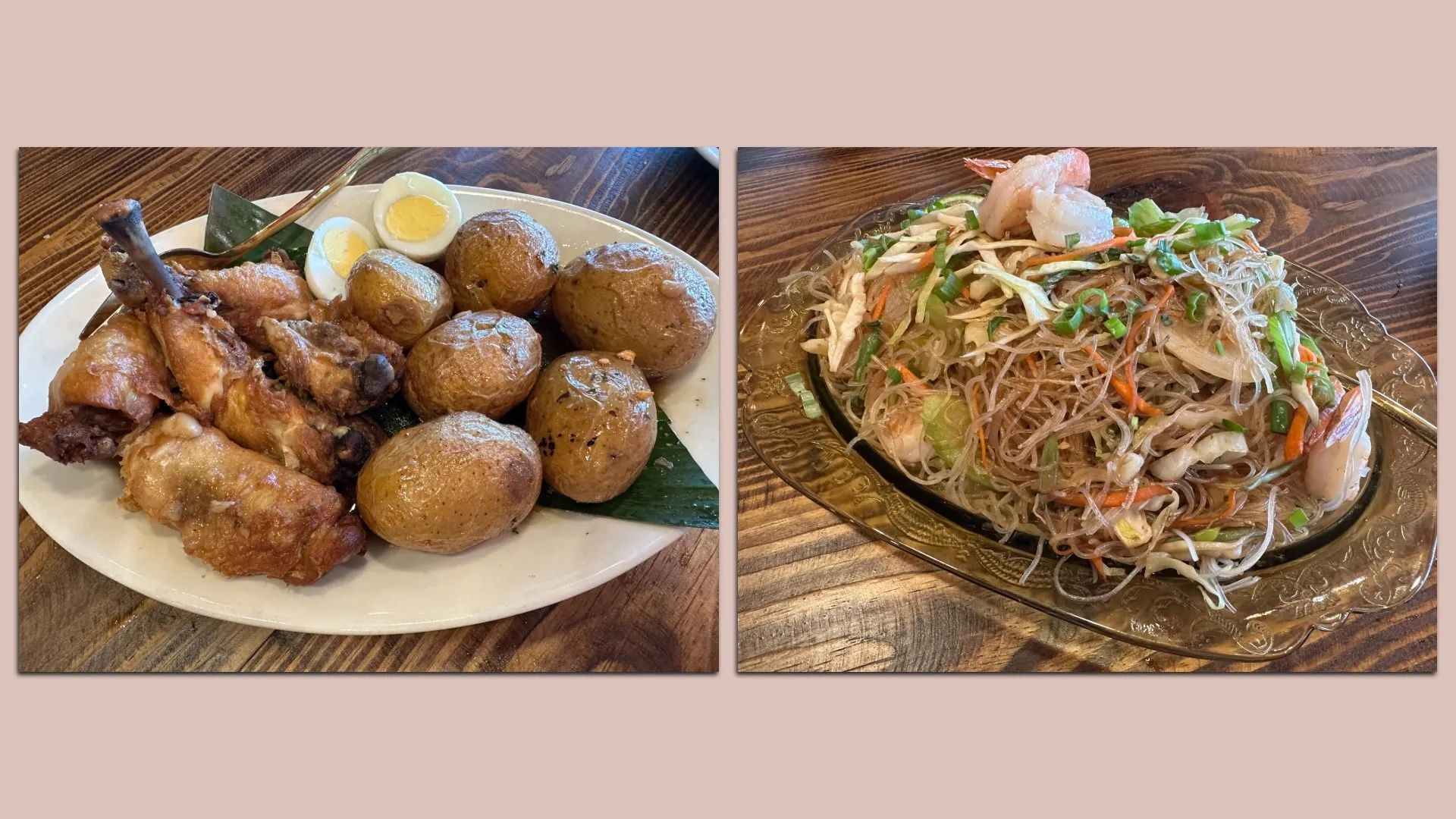
The geographic diversity of culinary innovation is particularly striking. From Atlanta's multicultural restaurant scene featuring dishes like tamale huevos rancheros and Thai basil burritos to Vermont's eclectic menu spanning Oaxacan posole and French onion tarte tatin, these food landscapes reveal a profound shift. Chefs are no longer confined by traditional culinary boundaries but are instead creating fusion experiences that challenge and expand our understanding of regional cuisine.
Travel publications like T Magazine's 2025 Essential Travel Guides further underscore this trend, highlighting a growing consumer appetite for experiential dining. The emphasis on personalized, immersive food experiences suggests that travelers and diners are seeking more than just a meal—they want a narrative, a connection to local culture, and a sense of authentic exploration.
For digital marketers and food industry professionals, these trends signal a critical opportunity. The future of food marketing lies not in standardization, but in celebrating cultural authenticity, local innovation, and storytelling through cuisine. Brands that can capture the nuanced, personal stories behind these culinary experiences will be best positioned to engage increasingly sophisticated and globally aware consumers.
问题 3
What makes the 2025 culinary scene different from previous years?
The 2025 culinary landscape is characterized by unprecedented cultural fusion, hyperlocal innovation, and a focus on authentic, narrative-driven dining experiences. Restaurants are no longer just serving food, but creating holistic cultural encounters.
What opportunities exist for food-related businesses in this evolving market?
Businesses can capitalize on the trend by emphasizing cultural authenticity, local sourcing, and storytelling. Brands that can effectively communicate the unique cultural and personal narratives behind their food will attract more engaged and loyal customers.