


Unraveling the MH370 Mystery: A Decade of Technological Persistence in Ocean Search Operations
- Pioneering marine search technologies redefine aviation incident investigation strategies











概览
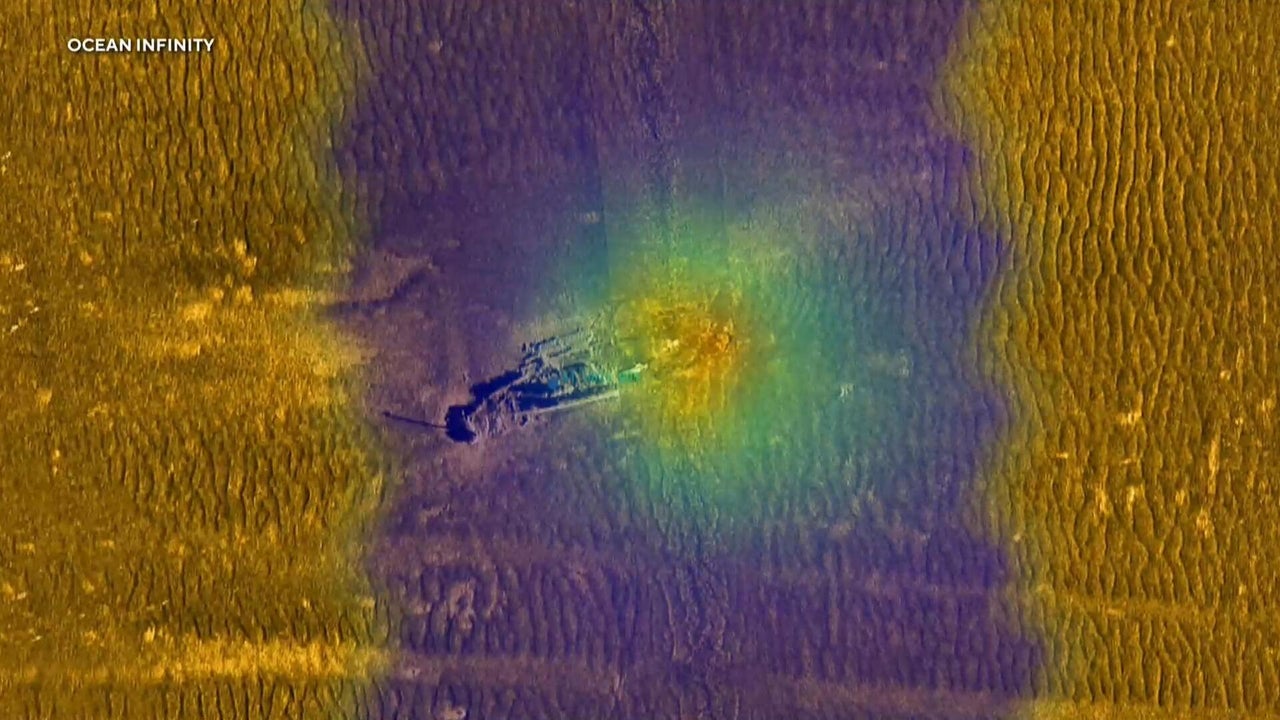
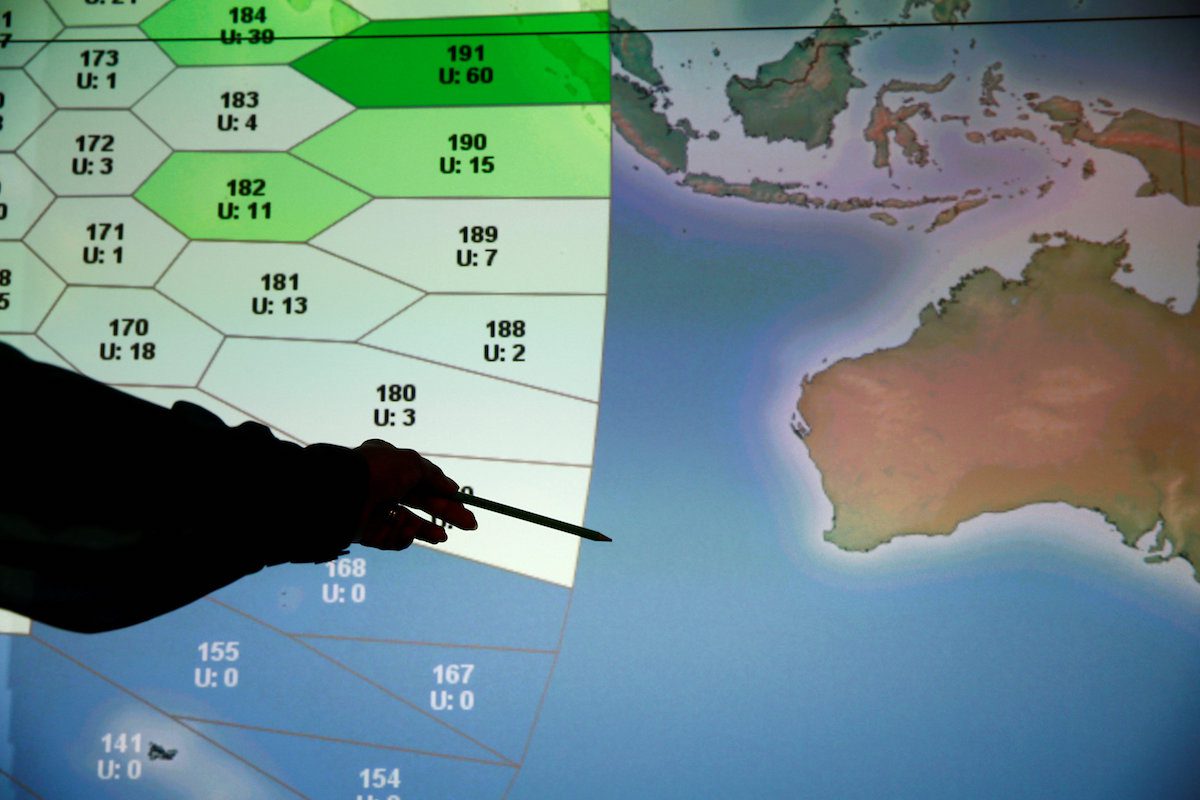
The resumption of the Malaysia Airlines Flight MH370 search represents a pivotal moment in maritime investigation and aviation safety, demonstrating how technological persistence can transform seemingly impossible recovery missions. After a decade of uncertainty, Ocean Infinity, a Texas-based marine robotics company, has been tasked with an extraordinary challenge: searching approximately 10,000 square miles of the southern Indian Ocean for an aircraft that vanished without a trace.
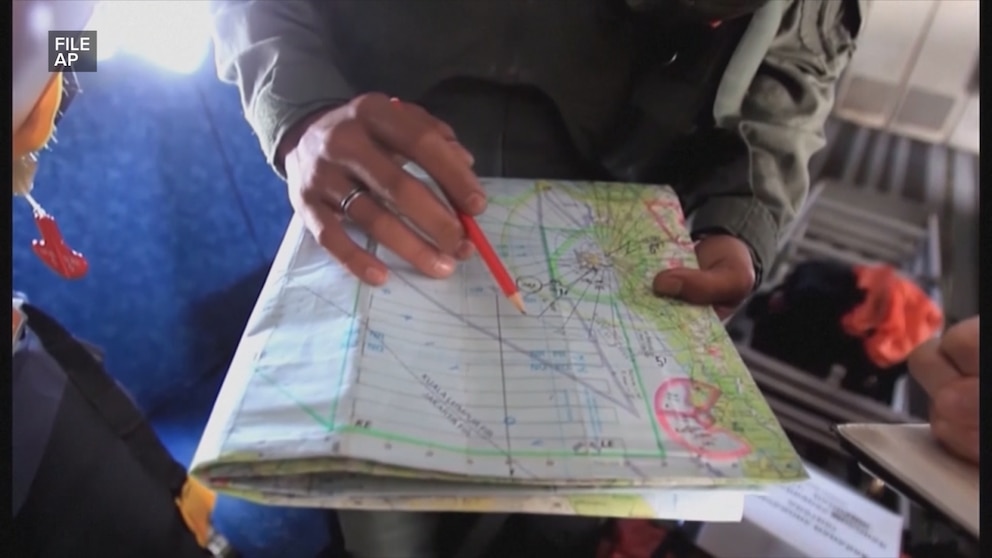
This renewed search effort is more than a recovery mission—it's a testament to the evolving capabilities of marine exploration technologies. The $70 million incentive-based contract underscores a revolutionary approach to complex search operations, where payment is contingent on actual wreckage discovery. Previous international efforts from 2014 to 2017 mapped 46,000 square miles of ocean floor without conclusive results, making this current mission a critical inflection point in understanding one of aviation's most enduring mysteries.
The technological sophistication of this search is remarkable. Using advanced underwater vehicles and scanning technologies, investigators are essentially conducting a forensic examination of an immense underwater landscape. Professor Charitha Pattiaratchi's analogy of finding a "bus-sized engine on the ocean floor while searching blindfolded" captures the extraordinary complexity of this mission. For international logistics and transportation professionals, this search represents more than a recovery effort—it's a profound case study in pushing the boundaries of search and rescue technologies.
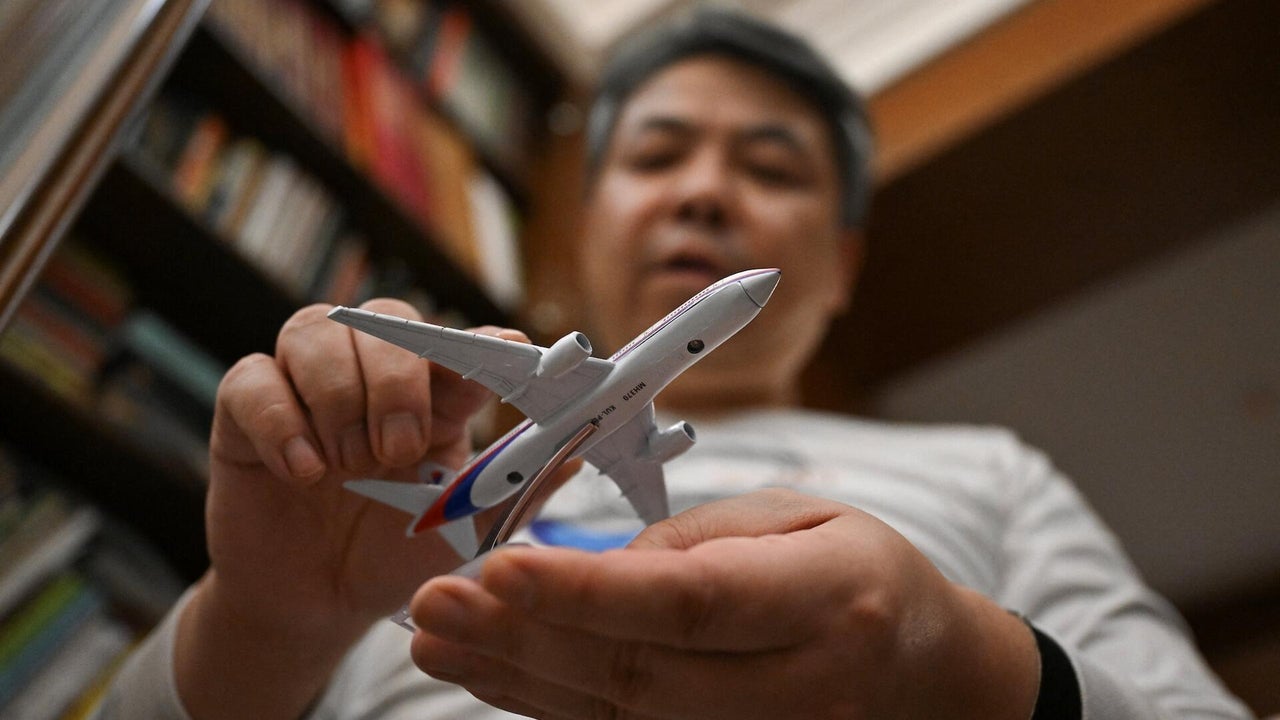
Beyond the technical challenge, this mission carries deep human significance. For the families of the 239 passengers—two-thirds of whom were Chinese nationals—this search represents a critical opportunity for closure after nearly 12 years of emotional uncertainty. The persistent investigation reflects the aviation industry's unwavering commitment to understanding complex incidents and preventing similar occurrences in the future.
Strategically, this search signals a broader transformation in aviation safety protocols. The incident has already prompted significant discussions about improving real-time aircraft monitoring systems and emergency response mechanisms in global transportation networks. By investing in advanced search technologies and maintaining investigative momentum, the industry demonstrates its dedication to continuous improvement and operational transparency.
问题 3
Why is the MH370 search significant for aviation technology?
The search represents a breakthrough in marine robotics and search technologies, demonstrating how advanced underwater vehicles can explore previously unreachable oceanic regions. It showcases the aviation industry's commitment to solving complex mysteries and improving safety protocols through persistent technological innovation.
What makes Ocean Infinity's search approach unique?
Ocean Infinity operates on a performance-based contract, receiving $70 million only if they successfully locate the MH370 wreckage. This incentive-driven model represents a novel approach to high-risk, complex search operations, aligning financial motivation with technological expertise.