





AI's Razor's Edge: Navigating the Treacherous Terrain of Technological Innovation in 2025
- Survival Guide for E-Commerce Sellers in an Era of Technological Disruption and Ethical Complexity

)










概览
The technological landscape of 2025 reveals a critical inflection point where innovation meets ethical scrutiny, presenting e-commerce sellers with both unprecedented opportunities and existential challenges. The year's technological developments expose a fundamental tension: while AI and automation promise transformative potential, they simultaneously demand unprecedented strategic sophistication.
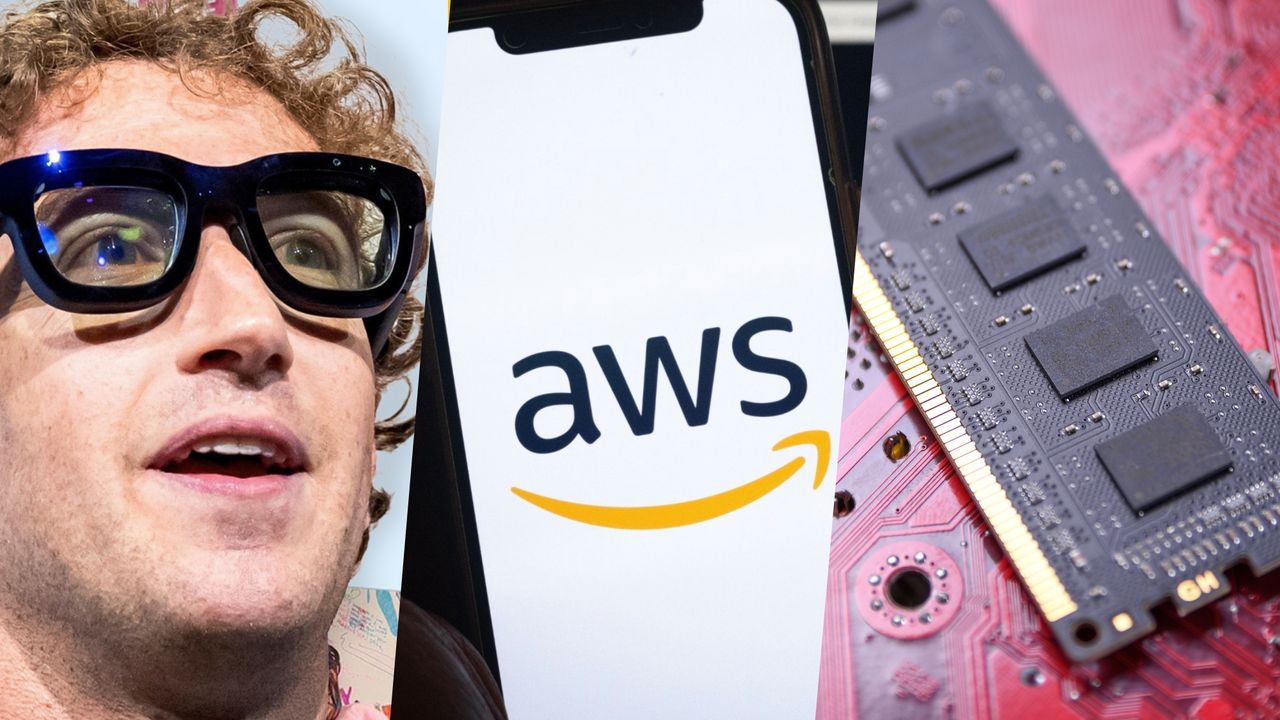
Technological disruption emerges as the defining narrative, with OpenAI's controversial GPT-5 release symbolizing the broader industry dynamics. The hardware ecosystem experienced dramatic shifts, with RAM and component prices skyrocketing—64GB DDR5 kits exceeding $500—forcing sellers to recalibrate their technological investments. This hardware volatility intersects with geopolitical complexities, as the Trump administration's trade strategies introduce intricate tariff scenarios that directly impact international e-commerce platforms like Shein and Temu.
The most profound insight lies in the evolving expectations around technological deployment. Privacy-conscious innovation has transitioned from a competitive advantage to an absolute requirement. The Washington Post's technology review underscores a maturing landscape where technological capabilities are increasingly measured not just by performance, but by ethical considerations and user-centric design. For e-commerce sellers, this means moving beyond mere technological adoption to creating transparent, responsible digital experiences.
Simultaneously, the proliferation of questionable AI products—from pet translators to workplace surveillance tools—serves as a cautionary tale. These innovations reveal a critical market challenge: technology must solve genuine problems, not manufacture artificial ones. The competitive moat for successful sellers will be their ability to deploy AI and automation with surgical precision, focusing on solutions that genuinely enhance user experience rather than introducing unnecessary complexity.
Strategic imperatives for e-commerce sellers crystallize around three key dimensions: technological adaptability, ethical implementation, and relentless user-centricity. The most successful players will be those who can navigate this complex terrain, transforming technological disruption from a threat into a strategic opportunity.
问题 3
Which technological capabilities will differentiate successful e-commerce platforms in 2025?
Platforms that combine advanced AI capabilities with robust privacy protections will lead the market. Key differentiators include predictive personalization, transparent data usage, seamless cross-border transaction support, and the ability to rapidly integrate emerging technologies while maintaining user trust.
How can e-commerce sellers effectively integrate AI while maintaining ethical standards?
Successful AI integration requires a user-centric approach focusing on solving genuine problems. Sellers must prioritize transparency, data privacy, and demonstrable value. This means conducting rigorous user research, implementing clear data usage policies, and continuously evaluating AI tools against strict ethical and performance benchmarks.