



Seahawks Roster Resilience Reveals Strategic Personnel Management Playbook
- Navigating Injury Challenges and Playoff Positioning Amid Operational Complexity











概览
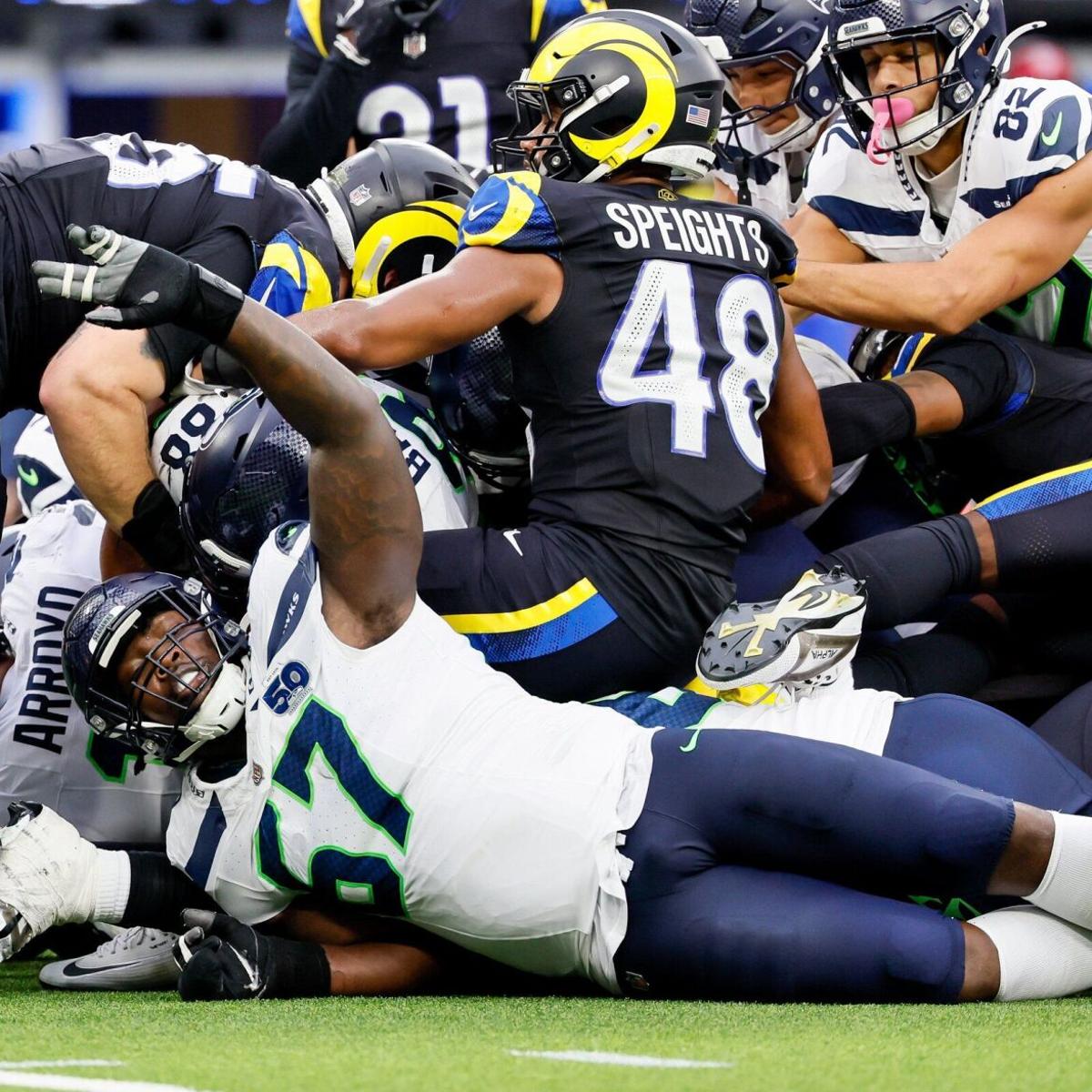
In the high-stakes world of professional sports management, the Seattle Seahawks' recent roster moves offer a masterclass in adaptive organizational strategy. The team's intricate personnel adjustments reveal a sophisticated approach to maintaining competitive depth during a critical playoff-contention period.
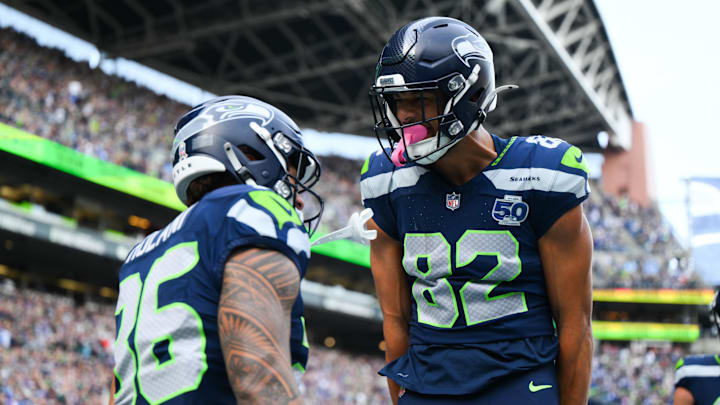
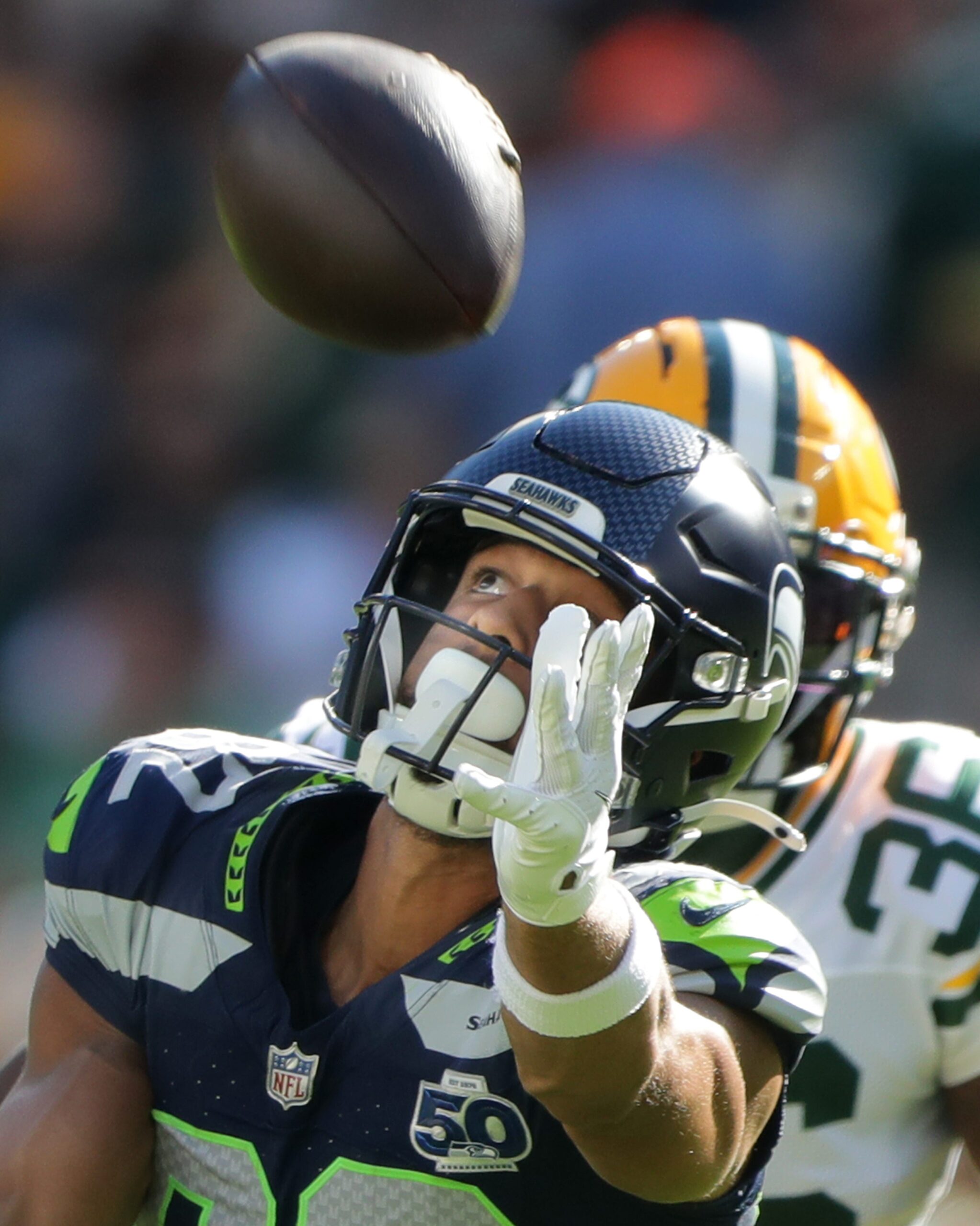
Injury Management emerges as the central narrative, with multiple key players facing significant challenges. Wide receiver Cody White's placement on injured reserve due to a groin injury symbolizes the razor-thin margins between peak performance and operational disruption. Simultaneously, the potential absence of left tackle Charles Cross creates a cascading strategic challenge that demands immediate and nuanced response.
The Seahawks' response demonstrates remarkable organizational agility. By promoting Amari Kight from the practice squad and strategically reinstating Derick Hall from suspension, the team reveals a multi-layered approach to roster optimization. These moves are not merely reactive but proactively designed to maintain competitive resilience. The simultaneous management of individual player limitations while preserving team performance potential highlights a sophisticated personnel ecosystem.
What distinguishes the Seahawks' approach is their holistic view of roster management. Each roster move is a carefully calculated decision balancing immediate game-day requirements with long-term player development. The signing of Montorie Foster Jr. to the practice squad and the strategic waiving of D'Anthony Bell underscore a dynamic personnel strategy that treats the roster as a living, breathing strategic asset.
The upcoming high-stakes game against the San Francisco 49ers serves as a critical proving ground for these strategic maneuvers. With playoff positioning hanging in the balance, the Seahawks' ability to adapt, rotate, and optimize their lineup will be decisive. Their approach offers a compelling case study in organizational resilience: transforming potential vulnerabilities into strategic opportunities through intelligent, proactive personnel management.
问题 3
How might these roster moves impact the Seahawks' playoff prospects?
These strategic personnel adjustments are crucial for maintaining competitive momentum. By optimizing roster depth and managing injuries proactively, the Seahawks increase their resilience and adaptability, which could be decisive in their playoff positioning and performance.
What are the key challenges in the Seahawks' current roster situation?
The primary challenges include Cody White's injury-related IR placement and Charles Cross's hamstring injury, which potentially destabilize the team's offensive line and receiver corps. These situations require sophisticated roster flexibility and strategic player rotations.