


Humanitarian Aid in Crisis: Israel's Strategic Squeeze on Gaza NGOs Threatens Global Assistance Paradigm
- Geopolitical tensions reshape international humanitarian intervention strategies





概览
The unfolding humanitarian crisis in Gaza represents a critical inflection point in international aid delivery, where geopolitical tensions are fundamentally restructuring humanitarian intervention strategies. Israel's controversial decision to suspend operations for 37 international aid organizations reveals a complex landscape where security concerns directly intersect with humanitarian access.
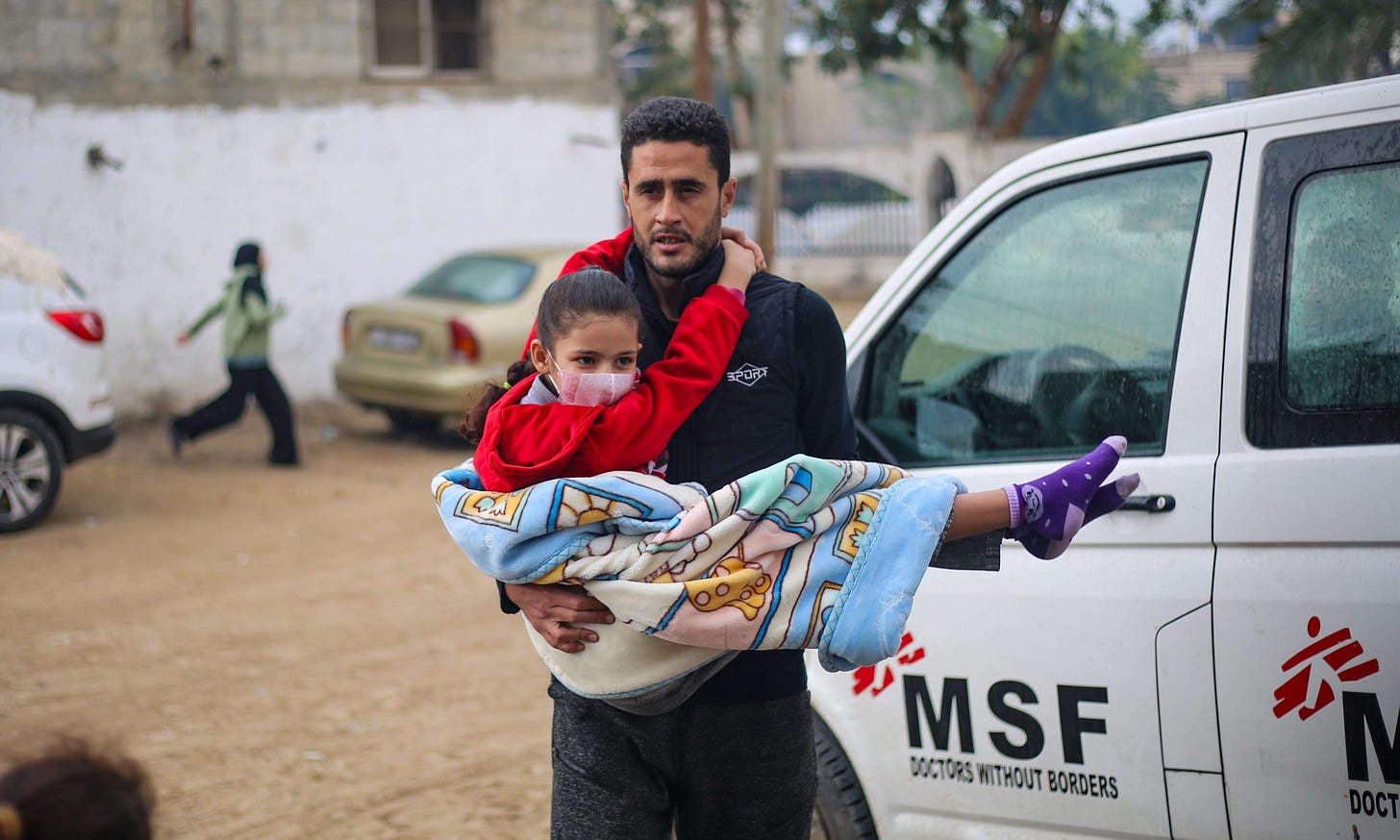
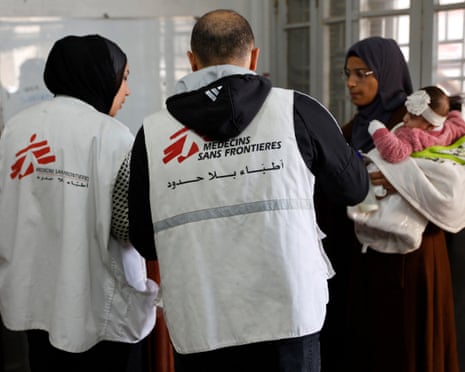
Systemic Disruption in Aid Delivery: The registration requirements mandating detailed staff information represent more than bureaucratic friction—they signal a strategic recalibration of how international organizations can operate in conflict zones. With Médecins Sans Frontières (MSF) potentially losing access to nearly half a million people, the implications extend far beyond Gaza's immediate borders. The move suggests a broader trend of increased governmental scrutiny and control over humanitarian operations, potentially creating a chilling effect for future international interventions.
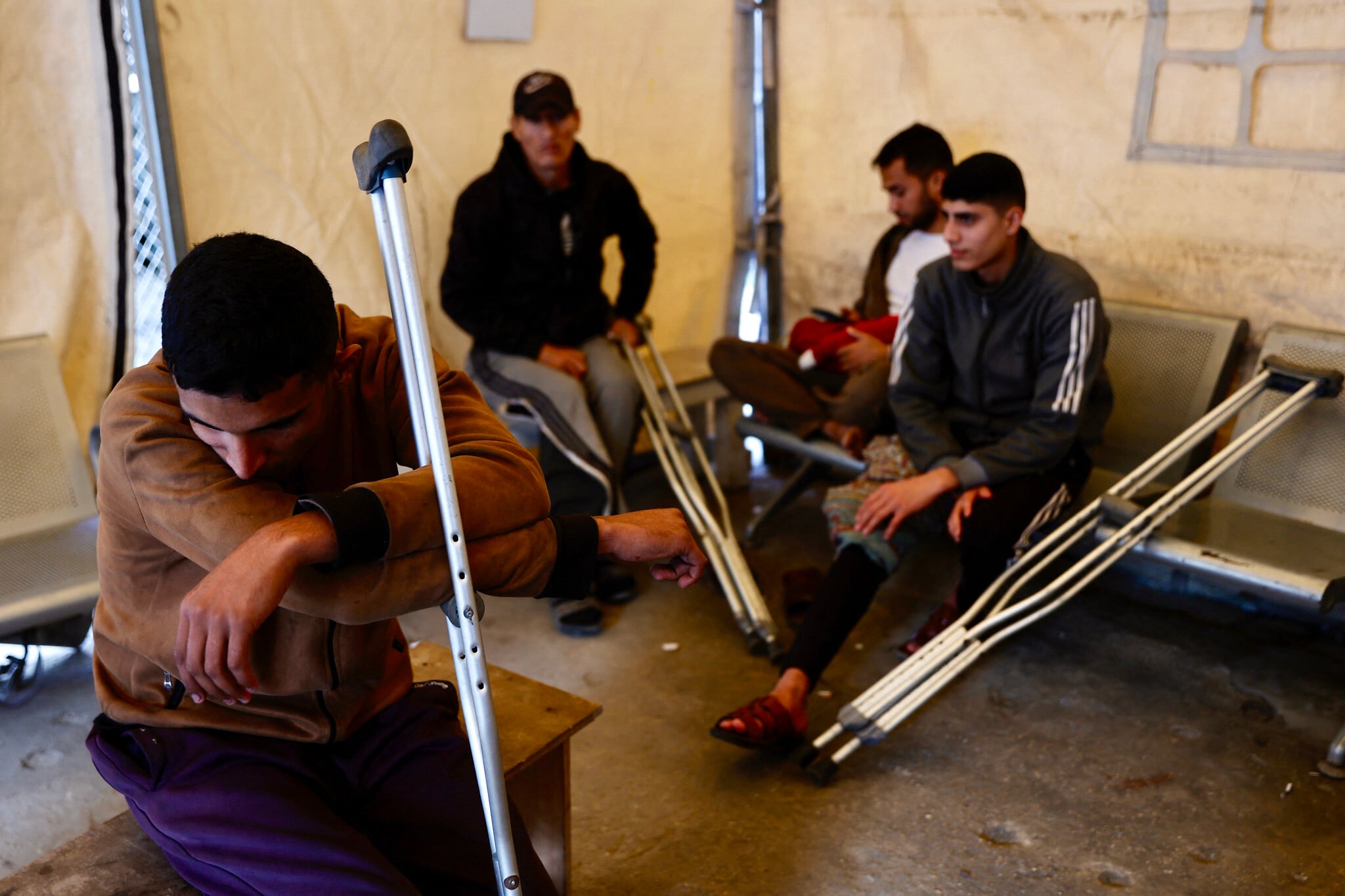
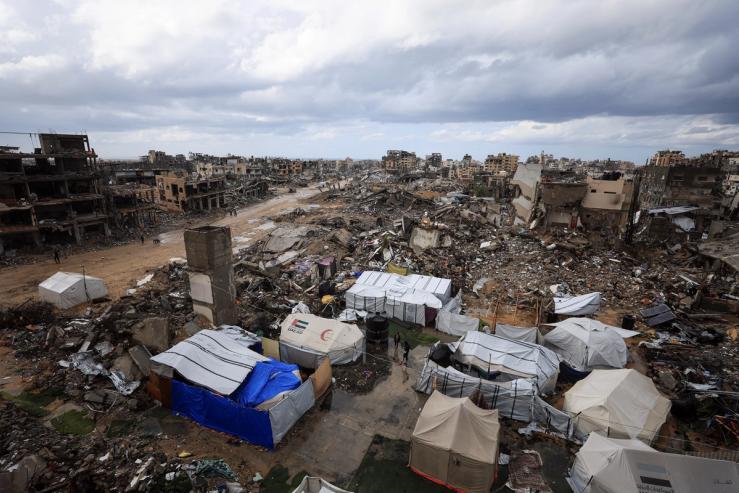
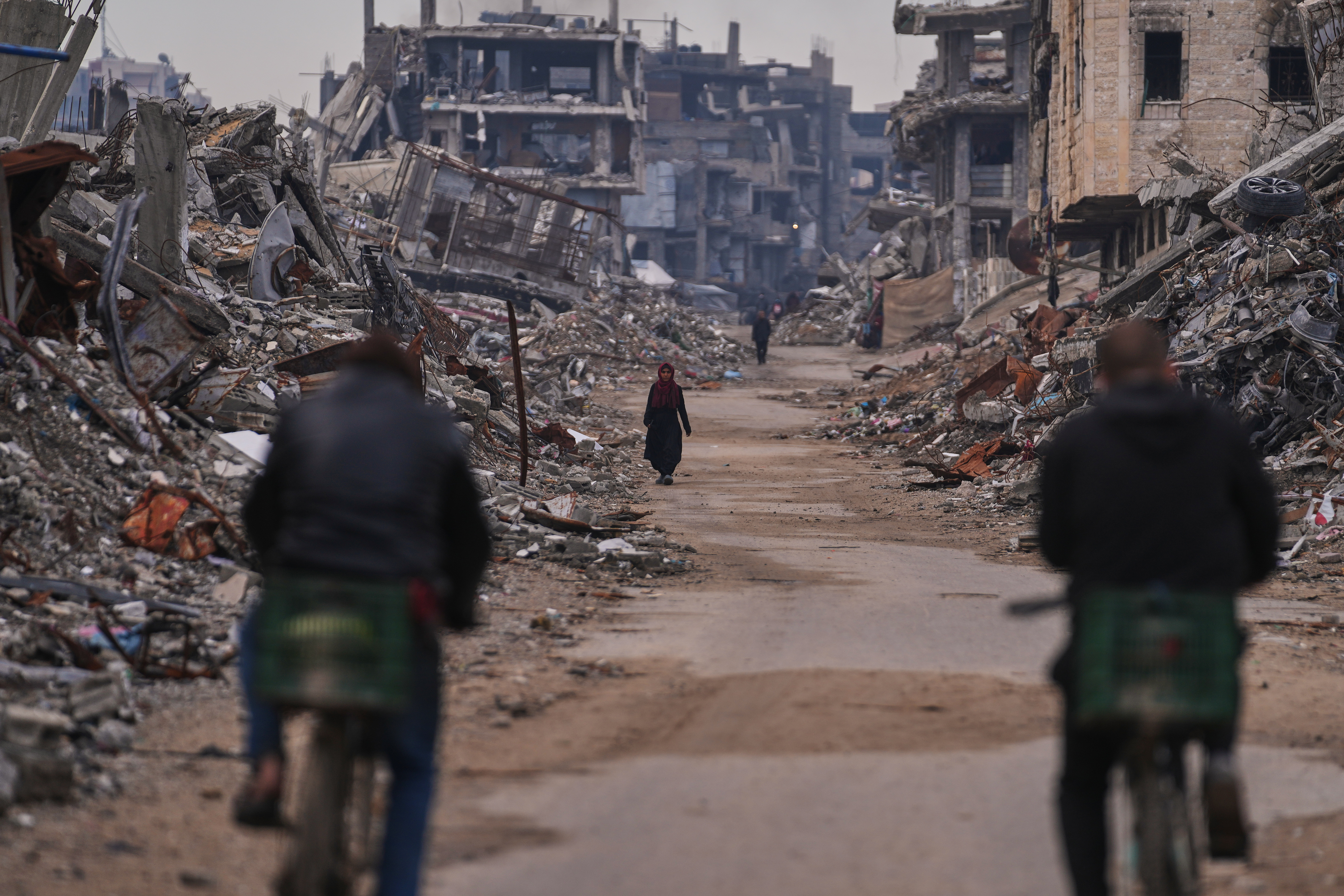
Humanitarian Impact at Scale: The numbers are stark and sobering. Approximately 1.3 million people require urgent shelter, over half of Gaza's health facilities are only partially functioning, and around 740,000 people face vulnerability to toxic flooding. The aid suspension comes at a catastrophic moment—winter temperatures are plummeting, makeshift shelters are collapsing, and at least 20 people have already died from structural failures. This isn't just a logistical challenge; it's a potential humanitarian catastrophe with long-term regional destabilization risks.
Geopolitical Chess and Humanitarian Consequences: Israeli Prime Minister Benjamin Netanyahu's stance that a new Gaza government is possible only if Hamas is disarmed creates a complex diplomatic impasse. The European Union's warning that the new NGO registration law cannot be implemented in its current form underscores the international community's growing concern. This isn't merely about aid delivery—it's about redefining the boundaries of humanitarian intervention in conflict zones.
The broader implications are profound: international aid organizations are being forced to navigate increasingly militarized humanitarian landscapes, where access is contingent upon complex political negotiations. For global humanitarian strategy, this represents a potential paradigm shift with far-reaching consequences for crisis response mechanisms worldwide.
问题 3
Why is Israel suspending operations for international aid organizations in Gaza?
Israel claims the suspension is due to potential security risks, requiring NGOs to disclose detailed staff information. They argue this prevents potential exploitation of aid by Hamas, though a US government review found no evidence of widespread theft. The move appears to be part of a broader strategy to control humanitarian access in the region.
What are the immediate humanitarian consequences of these aid suspensions?
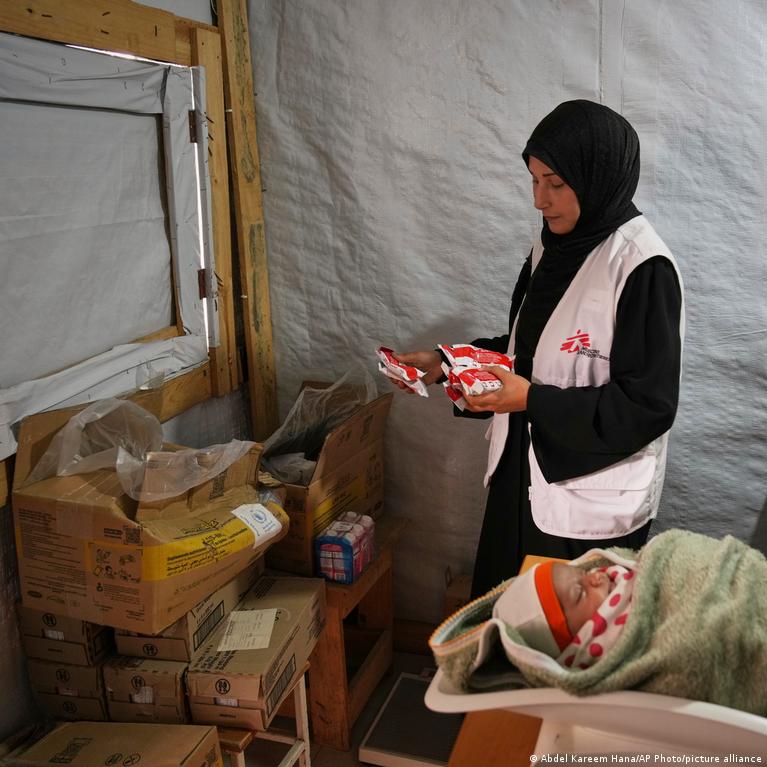
The suspensions could critically impact nearly 1.3 million people requiring urgent shelter, with over half of Gaza's health facilities already partially functioning. Organizations like MSF, which serve approximately 500,000 people, warn of severe disruptions to medical care, water supply, and lifesaving support during harsh winter conditions.