





Black Sea Maritime Warfare Reshapes Global Trade Dynamics
- Escalating Geopolitical Tensions Trigger Massive Supply Chain Recalibration for International Sellers









































概览
The Black Sea region has transformed into a critical geopolitical flashpoint, with Russia-Ukraine maritime strikes revealing profound implications for global trade infrastructure. These targeted attacks represent more than isolated military engagements—they signal a systematic disruption of international shipping corridors that could fundamentally reshape cross-border commerce strategies.
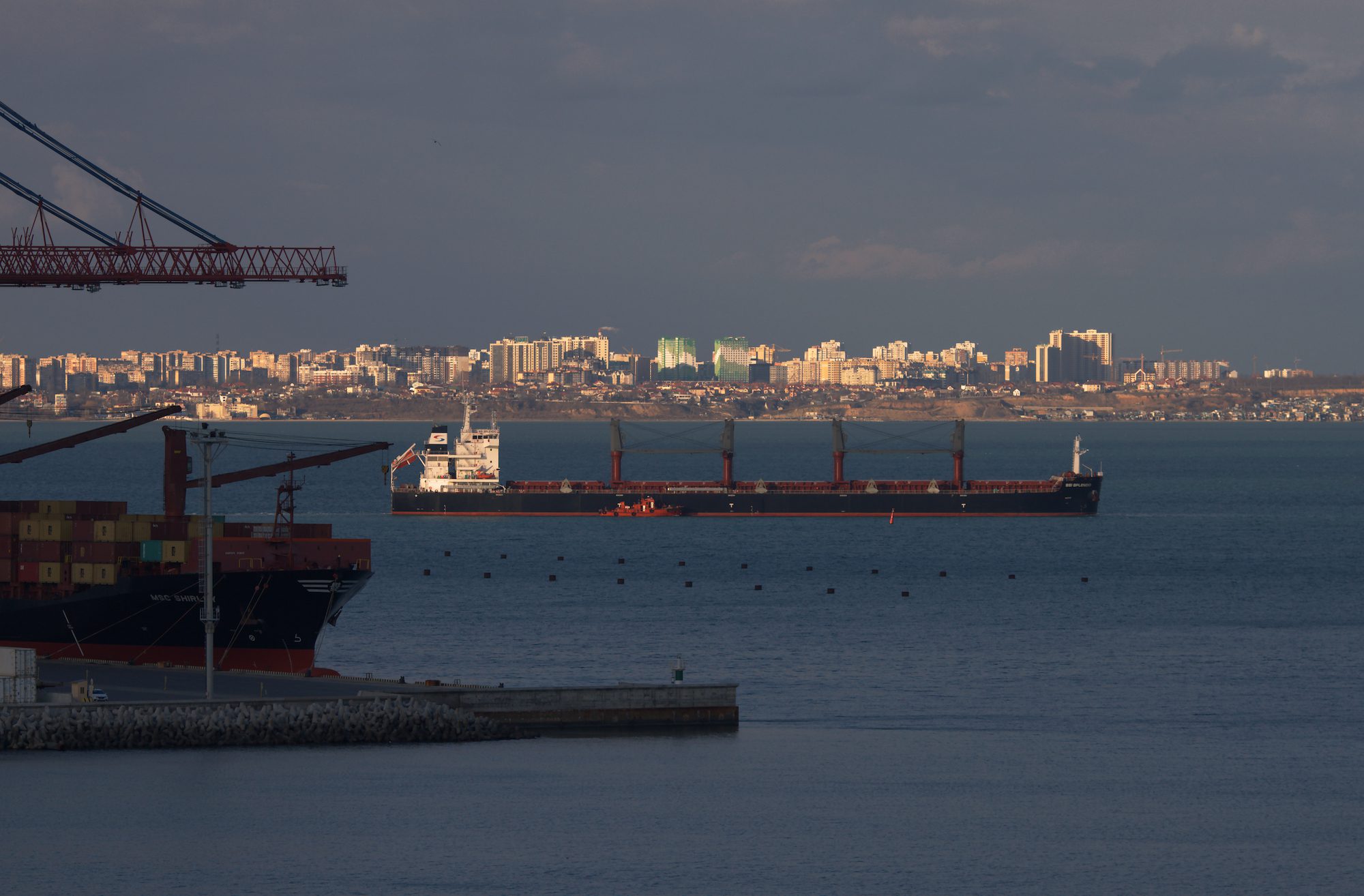
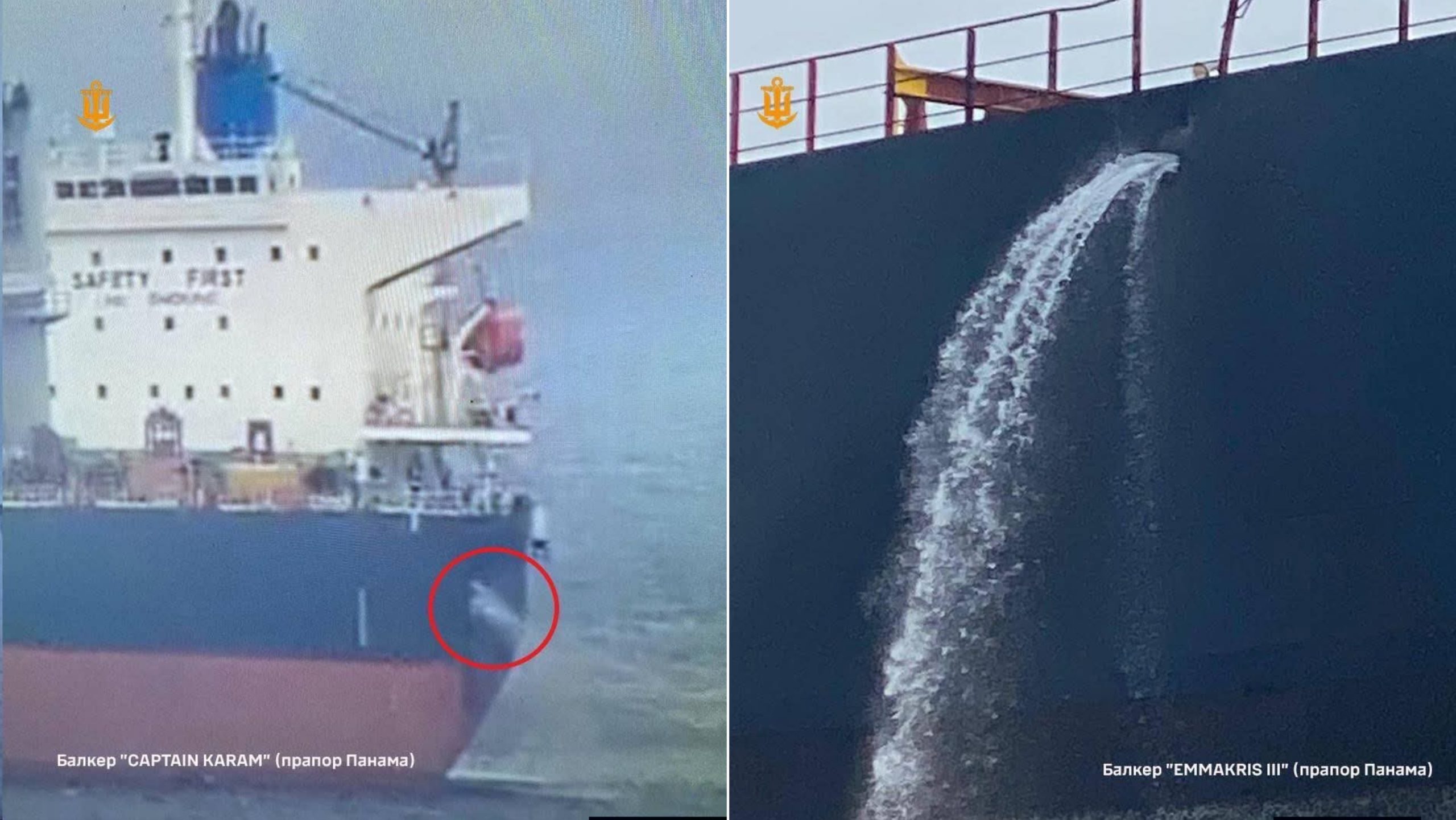
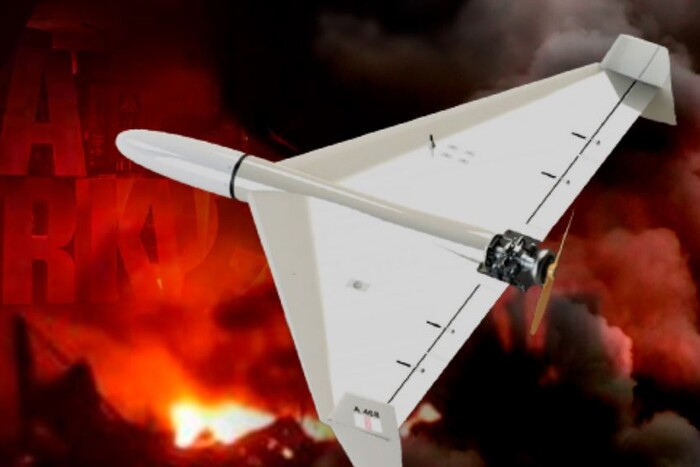
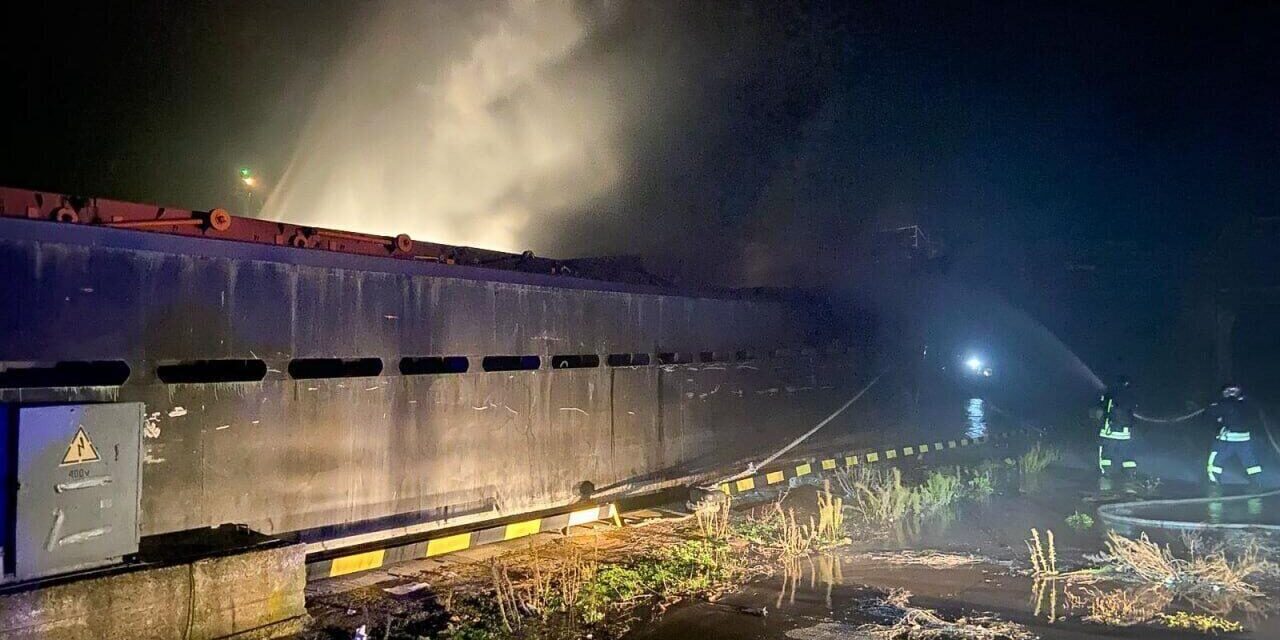
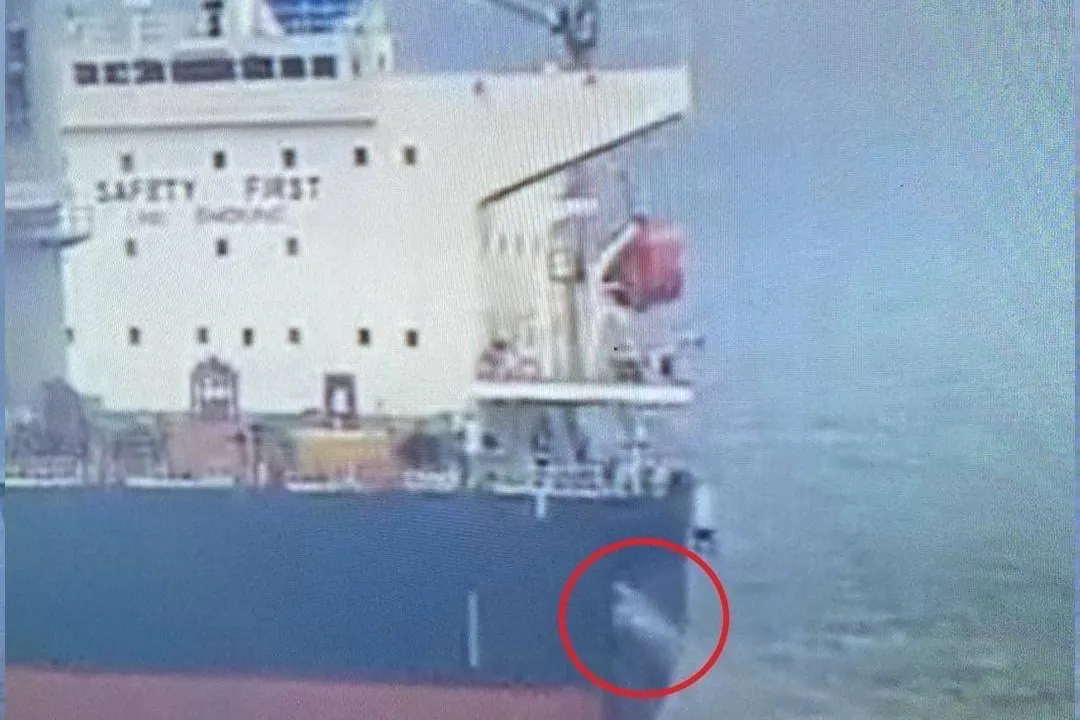
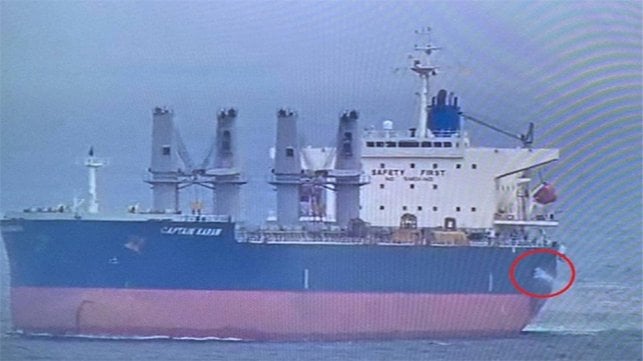
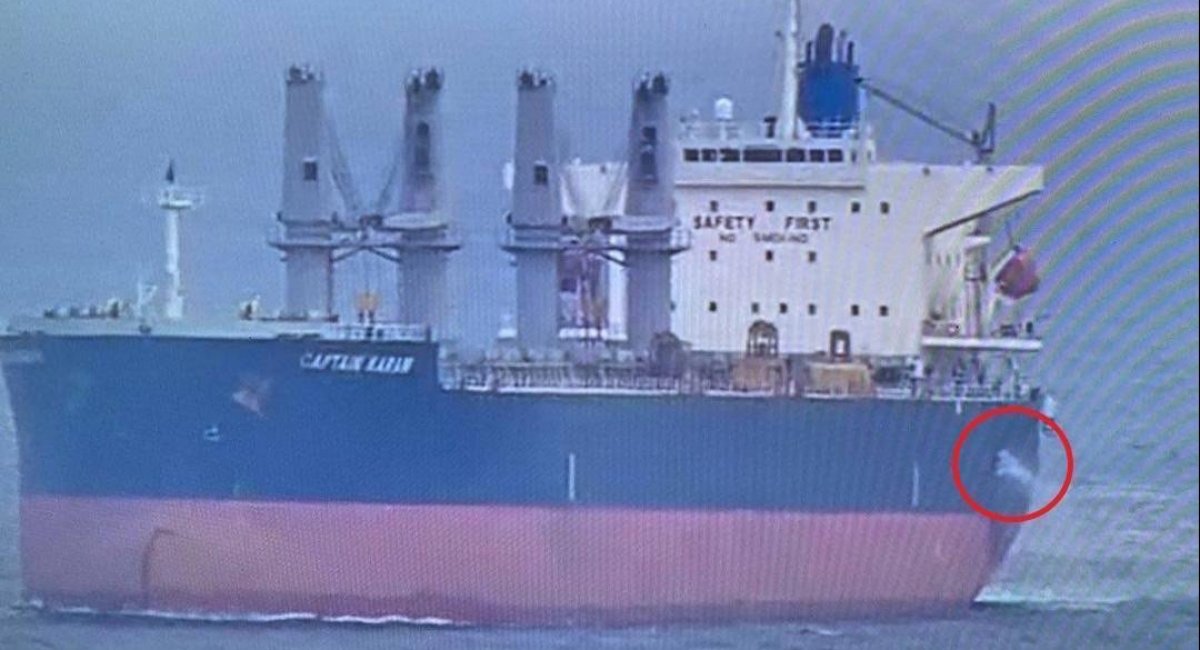
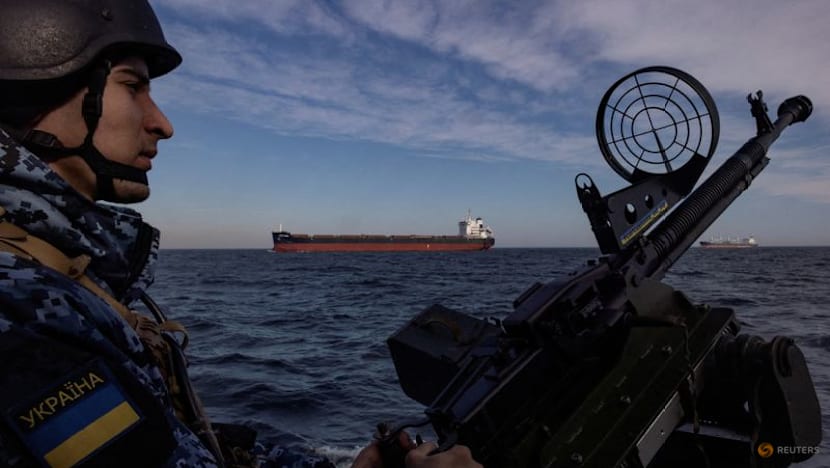
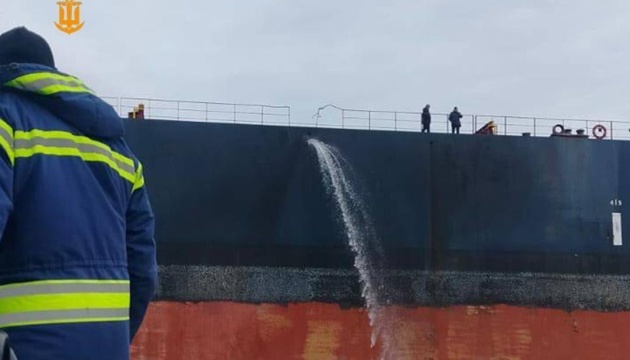
Strategic port infrastructure is now a primary battleground, with precision drone strikes targeting critical maritime assets. The attacks on Tuapse, Chornomorsk, and Pivdennyi ports demonstrate a calculated approach to economic warfare, where maritime logistics become a direct pressure point. Russian forces have strategically targeted civilian wheat-loading vessels like Emmakris III and Captain Karam, effectively weaponizing maritime trade routes.
The economic ripple effects are immediate and far-reaching. Global agricultural supply chains face unprecedented vulnerability, with Ukraine—a critical global wheat exporter—experiencing persistent infrastructure attacks. These disruptions extend beyond immediate shipping challenges, introducing complex risk calculations for international sellers. Companies must now factor geopolitical volatility directly into their logistics and sourcing strategies.
Critically, these developments represent more than a regional conflict—they signal a broader transformation in how economic pressure can be applied through maritime infrastructure targeting. The Black Sea trade corridor is no longer just a shipping route, but a strategic battleground where commercial and military objectives converge. For cross-border sellers, this means developing hyper-adaptive logistics models that can rapidly reconfigure supply chains in response to geopolitical shifts.
The most sophisticated international businesses will view these disruptions not as obstacles, but as opportunities to redesign more resilient, flexible global trade networks. Successful navigation will require real-time geopolitical intelligence, diversified shipping routes, and the ability to rapidly pivot logistics infrastructure in response to emerging regional tensions.
问题 3
How are maritime attacks impacting global trade routes?
The targeted strikes in the Black Sea are systematically disrupting critical shipping corridors, particularly for agricultural exports. Ports like Chornomorsk and Pivdennyi are experiencing persistent attacks that damage vessels and infrastructure, forcing international sellers to develop more adaptive and diversified logistics strategies.
What risks do cross-border sellers face in the Black Sea region?
Sellers now confront multifaceted risks including potential vessel damage, increased insurance costs, unpredictable shipping delays, and the need for rapid logistics reconfiguration. The ongoing conflict introduces significant operational uncertainties that require comprehensive risk management approaches.