


Diplomatic Immunity Stripped Diplomatic Warfare Escalates Against UN Agency
- Unprecedented Legal Maneuver Signals Radical Shift in Humanitarian Organization Engagement









概览
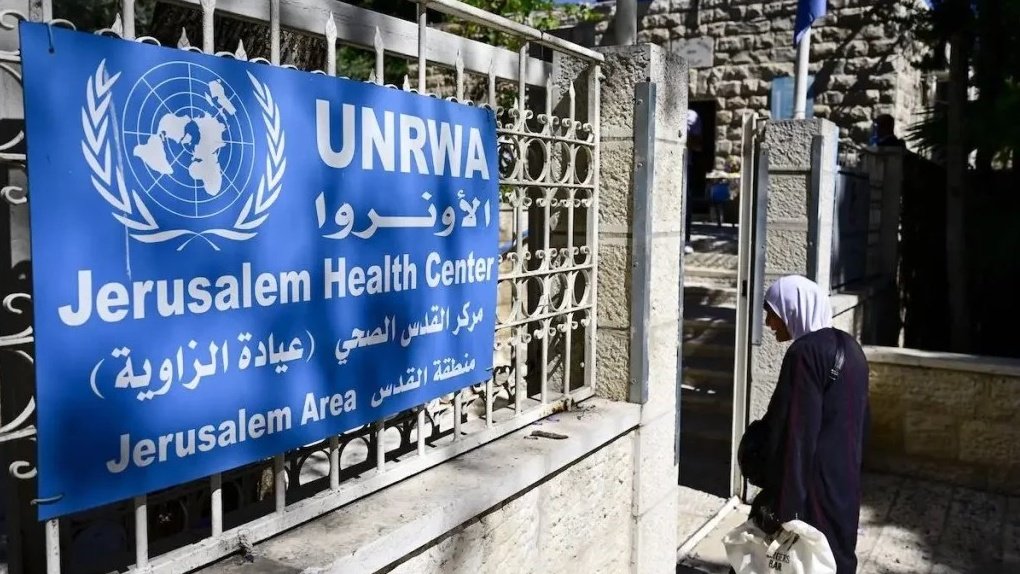
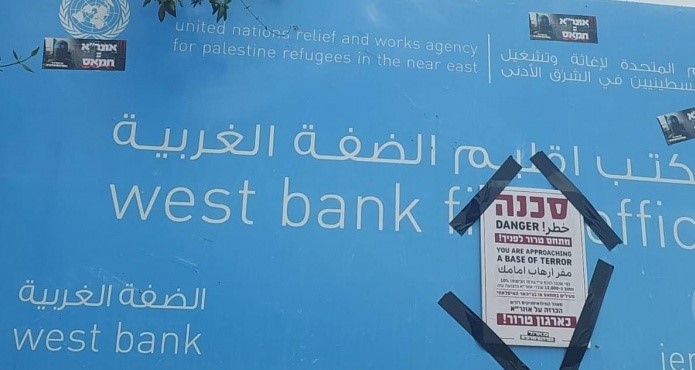
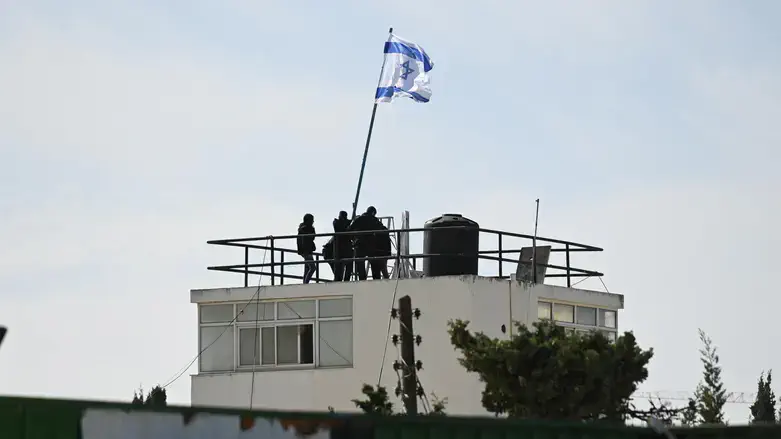
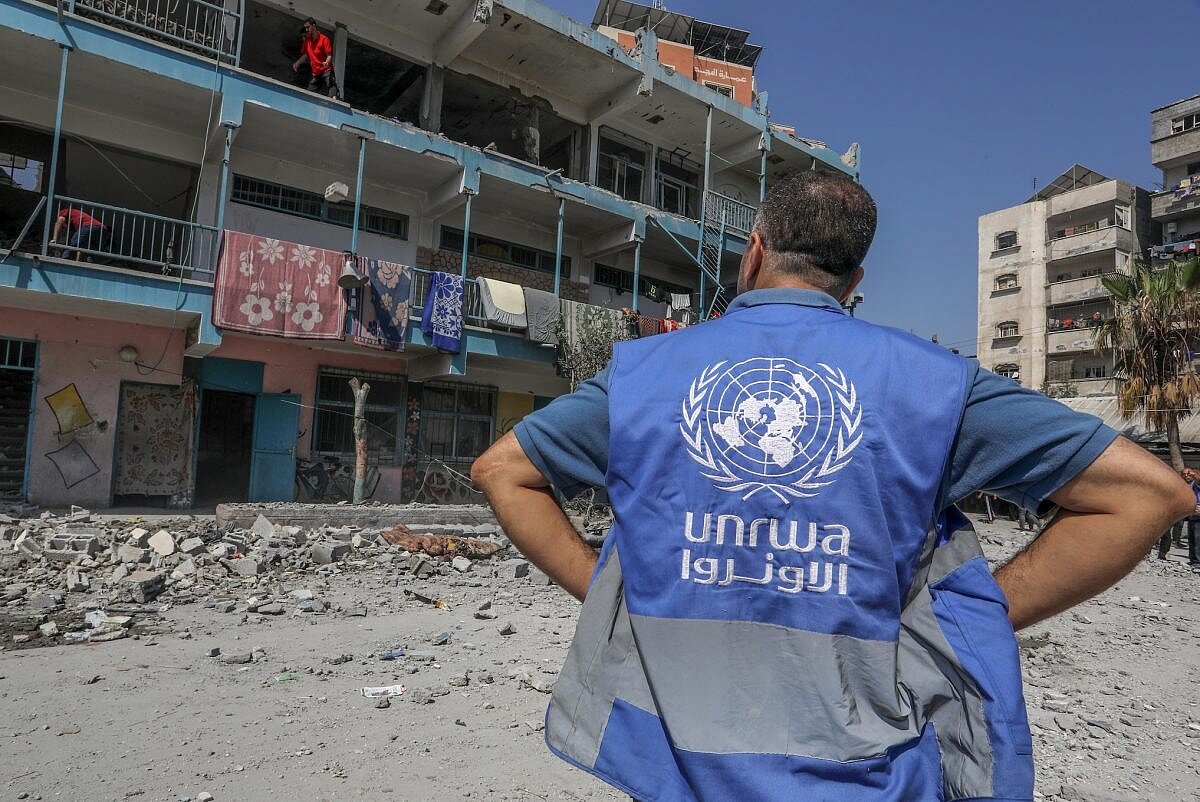
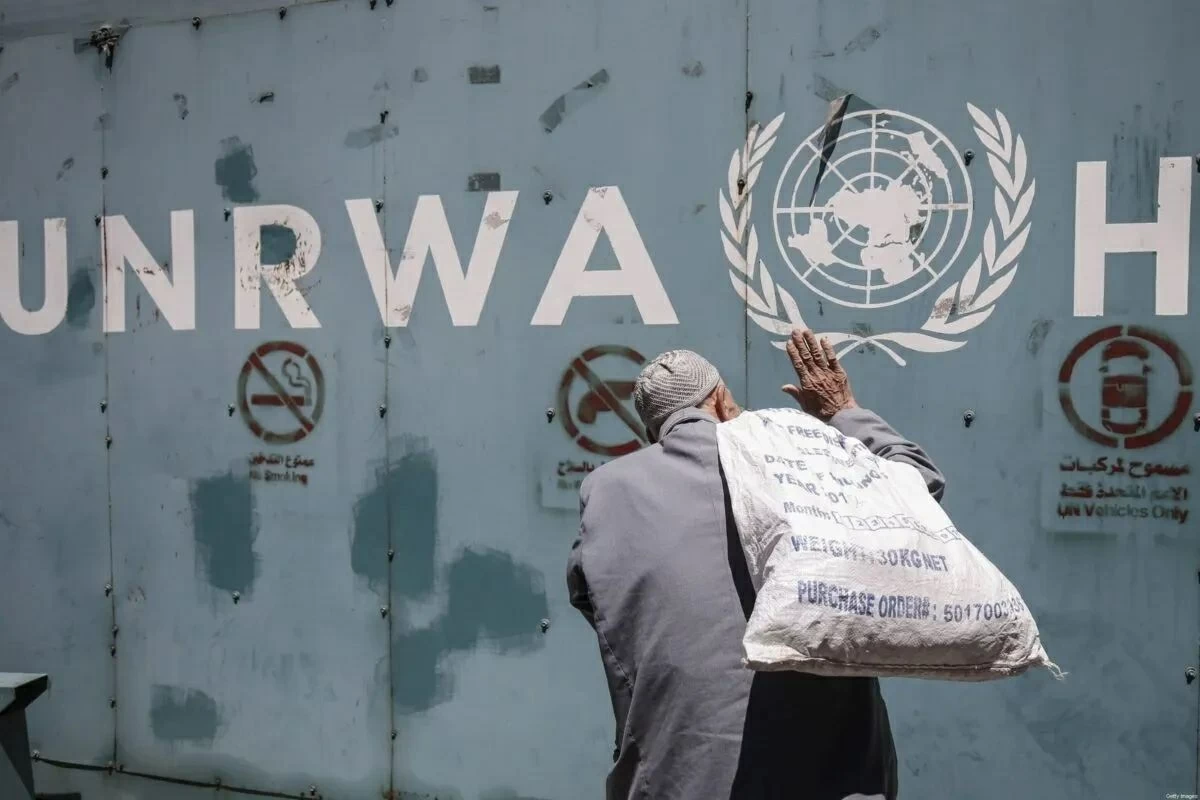
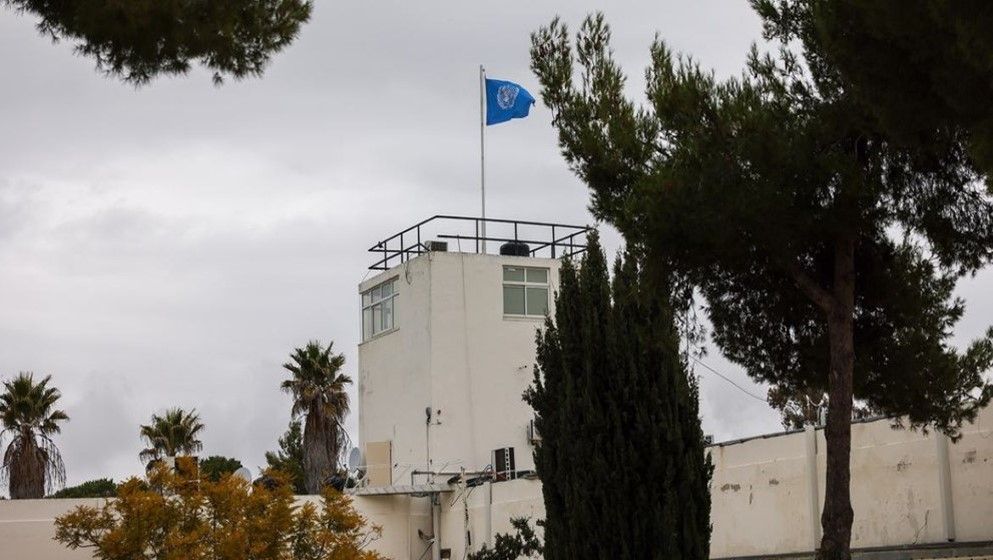
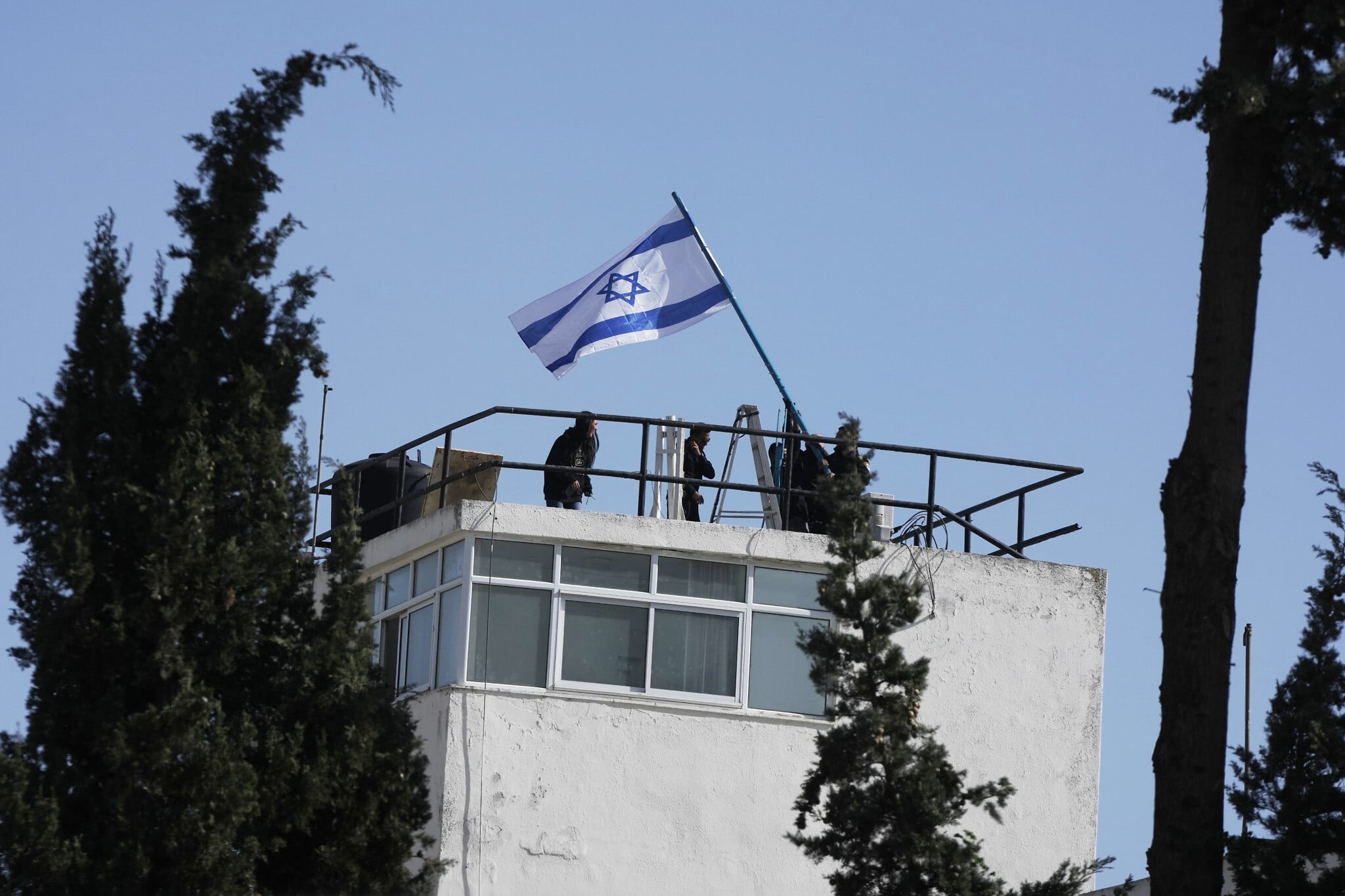
The removal of diplomatic immunity from the United Nations Relief and Works Agency (UNRWA) represents a critical inflection point in geopolitical humanitarian operations, revealing the increasingly volatile landscape of international aid and conflict zone interventions. On December 29, 2025, Israel's Parliament executed a strategic legal assault that fundamentally challenges the operational sovereignty of a major UN humanitarian agency, marking an extraordinary escalation in diplomatic confrontation.
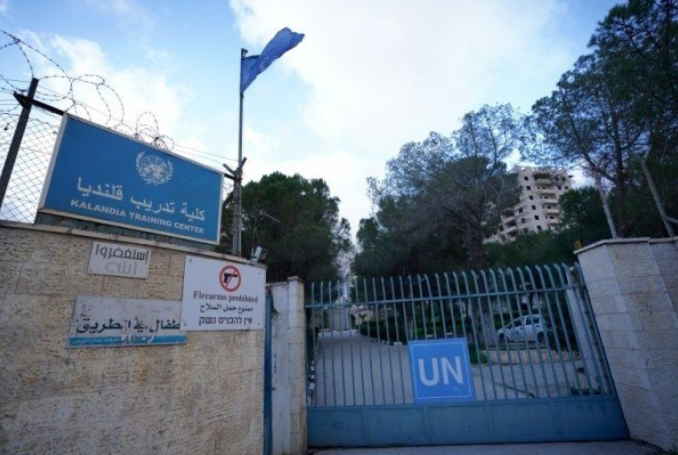
Strategic Deconstruction of Humanitarian Infrastructure: The legislation goes far beyond a simple legal maneuver. By stripping UNRWA of diplomatic protections, Israel has effectively weaponized legal frameworks to challenge an international organization's neutrality. The key provisions—including barring Israeli companies from providing essential services and enabling potential court actions against the agency—represent a systematic dismantling of UNRWA's operational capabilities in contested territories.
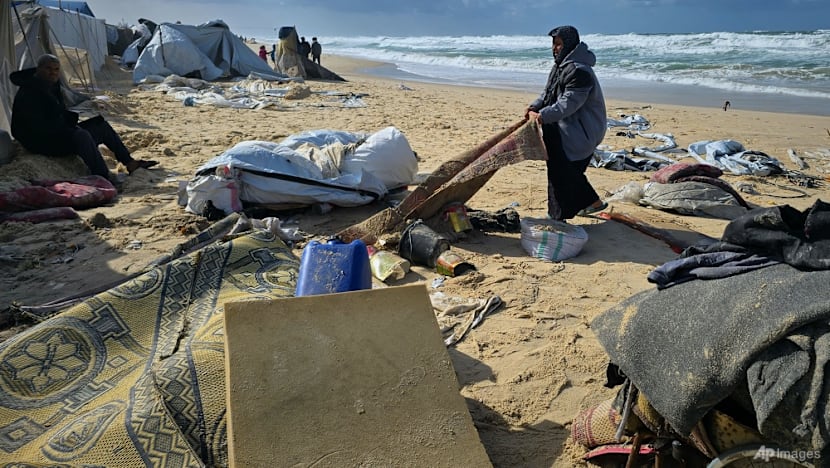
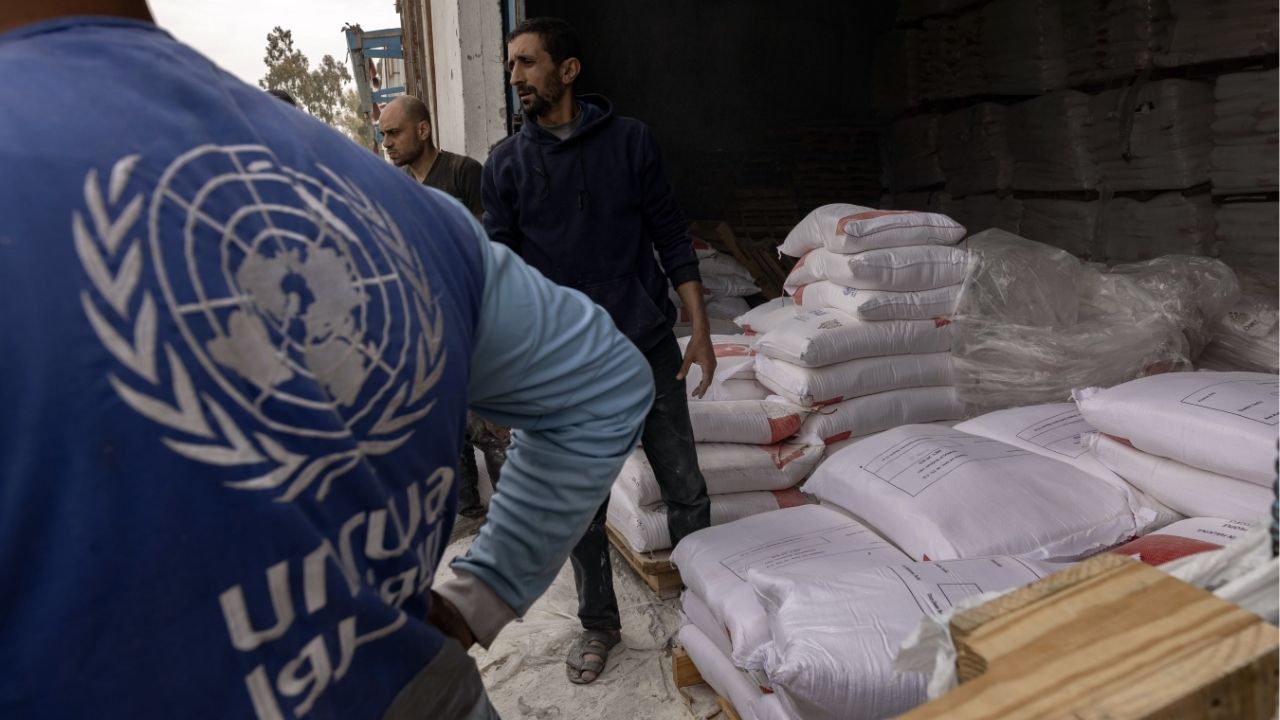
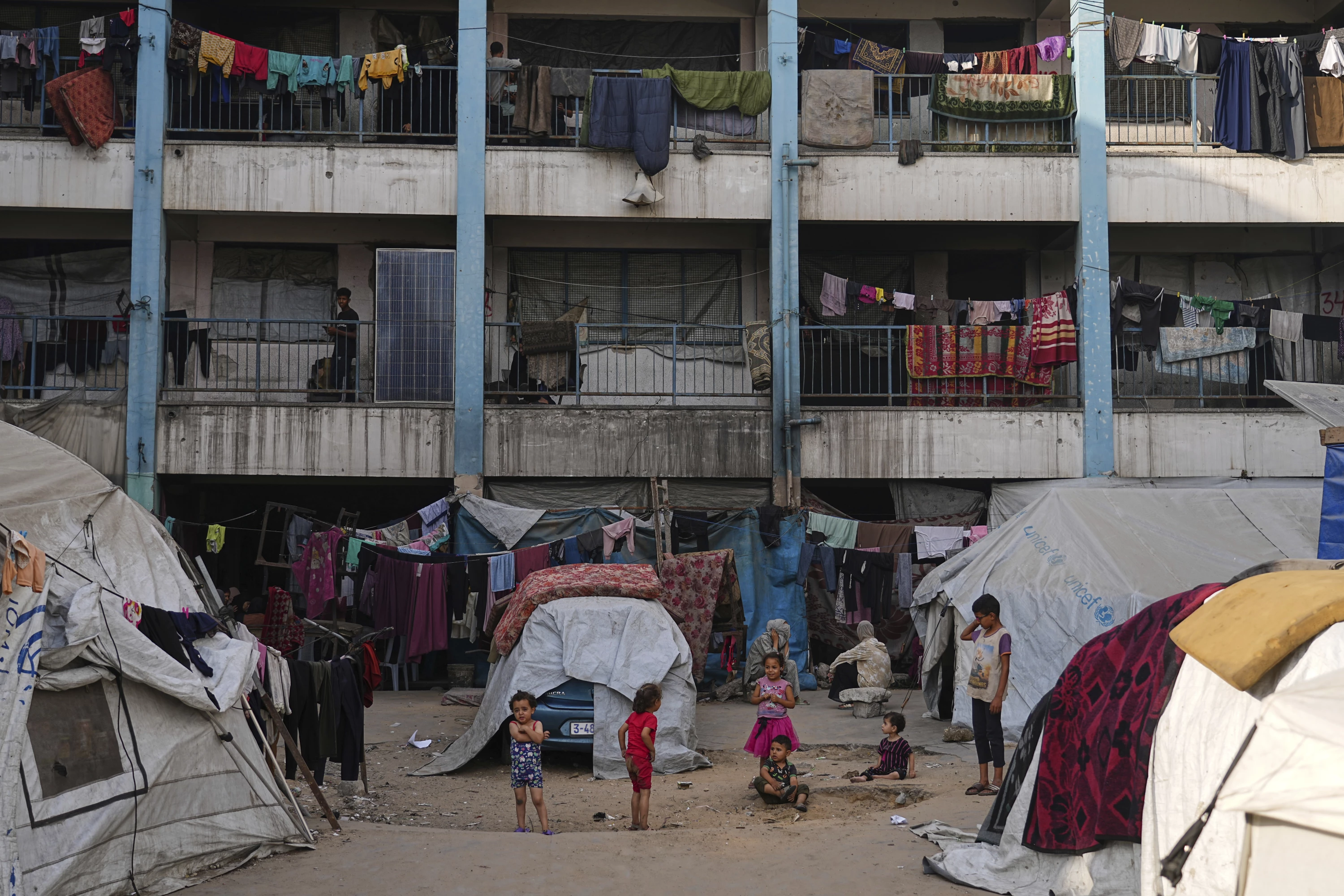
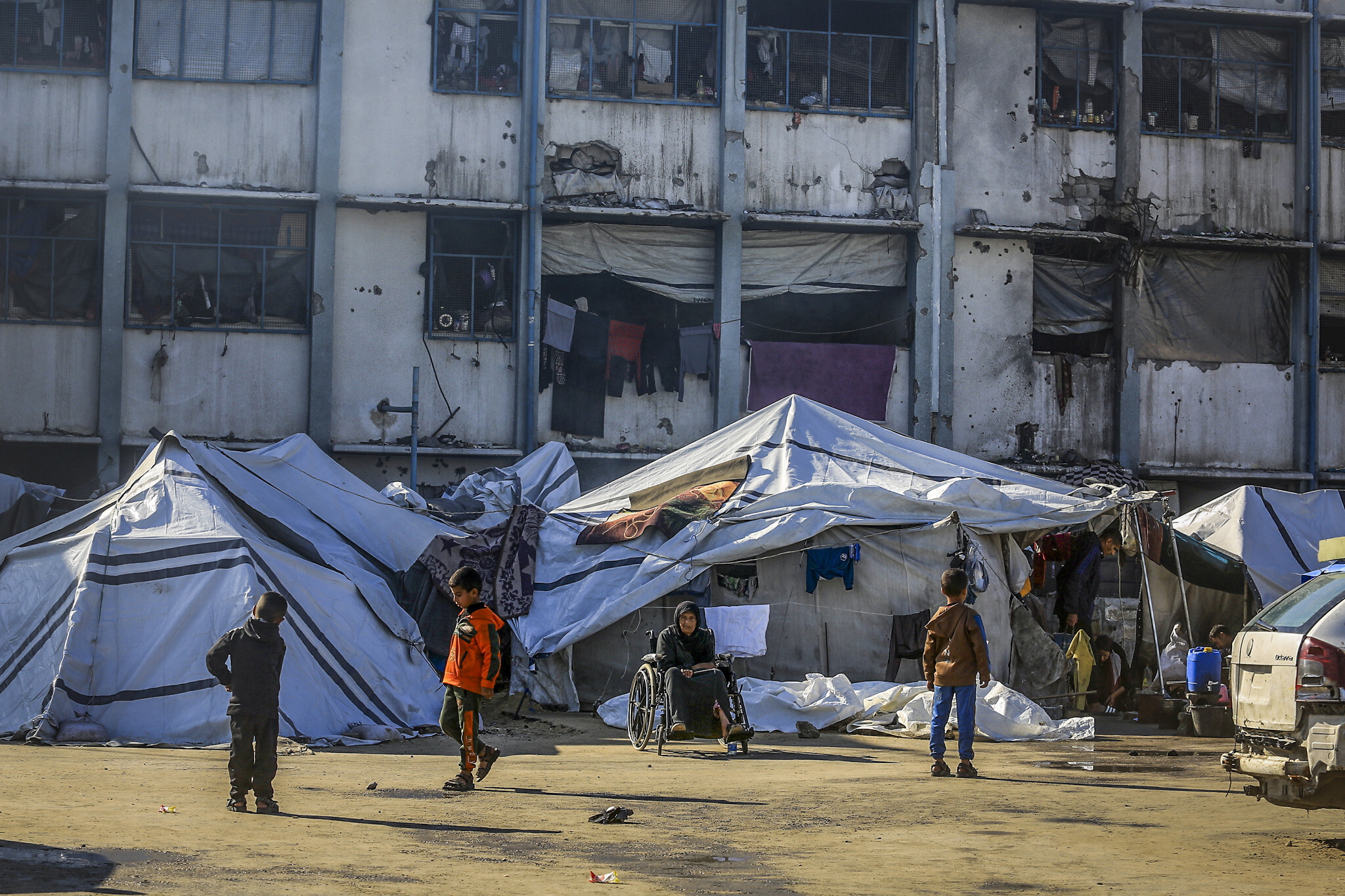
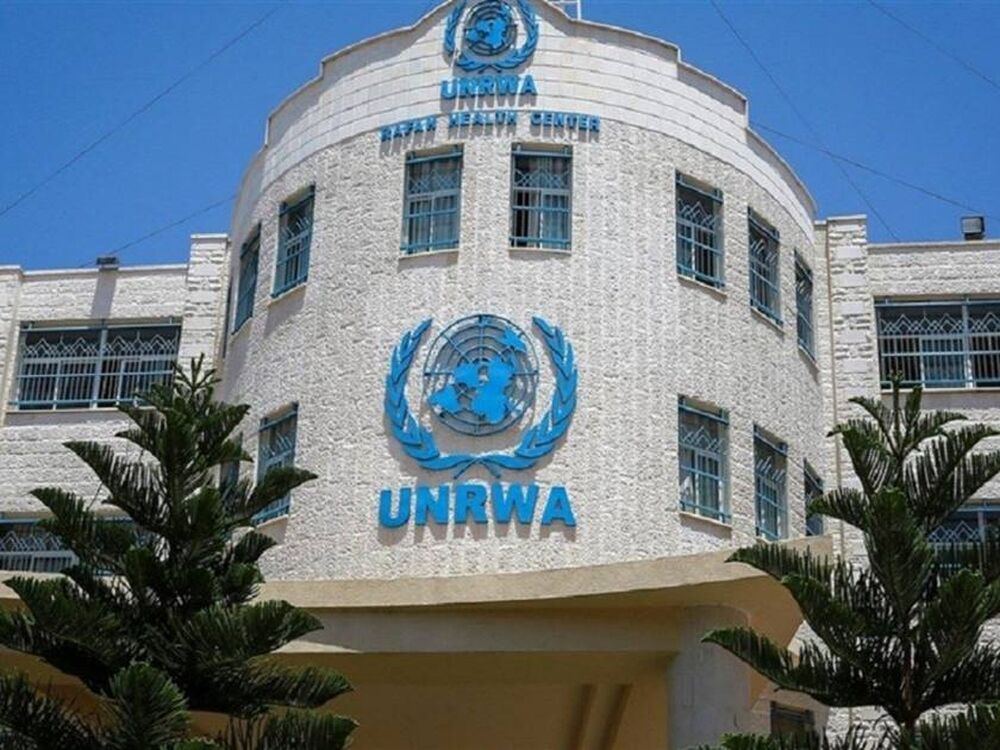
Geopolitical Risk Signaling: This action signals a profound transformation in how state actors might engage with international humanitarian organizations. The unprecedented move suggests that national security claims can be leveraged to fundamentally alter an agency's status, potentially creating a chilling effect for similar organizations operating in complex geopolitical environments. UNRWA's role in providing critical education and healthcare services to millions of Palestinians becomes dramatically more precarious, with potential long-term humanitarian consequences.
The confrontation reveals deeper tensions: Israel alleges Hamas infiltration within UNRWA's operations, while the agency vehemently contests these claims without substantive proof being publicly presented. This development exposes the increasingly thin line between humanitarian service and perceived security threats, where international organizations find themselves navigating increasingly treacherous diplomatic terrain.
The broader implication extends beyond this specific conflict: international aid organizations must now anticipate more aggressive legal and operational challenges when working in politically sensitive regions. Neutrality is no longer a guaranteed protective shield, but potentially a vulnerability to be strategically exploited by state actors pursuing specific geopolitical objectives.
问题 3
How might this action impact humanitarian services in the region?
The legal maneuver could significantly disrupt critical education and healthcare services for millions of Palestinians across the Middle East. It creates a precedent where humanitarian organizations might face increased legal and operational challenges in conflict zones.
What are the immediate implications of removing UNRWA's diplomatic immunity?
The removal allows Israeli courts to potentially take legal action against UNRWA, enables expropriation of agency offices, and bars Israeli companies from providing essential services like water and electricity. This effectively undermines UNRWA's operational capacity in contested territories.