


China's Economic Resilience Meets Strategic Transformation Amid Property Market Challenges
- Navigating Complex Market Dynamics for Cross-Border Sellers and Investors













)







概览
China's economic landscape is undergoing a profound metamorphosis, revealing a complex interplay between structural challenges and strategic reinvention. The prolonged property market downturn masks a deeper narrative of economic adaptation and technological ambition that demands nuanced understanding from international observers.
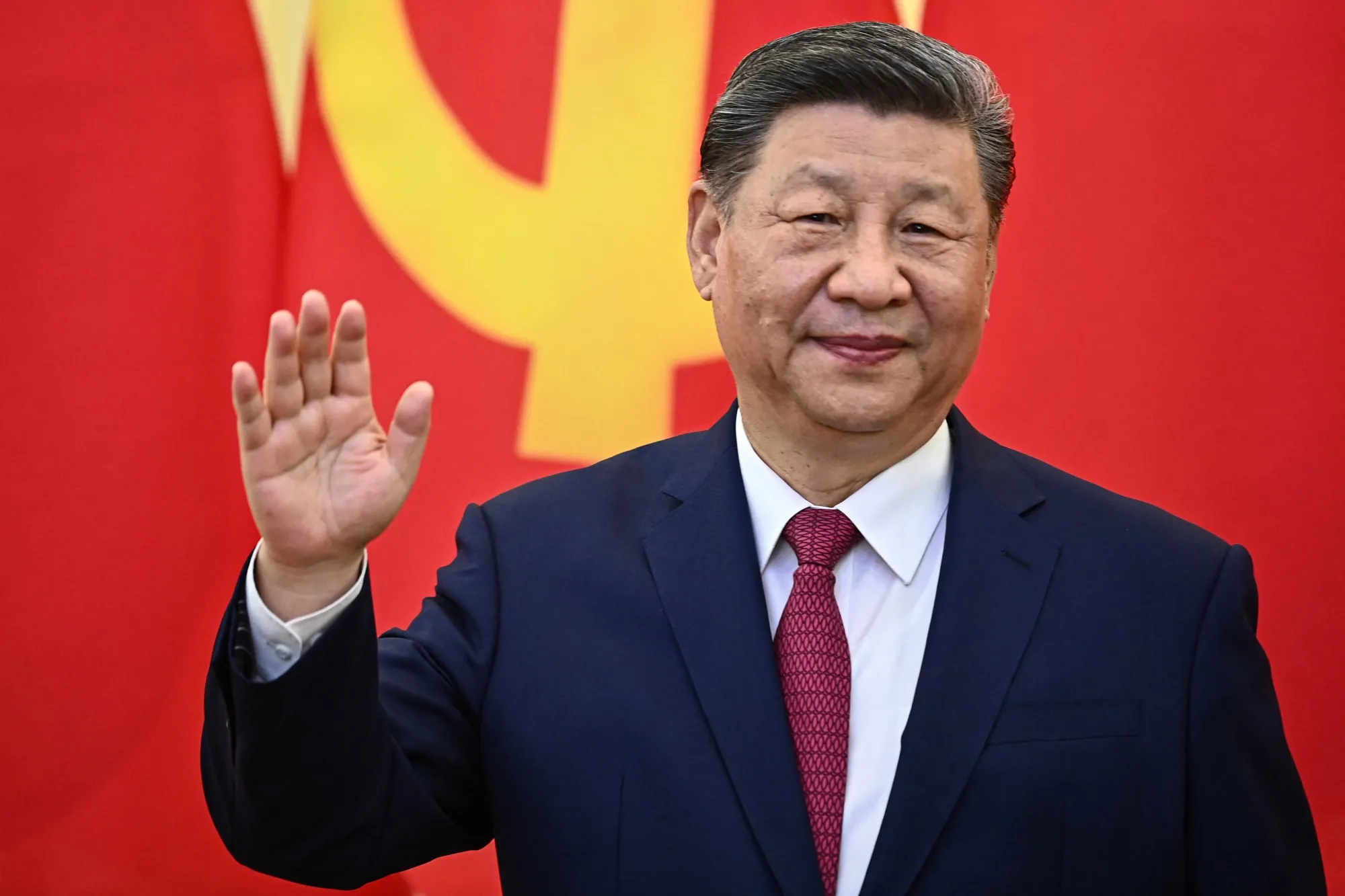
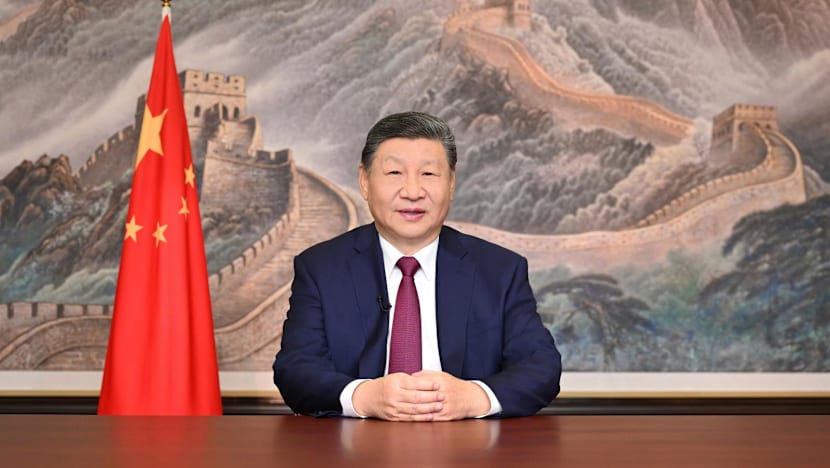
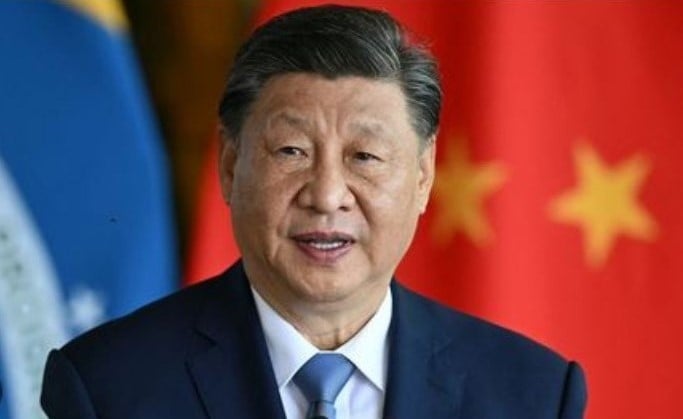
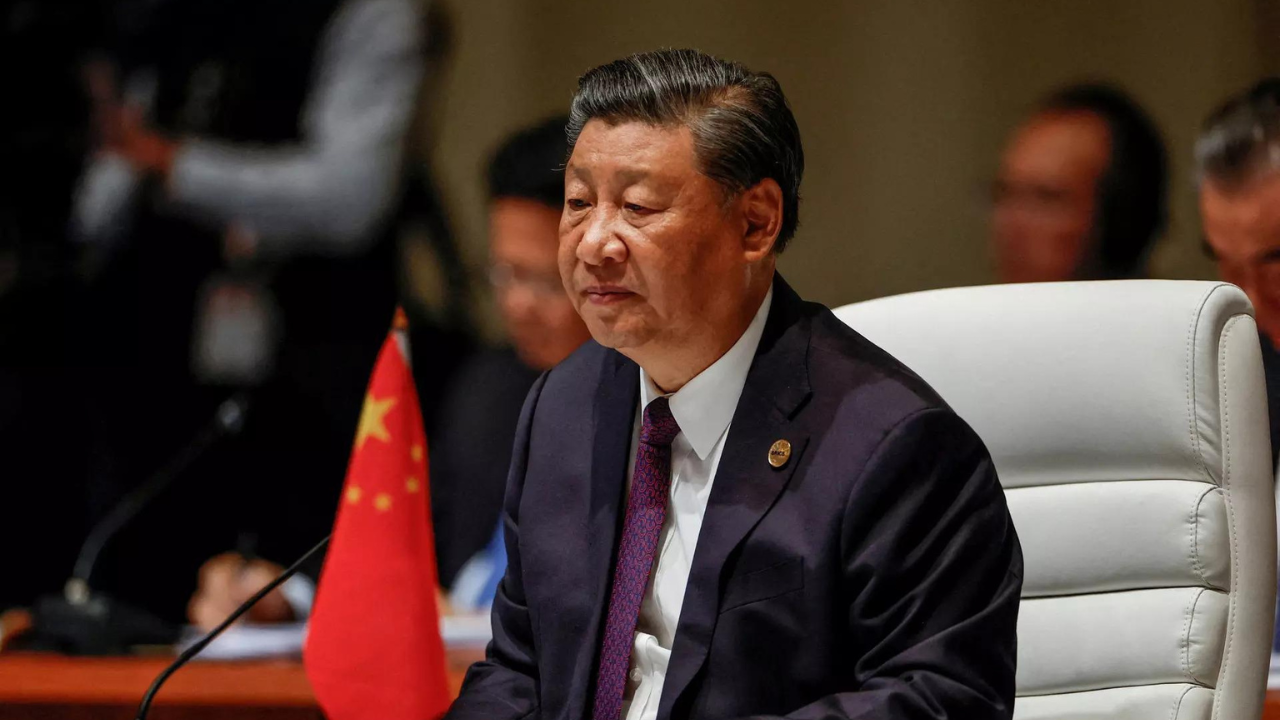
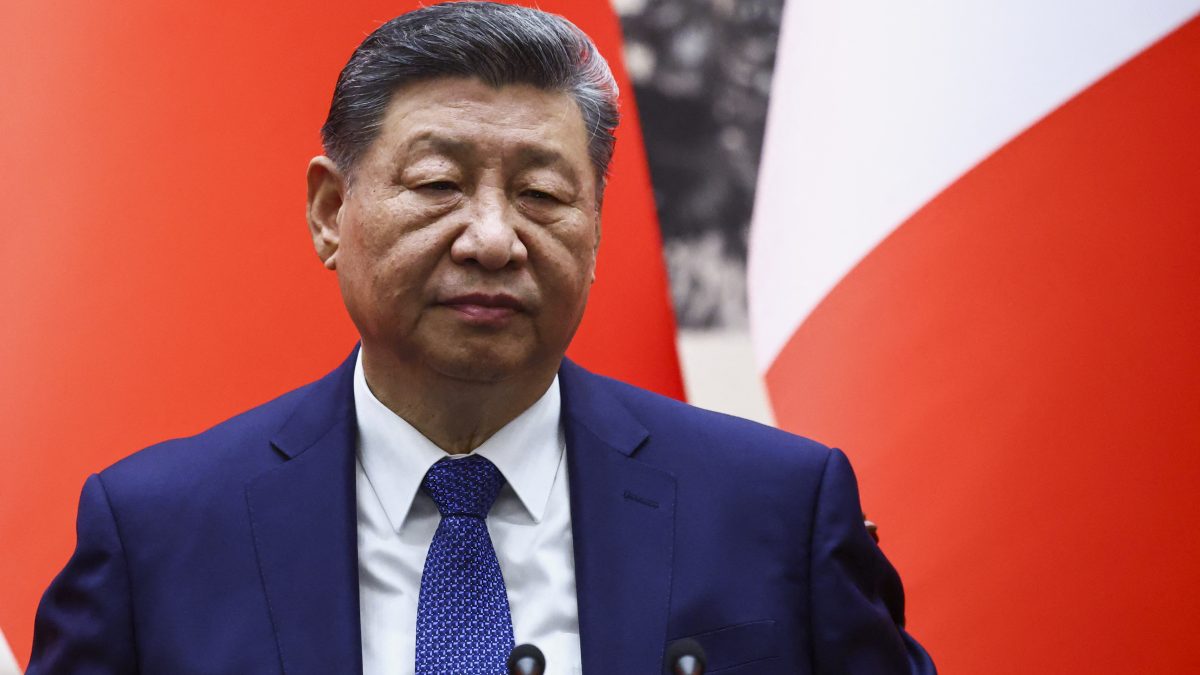
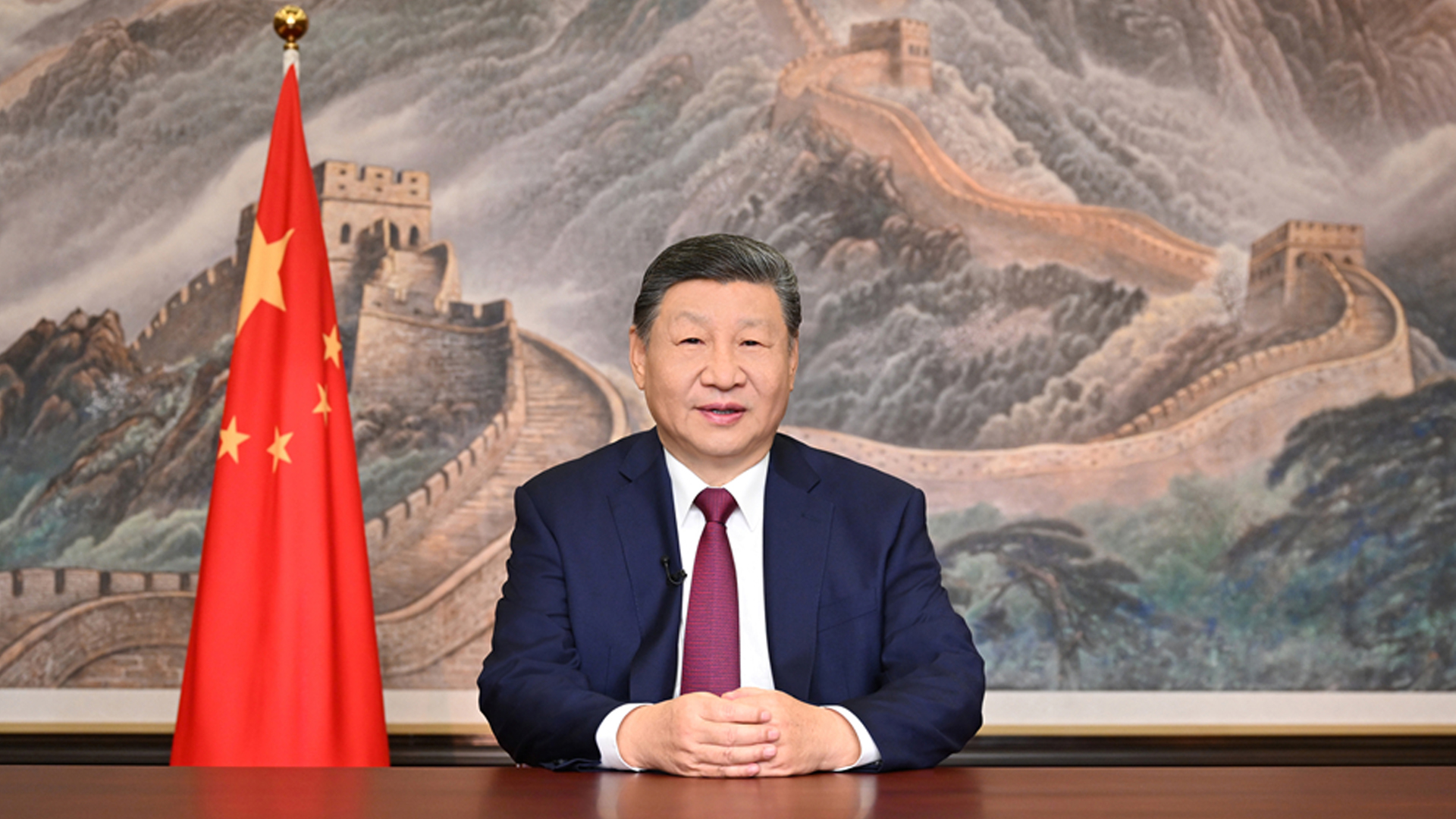
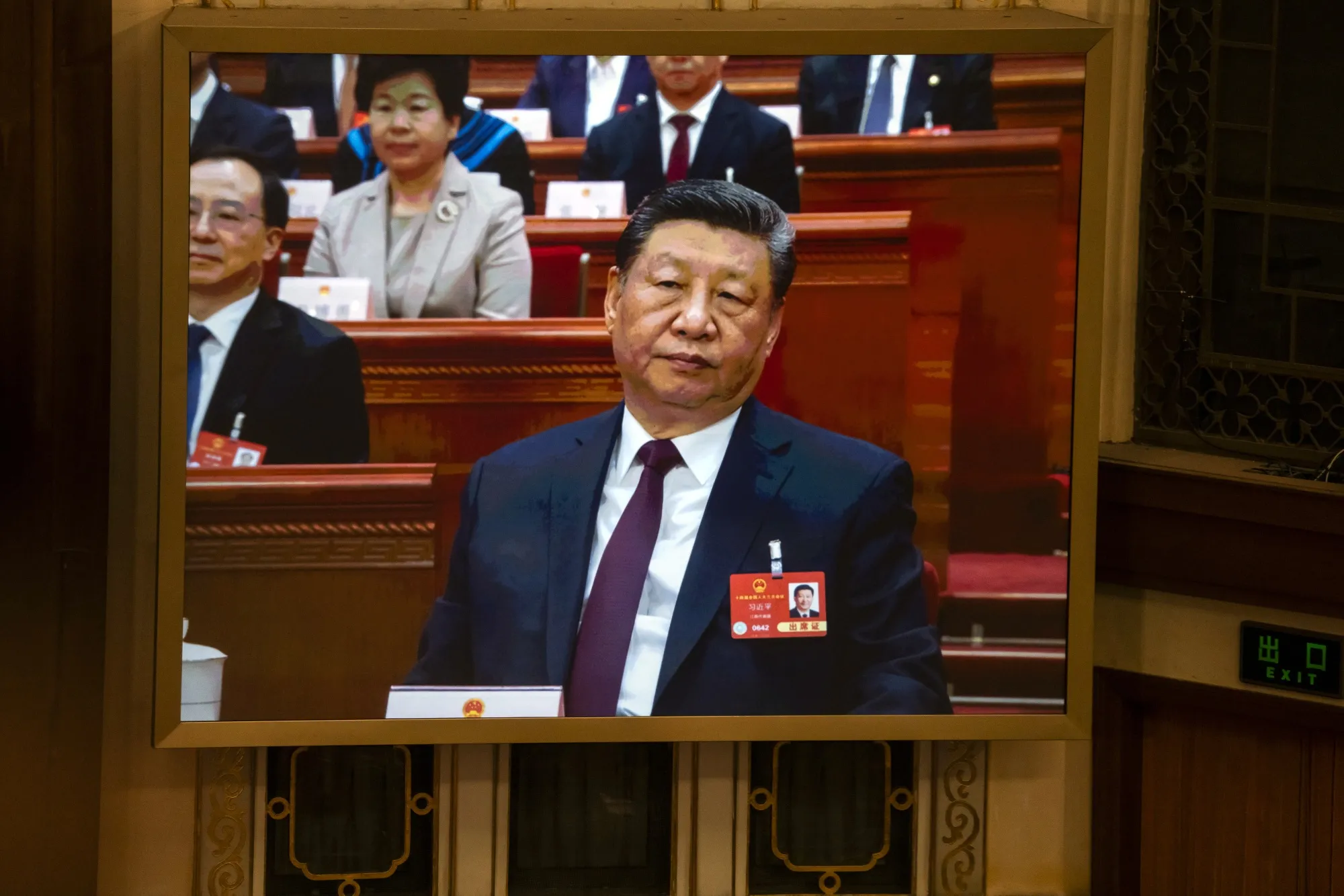
At the core of this transformation lies a strategic pivot away from traditional real estate-driven growth toward high-tech innovation and technological self-sufficiency. President Xi's New Year's address signals a critical inflection point, where China is deliberately repositioning its economic architecture. The property sector's ongoing challenges—potentially extending until 2030—are being counterbalanced by aggressive investments in semiconductor manufacturing, artificial intelligence, and advanced technological ecosystems.
The government's approach reveals a sophisticated strategy of perception management and economic recalibration. By restricting negative property market reporting and simultaneously emphasizing technological advancement, Beijing is crafting a narrative of controlled transformation. For cross-border e-commerce sellers and investors, this presents a nuanced opportunity landscape. The property market instability does not signify economic weakness but rather a deliberate structural reconfiguration.
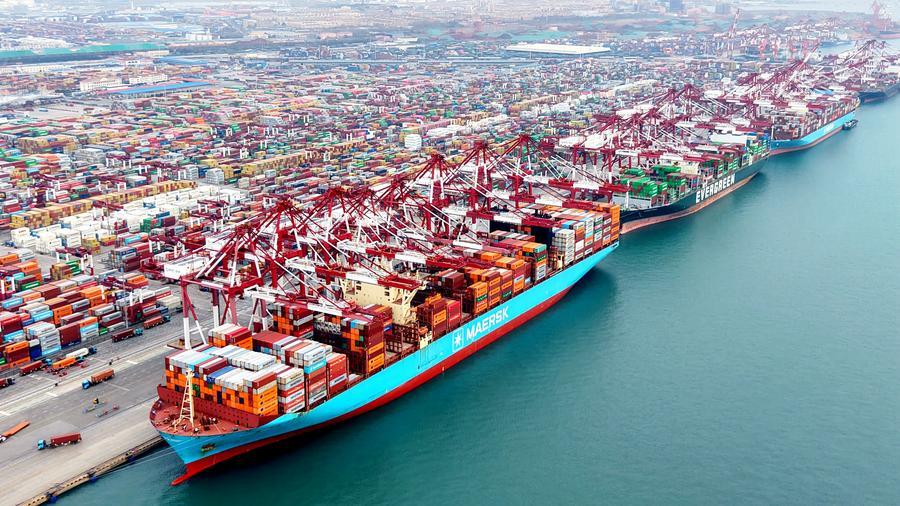
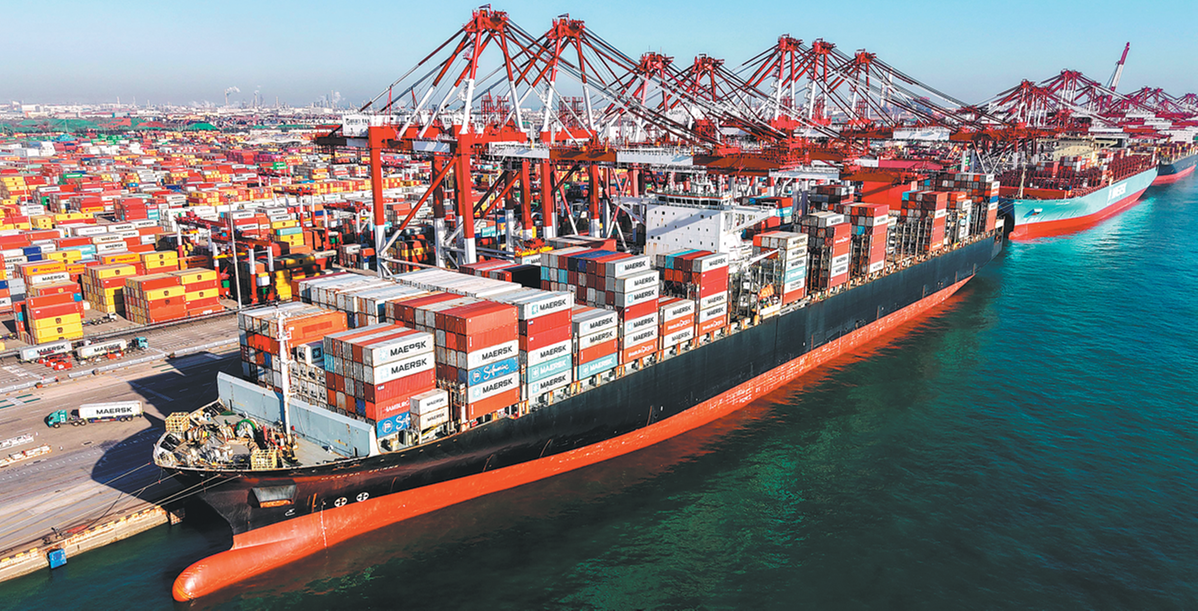
Key indicators suggest remarkable underlying resilience. Despite property sector challenges, manufacturing output remains sustained, and infrastructure investments continue. The government's targeted stimulus measures and monetary policies demonstrate a proactive approach to mitigating potential economic contraction. This resilience is not accidental but a result of strategic planning that prioritizes long-term technological competitiveness over short-term market stability.
International businesses must recognize that China is not retreating but strategically repositioning. The emphasis on technological self-sufficiency, particularly in semiconductors and AI, creates emerging supply chain opportunities. Cross-border sellers should view this period not as a risk environment, but as a dynamic market with evolving entry points and competitive landscapes.
问题 3
How is the Chinese government managing economic challenges?
Beijing is employing a multi-faceted approach: suppressing negative market narratives, implementing targeted stimulus measures, and aggressively investing in technological sectors like AI and semiconductor manufacturing to drive long-term economic transformation.
How will China's property market challenges impact cross-border e-commerce?
While the property market downturn might reduce consumer spending, it simultaneously creates opportunities for adaptive e-commerce sellers. Businesses that diversify product offerings and maintain flexible strategies can leverage China's ongoing technological transformation and emerging market segments.