


Tourism Safety Crisis Unfolds: Machu Picchu Train Collision Exposes Critical Infrastructure Vulnerabilities
- Rapid Emergency Response Highlights Resilience of Peru's Tourism Sector Amid Unexpected Challenges








概览
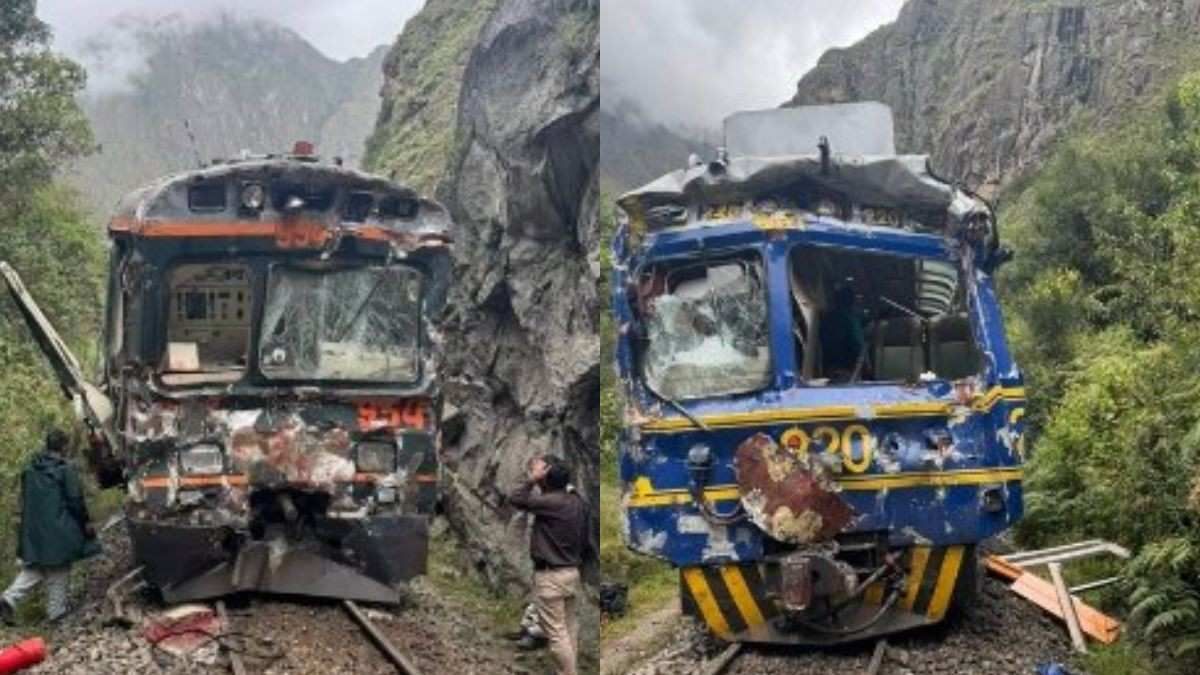
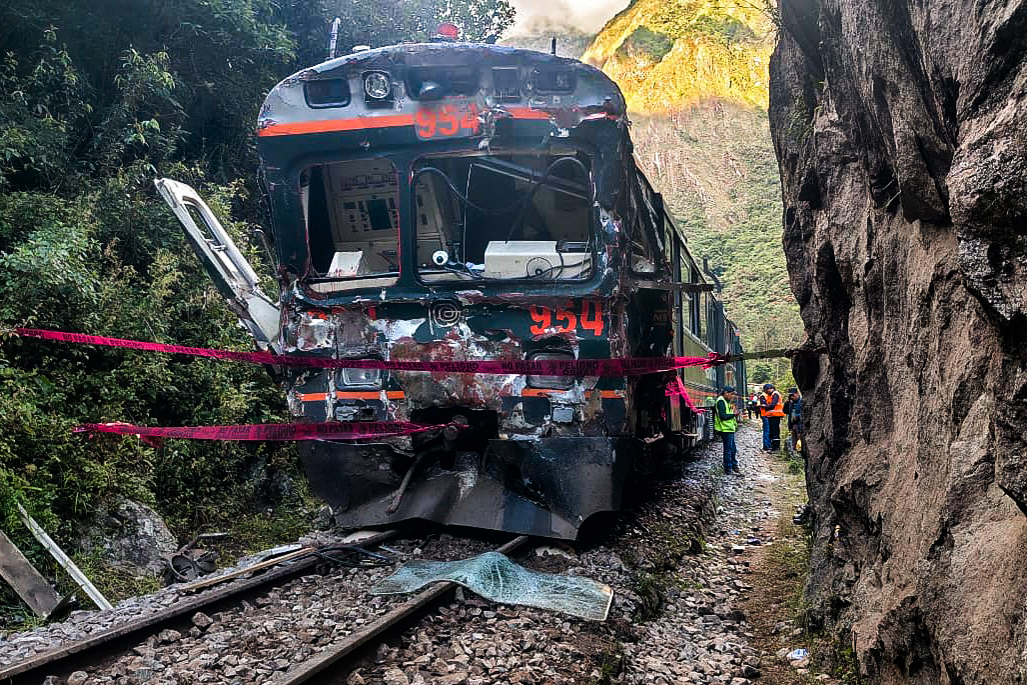
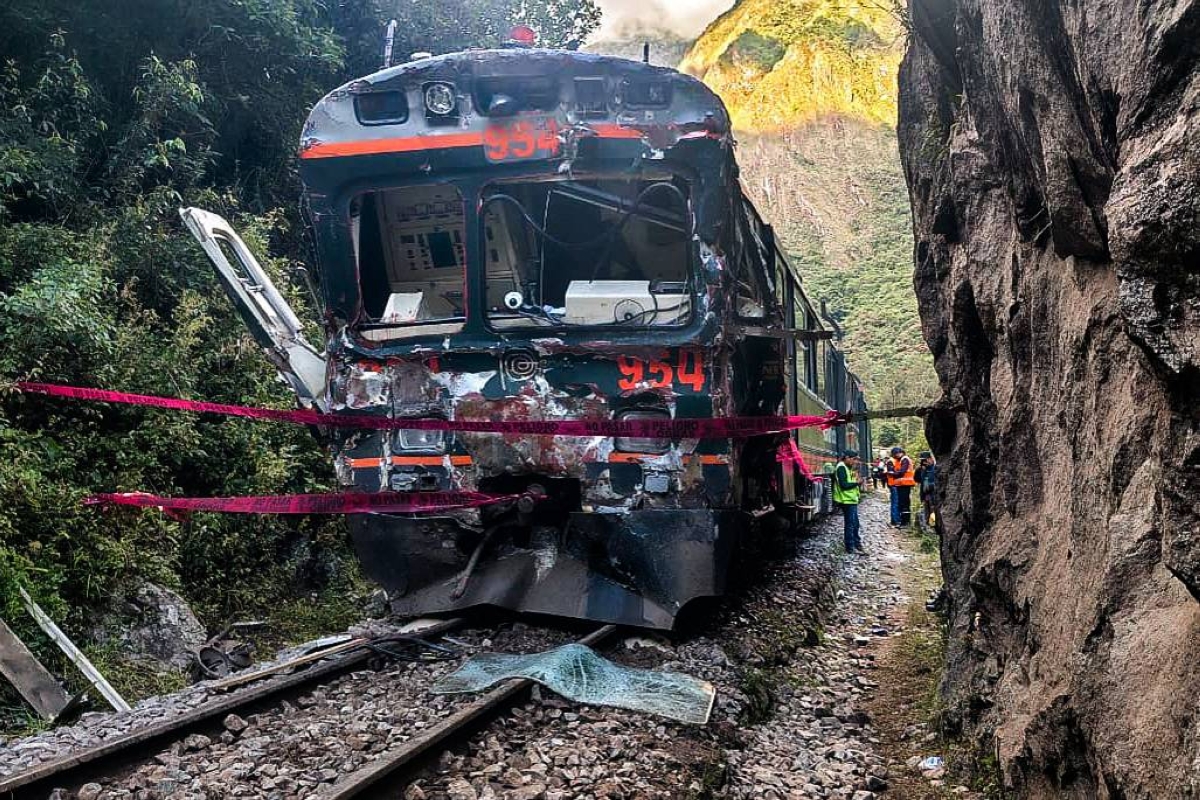
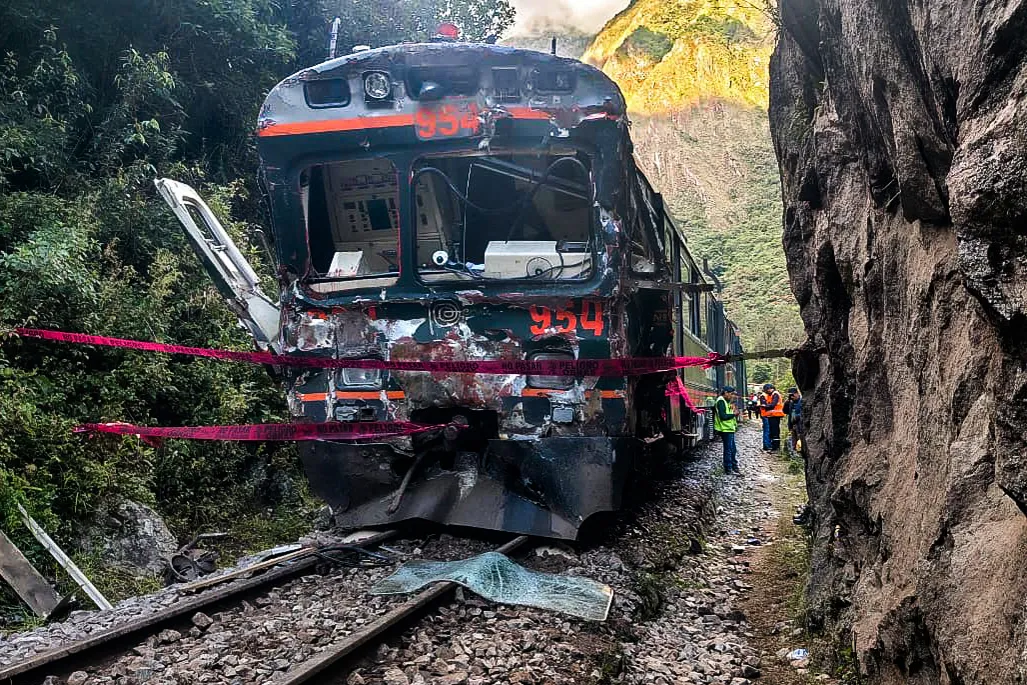
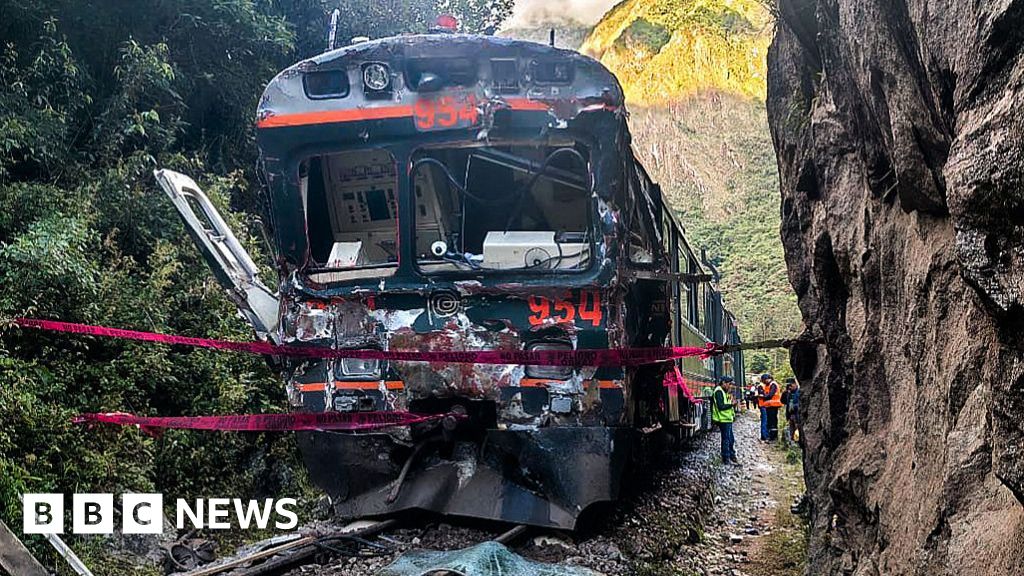
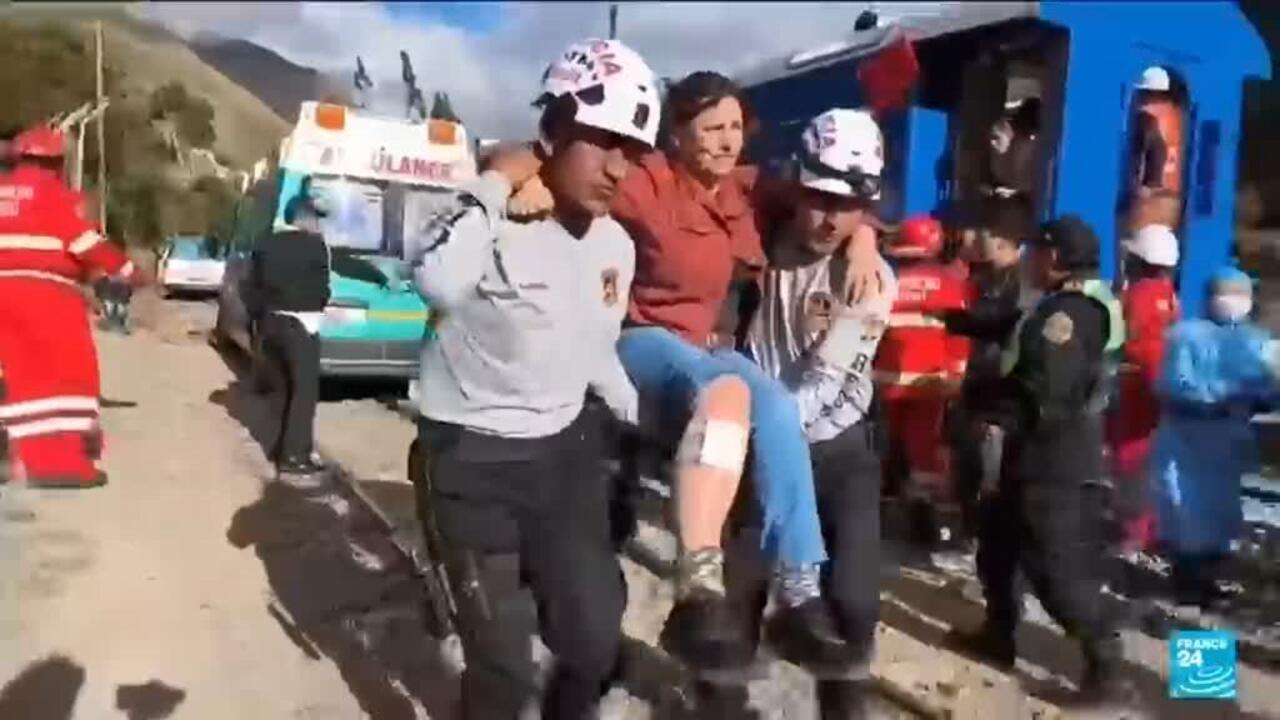
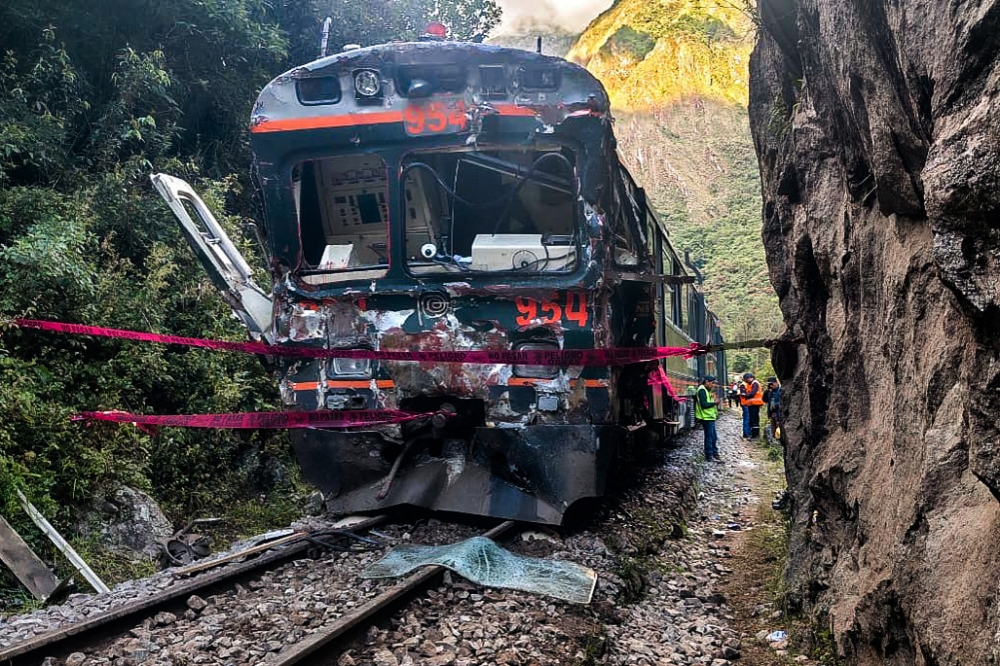
The tragic train collision near Machu Picchu on December 31, 2025, represents more than a singular transportation incident—it's a critical inflection point revealing the complex vulnerabilities inherent in tourism-dependent regional infrastructure. With one fatality and 40 injuries affecting both international and local populations, the event exposes the delicate balance between operational efficiency and safety in high-traffic tourist destinations.
Systemic Resilience in Crisis Management emerges as a key narrative from this incident. The immediate activation of the Tourist Protection Network by MINCETUR and the personal intervention of Peruvian President José Jerí demonstrate a sophisticated emergency response mechanism. The swift evacuation of approximately 1,300 foreign tourists and 700 Peruvian nationals, coupled with the rapid restoration of railway services by 5 a.m., showcases a remarkable organizational capacity to manage unexpected disruptions.
Geopolitical and Economic Implications extend beyond the immediate accident. The involvement of multiple American citizens, confirmed by the U.S. Embassy, introduces an international dimension to what might have been perceived as a local transportation issue. This incident underscores the interconnected nature of global tourism, where a single infrastructure failure can have cascading effects on international travel perceptions and economic flows.
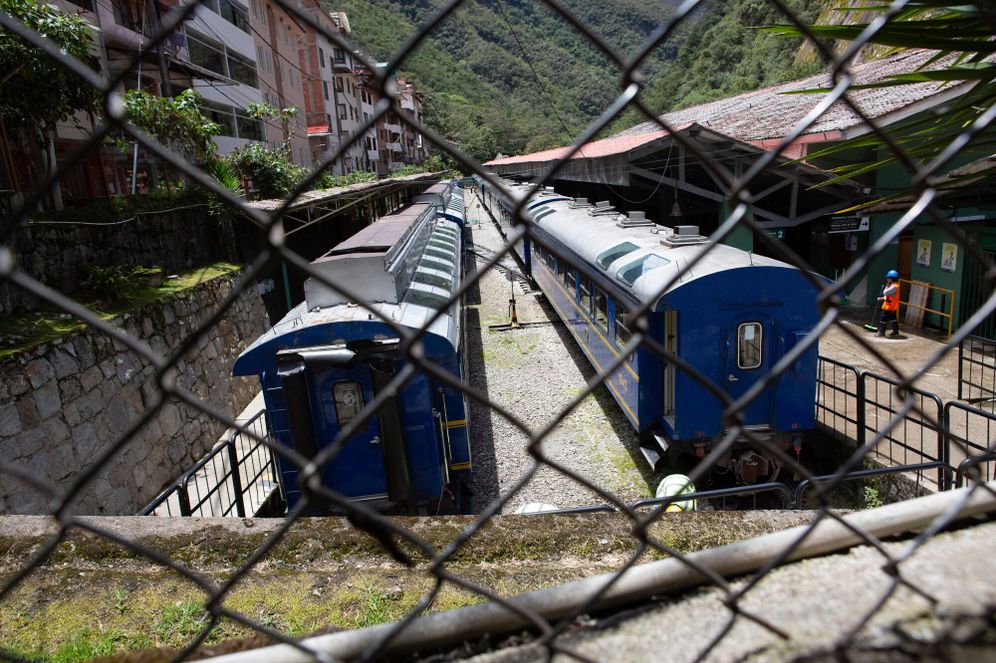
The collision's location—between Ollantaytambo and Aguas Calientes, gateway routes to the iconic Machu Picchu site—amplifies its strategic significance. With tourism representing a critical economic lifeline for Peru, such incidents potentially threaten not just immediate visitor safety but the long-term reputation of a world-renowned destination. The precise and coordinated response suggests a deep understanding of these high-stakes dynamics.
Critically, while the exact cause remains under investigation, the event highlights the urgent need for continuous infrastructure safety assessments, particularly in geographically complex regions where transportation networks navigate challenging terrains. The involvement of local authorities like Cuzco police captain Jhonathan Castillo Gonzalez indicates a multi-layered approach to understanding and preventing future incidents.
问题 3
What does the swift response reveal about Peru's emergency management capabilities?
The incident revealed a sophisticated multi-layered response system, including immediate activation of the Tourist Protection Network, personal intervention by the President, and coordinated evacuation efforts. This suggests Peru has developed robust emergency protocols specifically tailored to managing crises in high-stakes tourism regions.
What are the potential long-term implications for international travel perception of Machu Picchu?
While the immediate response was professional, the incident might trigger increased scrutiny of transportation safety in the region. The involvement of multiple international travelers, including Americans, could potentially influence global travel advisories and tourist confidence in the short to medium term.