


Germany's Strategic Pivot: Reshaping European Autonomy in a Fractured Global Order
- A transformative geopolitical recalibration challenging traditional international power dynamics











概览
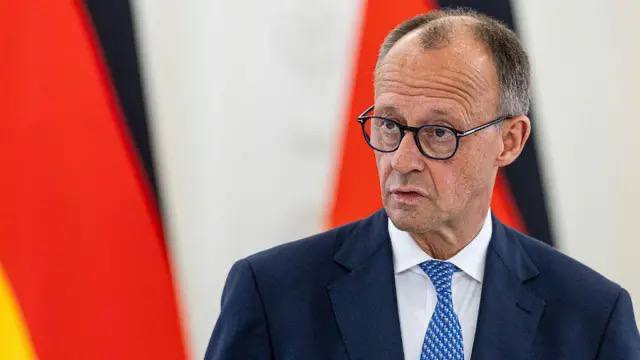
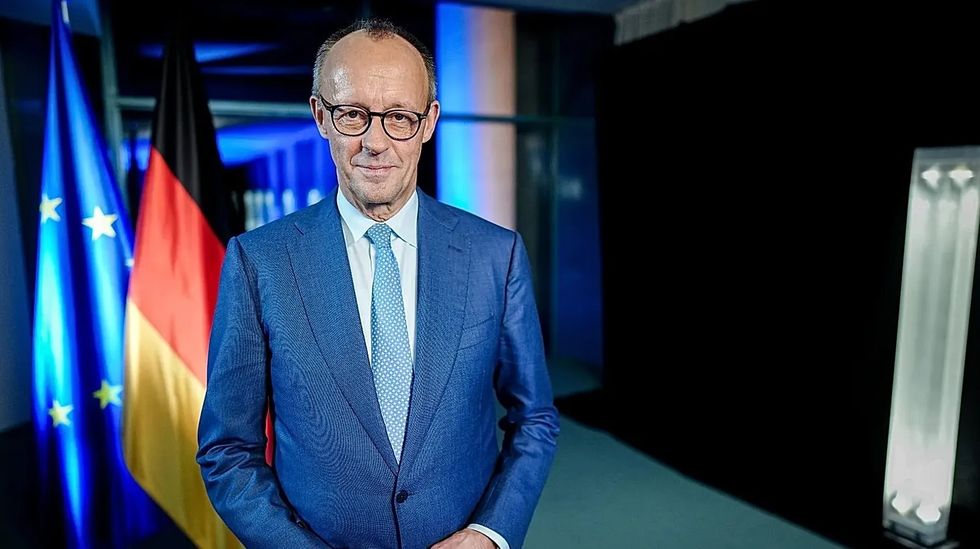
In a pivotal moment of global realignment, Germany is strategically repositioning itself as an autonomous geopolitical actor, signaling a profound shift away from decades of post-World War II international partnerships. The recent New Year's addresses by Chancellors Scholz and Merz reveal a critical inflection point where European strategic independence is no longer a theoretical concept, but an urgent operational imperative.
The core narrative emerging is one of strategic self-assertion. Germany is explicitly rejecting its historical role as a passive participant in global power structures, instead positioning itself as an active architect of its geopolitical destiny. This transformation is driven by three interconnected pressures: the ongoing Russian-Ukrainian conflict, evolving transatlantic relationships, and the need to develop independent economic and security infrastructures.
Economically, Germany is confronting significant challenges to its export-oriented model. The chancellors' messages suggest a strategic pivot towards reducing dependencies - particularly on China and the United States. By emphasizing European economic autonomy and preparing for potentially more volatile global trade environments, Germany is signaling a fundamental recalibration of its international engagement strategy.
The geopolitical implications are profound. With potential shifts in US-European partnerships and increasing global tensions, Germany is advocating for a more robust, self-reliant European approach. This includes increased defense spending, constitutional reforms to enable military funding, and a nuanced migration policy that balances humanitarian considerations with strategic national interests.
For international businesses and policymakers, these developments represent more than rhetorical posturing. They signal a structural transformation in how European economic and security strategies will be conceptualized and implemented. The message is clear: Germany intends to be a proactive shaper of its trajectory, not a passive recipient of global circumstances.
问题 3
What are the potential risks of Germany's new strategic positioning?
The primary risks include potential economic disruption during the transition, increased geopolitical tensions, and the challenge of developing robust independent defense and economic mechanisms. There's also a risk of creating new economic barriers while attempting to reduce existing dependencies.
What are the key drivers behind Germany's push for strategic autonomy?
Three primary factors are driving Germany's strategic autonomy: ongoing Russian aggression in Ukraine, evolving and potentially unreliable transatlantic partnerships with the US, and the need to reduce economic dependencies on global powers like China. These pressures are compelling Germany to develop more independent economic and security infrastructures.