

College Football's Strategic Showdown: Michigan vs Texas in the 2025 Citrus Bowl Reveals Emerging Talent Dynamics
- Coaching Transitions and Young Quarterback Performances Reshape Collegiate Athletic Narratives





!role~Preview!mt~photo!fmt~JPEG%20Baseline)






概览
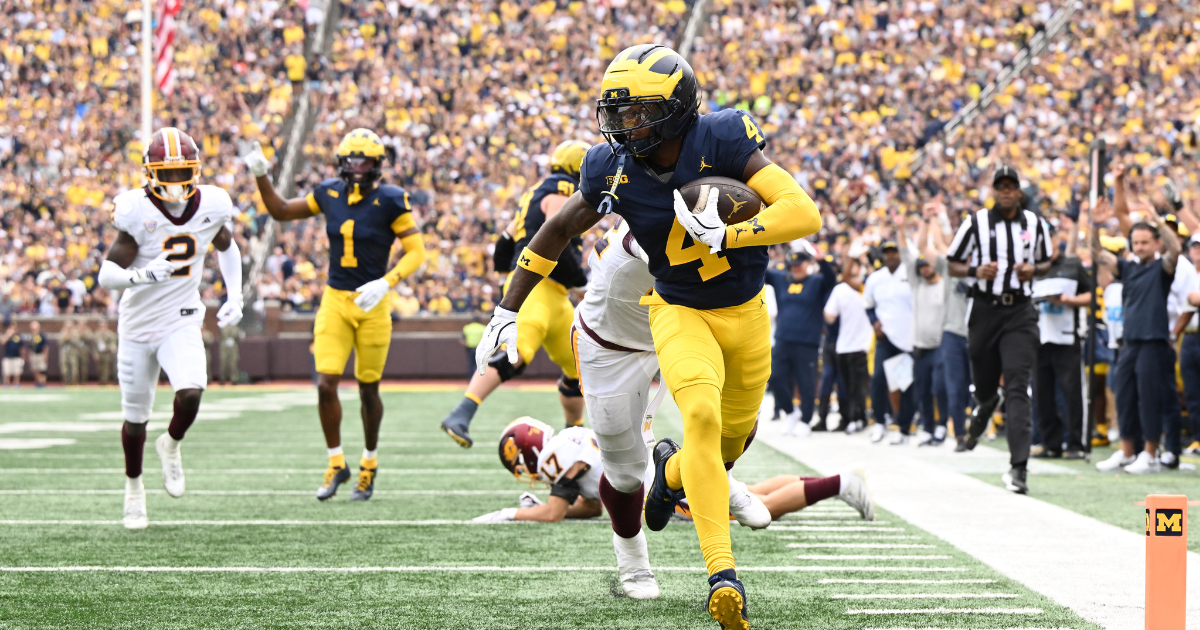
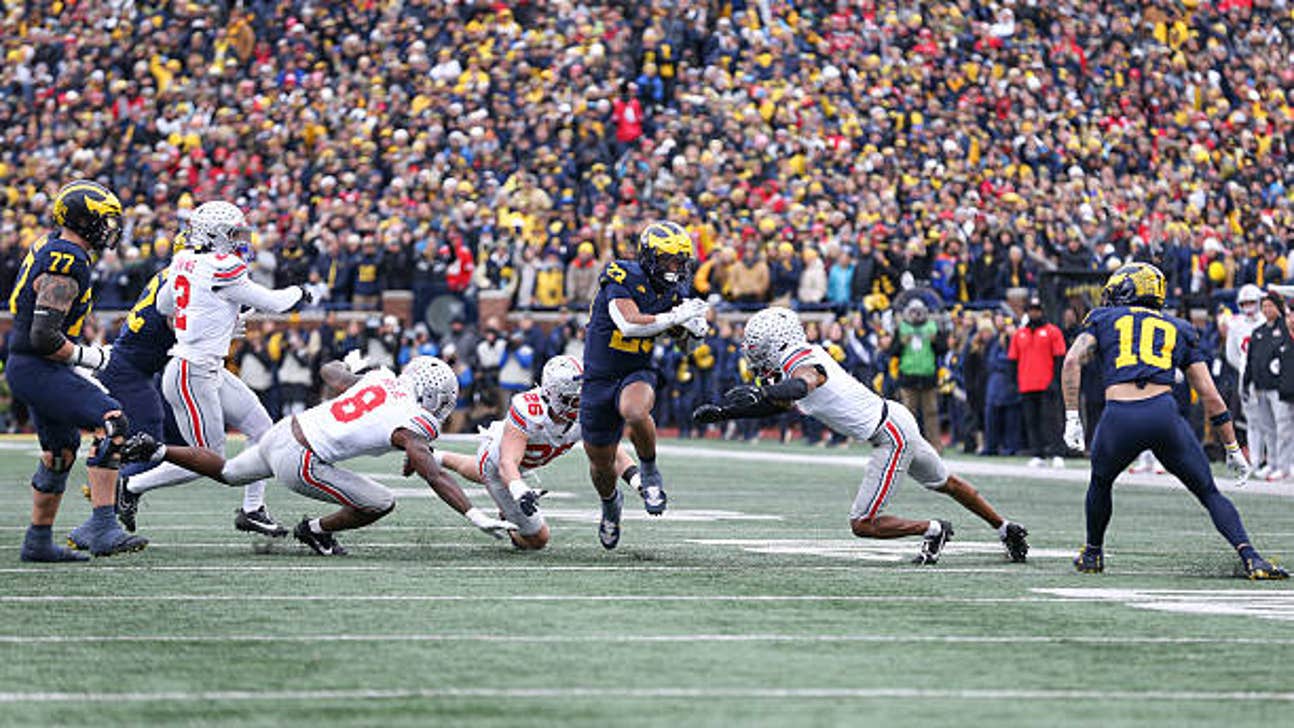
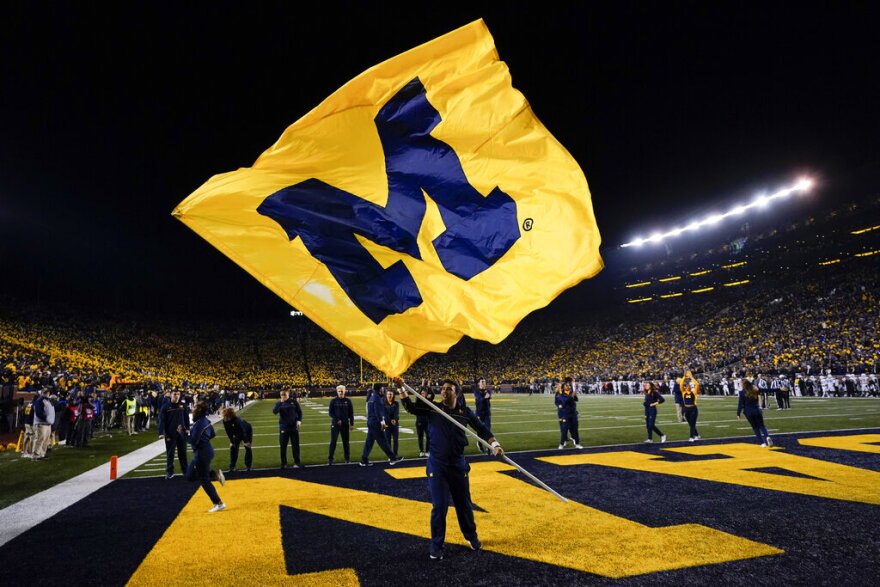
The 2025 Citrus Bowl represents more than a mere football match—it's a pivotal moment showcasing the evolving landscape of collegiate athletics, where coaching transitions and emerging talent are fundamentally reshaping competitive dynamics. With Texas and Michigan facing off on December 31st in Orlando, the game emerges as a critical inflection point for two programs navigating significant transformational periods.
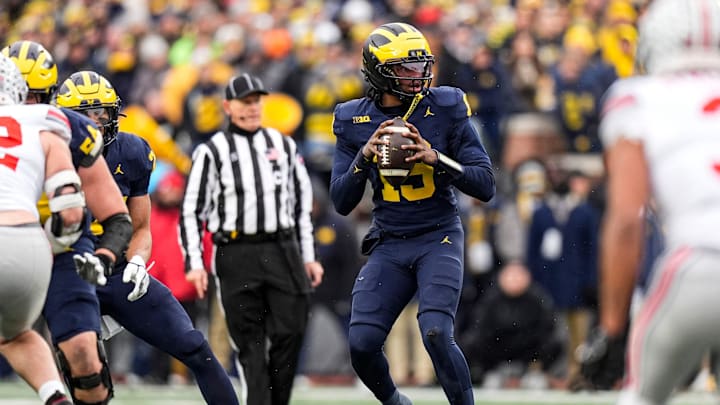
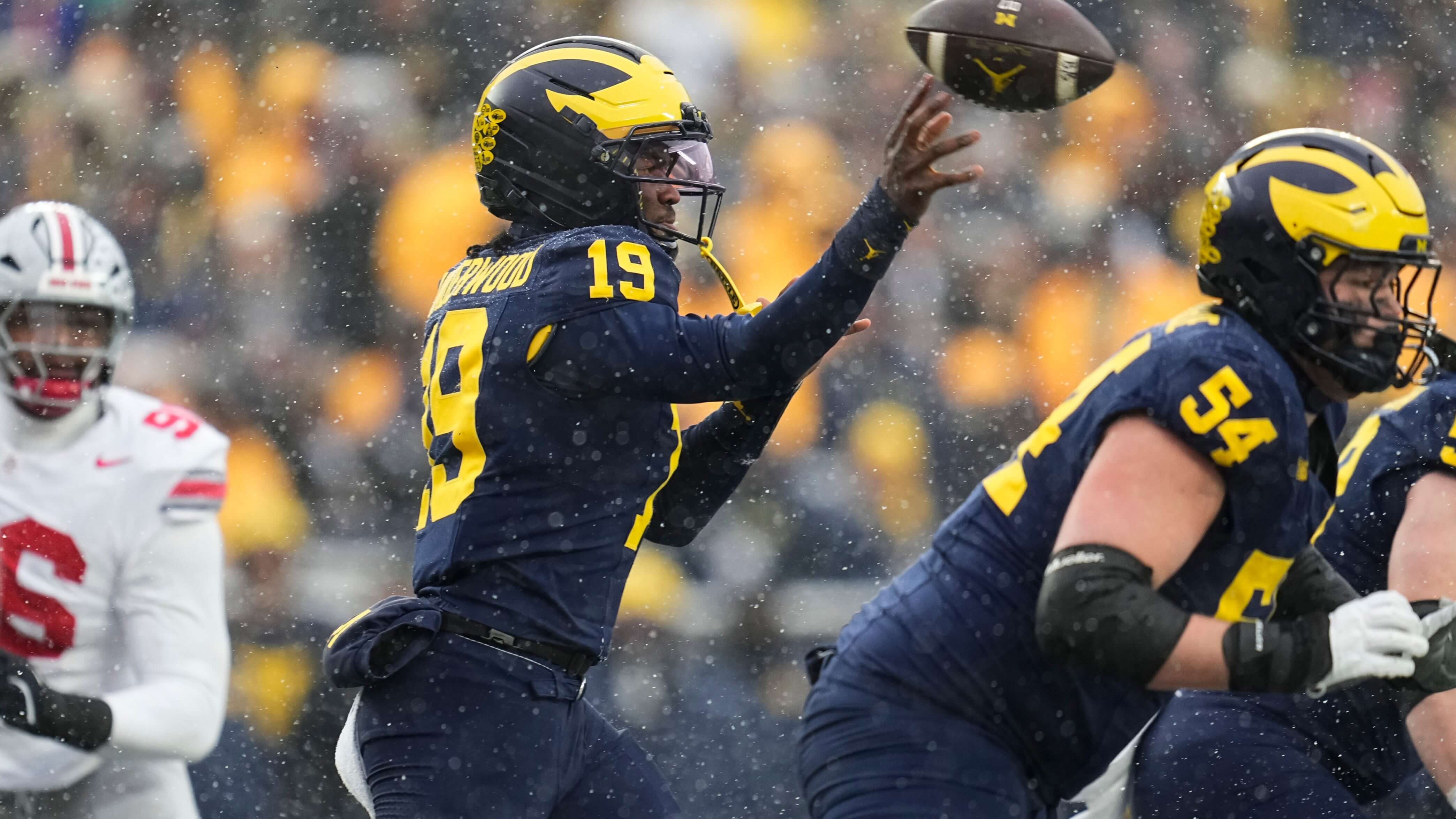
Strategic Talent Evaluation takes center stage, particularly with young quarterbacks Arch Manning (Texas) and Bryce Underwood (Michigan) representing the next generation of collegiate athletic leadership. Manning's impressive 2,942 passing yards with 24 touchdowns contrasts with Underwood's more conservative 2,229 yards and 9 touchdowns, highlighting the nuanced performance metrics that will likely influence both teams' strategic approaches.
The game's deeper significance lies in its timing—coinciding with Michigan's coaching transition under Kyle Whittingham. Beat writers from Detroit Free Press and Longhorns Wire unanimously predict a Texas victory, with projected scores ranging from 24-31 points for Texas against Michigan's 17-23 points. This prediction isn't just about game-day performance but represents a broader assessment of organizational resilience and adaptive capacity.
Texas enters with a mixed 2025 season performance, ranking 73rd in total offense and 38th in total defense. Michigan counters with a robust defensive unit, ranking 22nd in total yards allowed. These statistical nuances reveal a complex competitive landscape where raw performance metrics intersect with strategic innovation and leadership potential.
The Citrus Bowl thus transcends a traditional sporting event, serving as a microcosm of contemporary collegiate athletics—characterized by rapid player movements, strategic coaching transitions, and the increasing importance of young talent in determining institutional success.
问题 3
What implications does this game have for future collegiate football strategies?
The Citrus Bowl underscores the increasing importance of young talent, coaching flexibility, and performance adaptability. It demonstrates how institutional success now depends more on strategic innovation and leadership potential rather than traditional performance metrics.
How do the team performances compare heading into the Citrus Bowl?
Texas enters with a mixed season performance (73rd in total offense, 38th in defense), while Michigan boasts a strong defensive unit (22nd in yards allowed). Quarterback statistics also differ, with Arch Manning showing more prolific passing numbers compared to Bryce Underwood.