
Natural Gas Market Volatility: A Strategic Crossroads for Energy Traders and Supply Chain Managers
- Navigating Unpredictable Energy Markets and Their Global Supply Chain Implications















概览
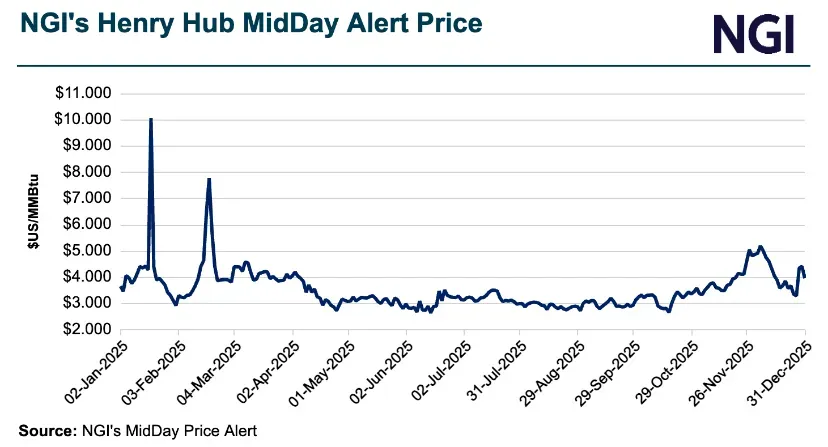
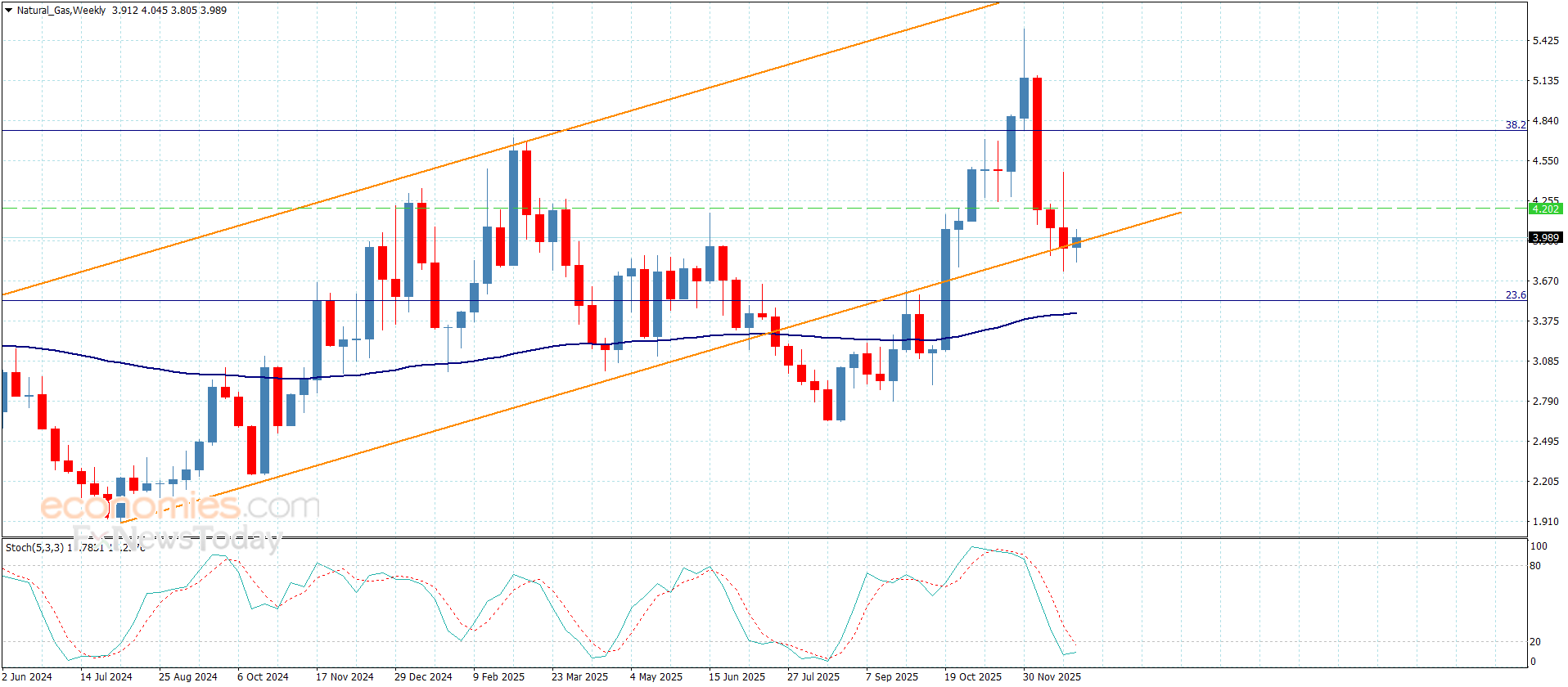
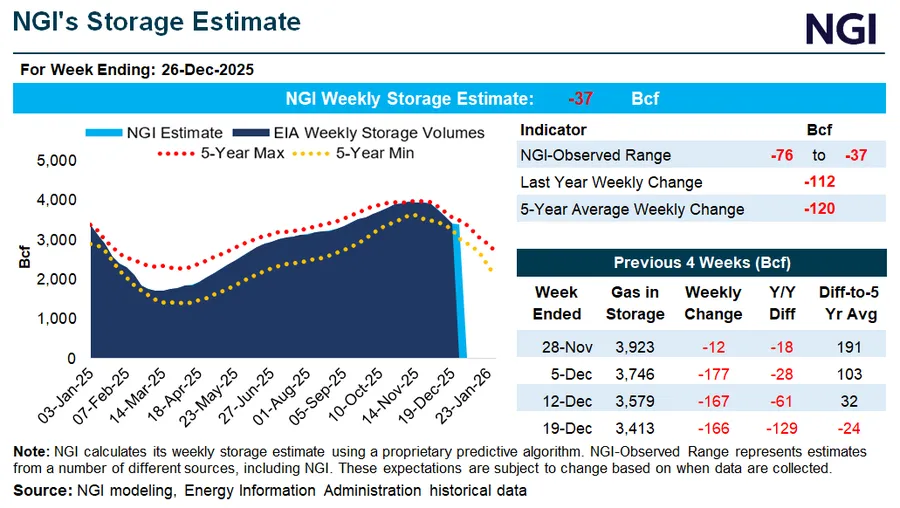
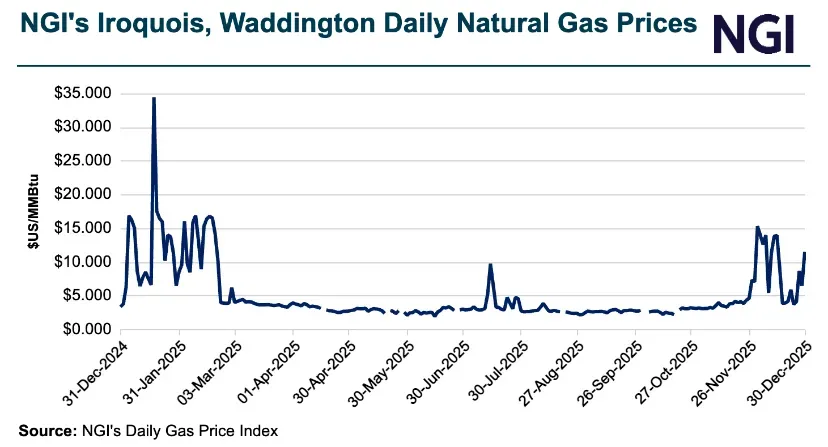
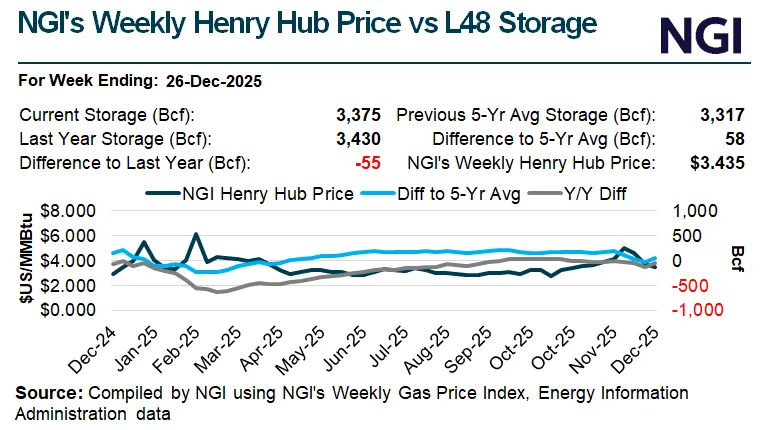
The natural gas futures market is entering a period of unprecedented complexity, characterized by volatile pricing dynamics that demand sophisticated strategic navigation. With natural gas inventories peaking at 3.960 trillion cubic feet in November 2025—slightly below 2024 levels but above 2018 figures—the market reveals a nuanced landscape of supply and demand challenges.
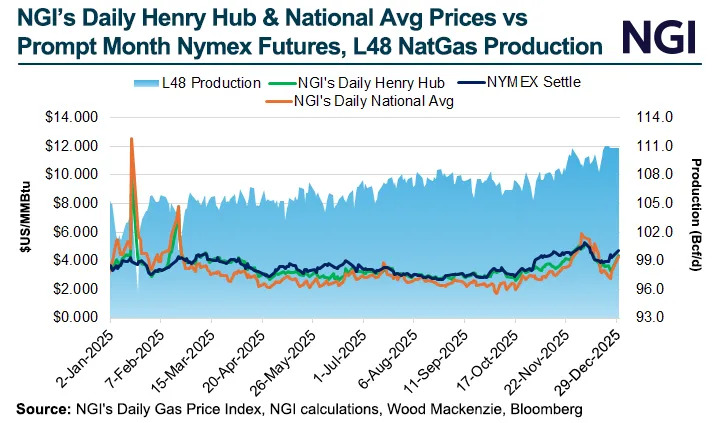
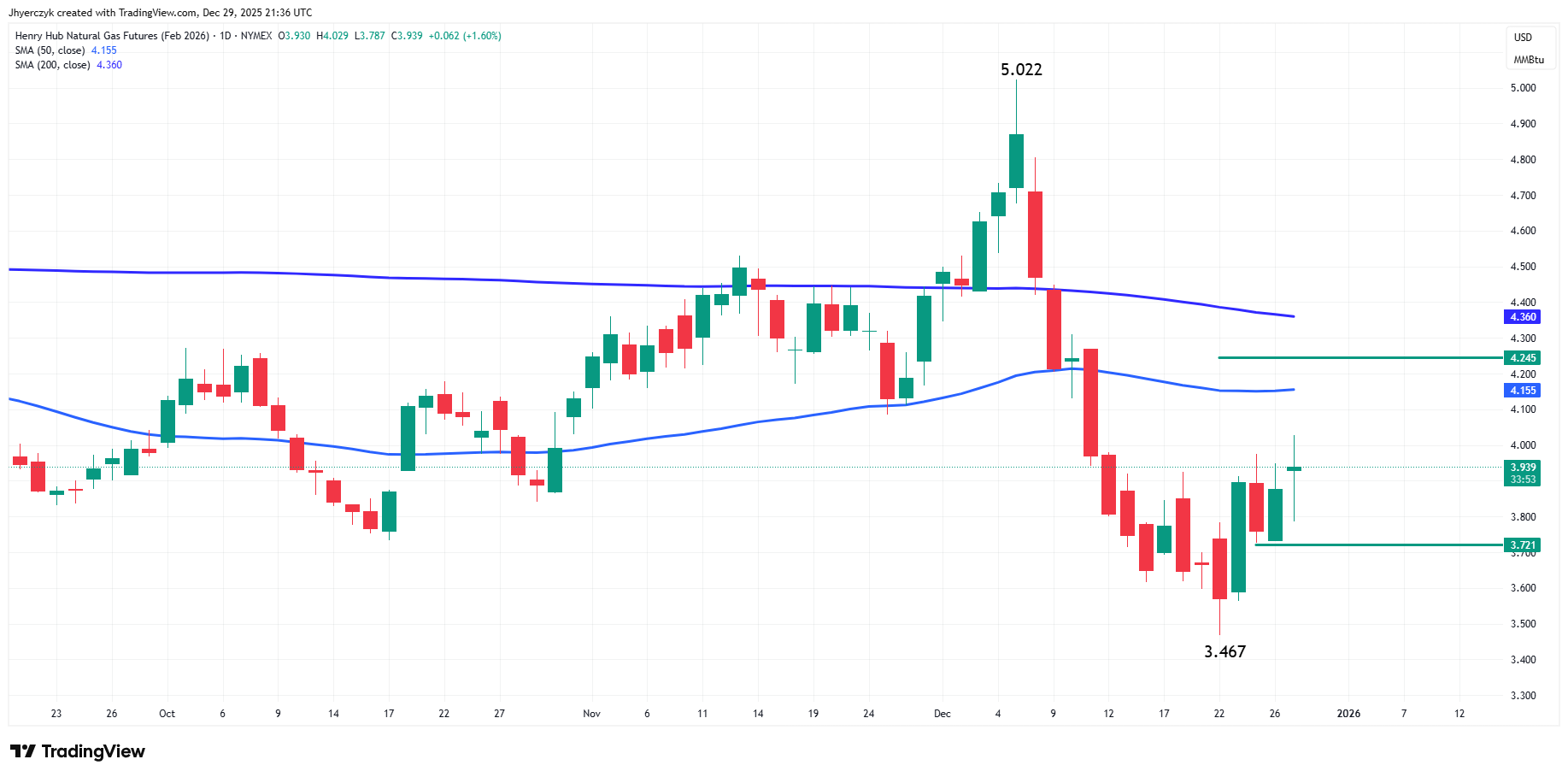
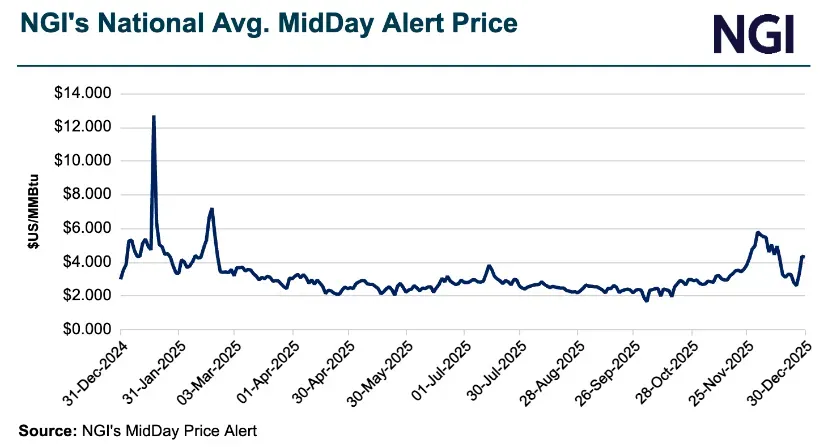
Demand drivers are emerging from multiple fronts, creating a multifaceted pricing environment. Expanding LNG exports and rising electricity consumption driven by AI technologies are generating unexpected market pressures. The February futures contract demonstrated remarkable sensitivity, trading above $4 per mmBtu and responding dramatically to temperature projections, with heating requirements approaching 40 Bcfd and LNG feedgas maintaining near-record levels.
The market's volatility is particularly pronounced in its temperature-driven dynamics. Analysts from Gelber Associates and EBW Analytics highlight a complex January 2026 temperature pattern—beginning mild but transitioning to sharply colder conditions mid-month. This intricate weather relationship creates a pricing mechanism that is hyper-responsive to incremental atmospheric changes.
For cross-border supply chain managers and energy traders, these fluctuations represent both a significant challenge and a strategic opportunity. Shipping expenses, fuel surcharges, and overall operational costs are directly impacted by these natural gas market movements. The Nymex natural gas futures, which settled at 3.686 mmBtu, reflect a market that demands continuous monitoring and adaptive strategies.
The Energy Information Administration's (EIA) projections further underscore the market's delicate balance. An anticipated below-average withdrawal of approximately 46 Bcf suggests potential inventory stabilization, which could moderate price pressures. However, the ongoing volatility demands a proactive approach to risk management and strategic planning.
问题 3
How should energy traders approach the current natural gas market?
Traders must adopt adaptive strategies focused on continuous market intelligence. This includes closely monitoring EIA storage reports, tracking temperature forecasts, and developing flexible risk management approaches that can respond to the market's high volatility.
What are the key demand drivers for natural gas in early 2026?
Two primary demand drivers emerge: expanding LNG exports and rising electricity consumption from AI technologies. Heating requirements approaching 40 Bcfd and near-record LNG feedgas levels create a complex market with high sensitivity to incremental changes.