
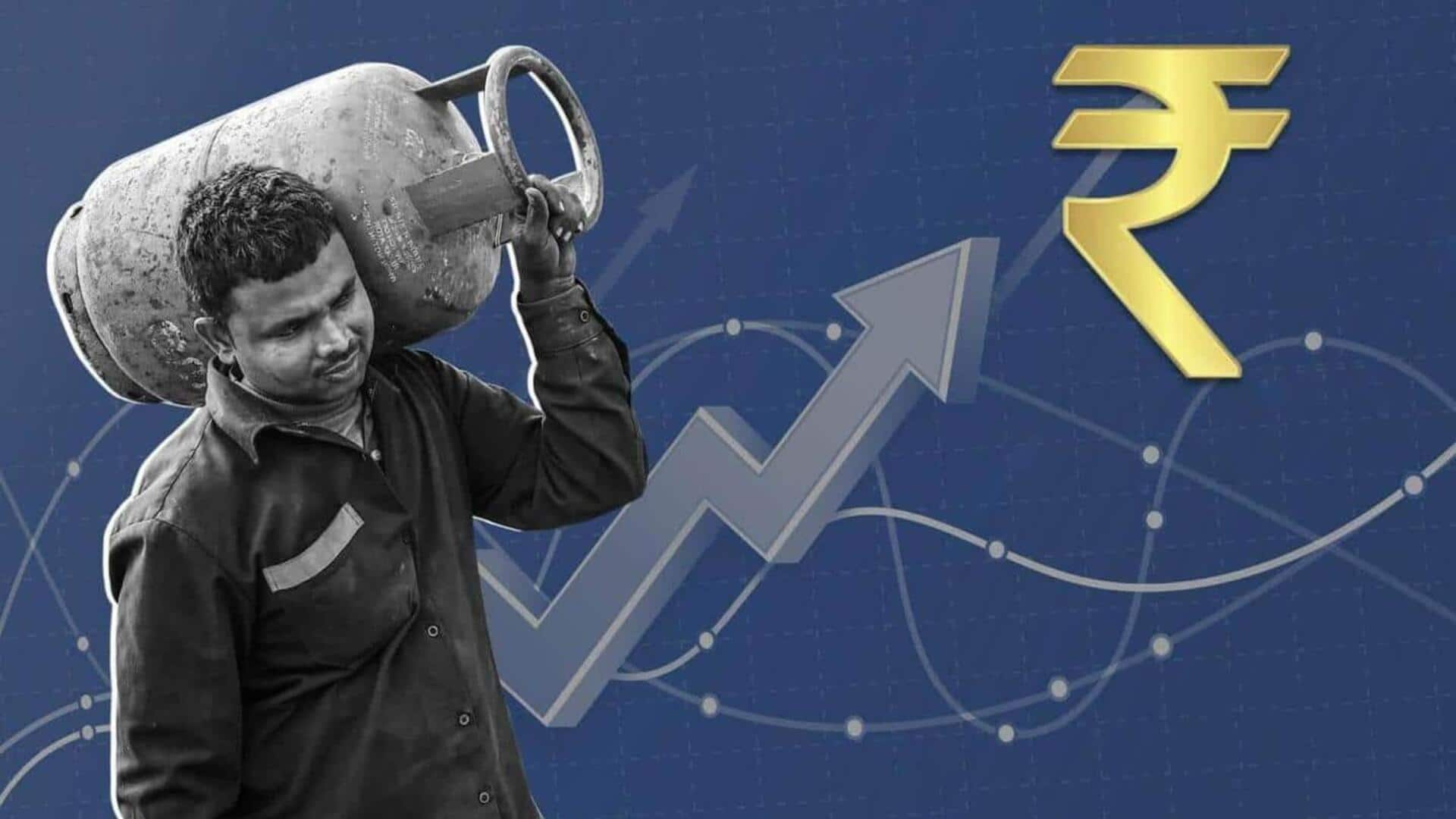
Commercial Fuel Price Dynamics Reshape Business Cost Strategies in India
- LPG Price Surge Signals Critical Supply Chain Adaptation for Commercial Sectors
概览
The recent commercial LPG cylinder price increase in India represents a pivotal moment for supply chain management, revealing the intricate dynamics of operational cost structures and strategic adaptation. With a ₹111 price surge pushing a 19kg commercial LPG cylinder in Delhi to ₹1,691.5, businesses are confronting a critical inflection point in their fuel procurement strategies.
Strategic Cost Implications emerge as multiple sectors dependent on commercial LPG—including hospitality, restaurants, and small businesses—must now recalibrate their operational economics. The price adjustment isn't merely a numerical change but a systemic signal requiring comprehensive supply chain redesign. Companies operating in India will need to implement sophisticated cost management approaches, potentially exploring alternative fuel sources, optimizing consumption patterns, and developing more resilient procurement models.
The complex pricing mechanism underlying this increase—involving Import Parity Price (IPP), international fuel dynamics, currency exchange rates, and local taxation—demonstrates the multifaceted nature of modern supply chain vulnerabilities. For cross-border e-commerce sellers and businesses, this represents more than a simple cost increase; it's a strategic inflection point demanding nuanced operational recalibration.
Critically, while commercial sectors face increased expenses, the unchanged domestic LPG rates suggest a deliberate economic balancing mechanism. This indicates policymakers are attempting to create a buffer zone that protects broader economic stability while signaling market-driven adjustments to commercial entities. Supply chain professionals must view this not as a singular event, but as part of a broader ecosystem of economic signaling and adaptive capacity.
The key takeaway is clear: resilient supply chains are no longer about minimizing costs, but about developing adaptive mechanisms that can rapidly respond to complex, interconnected economic variables. Businesses must transform these challenges into opportunities for strategic reimagination of their operational frameworks.
问题 3
What strategic responses can businesses implement to manage rising fuel costs?
Businesses can develop multi-pronged strategies including fuel efficiency improvements, exploring alternative energy sources, negotiating long-term supply contracts, and implementing more sophisticated cost allocation and management techniques.
How will the LPG price increase impact commercial businesses in India?
Commercial businesses will face immediate pressure to absorb or pass on increased fuel costs. Sectors like hospitality and catering will need to either adjust pricing, optimize fuel consumption, or explore alternative energy sources to maintain profitability.