

Japan's Toilet Diplomacy Reveals Deep Gender Infrastructure Gaps
- A Symbolic Battle for Workplace Equality in Japanese Political Institutions





)




概览
In a remarkable demonstration of institutional gender dynamics, Japanese female lawmakers have transformed a seemingly mundane infrastructure issue into a powerful metaphor for systemic inequality. The parliamentary toilet shortage represents far more than a logistical challenge—it's a tangible manifestation of deeply entrenched gender disparities within Japan's political ecosystem.
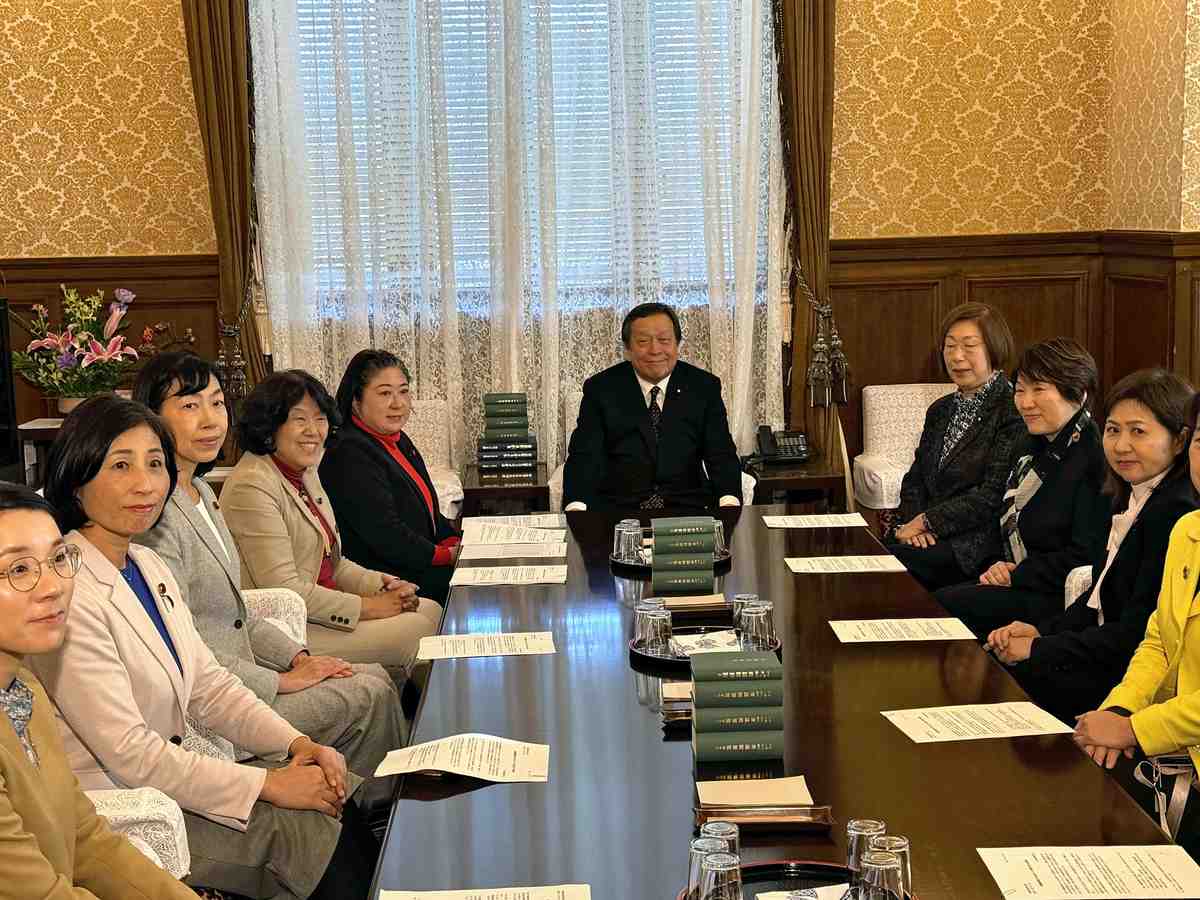
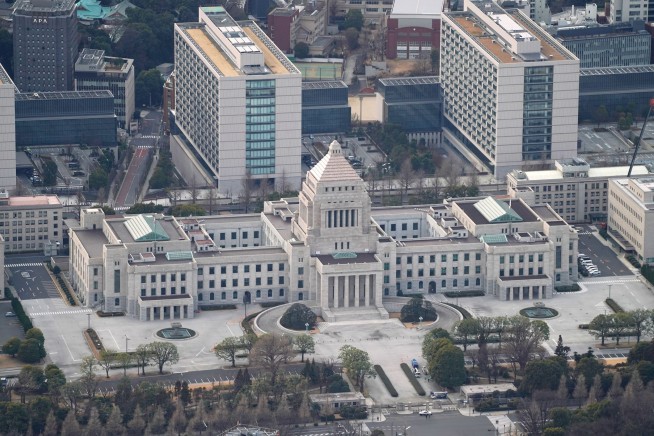
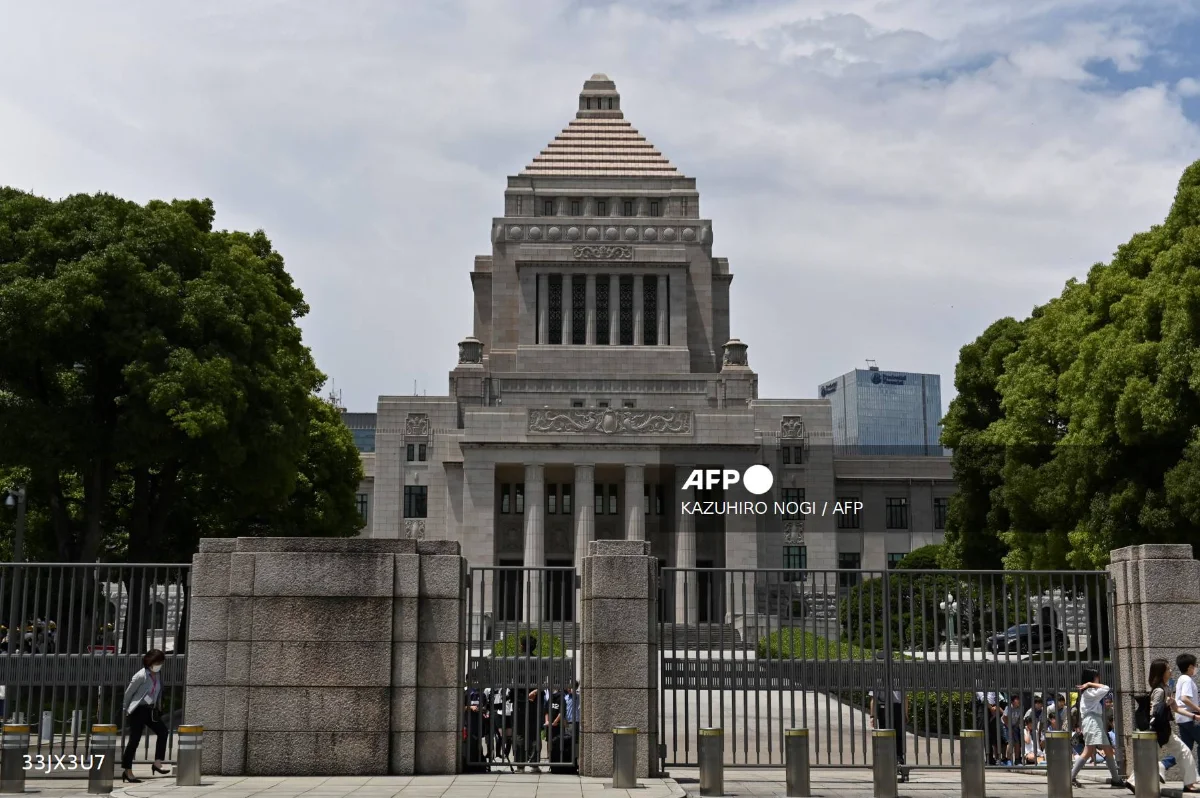
Infrastructural Inequality as Political Symbolism: Currently, 73 female lawmakers share just two toilet stalls in the Lower House, while male representatives enjoy 12 toilets with 67 stalls. This stark numerical disparity is not merely an administrative oversight but a profound symbol of historical exclusion. The National Diet building, constructed in 1936 before women's suffrage, physically embodies the structural barriers that have long prevented women's full political participation.
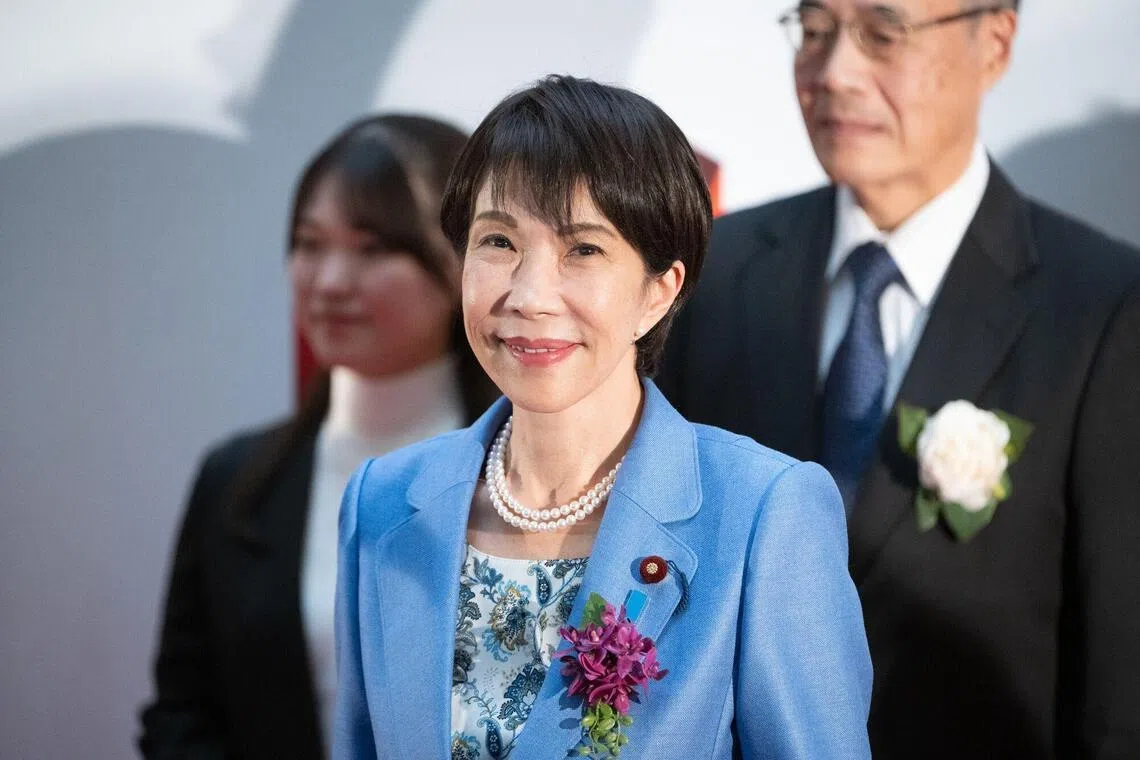
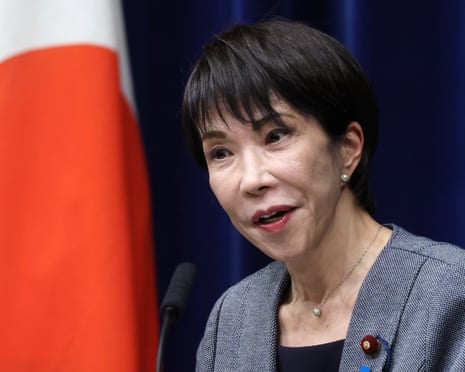
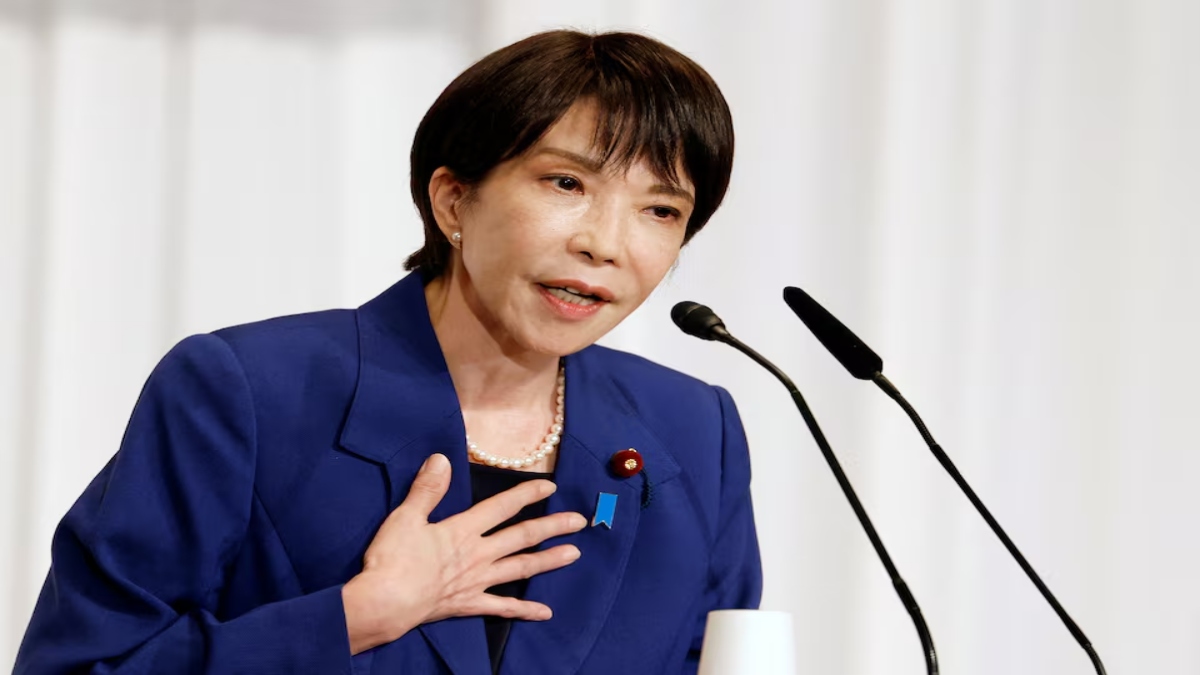
Quantitative Evidence of Systemic Challenges: Japan's gender representation remains critically low, ranking 118th out of 148 countries in the World Economic Forum's Global Gender Gap Report. Women occupy a mere 15.4% of parliamentary seats—72 out of 465 in the Lower House and 74 of 248 in the Upper House. The toilet facility petition, signed by 58 women lawmakers including Prime Minister Sanae Takaichi, transforms a basic infrastructure issue into a strategic statement about institutional recognition and respect.
Cross-Party Momentum for Structural Change: What makes this initiative particularly significant is its cross-party nature. Female legislators are using this seemingly mundane issue to highlight broader systemic inequities, demonstrating how basic workplace accommodations can become powerful tools for challenging long-standing conservative norms. The petition signals a growing awareness that institutional design—even something as basic as restroom facilities—can create practical barriers to full professional participation.
The toilet shortage is not just an inconvenience; it's a microcosm of the larger challenges facing women in Japanese politics. By drawing attention to this infrastructural gap, these lawmakers are making an eloquent statement about the need for comprehensive, structural approaches to gender equality that go beyond symbolic representation.
问题 3
What makes the cross-party toilet petition strategically important?
The petition, signed by 58 women lawmakers including Prime Minister Sanae Takaichi, transforms a basic infrastructure issue into a strategic statement about institutional recognition. It demonstrates collective action across political lines to challenge systemic inequities and draw attention to structural barriers facing women in politics.
How does Japan's gender representation compare internationally?
Japan ranks 118th out of 148 countries in the World Economic Forum's Global Gender Gap Report. Women currently occupy just 15.4% of parliamentary seats, far below the government's 30% representation target, indicating significant structural challenges in political gender equality.