
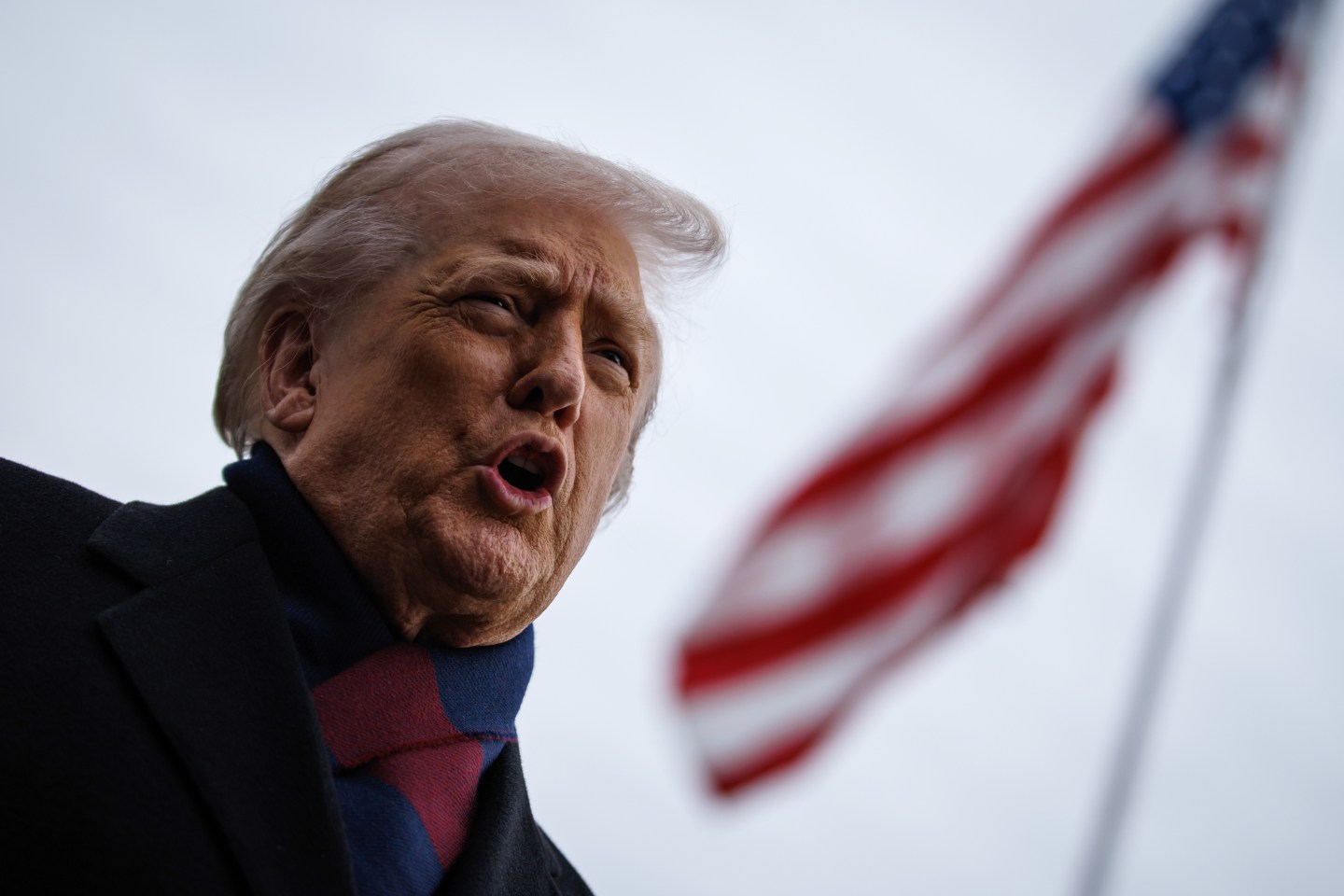


Trump's Fed Takeover Gambit: A High-Stakes Battle for Monetary Policy Independence
- Unprecedented political pressure threatens core economic governance mechanisms







概览
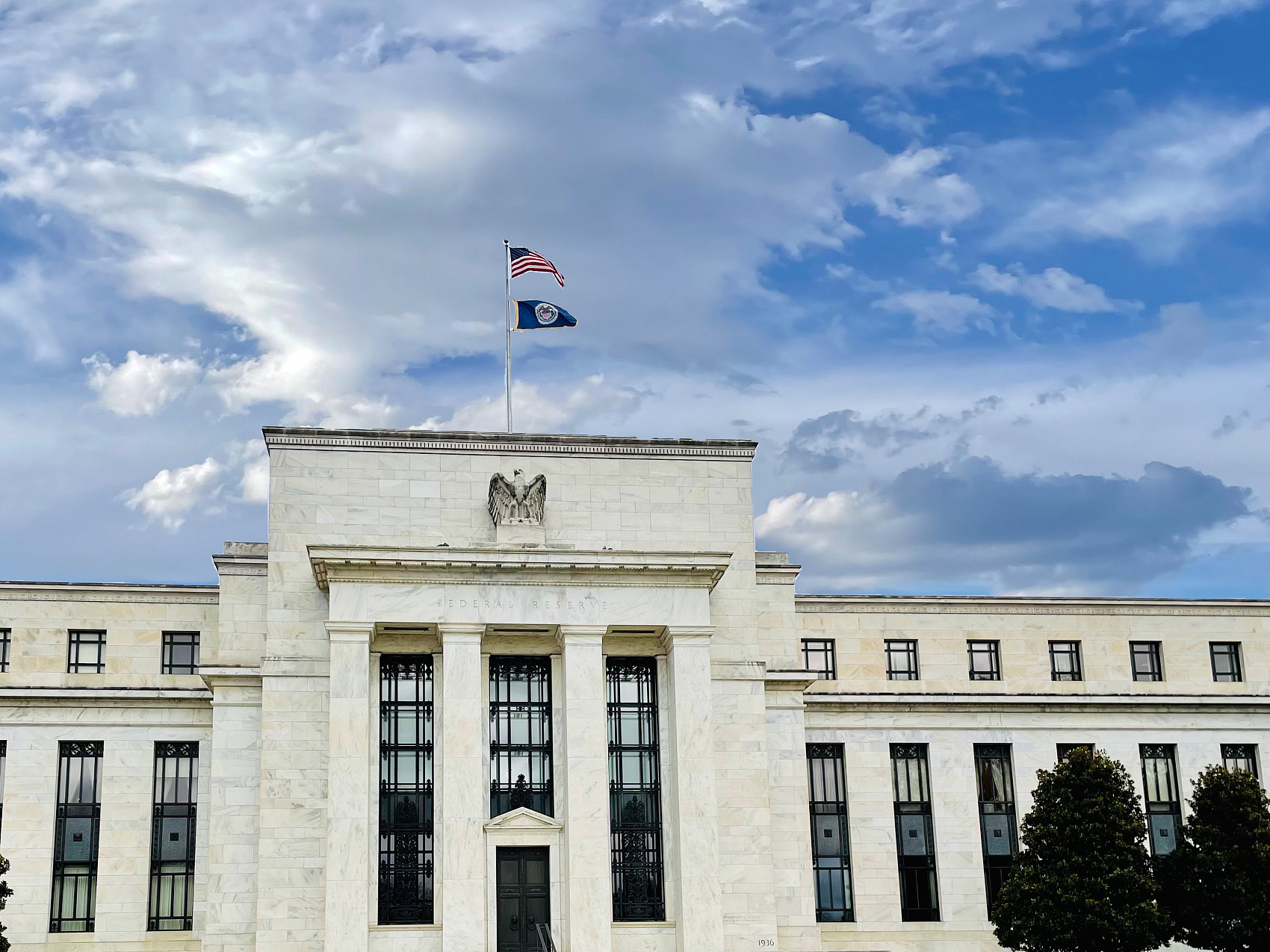
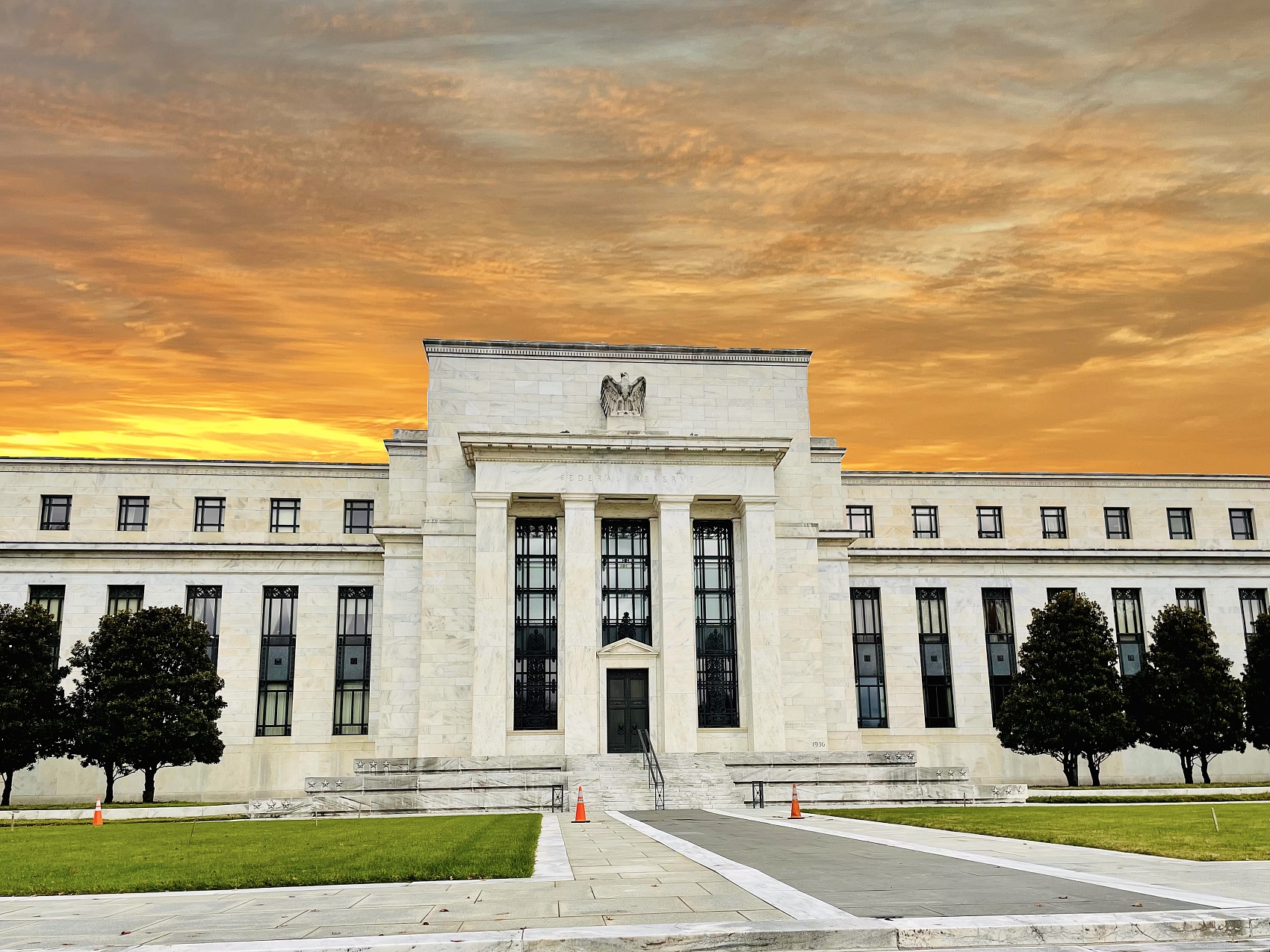
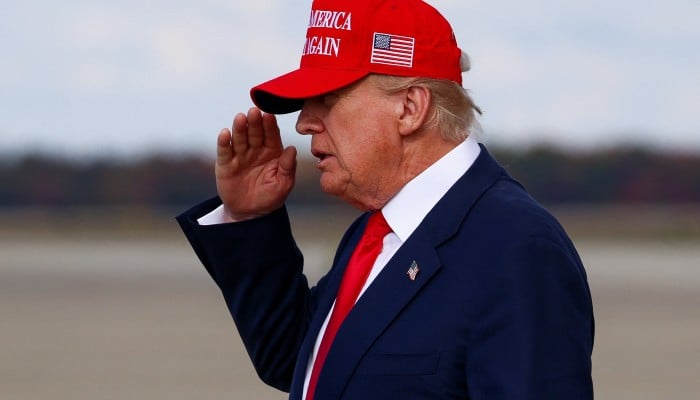
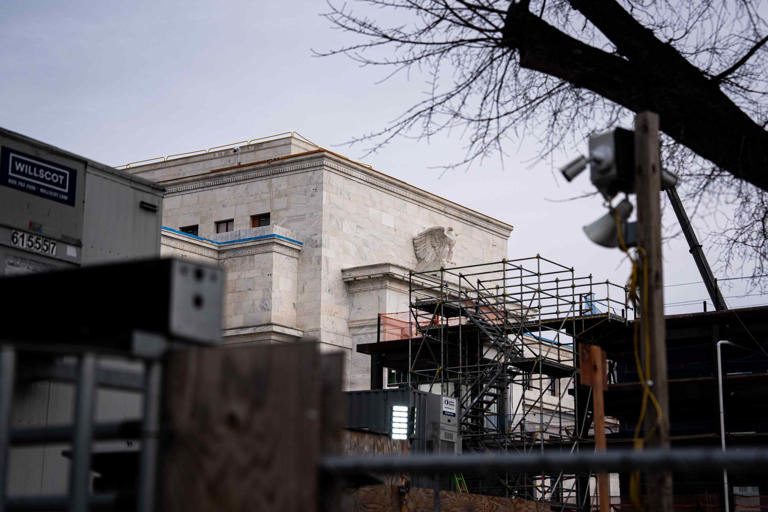
The Federal Reserve stands at a critical inflection point, facing an extraordinary challenge to its institutional independence that could fundamentally reshape American monetary policy. Donald Trump's strategic maneuver to potentially replace key Fed leadership represents more than a personnel change—it's a direct assault on the traditional boundaries between political ambition and economic management.
Trump's targeted approach reveals a calculated strategy: challenging Lisa Cook's position through Supreme Court litigation while simultaneously narrowing potential Fed chair candidates to a tight circle of ideologically aligned economists. The shortlist—including Kevin Warsh and Kevin Hassett—signals a deliberate attempt to install leadership sympathetic to his economic vision. With interest rates having decreased from 5.25-5.5% to 3.5-3.75%, the stakes for monetary policy direction are extraordinarily high.
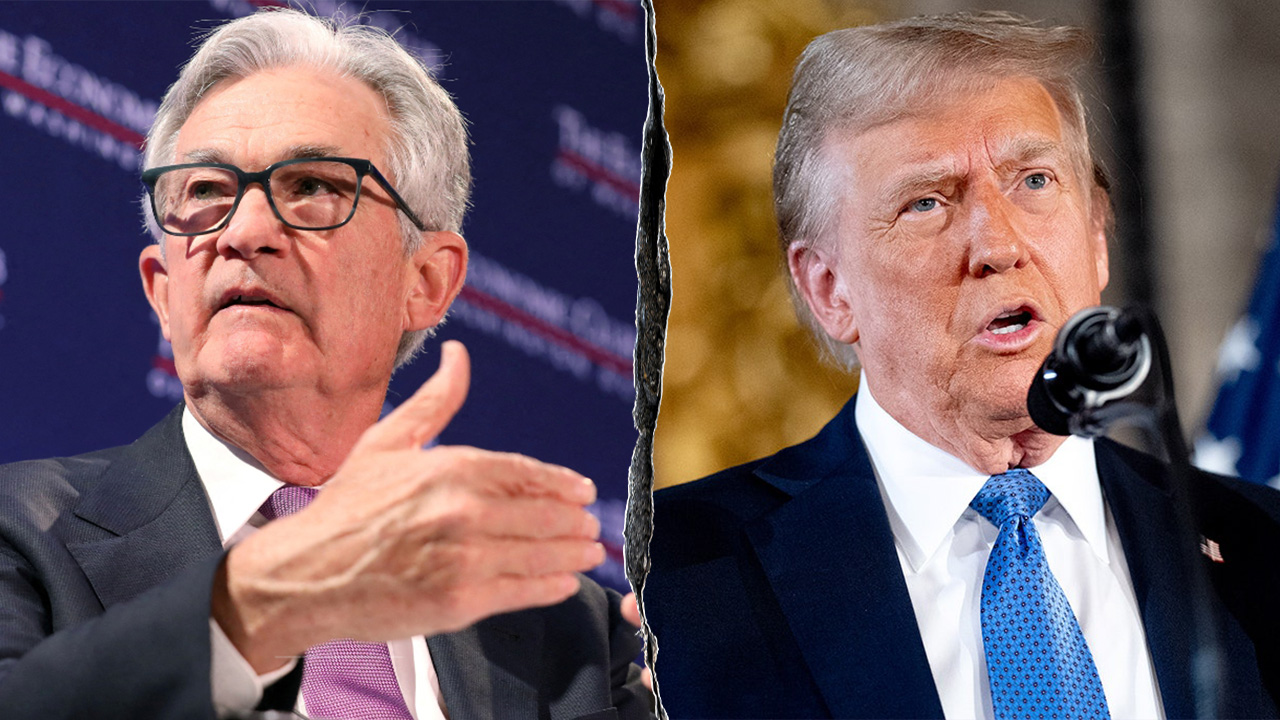
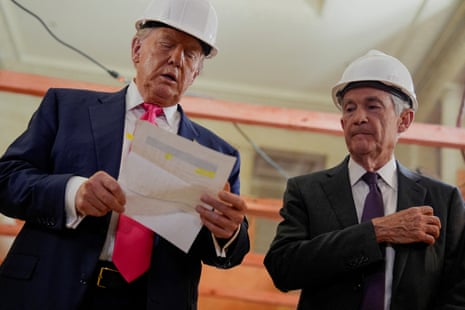
The underlying tension exposes a profound institutional stress test. While Jerome Powell emphasizes there is "no risk-free path" for monetary policy, Trump's persistent criticism suggests a fundamental disagreement about the Fed's role. His accusations against Powell—calling him "too late" on interest rate cuts—represent a broader challenge to the central bank's traditional autonomy. This isn't merely a personnel dispute; it's a fundamental power struggle that could reset the relationship between political leadership and economic governance.
Wall Street's continued confidence in the Fed's decision-making suggests institutional resilience. However, the potential for strategic policy reshaping remains significant. The incoming Fed leadership will navigate complex challenges: managing post-pandemic economic recovery, addressing inflationary pressures, and maintaining global economic credibility—all while potentially operating under unprecedented political scrutiny.
Ultimately, this confrontation represents more than an administrative transition. It's a critical moment testing the fundamental principles of economic institutional independence in the United States, with potential long-term implications for monetary policy, market confidence, and the delicate balance between political ambition and economic stewardship.
问题 3
How has the Federal Reserve responded to political pressure so far?
Despite Trump's persistent criticism, economists suggest the Fed has remained largely uninfluenced by political attacks. Jerome Powell has maintained a cautious approach, emphasizing there is 'no risk-free path' for monetary policy. Wall Street's continued confidence indicates the institution's resilience in maintaining its core economic governance principles.
How might Trump's potential Fed leadership changes impact monetary policy?
Trump's strategy of targeting specific Fed governors and narrowing the chair candidate pool suggests a potential shift towards more politically aligned monetary policy. By considering candidates like Kevin Warsh and Kevin Hassett, who have been critical of current Fed approaches, he could significantly alter interest rate strategies and inflation management tactics.