

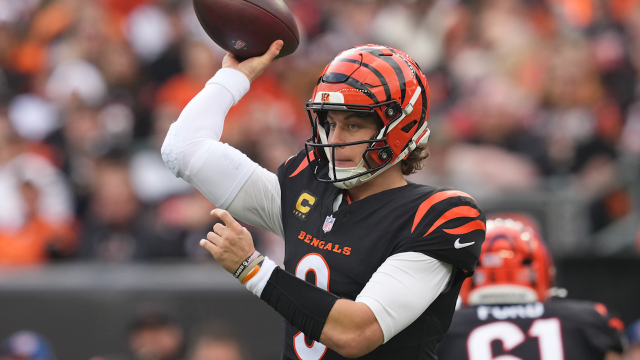


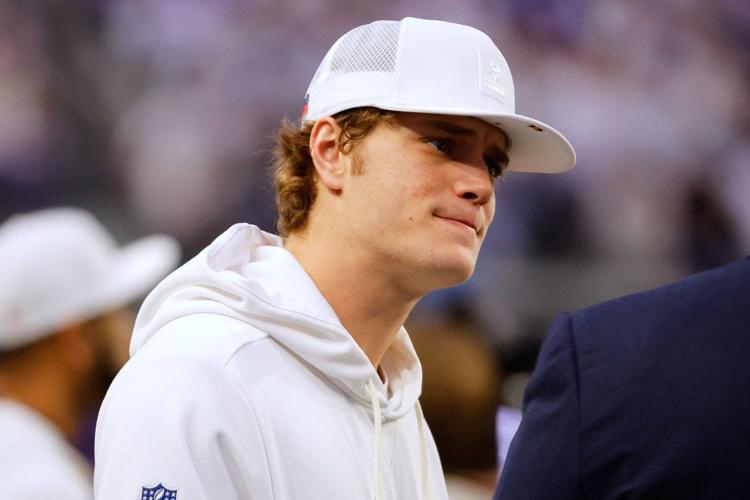
Vikings Quarterback Injury Saga Reveals Team's Resilience and Depth Challenges
- Injury management becomes critical factor in Minnesota's late-season performance strategy














概览
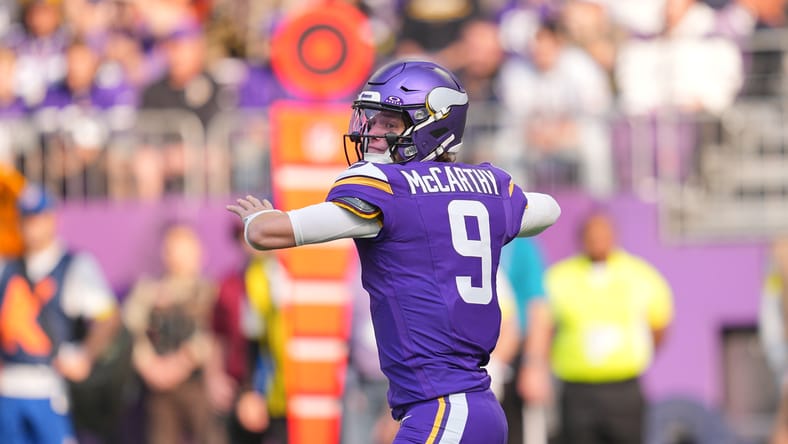
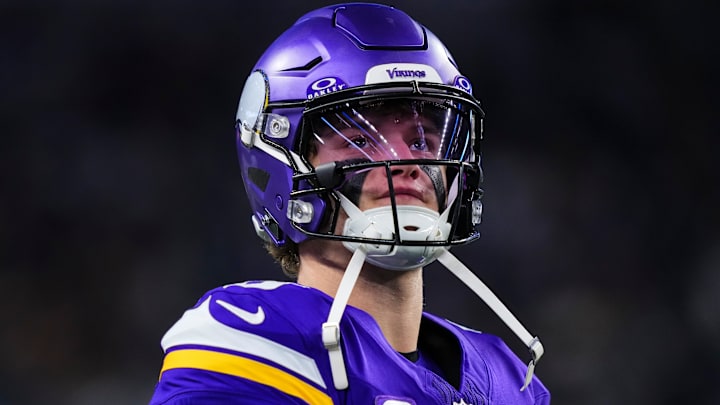
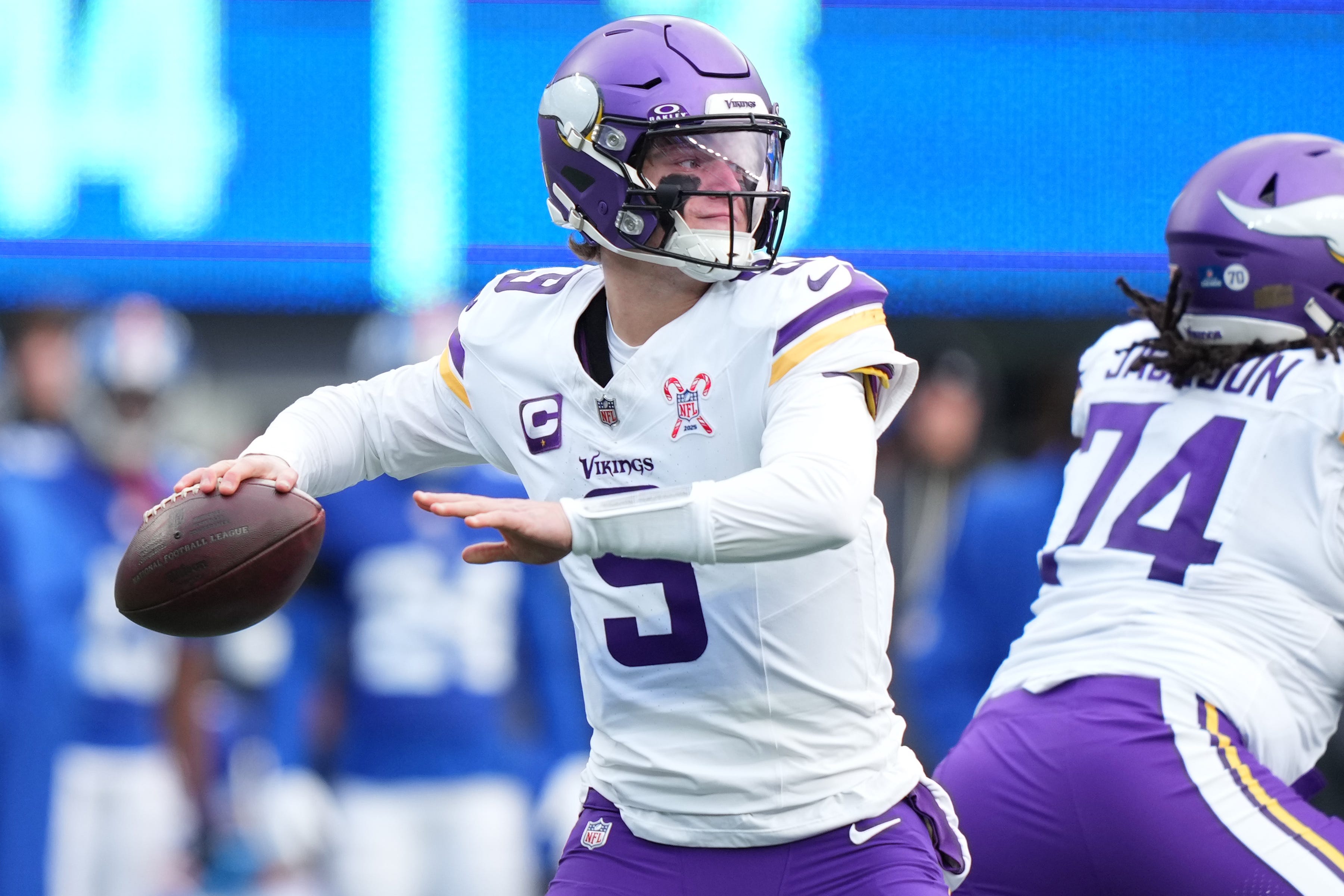
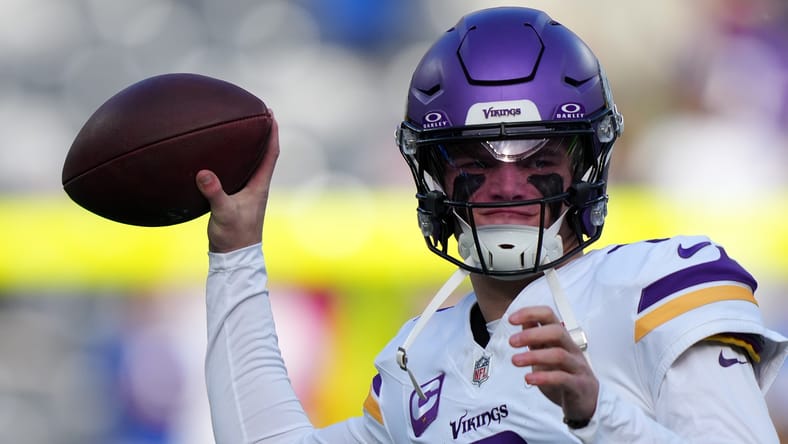
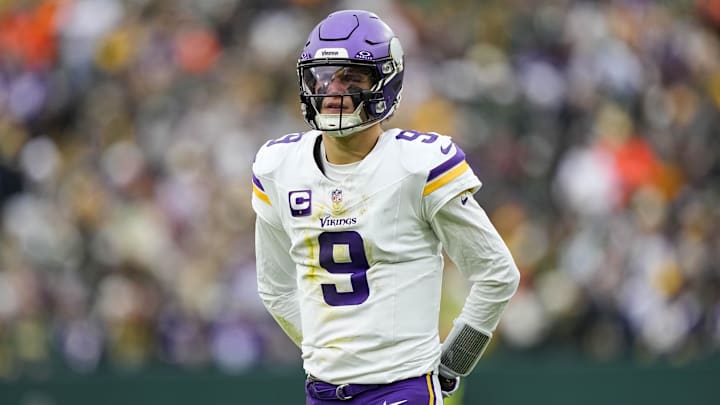
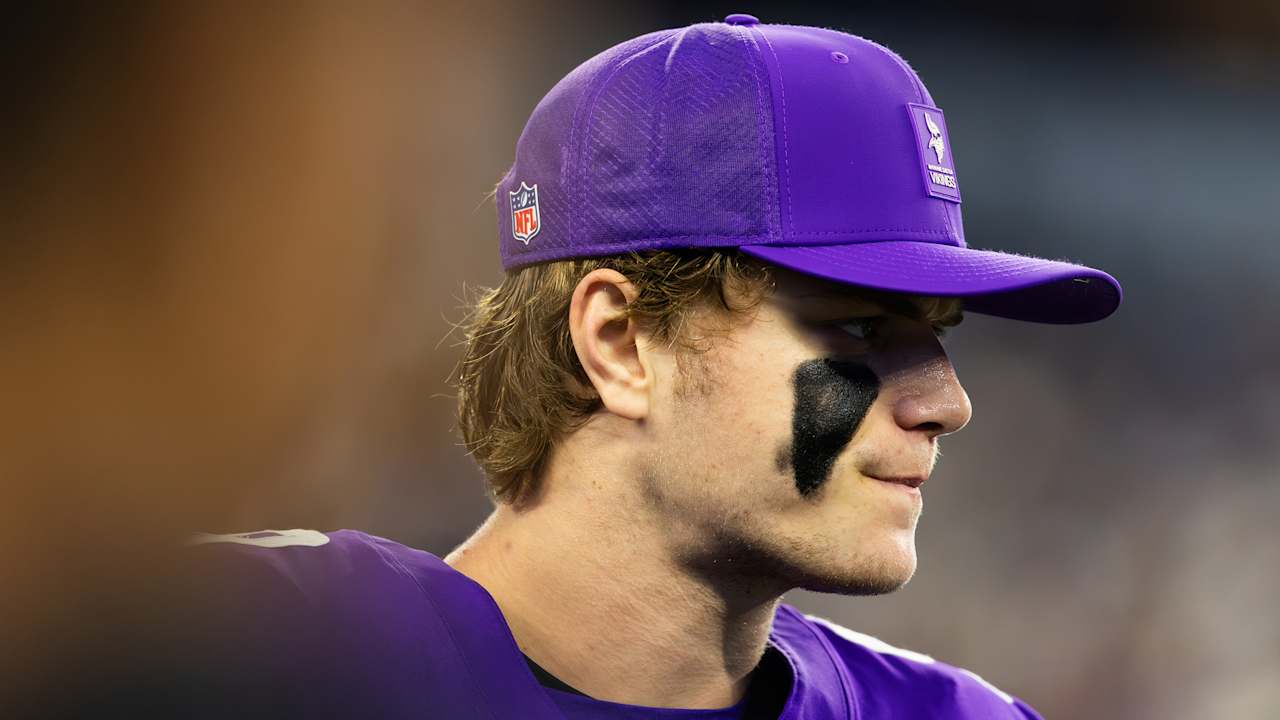
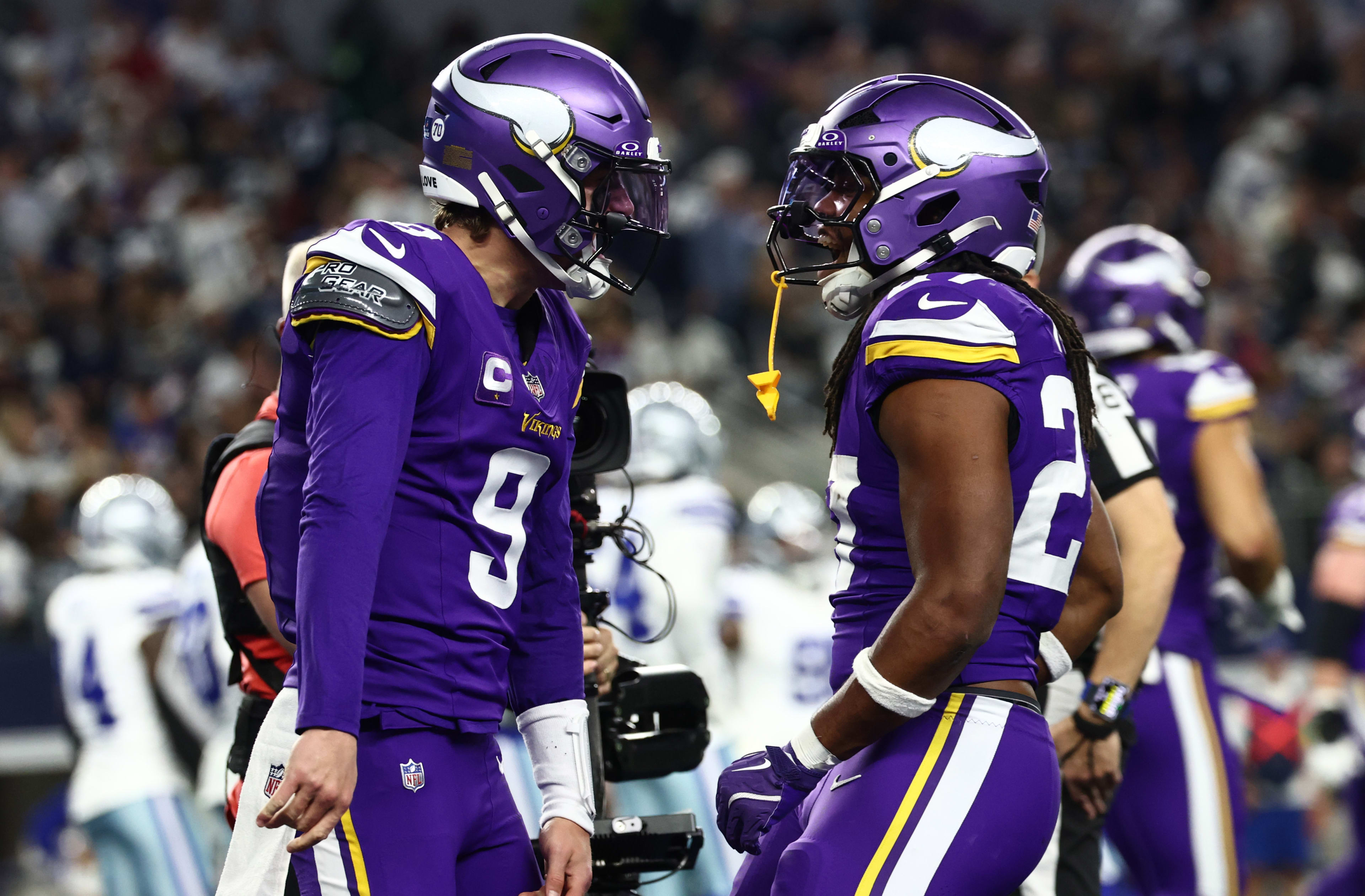
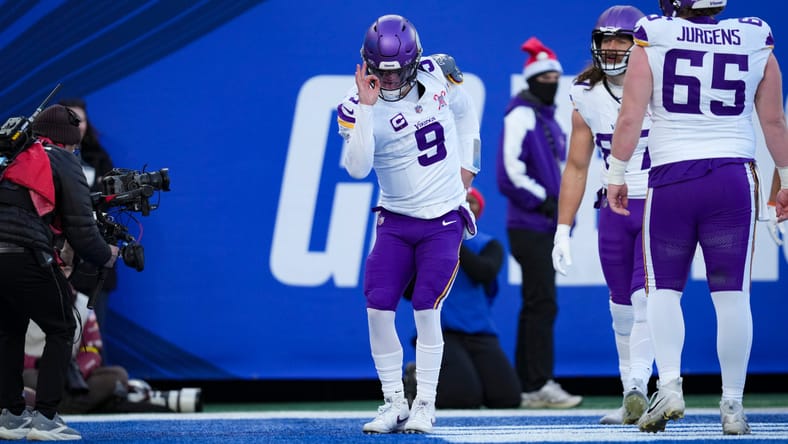
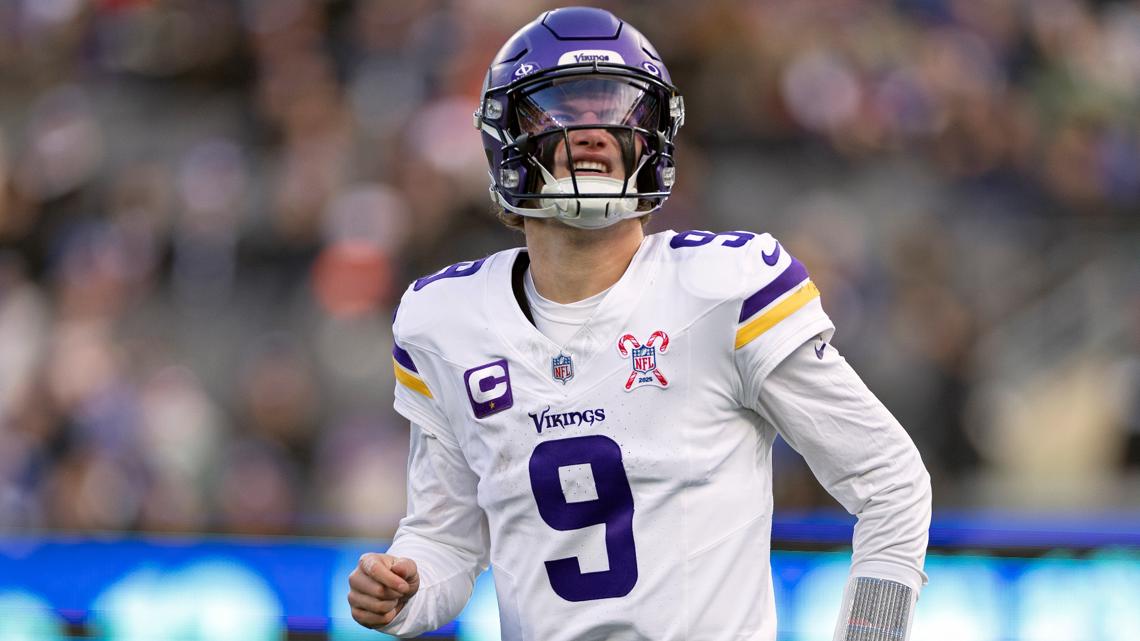
The Minnesota Vikings are navigating a critical juncture in their season, with quarterback injury dynamics emerging as a pivotal narrative that extends far beyond a single player's medical status. J.J. McCarthy's limited practice return after a hairline fracture represents a microcosm of the team's broader medical challenges, highlighting the delicate balance between player recovery and competitive performance.
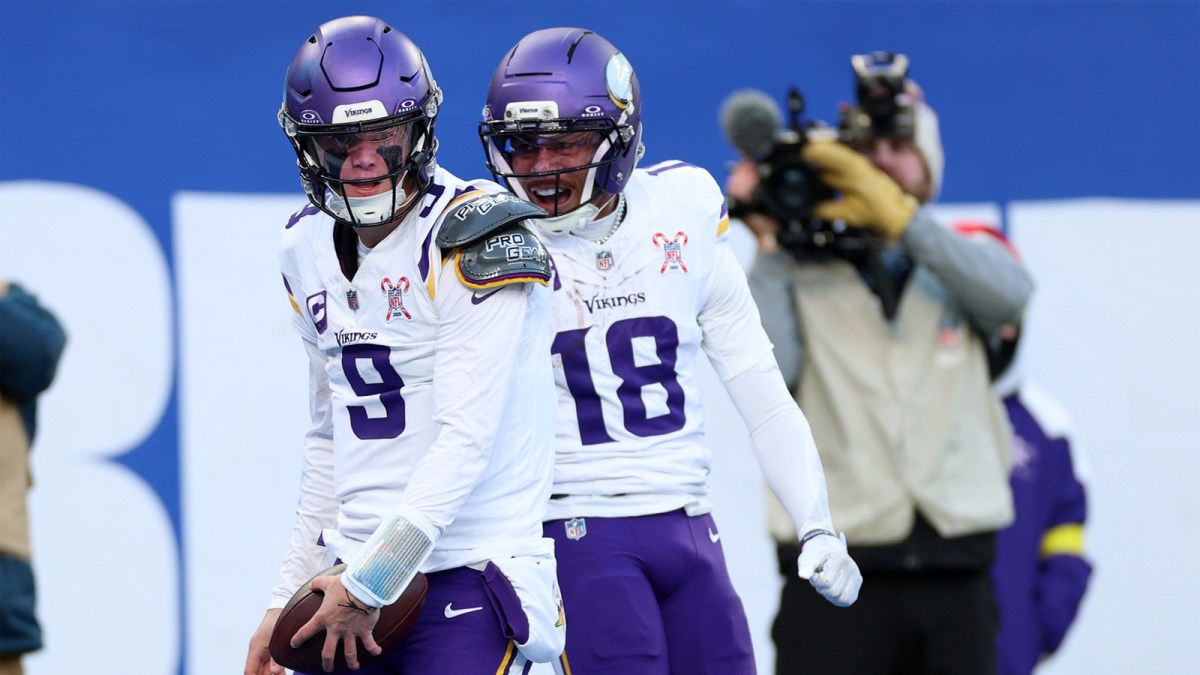
Injury Depth and Strategic Adaptation are the core themes driving the Vikings' current situation. McCarthy's injury—a hairline fracture sustained during the December 21 game against the Giants—forced the team to rely on Max Brosmer, who started for the second time this season. This unexpected shift reveals the team's underlying quarterback vulnerability. McCarthy's season statistics (57.3% pass completion, 1,450 yards, 11 touchdowns, and 12 interceptions) suggest a young quarterback still finding his rhythm, making his recovery even more critical.
The injury report extends beyond McCarthy, painting a comprehensive picture of the team's medical landscape. Multiple key players are currently managing significant health challenges: T.J. Hockenson (shoulder), Aaron Jones (hip), and Myles Price (ankle) are absent, while veterans like Blake Cashman and Harrison Smith are limited participants. This widespread injury scenario transforms what might seem like individual medical issues into a systemic test of the Vikings' organizational resilience and depth.
Strategic Implications for the team are profound. As they approach the season's conclusion, the Vikings must balance immediate competitive needs with long-term player health. The delicate management of McCarthy's return—allowing limited practice while ensuring full recovery—demonstrates a nuanced approach to player development and team performance. The organization is essentially conducting a real-time risk assessment, weighing the potential of pushing a recovering quarterback against the need to protect future potential.
The broader narrative suggests that in modern professional sports, injury management has become as strategic as on-field performance. The Vikings' current situation exemplifies how medical resilience, roster depth, and adaptive coaching can determine a team's late-season trajectory.
问题 3
How serious is J.J. McCarthy's hand injury?
McCarthy suffered a hairline fracture during the December 21 game, which caused him to miss the Christmas Day game. His limited practice return suggests the injury is healing but still requires careful management. The team is balancing his recovery with the need for competitive performance.
What impact do these injuries have on the Vikings' season?
The widespread injuries, including McCarthy's hand fracture and other key players being absent or limited, create significant challenges for the team's late-season strategy. It tests the Vikings' roster depth and requires adaptive coaching to maintain competitive performance.