



Federal Energy Policy Clash: Trump Administration's Last-Ditch Coal Plant Rescue Operation
- Revealing the High-Stakes Political Battle Between Federal Mandates and State-Level Clean Energy Transitions















概览
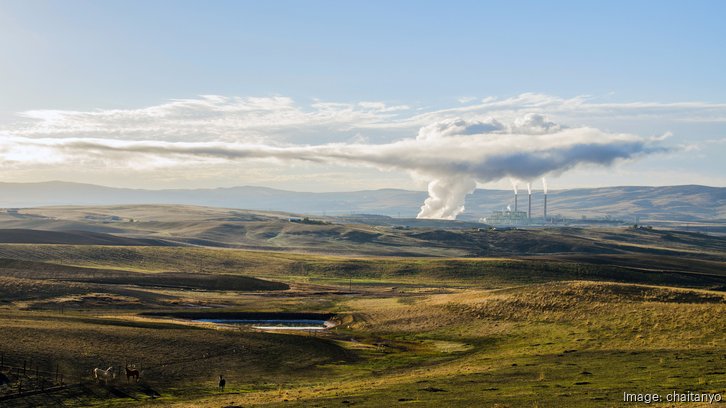
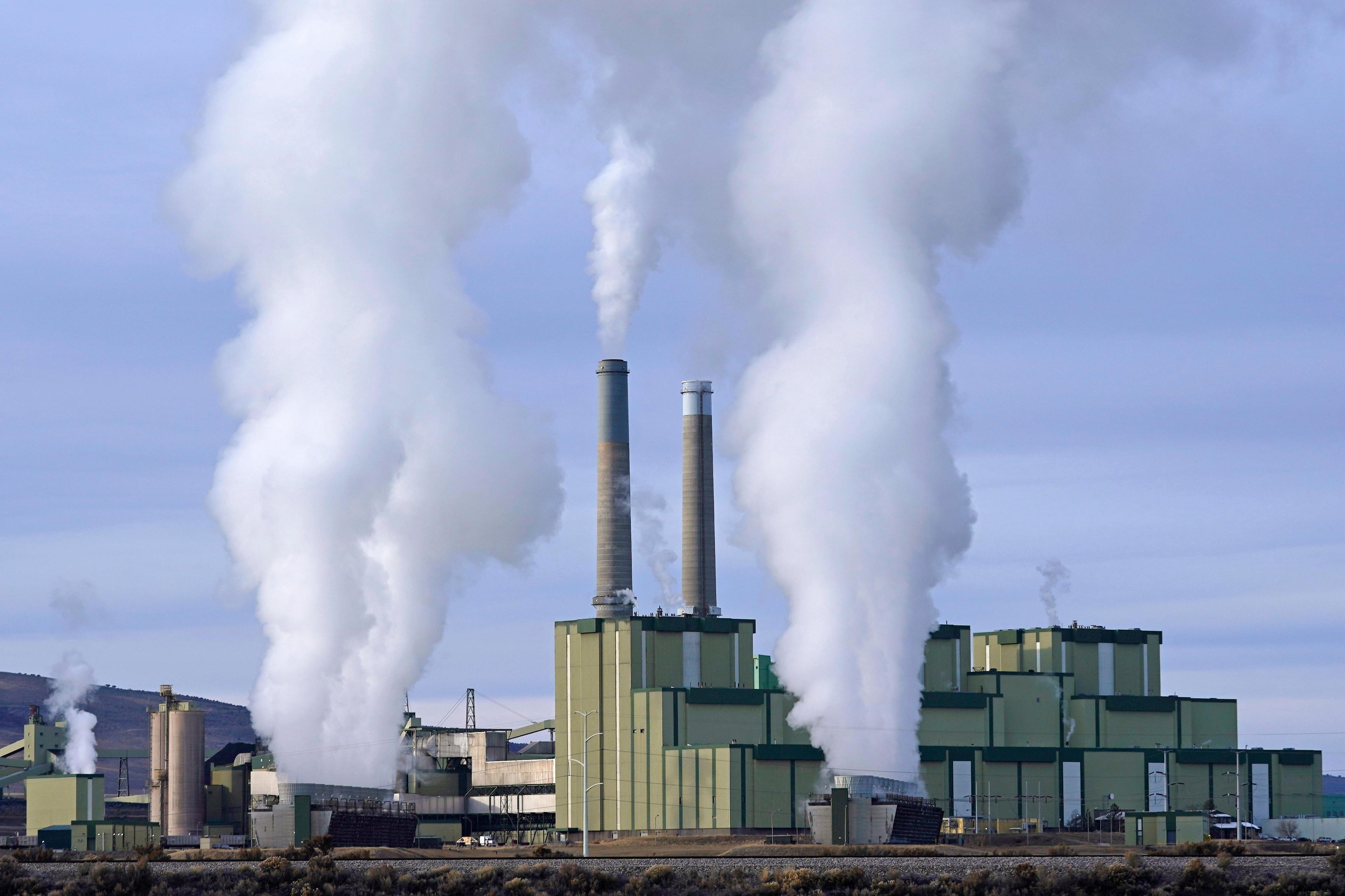
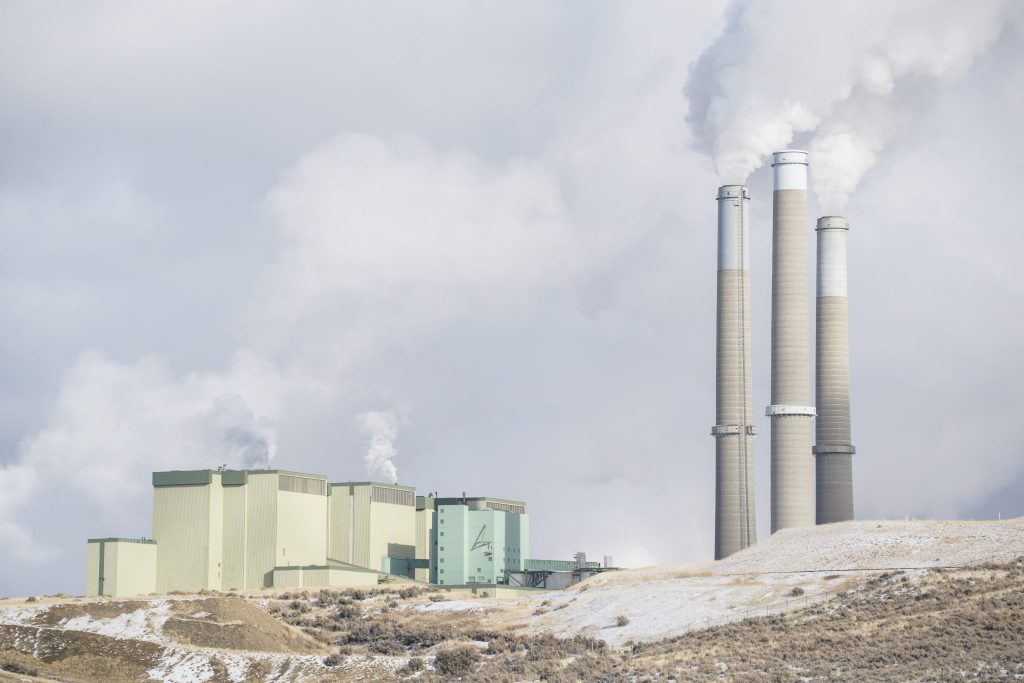
Energy policy confrontation has reached a critical inflection point, with the Trump administration's aggressive intervention in Colorado's power infrastructure revealing deeper systemic tensions between federal mandates and state-level clean energy objectives. The emergency order forcing the Craig Generating Station Unit 1 to remain operational through March 2026 represents more than a simple infrastructure decision—it's a strategic political maneuver with profound economic and environmental implications.
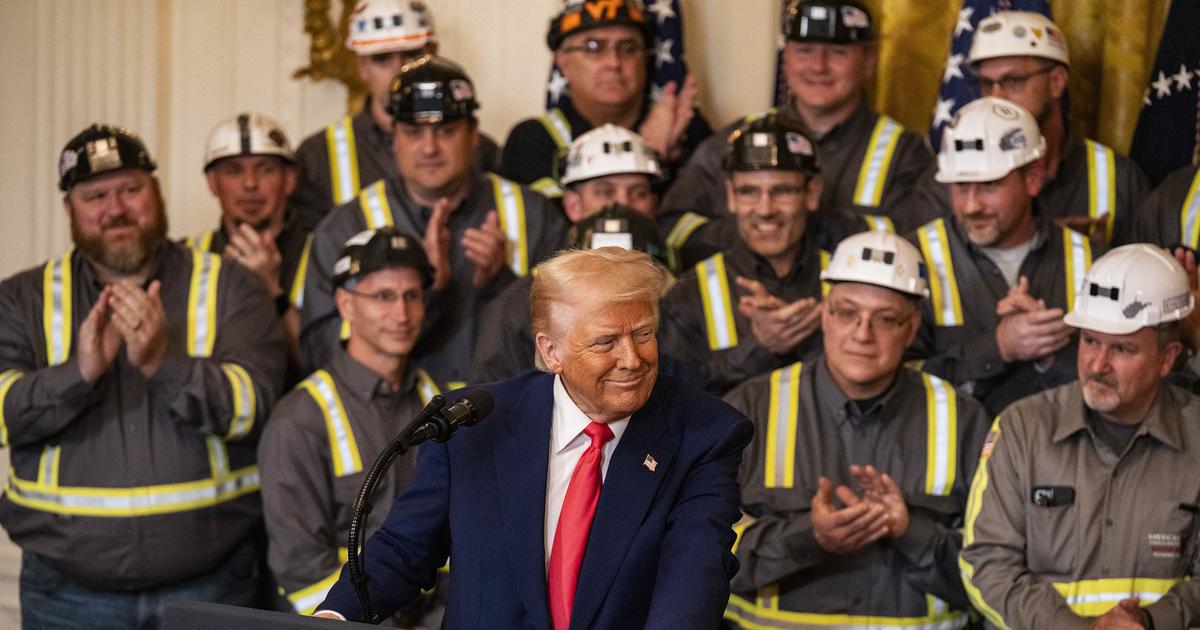
Strategic Political Positioning: The Department of Energy's decision to mandate continued operation of an aging, non-functional coal plant exposes the ideological divide between federal energy preservation strategies and state-level sustainability goals. By invoking emergency powers to keep a nearly 50-year-old facility running, the administration is effectively challenging Colorado's planned transition away from coal. The estimated $20-150 million annual operational cost underscores the substantial economic burden this intervention imposes on local ratepayers.
Economic and Environmental Contradictions: Independent energy experts from the Colorado Energy Office have explicitly stated that the plant is unnecessary for grid reliability. The North American Electric Reliability Corporation's 2024 assessment found adequate generating capacity, directly contradicting the DOE's emergency rationale. This intervention represents the sixth such action by the Trump administration, suggesting a systematic approach to preserving coal infrastructure despite mounting economic and environmental counterarguments.
Broader Implications: The order highlights the complex political landscape surrounding energy transition. While Colorado aims to retire six remaining coal-fired plants by 2031, replacing them with renewable and gas-fired generation, federal interventions create significant regulatory uncertainty. Environmental groups are challenging these orders in court, viewing them as ideologically motivated attempts to artificially sustain fossil fuel infrastructure.
The strategic significance extends beyond Colorado: these interventions signal a broader political struggle between maintaining traditional energy systems and embracing sustainable transformation. For energy sector stakeholders, investors, and policymakers, this represents a critical moment of tension between legacy infrastructure and emerging clean energy paradigms.
问题 3
How does this order impact Colorado's clean energy transition goals?
The order directly challenges Colorado's plan to retire six remaining coal-fired plants by 2031 and replace them with renewable and gas-fired generation. It creates regulatory uncertainty and potentially delays the state's clean energy transformation by mandating continued operation of an aging, non-functional coal plant.
Why is the Trump administration forcing this coal plant to remain operational?
The administration claims emergency electricity needs justify maintaining the facility, though independent experts dispute this rationale. The move appears to be part of a broader political strategy to preserve coal infrastructure, despite significant economic and environmental counterarguments from state officials and energy experts.