




Vaccine Policy Transformation: RFK Jr. Reshapes Childhood Immunization Landscape
- Controversial CDC Vaccine Recommendations Spark Nationwide Regulatory Conflict




































概览
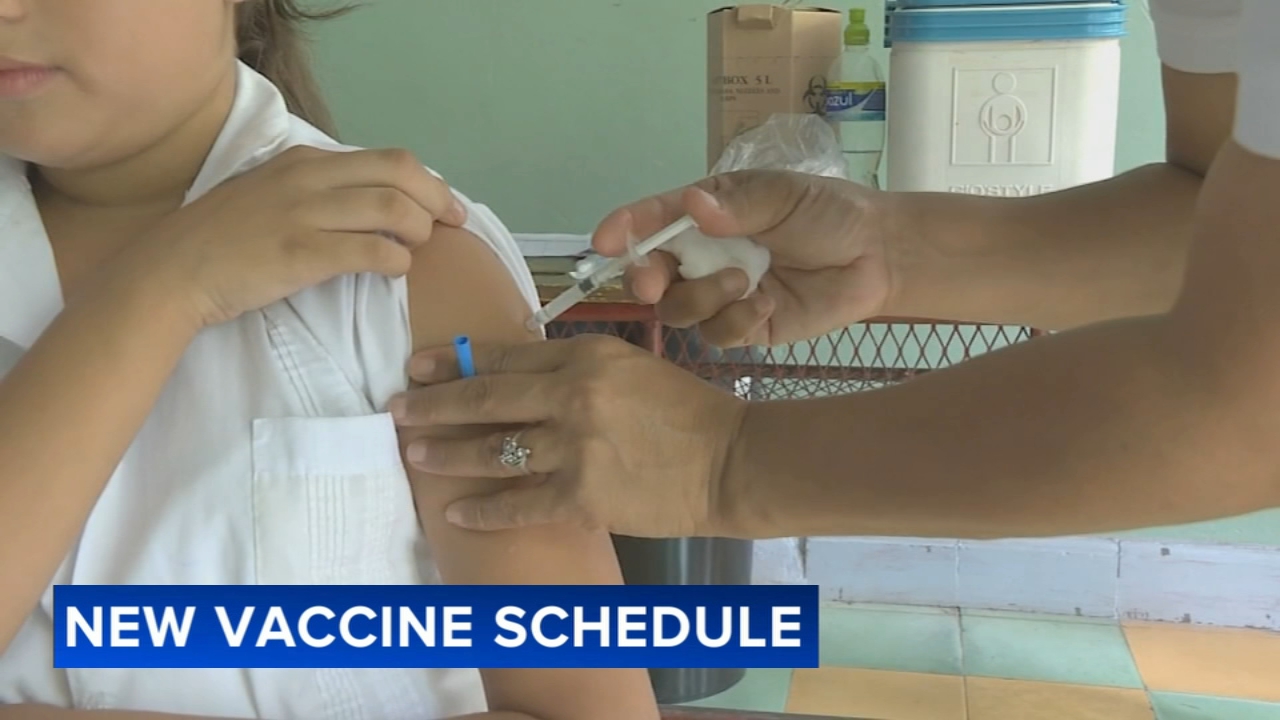
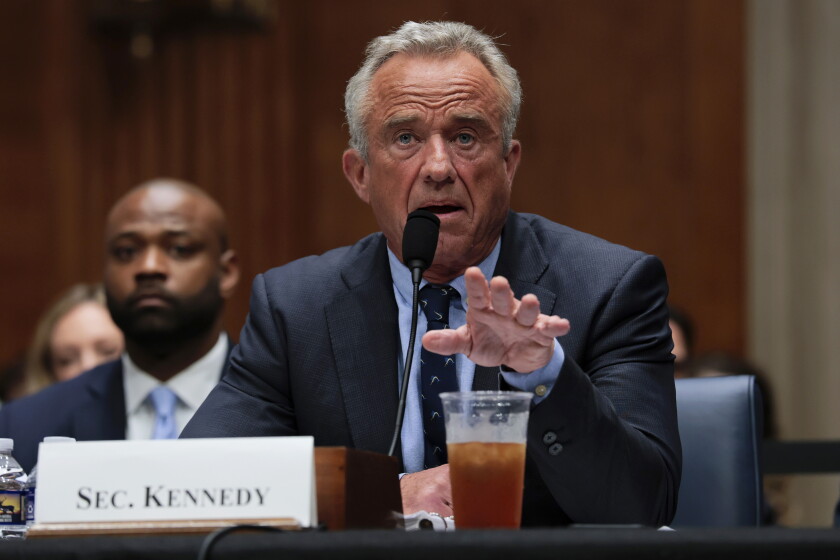
Vaccine policy in the United States is undergoing a radical transformation driven by HHS Secretary Robert F. Kennedy Jr.'s unprecedented restructuring of childhood immunization guidelines. The new recommendations, set to take effect in 2025, represent a dramatic departure from established public health strategies, potentially exposing children to increased health risks.
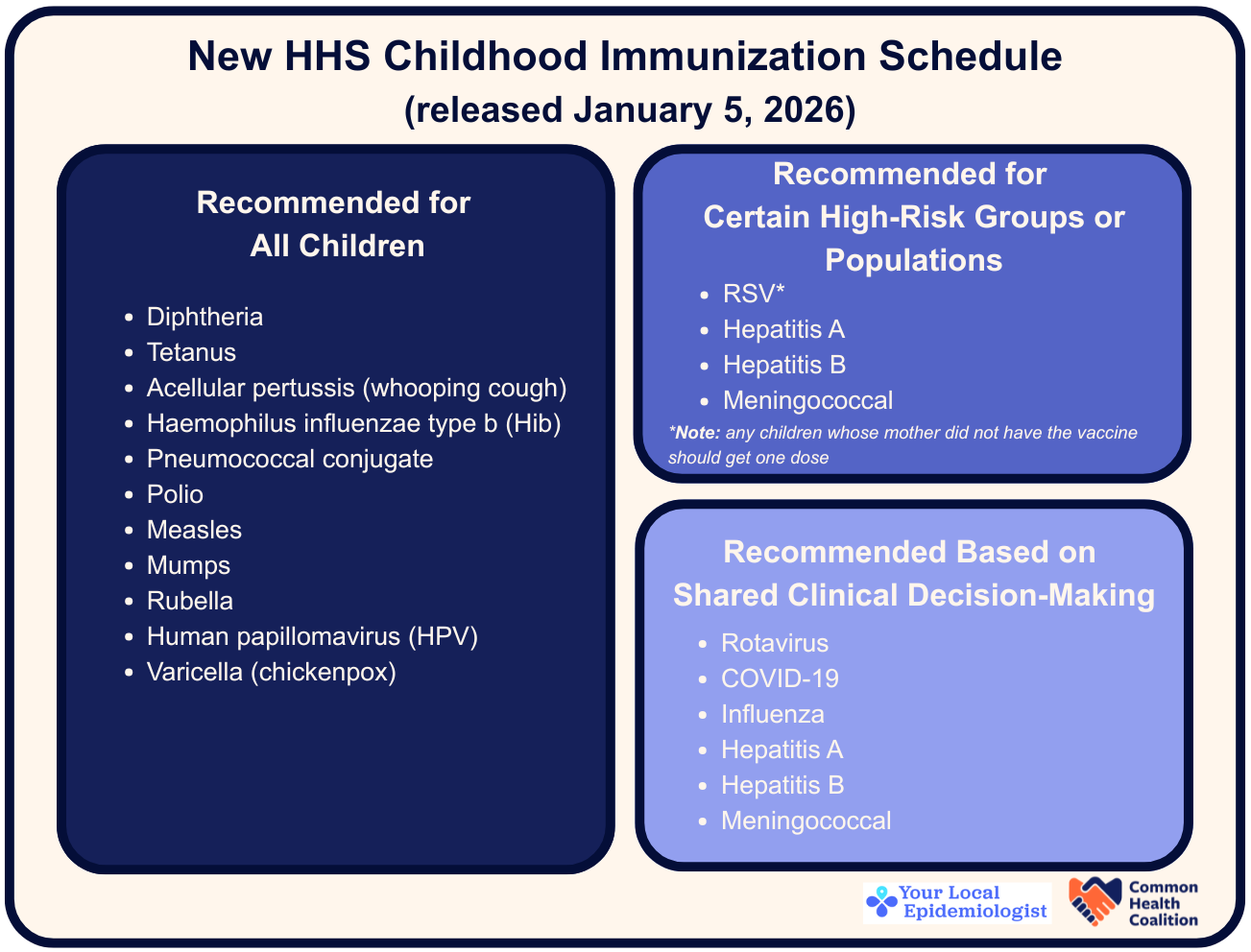
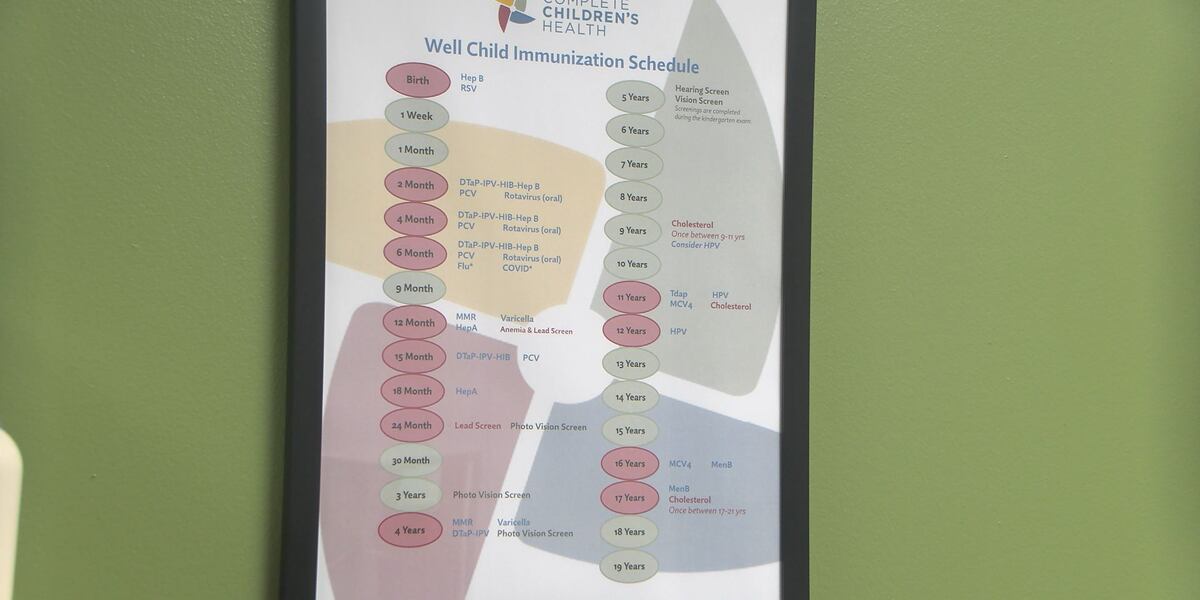
The core of this policy shift lies in dramatically narrowing vaccine recommendations, reducing the CDC's previously comprehensive immunization schedule to just 11 vaccines. Critically, the new guidelines eliminate universal recommendations for several key vaccines, including hepatitis A, rotavirus, and flu vaccines. This move follows a direct request from President Donald Trump to align U.S. vaccine policies with other developed countries, though major medical organizations vehemently oppose the changes.
Regulatory tensions are escalating across multiple levels of government, with state-level authorities like California challenging the CDC's new guidelines. The policy conflict highlights deep fractures in public health decision-making, with state officials demanding more granular risk assessments and expressing serious concerns about child safety. The HHS claims the changes maintain strong disease protection, but public health experts argue the modifications are driven more by political ideology than scientific evidence.
The broader implications extend far beyond immediate health concerns, potentially restructuring the entire landscape of preventive healthcare in the United States. Medical professionals warn of decreased vaccine access, increased confusion among clinicians, and potential exacerbation of existing healthcare disparities. Most pediatricians are expected to continue following the more comprehensive American Academy of Pediatrics immunization schedule, creating a complex regulatory environment for healthcare providers and parents alike.
Stakeholders must closely monitor this evolving regulatory landscape, as the changes could significantly impact healthcare delivery, insurance coverage, and public health strategies. The unprecedented nature of these recommendations raises critical questions about the future of vaccine policy and the delicate balance between parental choice, public health protection, and scientific consensus.
问题 5
How are states responding to the new CDC vaccine guidelines?
States like California are pushing back against the CDC recommendations, arguing that the guidelines potentially compromise child safety. State-level health authorities are demanding more detailed risk assessments and independent reviews before considering implementation of the new vaccine schedule.
What impact might these changes have on healthcare access?
The new guidelines could exacerbate existing healthcare disparities, particularly in regions where nearly one-third of the population lacks primary care access. The requirement for shared clinical decision-making may create additional barriers to vaccination, potentially reducing overall immunization rates.